Are you ready to make a mouthwatering pork roast that’s tender, juicy, and full of flavor? Cooking pork roast in a Dutch oven is one of the best ways to achieve that perfect result.
But how long should you cook it to get the ideal texture without drying it out? If you’ve ever wondered about the exact timing and tips to master this cooking method, you’re in the right place. Keep reading, and you’ll discover the secrets to a perfectly cooked pork roast that will impress everyone at your table.

Choosing The Right Pork Roast
Choosing the right pork roast sets the stage for a delicious meal. The cut you select affects cooking time and flavor. It also influences how tender the meat will become in your Dutch oven. Picking a roast that suits slow cooking ensures the best results.
Best Cuts For Dutch Oven Cooking
Some pork cuts work better in a Dutch oven than others. Choose cuts with good marbling and some fat. This keeps the meat moist and flavorful during long cooking.
- Pork shoulder (also called pork butt) – rich and well-marbled, perfect for slow cooking.
- Pork loin – leaner but still tender when cooked carefully.
- Pork leg – lean and firm, best cooked slowly to avoid dryness.
- Pork belly – fatty and flavorful, ideal for braising in a Dutch oven.
These cuts break down nicely and become tender with heat and moisture.
Size And Weight Considerations
The size of your pork roast affects cooking time. A larger roast needs more time to cook through. A smaller roast cooks faster but can dry out if overcooked.
Choose a roast that fits comfortably inside your Dutch oven. Leave some space for air and heat circulation.
| Roast Weight | Approximate Cooking Time |
|---|---|
| 2 to 3 pounds | 2.5 to 3 hours at 325°F (163°C) |
| 4 to 5 pounds | 3.5 to 4 hours at 325°F (163°C) |
| 6 to 7 pounds | 4.5 to 5 hours at 325°F (163°C) |
Adjust cooking time based on roast size to ensure tenderness and juiciness.
Preparing The Pork Roast
Preparing your pork roast properly sets the stage for a delicious, tender meal. The way you season and treat the meat before cooking can transform the final flavor and texture. Taking a little extra time here ensures your roast turns out juicy and full of depth.
Seasoning And Marinades
Start with a simple but effective seasoning mix. Salt, pepper, garlic powder, and paprika create a well-rounded base that enhances the pork's natural flavor without overpowering it.
Consider adding fresh herbs like rosemary or thyme for an aromatic touch. If you have time, marinate your pork roast for a few hours or overnight in a mixture of olive oil, lemon juice, and crushed garlic. This not only tenderizes but also infuses the meat deeply.
Have you noticed how a dry rub can sometimes be just as powerful as a wet marinade? Experiment with both to find your favorite flavor profile.
Searing For Flavor
Searing the pork roast in your Dutch oven before slow cooking locks in moisture and builds a rich crust. Heat a bit of oil over medium-high heat and brown each side of the roast for about 3-4 minutes.
This step adds a layer of savory caramelization that elevates the entire dish. Don’t rush it; a good sear can make the difference between an ordinary roast and one you’ll want to make again.
Think about the last time you skipped searing—did your roast lack that deep, roasted flavor? Searing is worth the extra minute or two.
Dutch Oven Setup
Setting up your Dutch oven properly is crucial for cooking the perfect pork roast. The right setup ensures even heat distribution, which helps the meat cook thoroughly while staying juicy. Let’s look at how to choose the best Dutch oven and get your oven ready for roasting.
Selecting The Right Dutch Oven
Choose a Dutch oven that is large enough to hold your pork roast comfortably with some space around it. A size between 5 to 7 quarts usually works well for most roasts. Cast iron Dutch ovens are excellent because they retain heat evenly and maintain a steady temperature.
Consider one with a tight-fitting lid to lock in moisture and flavors. If your Dutch oven has enamel coating, it’s easier to clean and doesn’t require seasoning. Think about the weight too—heavier ones hold heat better but can be harder to handle.
Preheating And Oven Temperature
Preheat your oven to the right temperature before placing the Dutch oven inside. Generally, roasting pork requires a temperature between 325°F and 350°F (163°C to 177°C). Preheating the Dutch oven itself can help develop a nice crust on the roast.
Try preheating the empty Dutch oven for about 10-15 minutes in your oven. Then carefully add oil or fat before placing the pork roast inside. This approach ensures the meat sears quickly, locking in juices and flavor.
Have you noticed how starting with a hot pot changes the texture of your roast? It’s a simple trick that makes a big difference in the final dish.
Cooking Times And Temperatures
Cooking a pork roast in a Dutch oven requires careful timing and temperature. Aim for 325°F, cooking around 25 minutes per pound. Ensure the meat reaches an internal temperature of 145°F for safe consumption.
Cooking a pork roast in a Dutch oven requires precise times and temperatures. These factors impact the roast's tenderness and flavor. Cooking methods can vary, but each offers unique benefits. Understanding the right approach ensures a delicious meal for your table.
Low And Slow Method
This method involves cooking the pork at a lower temperature for a longer time. Set your oven to 275°F (135°C). Cook the roast for about 25 minutes per pound. This approach allows the meat to become tender and juicy. Perfect for those who enjoy a melt-in-your-mouth texture.
High Heat Quick Roast
For a faster option, use the high heat method. Preheat your oven to 425°F (220°C). Cook the pork for about 15 minutes per pound. This method gives the roast a crispy exterior. It’s ideal for those with less time to spare.
Using A Meat Thermometer
A meat thermometer ensures the roast is cooked perfectly. Insert the thermometer into the thickest part of the meat. The internal temperature should reach 145°F (63°C) for safe consumption. Let the roast rest for a few minutes before serving. This step allows juices to redistribute, enhancing the flavor.
Checking For Doneness
Checking for doneness is key to a juicy pork roast. Overcooking dries it out. Undercooking leaves it unsafe to eat. Use simple tools and senses to know when the roast is ready. This guide helps you check pork roast doneness in a Dutch oven.
Internal Temperature Guidelines
Use a meat thermometer for the best results. Insert it into the thickest part of the roast. Avoid touching bone or fat.
- 145°F (63°C) for medium-rare pork
- 160°F (71°C) for medium
- 170°F (77°C) for well-done
Rest the meat for 3 to 5 minutes after cooking. The temperature will rise slightly during resting.
Visual And Texture Cues
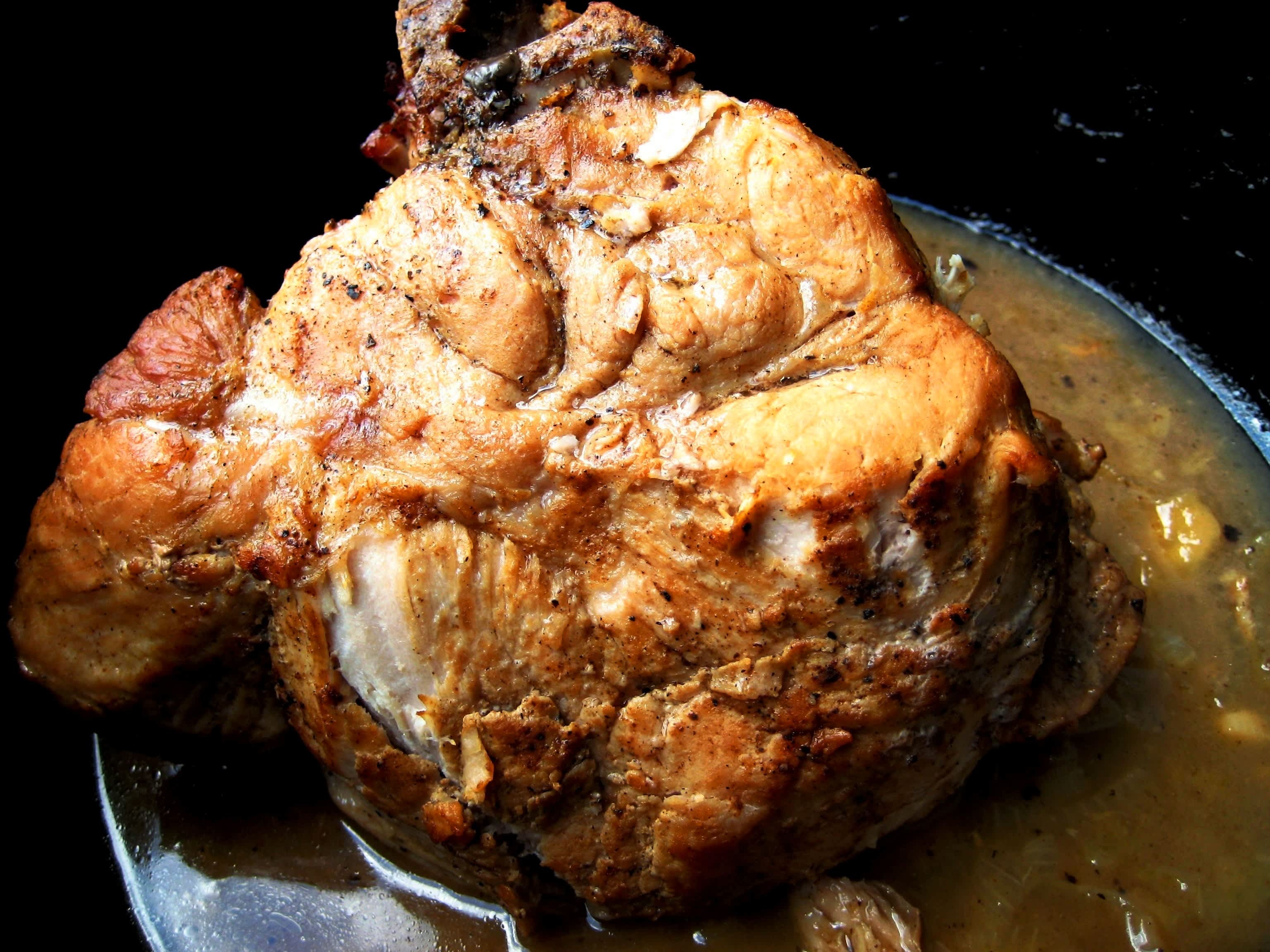
The pork roast should have a golden-brown crust. The juices should run clear, not pink or red.
Press the roast gently with your finger or a fork. It should feel firm but still springy. Soft or very squishy means undercooked. Very hard means overcooked.
Resting And Serving
After cooking your pork roast in a Dutch oven, the next crucial phase is resting and serving. This step might seem simple, but it significantly impacts the juiciness and flavor of your roast. How you handle the resting and carving can make the difference between a dry meal and a succulent feast.
Importance Of Resting
Resting allows the juices inside the pork roast to redistribute evenly. If you cut into it right away, all those flavorful juices will spill out, leaving the meat dry.
Let your roast rest for at least 15 to 20 minutes, tented loosely with foil. This short wait locks in moisture and enhances tenderness.
Think about a time you rushed to slice a roast and found it dry—resting changes that experience completely.
Carving Tips
Carving your pork roast properly highlights its texture and makes serving easier. Always use a sharp knife to ensure clean slices that don’t shred the meat.
Cut against the grain to break muscle fibers, which makes each bite more tender. For a typical pork roast, this means slicing perpendicular to the lines you see in the meat.
Try cutting slices about half an inch thick—thinner slices can dry out quickly, while thicker ones might be harder to chew.
Serving your pork roast with its natural juices or a light sauce can enhance flavor and keep the meat moist on the plate. What’s your favorite way to serve pork roast?
Common Mistakes To Avoid
Cooking a pork roast in a Dutch oven can be incredibly rewarding, but there are a few common mistakes that can turn your meal from delicious to disappointing. Avoiding these pitfalls will help you get the perfect roast every time. Let's look at some errors that many cooks make and how you can easily steer clear of them.
Overcooking
Overcooking your pork roast leads to dry, tough meat that’s hard to enjoy. It’s tempting to cook it longer “just to be safe,” but this often ruins the texture. Use a meat thermometer to check the internal temperature; 145°F (63°C) is the sweet spot for juicy pork.
I once left a roast in the oven too long, thinking slow and low meant better flavor. The result? A dry roast that no amount of sauce could save. Don’t let this happen to you—monitor your roast closely and pull it out promptly when it hits the right temp.
Undercooking
On the flip side, undercooking pork is a health risk and results in a chewy, unpleasant texture. Pork should never be pink in the center unless it’s a tenderloin cooked to a safe temperature. Always check with a reliable thermometer to ensure your roast is fully cooked.
Have you ever cut into a roast expecting it to be done, only to find it raw inside? It’s frustrating and unsafe. Avoid this by trusting your tools, not just your intuition or cooking time charts.
Skipping The Sear
Many skip searing the pork roast before slow cooking, thinking it’s unnecessary. This step locks in flavor and creates a beautiful crust that adds depth to the dish. Without searing, your roast might taste bland and look less appetizing.
I learned this the hard way after skipping the sear to save time. The roast lacked that rich, caramelized flavor I love. Taking just a few extra minutes to brown your meat can make a huge difference in taste and presentation.
:max_bytes(150000):strip_icc()/1905413-9a24d4c2720d42a89a32a341c74d1ae6.jpg)
Enhancing Flavor With Add-ins
Enhancing the flavor of a pork roast cooked in a Dutch oven turns a simple meal into a rich, memorable dish. Using the right add-ins can bring out the meat’s natural taste and create a delicious aroma. These add-ins slowly meld with the pork as it cooks, making every bite full of flavor.
Choosing fresh, complementary ingredients makes a big difference. They help balance the pork’s richness and give depth to the overall dish. The Dutch oven’s slow cooking process allows these flavors to blend perfectly.
Vegetables And Herbs
Vegetables add sweetness, earthiness, and texture to your pork roast. Common choices include:
- Carrots
- Onions
- Celery
- Garlic cloves
- Potatoes
Herbs bring freshness and complexity. Try adding:
- Rosemary
- Thyme
- Sage
- Bay leaves
Place vegetables and herbs around the roast in the Dutch oven. As they cook, their flavors seep into the meat and cooking liquid.
Broths And Sauces
Broths provide moisture and deepen flavor. Use chicken, beef, or vegetable broth. Pour enough to cover the bottom of the Dutch oven without submerging the roast. This helps keep the meat juicy and tender.
Sauces enhance taste and add richness. Popular options are:
- Apple cider
- BBQ sauce
- Mustard-based sauces
- Wine or beer
Mix sauces with broth or pour directly over the roast. During cooking, the liquid reduces into a thick, flavorful glaze.
Frequently Asked Questions
How Long Does Pork Roast Take In A Dutch Oven?
Cooking pork roast in a Dutch oven typically takes 2 to 3 hours. The exact time depends on roast size and oven temperature. Slow cooking at 325°F ensures tender, juicy meat. Always check internal temperature for doneness.
What Temperature Should I Cook Pork Roast In Dutch Oven?
Set your oven to 325°F for pork roast in a Dutch oven. This temperature allows even cooking and tender meat. Avoid higher heat to prevent drying out. Use a meat thermometer to confirm doneness.
How To Know Pork Roast Is Fully Cooked In Dutch Oven?
Check the pork roast’s internal temperature with a meat thermometer. It should reach 145°F for safe consumption. Let the meat rest for 3 minutes before slicing to retain juices and flavor.
Can I Cook Pork Roast Without Searing In Dutch Oven?
Yes, you can cook pork roast without searing, but searing adds flavor. Searing creates a caramelized crust that enhances taste. Skipping this step may result in less rich flavor but still yields tender meat.
Conclusion
Cooking pork roast in a Dutch oven takes time and care. Plan for about 20 minutes per pound at 350°F. Check the meat’s temperature to ensure it reaches 145°F for safety. Let the roast rest before slicing to keep it juicy.
Using a Dutch oven helps cook pork evenly and keeps it tender. With patience, you will enjoy a delicious, well-cooked roast every time. Simple steps lead to great results in your kitchen. Give it a try and enjoy your meal!