Grilling pork loin over charcoal gives your meal a smoky flavor that’s hard to beat. But if you’re wondering how long to cook pork loin on a charcoal grill, you’re not alone.
Getting the timing right is key to juicy, tender meat without drying it out. In this post, you’ll discover the perfect cooking times and simple tips to make your next barbecue a delicious success. Ready to impress your guests and enjoy mouthwatering pork loin?
Keep reading—you’ll soon master the art of charcoal grilling like a pro.
Preparing The Pork Loin
Getting your pork loin ready for the charcoal grill is key to a delicious result. The quality of the meat and the flavors you add before cooking can make all the difference. Let’s break down how to choose and prepare your pork loin to ensure it turns out juicy and full of taste.
Selecting The Right Cut
Not all pork loins are created equal. Look for a loin that is uniform in thickness to help it cook evenly. A cut with a thin layer of fat on top adds extra flavor and keeps the meat moist during grilling.
Ask your butcher for a pork loin roast rather than just a trimmed pork loin. The roast will have a bit more fat and connective tissue, which helps retain juiciness. Consider the size too; a 2 to 3-pound loin is easier to manage on the grill and fits well on most charcoal setups.
Seasoning And Marinades
Seasoning your pork loin well enhances the natural flavors and adds depth. You can keep it simple with just salt, pepper, and garlic powder, or experiment with herbs like rosemary and thyme.
Marinating your pork loin for at least 2 hours can boost tenderness and flavor. Use a mixture that includes acid like vinegar or citrus juice, oil, and spices. Have you tried a marinade with apple cider vinegar and honey? It creates a nice balance of tang and sweetness that pairs perfectly with pork.
Remember to pat the pork dry before placing it on the grill. This helps to get a good sear and prevents steaming the meat. What’s your favorite seasoning combo? Trying different blends can turn an ordinary pork loin into a memorable meal.
Credit: bakedbree.com
Setting Up The Charcoal Grill
Setting up your charcoal grill correctly is crucial for cooking a pork loin that’s juicy and evenly cooked. The way you prepare the charcoal and arrange the coals directly affects the temperature control and heat distribution. Getting these basics right sets the stage for a perfect grilling experience.
Choosing The Right Charcoal
Not all charcoal is created equal. Lump charcoal burns hotter and cleaner, giving you more control over the heat, while briquettes provide a steadier, longer-lasting fire. If you want a smoky flavor with less ash, lump charcoal is a solid choice.
Think about your cooking time too. Since pork loin takes a bit longer on the grill, briquettes might help maintain a consistent temperature without needing frequent refueling. Have you tried mixing both types? It can give you the best of both worlds—steady heat with that authentic smoky taste.
Arranging Coals For Even Heat
How you pile your coals changes everything. For pork loin, you want a two-zone fire: one side with hot coals for searing, and the other side cooler for indirect cooking. This setup lets you brown the meat first and then slowly cook it through without burning.
Use a charcoal chimney starter to get your coals glowing evenly before spreading them out. Arrange the coals in a neat pile on one side, leaving the other side clear. This gives you control to move the pork loin as needed, avoiding flare-ups and hot spots.
Have you noticed how uneven heat can ruin a good cut? Take your time with this step to avoid constant flipping and guessing. It pays off when your pork loin comes off the grill perfectly cooked and tender.
Cooking Time And Temperature
Getting the cooking time and temperature right is crucial when grilling pork loin on a charcoal grill. Too hot, and the outside burns before the inside cooks; too cool, and you risk drying out the meat. Finding the perfect balance ensures juicy, tender pork every time.
Ideal Internal Temperature
The USDA recommends cooking pork loin to an internal temperature of 145°F (63°C). This temperature gives you a juicy, slightly pink center that’s safe to eat. Cooking beyond this can make the meat dry and tough, so keep an eye on your thermometer.
Remember, carryover cooking will raise the temperature slightly after you remove the pork from the grill. Pull it off when it’s about 5°F below your target, then let it rest. This resting time helps redistribute the juices for a flavorful bite.
Using A Meat Thermometer
A reliable meat thermometer is your best friend on the charcoal grill. Insert it into the thickest part of the pork loin to get an accurate reading. Avoid touching bone or fat, as this can give a false temperature.
Digital instant-read thermometers are quick and easy, letting you check the temperature multiple times without hassle. If you’re grilling for a crowd, consider a wireless thermometer that alerts you when your pork is done—no need to hover over the grill constantly.
What thermometer do you trust when grilling? Trying different types might surprise you with how much easier grilling can be.
Credit: farmhouseharvest.net
Grilling Techniques
Mastering grilling techniques can make all the difference when cooking pork loin on a charcoal grill. Understanding how to control heat and manage flare-ups keeps your meat juicy and flavorful. Let’s break down key techniques that will help you get perfect results every time.
Direct Vs Indirect Heat
Direct heat means placing the pork loin right over the coals. This cooks the meat quickly and creates a nice sear. However, pork loin can dry out if exposed to direct heat too long.
Indirect heat involves placing the pork loin away from the coals, allowing it to cook slowly and evenly. This method helps maintain moisture and tenderness in the meat. I often start with indirect heat to cook the pork through, then move it over direct heat for a final sear. This gives a perfect crust without sacrificing juiciness.
Managing Flare-ups
Flare-ups happen when fat drips onto the hot coals, causing sudden bursts of flame. These flames can burn the pork loin’s surface quickly, ruining the flavor and texture.
To manage flare-ups, keep a spray bottle of water handy. Lightly mist the flames to reduce their size without cooling the coals too much. You can also move the pork loin to a cooler part of the grill until the flames die down.
Have you noticed how controlling flare-ups not only prevents burning but adds a smoky depth to your pork? Paying attention to these small details can elevate your grilling game significantly.
Resting And Serving
After grilling your pork loin over charcoal, the resting and serving stages are just as crucial as the cooking itself. Taking the time to rest allows the juices to redistribute, ensuring every bite is moist and flavorful. How you slice and present the meat can elevate the entire dining experience, making your effort truly shine.
Why Resting Is Important
Resting your pork loin for about 10 to 15 minutes after grilling lets the internal juices settle back into the meat fibers. Cutting into it right away causes those flavorful juices to spill out, leaving the pork dry.
Think of resting as giving the meat a chance to catch its breath after the heat. This simple pause can transform a good pork loin into a juicy, tender masterpiece.
Best Ways To Slice And Serve
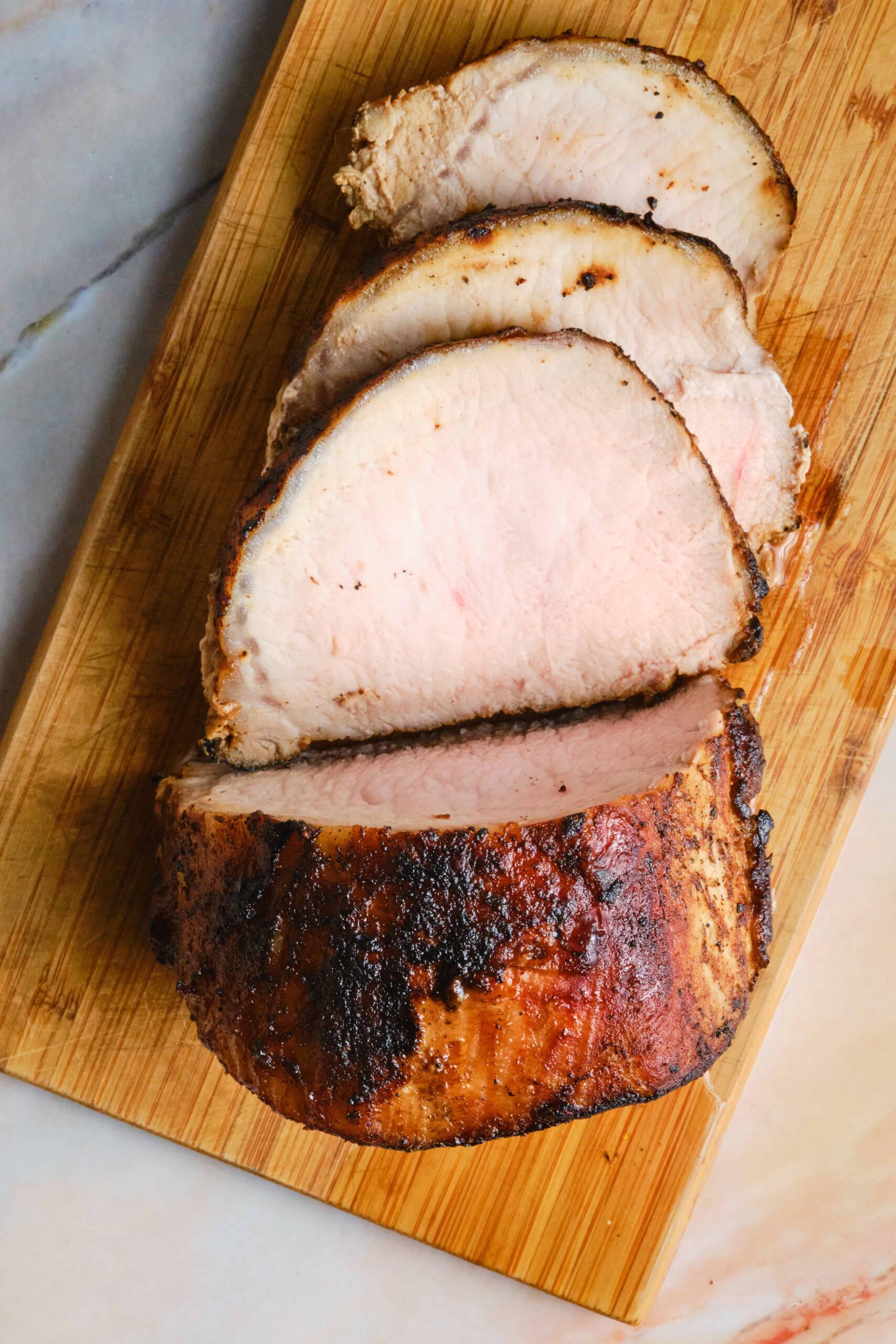
Slice your pork loin against the grain to maximize tenderness. Cutting with the grain makes the meat tougher and chewier, which no one wants.
- Use a sharp carving knife for clean, even slices.
- Aim for slices about ¼-inch thick to keep them juicy and easy to chew.
- Arrange the slices on a warm platter to maintain temperature.
Consider serving with simple sides like grilled vegetables or a fresh salad to complement the smoky flavor. Have you tried drizzling a bit of balsamic glaze or apple chutney over the slices? It adds a surprising burst of flavor that can make your pork loin the star of the meal.
Credit: www.tasteofhome.com
Troubleshooting Common Issues
Cooking pork loin on a charcoal grill can be rewarding, but it often comes with a few challenges. Troubleshooting common issues helps you get the perfect result every time. Knowing how to spot and fix problems quickly can save your meal and impress your guests.
Avoiding Overcooking
Overcooked pork loin turns dry and tough, ruining the juicy texture you want. Keep a reliable meat thermometer handy to check the internal temperature. Aim for 145°F (63°C) and then let the meat rest; it will continue cooking slightly.
If you notice the outside is browning too fast, move the pork loin to indirect heat. This prevents burning while allowing the inside to cook evenly. Also, try wrapping the loin loosely in foil for the last few minutes to lock in moisture.
Dealing With Uneven Cooking
Uneven cooking happens when parts of the pork loin get more heat than others. This is common on charcoal grills with hot spots. Rotate the loin every 10–15 minutes to expose all sides to heat evenly.
Using a two-zone fire setup—one side with direct heat, the other with indirect—gives you better control. Start cooking on the hot side to sear, then move to the cooler side to finish. Have you checked your charcoal arrangement recently? Adjusting it can make a big difference.
Enhancing Flavor
Enhancing the flavor of your pork loin on a charcoal grill is key to creating a memorable meal. The right techniques can deepen the taste and add layers of complexity that make every bite exciting. A well-flavored pork loin invites guests to savor the moment and keeps them coming back for more.
Using Wood Chips For Smoking
Adding wood chips to your charcoal grill introduces an extra smoky dimension to the pork loin. Choose chips like apple, hickory, or cherry to complement the natural pork flavors without overpowering them. Soak the chips in water for at least 30 minutes before placing them on the coals to ensure a slow, steady smoke.
When I first tried cherry wood chips, the subtle sweetness transformed my pork loin, making it taste like it was cooked low and slow for hours. Try mixing different wood chips to find your perfect flavor blend. The key is to keep the smoke light and consistent, so your pork loin absorbs the aroma without becoming bitter.
Pairing With Sauces And Sides
Choosing the right sauces and sides can elevate your grilled pork loin to a new level. Tangy barbecue sauce or a mustard-based glaze can balance the meat’s richness. Consider fresh sides like coleslaw or grilled vegetables to add texture and freshness.
Have you ever paired a smoky pork loin with a simple apple chutney? The contrast between sweet and smoky enhances both flavors beautifully. Don’t be afraid to experiment—sometimes the simplest combinations bring out the best in your pork.
Frequently Asked Questions
How Long To Grill Pork Loin On Charcoal?
Grill pork loin over indirect heat for 20-25 minutes per pound. Maintain a charcoal temperature of 350°F (175°C) for even cooking.
What Internal Temperature Is Safe For Pork Loin?
Cook pork loin to an internal temperature of 145°F (63°C). Let it rest for 3 minutes before slicing and serving.
How To Keep Pork Loin Juicy On The Grill?
Use a meat thermometer to avoid overcooking. Marinate or baste pork loin to retain moisture and enhance flavor.
Should I Use Direct Or Indirect Heat For Pork Loin?
Use indirect heat for pork loin to prevent burning. Sear briefly over direct heat, then move to indirect heat for thorough cooking.
Conclusion
Cooking pork loin on a charcoal grill takes time and care. Aim for a steady heat and cook until the meat reaches 145°F inside. Turn the loin regularly for even cooking and avoid drying it out. Rest the pork for a few minutes before slicing.
This helps keep it juicy and tender. With patience, you can enjoy a delicious, smoky pork loin every time. Keep these tips in mind for your next grilling session. Simple steps lead to great results.