
Cooking pork chops in a convection oven can be quick and easy, but you might wonder exactly how long you should cook them for the best results. You want juicy, tender chops without overcooking or drying them out.
Getting the timing right is key to making your meal delicious and stress-free. You’ll discover the perfect cooking times and helpful tips to make your pork chops come out just right every time. Keep reading, and soon you’ll be serving up mouthwatering pork chops that everyone will love.

Credit: www.101cookingfortwo.com
Choosing The Right Pork Chops
Choosing the right pork chops is key to perfect cooking in a convection oven. The type of chop affects cooking time and flavor. Understanding the differences helps pick the best cut for your recipe. Texture and taste vary between options. Consider bone-in, boneless, thickness, and freshness before cooking.
Bone-in Vs Boneless
Bone-in pork chops hold more flavor during cooking. The bone helps keep the meat juicy and tender. They take slightly longer to cook than boneless chops. Boneless chops cook faster and are easier to cut. They suit quick meals and recipes needing uniform slices.
Thickness Matters
Thicker pork chops need more time in the convection oven. Thin chops cook quickly and can dry out fast. Aim for about 1 to 1.5 inches thick for best results. Adjust cooking times based on chop thickness to avoid overcooking or undercooking.
Fresh Vs Frozen
Fresh pork chops cook evenly and retain moisture better. Frozen chops need thawing before cooking for best texture. Cooking straight from frozen increases cooking time and may cause uneven doneness. Always defrost frozen chops in the fridge overnight for safety.
Benefits Of A Convection Oven
Using a convection oven changes the way you cook pork chops and other meals. It offers clear benefits that can improve your cooking results and save you time in the kitchen. Understanding these advantages helps you get the best from your oven and achieve tastier, perfectly cooked pork chops every time.
Even Heat Distribution
A convection oven circulates hot air with a fan, spreading heat evenly around your food. This means every part of your pork chop cooks at the same rate, avoiding spots that are undercooked or overdone.
Have you ever noticed uneven cooking in a regular oven? With convection, you reduce this problem, so your pork chops come out juicy and consistent from edge to center.
Faster Cooking Times
Thanks to the air movement, convection ovens cook food faster than standard ovens. This speed means you can enjoy your meal sooner without sacrificing quality.
Imagine shaving off 20% of the cooking time for pork chops—that's extra time to relax or prepare side dishes. Faster cooking also helps lock in moisture, keeping your pork tender.
Crispier Exterior
The constant flow of hot air in a convection oven dries the surface of pork chops more efficiently. This creates a nicely browned, crispy crust that adds great texture and flavor.
If you like that perfect sear or crust on your pork chops, convection ovens help you achieve it without extra oil or frying. Why settle for a dull exterior when you can get that mouthwatering crisp?
Preparing Pork Chops For Cooking
Preparing pork chops well makes a big difference in taste and texture. Proper prep helps the meat cook evenly and stay juicy. Taking time to season, marinate, and bring the pork chops to room temperature improves the final result.
Seasoning Tips
Use simple seasonings to enhance the pork’s natural flavor. Salt and black pepper work great. Add garlic powder, paprika, or dried herbs for extra taste. Pat the pork dry before seasoning for better crust formation. Season both sides evenly. Avoid over-salting to keep the meat tender and tasty.
Marinating Options
Marinating adds flavor and helps keep pork chops moist. Use a mix of acid, oil, and spices. Lemon juice, vinegar, or yogurt are good acids. Olive oil helps carry flavors and keeps meat soft. Add garlic, herbs, and spices to the marinade. Let pork sit in the fridge for 30 minutes to 4 hours. Avoid marinating too long to prevent texture changes.
Bringing To Room Temperature
Take pork chops out of the fridge before cooking. Let them sit at room temperature for 20 to 30 minutes. This step helps pork cook evenly inside and out. Cold meat can cook unevenly and become dry. Pat chops dry again before placing in the oven. This ensures a nice sear and better texture.
Optimal Cooking Temperatures
Pork chops cook faster in a convection oven due to even heat circulation. Set the oven to 375°F and cook chops for 20-25 minutes. Use a meat thermometer to ensure they reach 145°F for safe, juicy results.
Cooking pork chops to perfection requires knowing the optimal temperatures for your convection oven. This knowledge can make the difference between a juicy, flavorful meal and a dry, disappointing dish. Let's delve into the essential oven settings and temperature guidelines to ensure your pork chops come out just right every time.
Recommended Oven Settings
When using a convection oven, setting the temperature correctly is crucial. Generally, you should reduce the temperature by about 25°F compared to conventional ovens. For pork chops, this means setting your convection oven to around 325°F to 350°F. Convection ovens circulate hot air, ensuring even cooking, which is perfect for achieving a consistent texture in your pork chops. The lower temperature also helps retain moisture, keeping your chops tender and delicious.
Internal Temperature Targets
Achieving the right internal temperature is key to both safety and taste. The USDA recommends cooking pork chops to an internal temperature of 145°F. This results in a slight pinkness in the center, maximizing juiciness and flavor. Remember, the temperature will continue to rise slightly even after you remove the chops from the oven. Let them rest for a few minutes, allowing the juices to redistribute, which enhances the overall taste.
Using A Meat Thermometer
A meat thermometer is your best friend for cooking pork chops precisely. Insert it into the thickest part of the chop, avoiding bones or fat, for an accurate reading. If you don't have a thermometer yet, it's worth investing in one. It takes the guesswork out of cooking and ensures your pork chops are always cooked to perfection. Have you ever overcooked your pork chops because you relied solely on cooking time? A meat thermometer eliminates this uncertainty, giving you confidence in your cooking results.
Cooking Times For Different Thicknesses
Cooking pork chops in a convection oven requires adjusting the cooking time based on the thickness of the meat. This ensures the chops are juicy and cooked through without drying out. Let’s break down how long you should cook pork chops of different thicknesses for perfect results every time.
Thin Pork Chops (1/2 Inch)
Thin pork chops cook quickly, usually in about 8 to 10 minutes at 400°F (204°C) in a convection oven. Because they are thin, they can dry out fast, so keep a close eye on them. Flipping halfway through helps cook them evenly and keeps the surface from burning.
Have you noticed how thin chops often get overcooked? Using a meat thermometer to check for an internal temperature of 145°F (63°C) can save your dinner.
Medium Thickness (3/4 Inch)
For chops around 3/4 inch thick, plan on cooking for about 12 to 15 minutes at 400°F (204°C). This thickness gives you a nice balance between a seared outside and a juicy center. Turning the chops midway through cooking is key to even heat distribution.
Consider resting the chops for 3 to 5 minutes after cooking. This helps the juices redistribute, making your pork chops tender and flavorful.
Thick Cuts (1 Inch And Above)
Thicker pork chops need more time, usually 18 to 22 minutes at 400°F (204°C) in a convection oven. Because they take longer, you risk drying the edges before the center is done. To avoid this, sear the chops on the stovetop first, then finish in the oven.
Do you often struggle with thick chops being undercooked inside? Using a meat thermometer and aiming for 145°F (63°C) ensures safety and taste without guessing.
Step-by-step Cooking Process
Cooking pork chops in a convection oven can give you a juicy, perfectly cooked meal if done right. The key lies in controlling the temperature and timing carefully. Let’s break down the process to make sure your pork chops come out tender and flavorful every time.
Preheating The Oven
Start by preheating your convection oven to 375°F (190°C). This temperature helps the pork chops cook evenly without drying out. Preheating ensures your pork chops begin cooking immediately once placed inside, sealing in juices for better flavor.
Have you ever noticed uneven cooking when you skip preheating? The oven needs time to stabilize at the right temperature before you put your meat in.
Arranging Pork Chops On The Rack
Place the pork chops on a wire rack set inside a baking sheet. This setup allows hot air to circulate around the chops, promoting even cooking. Make sure the chops aren’t touching each other to avoid steaming instead of roasting.
If you want a crispier edge, brushing the pork chops lightly with oil before placing them on the rack can make a big difference. Don’t forget to season generously with salt, pepper, or your favorite spices.
Checking Doneness
Use a meat thermometer to check the internal temperature of your pork chops. The safe temperature for pork is 145°F (63°C), followed by a 3-minute rest to lock in juices. Checking early prevents overcooking, which can make the meat tough.
Wondering if your pork chops are done before the timer goes off? A quick temperature check is the most reliable way to find out. You’ll avoid the frustration of dry, overcooked meat and enjoy a perfectly juicy bite every time.
Tips For Juicy Pork Chops
Getting juicy pork chops from a convection oven requires more than just setting the timer. Small adjustments during and after cooking can make a big difference in moisture and flavor. Here are some practical tips that can help you keep your pork chops tender and juicy every time.
Resting Time After Cooking
Resting your pork chops after cooking is crucial. Let them sit for about 5 minutes before cutting. This allows the juices to redistribute inside the meat instead of spilling out onto your plate.
Think about it: cutting immediately can cause all those tasty juices to run out. Give your chops a moment to relax, and you'll notice a more flavorful bite.
Avoiding Overcooking
Overcooked pork chops turn dry quickly. Use a meat thermometer to check the internal temperature; aim for 145°F (63°C) for perfectly cooked chops. Cooking them beyond this point risks losing moisture and tenderness.
Convection ovens cook faster and more evenly, so keep an eye on the time and temperature. Have you ever pulled a chop out too late? It’s a lesson in patience and precision.
Adding Moisture During Cooking
Moisture is your best friend when cooking pork chops. Brining or marinating before cooking adds flavor and keeps the meat juicy. You can also baste the chops with butter or a little oil during cooking to maintain moisture.
Another trick is placing a small pan of water in the oven to create steam. This keeps the environment humid and prevents the pork from drying out. Have you tried any of these methods? They might just change your cooking game.
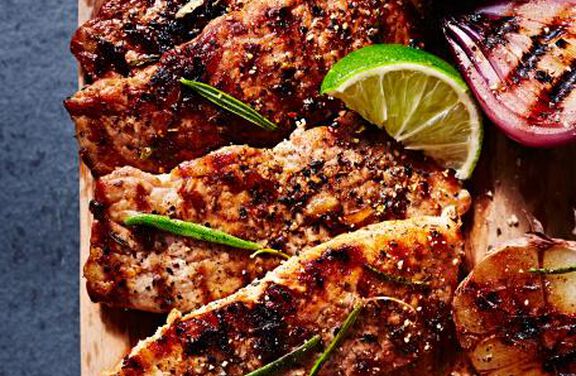
Credit: www.cuisinart.com
Common Mistakes To Avoid
Cooking pork chops in a convection oven can be quick and efficient, but several common mistakes can ruin the texture and flavor. Avoiding these pitfalls ensures your pork chops come out juicy and perfectly cooked every time. Let’s look at the most frequent errors and how you can steer clear of them.
Skipping The Thermometer
Relying solely on cooking times can lead to undercooked or dry pork chops. A meat thermometer takes the guesswork out of the process by showing the exact internal temperature. Aim for 145°F (63°C) followed by a 3-minute rest to ensure safety and juiciness.
I once trusted timing alone and ended up with dry chops that needed a sauce rescue. Since then, I never skip checking the temperature. Do you know the last time you used a meat thermometer?
Overcrowding The Oven
It’s tempting to cook multiple chops at once, but overcrowding blocks air circulation. This can cause uneven cooking, leaving some chops overdone and others undercooked. Leave enough space between each chop so hot air can flow freely.
Think of your convection oven like a busy highway—too many cars cause a jam. Give your pork chops room to breathe for consistent results. How many chops do you usually fit on your baking tray?
Using Incorrect Oven Settings
Convection ovens have multiple settings, but using the wrong one can affect cooking time and texture. Avoid using the broil setting for pork chops as it can burn the outside before the inside cooks through. Instead, select the convection bake mode for even heat distribution.
Also, remember to reduce the temperature by about 25°F compared to conventional oven recipes. Have you double-checked your oven settings before starting?
Serving Suggestions
Serve pork chops with steamed vegetables or a fresh salad to balance flavors. Let them rest for a few minutes after cooking for juicier meat.
Cooking pork chops in a convection oven brings out their juicy flavor. But serving them right elevates the meal. Consider a few key elements to make your dish memorable. Let's explore some serving suggestions that complement your perfectly cooked pork chops.
Complementary Sides
A good side dish enhances the main course. Choose sides that balance the rich flavor of pork chops. Here are a few ideas:
- Mashed potatoes provide a creamy texture.
- Steamed broccoli adds a healthy crunch.
- Roasted carrots bring a touch of sweetness.
- Quinoa salad offers a light, nutty contrast.
Each side dish brings its own unique taste. Choose according to your preference and dietary needs.
Sauce Pairings
The right sauce can elevate your pork chops. Consider these options to add flavor depth:
- Apple sauce delivers a sweet, tangy kick.
- Mushroom gravy offers a savory richness.
- Barbecue sauce gives a smoky, spicy touch.
- Herb butter melts into a creamy delight.
Each sauce pairs uniquely, enhancing the pork's natural flavors.
Presentation Ideas
Presentation makes your meal more appealing. Here are some simple ideas to impress:
- Garnish with fresh herbs for a pop of color.
- Use a white plate to make colors stand out.
- Arrange sides neatly around the pork chop.
- Drizzle sauce artistically over the top.
These small details can make your meal look gourmet.

Credit: www.convectionkitchen.com
Frequently Asked Questions
How Long Do Pork Chops Take In A Convection Oven?
Pork chops typically take 20-25 minutes at 375°F in a convection oven. Cooking time varies by thickness. Always check internal temperature for doneness.
What Temperature Is Best For Cooking Pork Chops?
Set the convection oven to 375°F for juicy, evenly cooked pork chops. This temperature balances thorough cooking without drying the meat.
How Can I Tell When Pork Chops Are Done?
Pork chops are done when the internal temperature reaches 145°F. Use a meat thermometer for accuracy and let them rest before serving.
Should I Cover Pork Chops While Cooking In A Convection Oven?
Covering pork chops is optional. Uncovered chops get a crispy exterior, while covered chops stay moist. Choose based on your preferred texture.
Conclusion
Cooking pork chops in a convection oven saves time and cooks evenly. Set the temperature to 375°F and cook for about 20-25 minutes. Check the internal temperature to ensure it reaches 145°F for safety. Let the chops rest a few minutes before serving.
This method keeps the meat juicy and tender. You can enjoy a delicious meal with minimal effort. Try this cooking time for perfectly cooked pork chops every time. Simple, quick, and tasty results.


