Are you ready to master the art of cooking pork belly on your gas grill? Knowing exactly how long to cook pork belly can make the difference between a juicy, tender meal and a tough, disappointing one.
You want that perfect crispy skin and melt-in-your-mouth texture every time. You’ll discover the ideal cooking time and tips to get your pork belly just right. Keep reading, and soon you’ll impress your friends and family with pork belly cooked to perfection on your gas grill.
Choosing The Right Pork Belly
Choosing the right pork belly is the first step to delicious results on a gas grill. The cut you pick affects the taste, texture, and cooking time. Freshness and quality matter a lot. Good pork belly has a balance of meat and fat. This balance helps keep the meat juicy and tender during grilling.
Selecting Quality Cuts
Look for pork belly with firm, pinkish-red meat. The fat should be white and evenly spread. Avoid cuts with a grayish color or strong smell. Thickness plays a role too. Thicker cuts take longer to cook but stay moist. Thin cuts cook faster but risk drying out. Choose a cut that fits your cooking style and time.
Preparing The Pork Belly
Remove the skin if you want crispy crackling. Some prefer to leave it on for extra flavor. Score the fat with a sharp knife in a crosshatch pattern. This helps fat render and crisp up evenly. Pat the pork belly dry with paper towels. Season well with salt and spices. Let it rest at room temperature before grilling. This ensures even cooking from edge to center.
Setting Up Your Gas Grill
Setting up your gas grill correctly is key to cooking perfect pork belly. Proper setup ensures even cooking and great flavor. You need to control the heat carefully and prepare the grill before placing the meat. Knowing how to use direct and indirect heat zones helps cook the pork belly thoroughly without burning it.
Preheating Tips
Start by cleaning the grill grates well. Turn on all burners and close the lid. Let the grill heat up for 10 to 15 minutes. Aim for a temperature around 250°F to 300°F. Use a grill thermometer for accuracy. Preheating helps the grill reach steady heat. It also prevents the pork belly from sticking to the grates.
Direct Vs Indirect Heat
Set one side of your grill to high heat and the other to low or off. Place the pork belly on the cooler side first. This slow cooks the meat and renders the fat. Move it to the hot side near the end for crisping the skin. Using both heat zones controls cooking speed and texture. This method avoids flare-ups and burnt spots.
Cooking Times For Pork Belly
Cooking pork belly on a gas grill requires attention to time and temperature. The cooking time depends on the method you choose. Slow cooking makes the meat tender and juicy. High heat gives a crispy outside and seals the flavors quickly. Knowing the right times helps avoid undercooked or dry pork belly.
Low And Slow Method
Cook pork belly at a low temperature for a long time. Set the grill to about 225°F (107°C). This method takes about 2.5 to 3 hours. It breaks down the fat and connective tissues. The result is soft, tender meat that melts in your mouth.
Keep the grill covered to keep the heat steady. Use a meat thermometer to check the internal temperature. Aim for 190°F (88°C) for the best texture. Let the pork belly rest after cooking. This helps the juices settle and makes the meat juicy.
High Heat Searing
Start with high heat to create a crispy crust. Heat the grill to 400°F (204°C) or higher. Sear the pork belly for 3 to 5 minutes per side. This locks in the juices and adds a nice crunch.
After searing, reduce the heat to medium or move the pork to indirect heat. Continue cooking for 45 to 60 minutes. The goal is to cook through without burning. Use a thermometer to check for 190°F (88°C) inside.
This method combines crispy outside and tender inside. Watch the pork closely to avoid flare-ups. Turn it regularly for even cooking and perfect color.

Credit: easyhealthyrecipes.com
Checking Doneness
Check for a crispy skin and tender meat to know pork belly is done. Use a meat thermometer to ensure it reaches 145°F inside. Cooking time varies, but usually takes about 1. 5 to 2 hours on a gas grill.
Cooking pork belly on a gas grill is an art that demands attention to detail, especially when checking for doneness. Ensuring that your pork belly is perfectly cooked is crucial not only for taste but also for safety. But how do you know when it's just right? Here, we delve into the essential aspects of checking doneness, so your pork belly is both safe to eat and irresistibly delicious.
Internal Temperature Guide
Using a meat thermometer is your best ally in achieving perfectly cooked pork belly. Insert the thermometer into the thickest part of the meat, ensuring it doesn't touch the bone or fat for an accurate reading. Aim for an internal temperature of 195°F to 205°F; this range ensures the pork belly is tender and juicy.
Visual And Texture Indicators
Beyond temperature, your senses can guide you in determining doneness. Look for a golden-brown crust that indicates a well-rendered fat layer. The texture should be tender yet firm, offering a slight resistance when pierced with a fork. Don't rely solely on time; each pork belly is different, and grilling conditions vary. Trust your thermometer and your senses to achieve perfection. Have you ever noticed how the aroma intensifies just as the pork belly reaches its peak? That's your cue that it's nearly ready to savor.
Resting And Serving
Resting and serving pork belly after grilling is just as important as the cooking process itself. Allowing the meat to rest helps the juices redistribute, making each bite tender and flavorful. How you serve it can elevate your meal from good to unforgettable.
Resting Time Recommendations
After removing pork belly from the gas grill, let it rest for about 10 to 15 minutes. This short pause allows the internal juices to settle, preventing them from spilling out when you cut into the meat. Wrapping the pork belly loosely in foil during this time keeps it warm without steaming the crispy skin.
If you cut too soon, the meat can become dry and lose flavor. Have you noticed how rested meat always tastes juicier? That’s the science behind resting, so don’t skip this crucial step.
Serving Suggestions
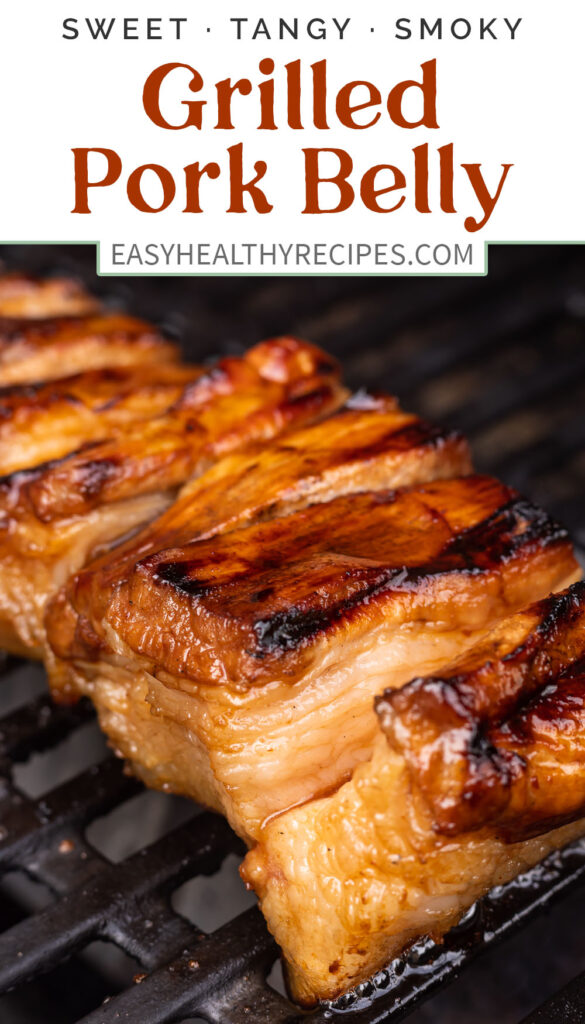
Serve your pork belly sliced thin to showcase its layers of crisp skin and tender meat. It pairs beautifully with simple sides like grilled vegetables, pickled cucumbers, or a fresh green salad. The acidity in pickles or salads cuts through the richness, balancing the flavors on your plate.
For a twist, try serving it over steamed rice with a drizzle of soy sauce and a sprinkle of chopped scallions. You can also wrap slices in lettuce leaves with a bit of spicy sauce for a hands-on, flavorful bite. What’s your favorite way to enjoy pork belly after grilling?
Credit: mobile.indigo-loves-sienna.com
Common Mistakes To Avoid
Cooking pork belly on a gas grill can be tricky. Avoiding common mistakes helps achieve juicy, flavorful meat. Many beginners make errors that affect taste and texture. Knowing what to watch for saves time and frustration. Here are key mistakes to avoid for perfect pork belly every time.
Overcooking
Overcooking pork belly dries out the meat. It becomes tough and loses its natural juiciness. The skin may burn and turn bitter. Cooking too long at high heat is a common cause. Always monitor the temperature and use a meat thermometer. Aim for tender meat with crispy skin.
Undercooking
Undercooked pork belly is unsafe and unpleasant. The meat can be chewy and fatty inside. It may not reach the right internal temperature for safety. Always cook pork belly until it reaches at least 145°F (63°C). Check the thickest part of the meat with a thermometer. Patience is key for even cooking.
Improper Heat Management
Gas grills often have hot spots that burn food quickly. Uneven heat causes parts of the pork belly to cook faster. This leads to uneven texture and taste. Use indirect heat for slow, even cooking. Adjust grill burners to control temperature zones. Rotate the meat to cook all sides evenly.
Flavor Enhancements
Enhancing the flavor of pork belly on a gas grill turns a simple cookout into a memorable meal. The right additions can bring out the meat’s natural richness while adding layers of complexity. You can experiment with different tastes to find what suits your palate best and keeps your guests asking for more.
Marinades And Rubs
Marinades help tenderize pork belly and infuse it with vibrant flavors. A mix of soy sauce, honey, garlic, and ginger creates a balance of sweet and savory that seeps deep into the meat. Let it soak for at least two hours, or overnight if you have time, to maximize flavor penetration.
Dry rubs offer a quick and effective way to add texture and seasoning. A simple blend of salt, black pepper, smoked paprika, and brown sugar forms a crispy, flavorful crust once grilled. Don’t be afraid to add a pinch of cayenne if you like a little heat—it wakes up the taste buds without overpowering the pork.
Smoking Options On Gas Grill
You can add a smoky dimension to your pork belly even on a gas grill. Use a smoker box filled with wood chips like apple or hickory, placed directly on the burner. This method imparts a subtle smokiness that complements the pork’s fattiness perfectly.
If you don’t have a smoker box, wrap soaked wood chips in aluminum foil and poke holes to release smoke. Position this packet near the heat source and close the lid to trap the smoke inside. Have you tried mixing different wood chips to create your own signature flavor? It’s a simple trick that can turn your grill into a flavor powerhouse.

Credit: easyhealthyrecipes.com
Frequently Asked Questions
How Long Does Pork Belly Take On A Gas Grill?
Pork belly usually takes 1. 5 to 2 hours on a gas grill. Cook it over indirect medium heat at 275°F. Use a meat thermometer to reach 190°F internal temperature for tender, juicy results.
What Temperature Should I Grill Pork Belly At?
Grill pork belly at a steady 275°F for best results. This moderate temperature ensures slow cooking, rendering fat, and a crispy outer layer without burning.
Should Pork Belly Be Cooked Covered Or Uncovered?
Cook pork belly covered during the initial phase to retain moisture. Uncover in the last 20-30 minutes to crisp the skin and develop a golden crust.
How Do I Check If Pork Belly Is Fully Cooked?
Use a meat thermometer to check doneness. Pork belly is fully cooked at an internal temperature of 190°F, ensuring tenderness and safety.
Conclusion
Cooking pork belly on a gas grill takes time and patience. Aim for about 1. 5 to 2 hours at low heat. Keep the grill temperature steady around 250°F to 275°F. Turn the pork belly occasionally for even cooking. Use a meat thermometer to check for an internal temperature of 195°F.
This ensures tender, juicy meat with crispy skin. Rest the pork belly for 10 minutes before slicing. This simple method gives delicious results every time. Enjoy your perfectly grilled pork belly with friends and family.