You’ve got your pizza stone ready, your dough rolled out, and your toppings perfectly arranged. But now comes the big question: how long should you cook your pizza on that stone to get the perfect crust and melty cheese?
Cooking pizza on a stone can make all the difference, giving you a crispy, restaurant-quality slice right at home. Yet, timing it just right can be tricky. Stick with me, and you’ll learn exactly how long to cook your pizza on a pizza stone so every bite is deliciously satisfying.
Let’s make sure your next homemade pizza turns out just the way you want it.
Choosing The Right Pizza Stone
Choosing the right pizza stone affects cooking time and pizza quality. A good stone holds heat well and cooks pizza evenly. It prevents soggy crusts and helps achieve a crispy base. Consider material, size, and preheating to pick the best stone for your oven.
Material Types
Pizza stones come in various materials. Common options include ceramic, cordierite, and cast iron. Ceramic stones heat evenly but may crack under sudden temperature changes. Cordierite stones resist thermal shock and last longer. Cast iron stones heat fast and retain heat well but require seasoning to prevent rust.
Size And Thickness
Choose a stone size that fits your oven. It should allow air to circulate for even heat. Larger stones take longer to heat but cook pizzas more evenly. Thickness matters too. Thin stones heat quickly but cool fast. Thick stones hold heat longer but take more time to preheat.
Preheating Tips
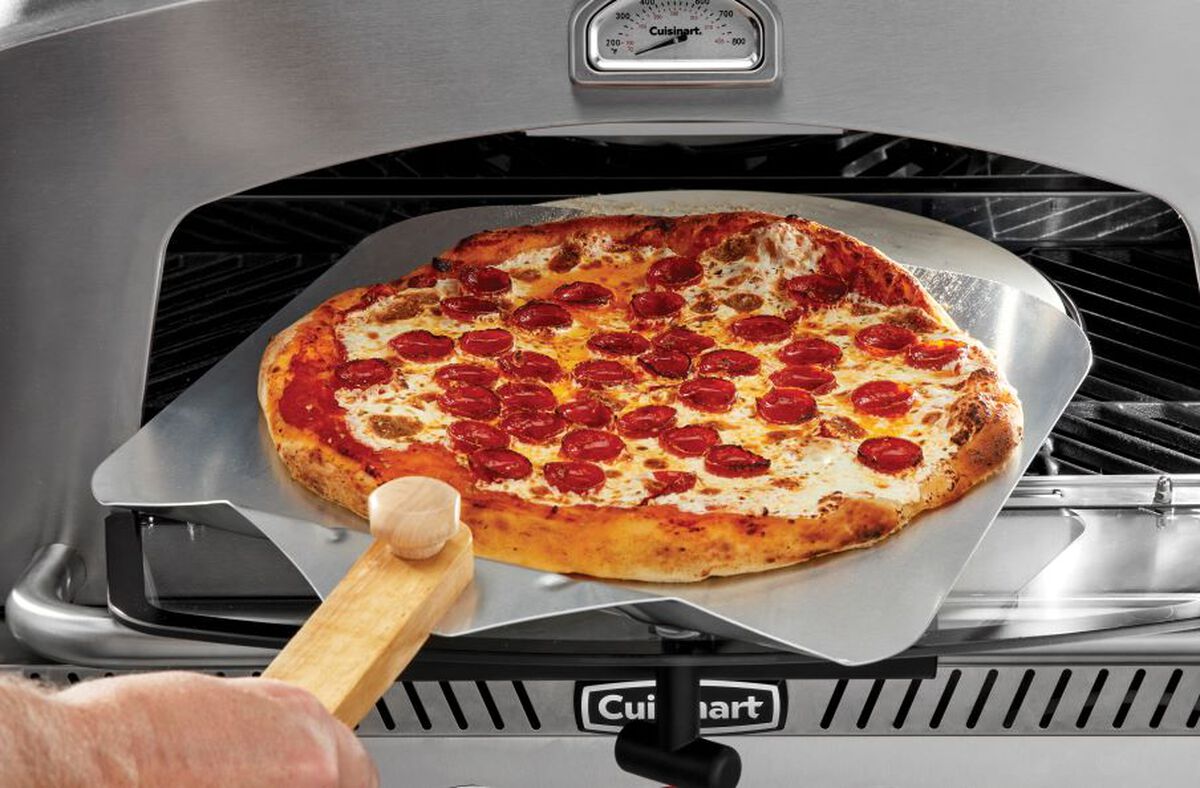
Preheat your pizza stone before cooking. Place it in a cold oven and heat to the desired temperature. Wait at least 30 minutes for the stone to absorb heat fully. Use an oven thermometer to check temperature accuracy. Proper preheating ensures the pizza cooks evenly and the crust crisps nicely.
Credit: www.cuisinart.com
Preparing Your Pizza For The Stone
Getting your pizza ready for the stone is more than just slapping toppings on dough. The way you prepare influences the final texture and taste, especially when using a hot pizza stone. Paying attention to a few key details can help you avoid common pitfalls like soggy crust or uneven cooking.
Dough Thickness And Toppings
Think about how thick your dough is before placing it on the stone. Thicker dough takes longer to cook through, which can lead to burnt toppings or an undercooked center. I once rushed a thick crust pizza, and the cheese was bubbling while the dough stayed doughy underneath.
Also, be mindful of how many toppings you add. Heavy toppings slow down cooking and add moisture, which may prevent the crust from crisping. Try to balance toppings—less is often more for stone-baked pizzas.
Using Flour Or Cornmeal
Sprinkling your pizza peel with flour or cornmeal helps slide the pizza onto the stone smoothly. Cornmeal adds a nice crunch and prevents sticking better than regular flour in my experience. It acts like tiny ball bearings, letting the dough glide easily.
Be careful not to overdo it, though. Too much flour or cornmeal can burn on the stone and affect the pizza’s flavor. A light, even dusting is enough to keep things moving.
Avoiding Sogginess
Soggy crust ruins the pizza stone experience. To keep your crust crisp, avoid watery toppings like fresh tomatoes or too much sauce. You can also pre-bake the dough for a couple of minutes on the stone before adding toppings to firm it up.
Another trick is to pat dry any fresh vegetables or meats before topping. Moisture is the enemy here, and controlling it makes a huge difference in the final bite. Have you tried these steps? You might find your homemade pizza competing with your favorite pizzeria.
Optimal Oven Temperature
Getting the oven temperature just right is key to cooking pizza perfectly on a pizza stone. Too low, and your crust might turn out soggy. Too high, and you risk burning the toppings before the dough is cooked through.
Finding the optimal oven temperature helps you achieve a crisp, evenly cooked pizza with a golden crust. But how do you know what temperature works best for your oven and pizza stone? Let’s break it down.
Standard Temperature Ranges
Most pizza stones perform best between 450°F to 500°F (230°C to 260°C). This range allows the stone to retain heat and cook the dough quickly while crisping the crust.
If you prefer a thinner crust, leaning toward the higher end of this range can give you a faster bake and crunchier texture. Thicker or deep-dish styles may need a slightly lower temperature to cook through without burning.
- 450°F – Ideal for thicker crusts
- 475°F – Balanced temperature for most pizzas
- 500°F – Best for thin, crispy crusts
Adjusting For Different Ovens
Not all ovens heat the same. Some have hot spots or inaccurate thermostats that can affect your pizza’s cooking time and quality.
If your oven runs hot, try lowering the temperature by 25°F and watch how your pizza cooks. Conversely, if your oven heats unevenly, rotate the pizza halfway through baking to avoid burnt edges.
Remember, electric ovens generally maintain steady heat better than gas ovens, which might need more frequent checks.
Using A Thermometer
Relying on your oven's built-in thermometer isn’t always accurate. An inexpensive oven thermometer placed inside can give you a clearer picture of the true temperature.
Check the thermometer before preheating your pizza stone so you know when the oven has reached the right heat. This helps avoid surprises like undercooked dough or burnt toppings.
Have you ever pulled out a pizza that looked perfect but tasted doughy inside? Using a thermometer can prevent that.

Credit: www.pitboss-grills.com
Timing Your Pizza On The Stone
Cooking pizza on a stone brings a unique crispness and flavor. But timing is crucial. Different factors affect how long your pizza should stay on the stone. Understanding these can help you achieve the perfect pizza. Let's explore these factors in more detail.
Typical Cooking Times
Most pizzas cook in 8-12 minutes on a stone. Preheat the oven to 475°F (245°C). Ensure the stone is hot before placing the pizza. Thin crusts cook faster, around 8 minutes. Thick crusts take closer to 12 minutes.
Signs Of Doneness
Look for a golden-brown crust. The cheese should be bubbly and slightly browned. The bottom should be firm and crisp. Lift the edge with a spatula to check.
Adjusting Time For Thickness
Thicker dough needs more time. Add 2-3 extra minutes for deep-dish styles. Thin crusts may need less time. Check often to avoid burning.
Techniques For Crispy Crust
Achieving a crispy crust on your pizza stone requires more than just setting the timer. It’s about how you manage heat, toppings, and the pizza’s position during baking. These techniques help create that perfect crunch you crave with every bite.
Rotating The Pizza
Rotating your pizza halfway through cooking ensures even exposure to the heat from your stone. Pizza stones often have hot spots, so turning your pizza helps avoid burnt edges or undercooked spots.
Try rotating your pizza every 3 to 4 minutes. This simple step can make a huge difference in getting a uniformly crispy crust without overcooking one side.
Using High Heat
High heat is essential for a crispy crust on a pizza stone. Temperatures between 475°F and 500°F work best to quickly crisp the dough while keeping the inside tender.
Preheat your stone for at least 30 minutes to ensure it’s evenly hot. Have you ever noticed how home ovens can take longer to reach the right heat? Don’t rush this part.
Avoiding Overloading Toppings
Too many toppings add moisture and weight, which can prevent the crust from getting crispy. Keep toppings light and evenly spread to allow heat to penetrate the dough properly.
Think about your favorite pizzeria’s thin, crispy crusts—they don’t pile on endless toppings. What’s your ideal topping balance to get that crunch without sogginess?
Troubleshooting Common Issues
Using a pizza stone can transform your homemade pizza, but it comes with its own set of challenges. Troubleshooting common issues can save you from frustration and improve your results. Let’s look at some frequent problems and how you can fix them to enjoy perfectly cooked pizza every time.
Uneven Cooking
Uneven cooking often happens when the stone isn’t heated properly or the oven temperature fluctuates. Make sure to preheat your pizza stone for at least 30 minutes to allow it to reach an even temperature.
Also, avoid opening the oven door too often, as this causes temperature drops. If you notice some spots cooking faster, try rotating your pizza halfway through the baking process to promote even heat distribution.
Burnt Bottoms
Burnt bottoms usually mean the stone is too hot or the pizza is too close to the heat source. Try raising your oven rack a notch higher to create more distance between the stone and the heating element.
You can also reduce the oven temperature by 25 degrees Fahrenheit and bake the pizza a bit longer. If you’ve experienced this, have you adjusted your rack position or temperature before? These small tweaks can make a big difference.
Sticking To The Stone
Pizza sticking to the stone is frustrating but easy to fix. Always use a light dusting of cornmeal or flour on the stone before placing your dough on it.
Another tip is to avoid using too wet or sticky dough, which increases the chance of sticking. If you’ve had this problem, how do you prepare your dough? Sometimes adjusting the dough’s hydration can prevent sticking entirely.
Maintaining And Cleaning Your Pizza Stone
Maintaining and cleaning your pizza stone helps it last longer and perform better. Proper care keeps the stone free from old food and odors. It also prevents damage like cracks or warping. A well-maintained stone ensures your pizza cooks evenly and tastes great every time.
Cleaning Methods
Let the stone cool completely before cleaning. Avoid using soap or detergent; it can soak into the stone and change the flavor of your food. Use a scraper or brush to remove stuck-on bits. Wipe the surface with a damp cloth or sponge. For tough stains, make a paste of baking soda and water. Gently scrub the area, then rinse with water. Dry the stone completely before storing.
Avoiding Cracks
Do not expose the stone to sudden temperature changes. Avoid placing a cold stone into a hot oven or vice versa. Heat the stone gradually by preheating the oven with it inside. Use oven mitts to handle the stone safely. Never soak the stone in water for a long time. Avoid dropping or banging the stone on hard surfaces.
Storage Tips
Store the pizza stone in a dry, cool place. Keep it away from heavy items that can cause damage. Place a paper towel or cloth between stacked stones to prevent scratches. Avoid storing the stone in a damp area to stop mold growth. Regularly check the stone for any signs of wear or cracks.

Credit: granitestone.com
Frequently Asked Questions
How Long Should I Preheat My Pizza Stone?
Preheat your pizza stone for at least 30 to 45 minutes at 475°F (245°C). This ensures even heat distribution. Proper preheating helps achieve a crispy crust and evenly cooked toppings.
What Is The Ideal Baking Time For Pizza On A Stone?
Bake your pizza for 8 to 12 minutes on a preheated pizza stone. Cooking time varies by thickness and toppings. Keep an eye on the crust and cheese for doneness.
Can I Cook Frozen Pizza On A Pizza Stone?
Yes, you can cook frozen pizza on a pizza stone. Preheat the stone thoroughly and bake for 12 to 15 minutes. This method improves crust crispiness compared to baking on a tray.
Does Pizza Stone Temperature Affect Cooking Time?
Yes, higher stone temperatures reduce cooking time. A hotter stone (around 500°F) cooks pizza faster, usually in 6 to 8 minutes. Lower temperatures require longer baking to avoid undercooked crust.
Conclusion
Cooking pizza on a stone takes practice and patience. Preheat the stone well for even heat. Usually, pizza cooks in 8 to 12 minutes. Watch the crust for a golden color and cheese for bubbling. Adjust time based on pizza thickness and oven strength.
A hot stone makes the crust crisp and tasty. Keep checking to avoid burning. Enjoy fresh, homemade pizza with a perfect crust every time. Simple steps lead to great results. Give it a try and taste the difference.