If you’ve ever wondered how long to cook oxtails in a slow cooker, you’re in the right place. Getting that perfect, tender, melt-in-your-mouth texture can be tricky if you don’t know the right timing.
Too short, and the meat stays tough; too long, and you risk losing flavor. You’ll discover the ideal cooking times and tips to make your oxtail dish absolutely delicious every time. Keep reading to unlock the secret to slow-cooked perfection!

Credit: soulofacook.com
Choosing The Right Oxtails
Choosing the right oxtails is the first step toward making a rich, flavorful slow-cooked meal. The quality and type of oxtails you select will affect both cooking time and final taste. Understanding the differences between fresh and frozen options, as well as the various sizes and cuts, helps you plan your recipe more effectively.
Fresh Vs Frozen Oxtails
Fresh oxtails tend to have a better texture and flavor after slow cooking. They usually come with a more vibrant color and less freezer burn, which can enhance your dish. However, frozen oxtails are often more convenient and available year-round.
If you use frozen oxtails, make sure to thaw them completely before adding to your slow cooker. Thawing helps avoid uneven cooking and extends the time needed to get the meat tender. Have you noticed a difference in taste when using fresh versus frozen meat in your recipes?
Size And Cut Variations
Oxtails come in different sizes and cuts, which affects how long they take to cook. Larger, thicker pieces require a longer cooking time to become tender, while smaller cuts cook faster. Knowing the size helps you adjust your slow cooker settings and avoid undercooked or overly mushy results.
When shopping, look for oxtails with a good amount of meat around the bone. Some cuts have more bone than meat, which may change your portion sizes. Do you prefer your oxtails more meaty or with extra marrow for that rich, gelatinous texture?
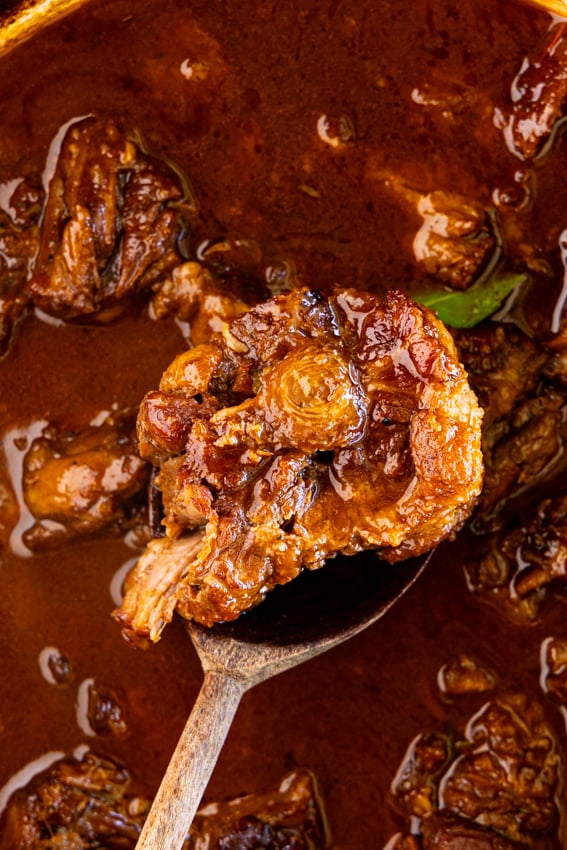
Credit: simply-delicious-food.com
Preparing Oxtails For Slow Cooking
Preparing oxtails for slow cooking sets the foundation for a rich and tender meal. Proper preparation enhances flavor and texture. It helps the meat cook evenly and absorb spices better. Taking time on these steps improves the final dish greatly.
Trimming And Seasoning
Start by trimming excess fat from the oxtails. Remove any silver skin or loose bits. This prevents grease and tough textures in the dish. Pat the meat dry with paper towels to help seasoning stick well.
Season the oxtails generously. Use salt, pepper, garlic powder, and herbs like thyme or rosemary. Rub the spices all over each piece. This builds a deep flavor that develops during slow cooking.
Browning Techniques
Browning oxtails adds color and boosts taste. Heat a skillet or pan over medium-high heat. Add a small amount of oil. Place oxtails in the pan without crowding. Brown each side for 3 to 5 minutes until golden.
This step creates a crust that locks in juices. It also forms rich browned bits on the pan. Scrape these bits later into the slow cooker for extra flavor. Browning is worth the extra effort before slow cooking.
Slow Cooker Settings And Timing
Choosing the right slow cooker settings and timing is key to tender, flavorful oxtails. The heat level you select not only affects cooking time but also influences texture and taste. Understanding the differences between low and high heat can help you get the best results from your slow cooker.
Low Vs High Heat
Cooking oxtails on low heat allows the meat to soften gradually, breaking down tough connective tissues over several hours. This slow process creates a rich, melt-in-your-mouth texture that’s hard to beat.
High heat speeds up the cooking process but can sometimes make the meat less tender if not monitored closely. It’s ideal if you’re short on time but want to avoid drying out the meat.
- Low heat:Best for deep flavor and tender meat, but requires patience.
- High heat:Faster cooking, good for busy days, but watch the texture carefully.
Recommended Cooking Times
| Setting | Cooking Time | Result |
|---|---|---|
| Low | 8 to 10 hours | Exceptionally tender, rich flavor |
| High | 4 to 6 hours | Good tenderness, quicker meal |
Ever tried cooking oxtails on high heat and found them a bit chewy? Adjusting to low heat next time might surprise you with how much softer and tastier they become. Which slow cooker setting fits your schedule and taste better?
Checking For Perfect Tenderness
Check tenderness by piercing oxtails with a fork; they should feel soft and easy to pull apart. If tough, cook longer in the slow cooker. Perfect tenderness means the meat falls off the bone without resistance.
Cooking oxtails in a slow cooker is a culinary delight. Achieving the perfect tenderness requires patience and a bit of know-how. The key is to ensure the meat becomes succulent and falls off the bone effortlessly. Understanding the signs of doneness and how to test meat texture will help you achieve perfection.
Signs Of Doneness
Oxtails should be tender, not chewy. The meat should pull away from the bone easily. A fork inserted into the meat should slide in with little resistance. The color should be deep and rich, indicating full absorption of flavors.
Testing Meat Texture
Use a fork to test tenderness. Gently twist the fork in the meat. If it breaks apart easily, it's done. Press the meat between your fingers. It should feel soft and easy to separate. If the meat is still tough, continue cooking. Check every 30 minutes until desired tenderness.
Enhancing Flavor During Cooking
Enhancing the flavor of oxtails during slow cooking transforms a simple dish into a rich, hearty meal. The slow cooker brings out deep, tender textures. But the real magic happens with the ingredients added alongside the meat. These ingredients release flavors slowly, blending into the oxtails over time.
Choosing the right elements ensures every bite is full of taste. Fresh vegetables and aromatic herbs infuse the dish with natural sweetness and earthiness. Liquids like broths and sauces add layers of complexity and moisture. Together, they create a balanced and satisfying flavor profile.
Adding Vegetables And Aromatics
Vegetables add natural sweetness and texture to slow-cooked oxtails. Common choices include onions, carrots, and celery. These soften and release their flavors during cooking. Garlic and herbs like thyme or bay leaves give a fragrant aroma. Adding whole spices like peppercorns can boost flavor complexity.
Chop vegetables into large pieces. They break down slowly without turning mushy. Place aromatics under the meat for better flavor infusion. These ingredients soak up the juices, enriching the entire dish.
Using Broths And Sauces
Broths provide a savory base for slow cooking oxtails. Beef or vegetable broth adds depth and moisture. Use low-sodium versions to control salt levels. Sauces like tomato paste or Worcestershire sauce deepen flavor and add richness.
Pour enough liquid to cover half the meat. This prevents drying and helps tenderize the oxtails. During cooking, the meat absorbs these liquids, becoming juicy and flavorful. Experimenting with different broths and sauces creates unique taste profiles.
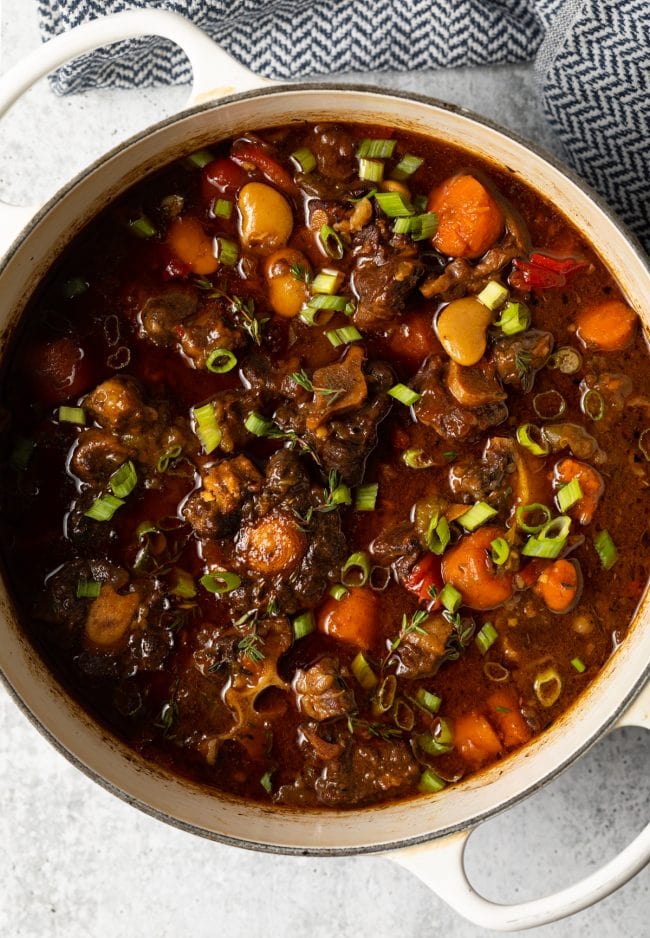
Credit: www.aspicyperspective.com
Serving And Storing Oxtails
Serving and storing oxtails properly keeps their rich flavors and tender texture intact. Knowing the right ways to present and save your slow-cooked oxtails helps you enjoy every bite. It also ensures food safety and reduces waste.
Best Serving Suggestions
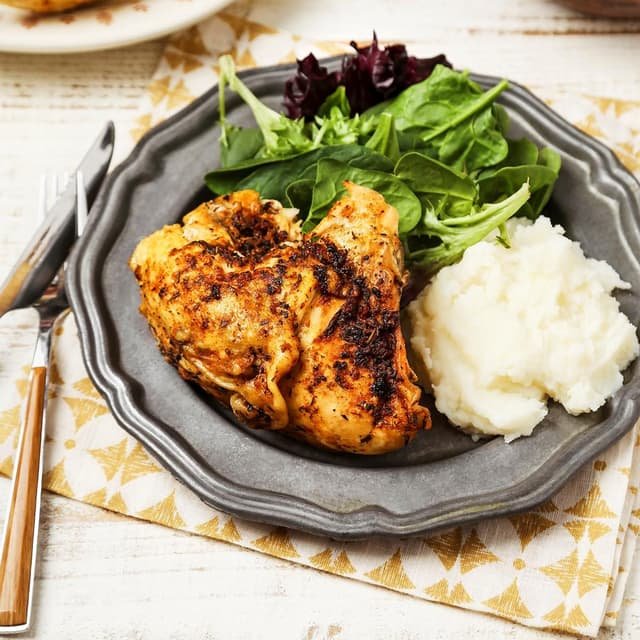
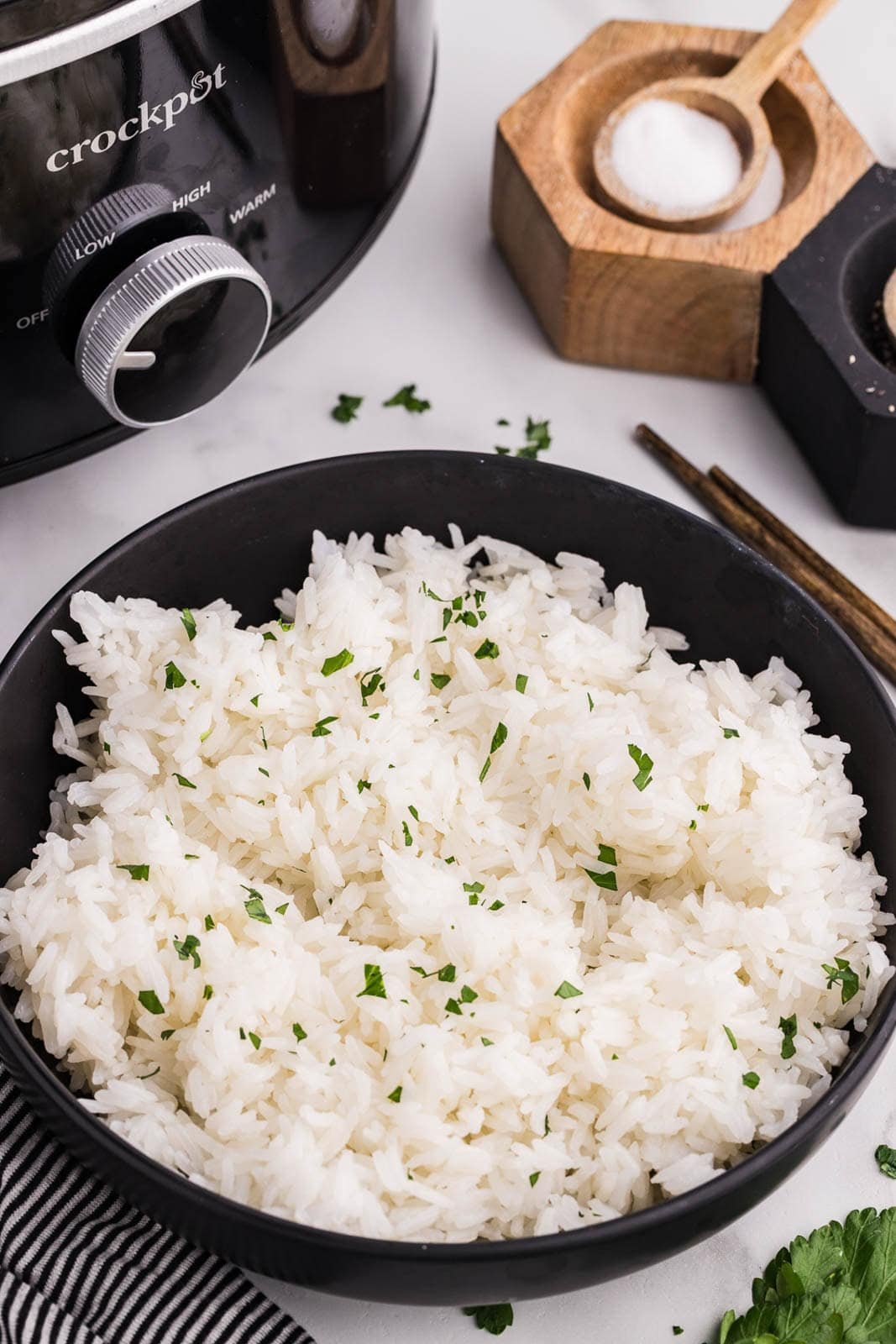
Oxtails pair well with hearty sides. Try serving them over creamy mashed potatoes. Rice or polenta also soak up the delicious sauce beautifully.
Add steamed vegetables for balance. Carrots, green beans, or collard greens complement the rich meat. Garnish with fresh herbs like parsley or thyme to brighten the dish.
For extra flavor, offer hot sauce or mustard on the side. This adds a nice contrast to the savory oxtails. A crusty bread roll helps scoop up every bit of the sauce.
Storing Leftovers Safely
Cool oxtails quickly before storing. Place them in shallow containers and refrigerate within two hours. Store in airtight containers to keep moisture and flavors locked in.
Use leftovers within 3 to 4 days for best taste and safety. To freeze, wrap tightly in freezer-safe bags or containers. Label with the date and use within 3 months.
Reheat leftovers gently. Heat on low in a saucepan or microwave until steaming hot. Avoid overheating to keep the meat tender and juicy.
Frequently Asked Questions
How Long Should Oxtails Cook In A Slow Cooker?
Oxtails typically cook in a slow cooker for 8 to 10 hours on low heat. This slow cooking makes the meat tender and flavorful. Cooking on high heat usually takes 4 to 6 hours but may not be as tender.
Can I Cook Frozen Oxtails In A Slow Cooker?
It is not recommended to cook frozen oxtails directly in a slow cooker. Thaw them first to ensure even cooking and food safety. Cooking from frozen can extend cooking time and risk unevenly cooked meat.
What Is The Best Slow Cooker Setting For Oxtails?
The best setting for cooking oxtails is low heat for 8 to 10 hours. This gentle cooking breaks down connective tissue, making the meat tender. High heat can be used but requires careful timing.
How Do I Know When Oxtails Are Fully Cooked?
Oxtails are fully cooked when the meat is tender and easily falls off the bone. The internal temperature should reach at least 160°F (71°C). The meat should be soft and flavorful after slow cooking.
Conclusion
Cooking oxtails in a slow cooker takes time but is worth it. Aim for 8 to 10 hours on low heat for tender meat. This slow cooking method breaks down the tough parts well. You get rich flavors and a soft texture every time.
Be patient and let the cooker do its work. Serve with your favorite sides for a hearty meal. Slow-cooked oxtails make comfort food easy and delicious. Try it soon and enjoy the tasty results.