Cooking meatloaf in a convection oven can save you time and give your dish a perfectly even bake. But how long should you actually cook it?
If you’ve ever wondered about the exact timing to get that juicy, tender meatloaf without drying it out, you’re in the right place. This guide will help you master the cooking time, so your meatloaf turns out just right every time.
Keep reading to discover the simple tips that will make your next meatloaf a hit.
Convection Oven Basics
Understanding the basics of a convection oven can change the way you cook your meatloaf. Unlike traditional ovens, convection ovens use a fan to circulate hot air evenly. This simple difference affects cooking time, temperature, and the overall texture of your dish.
How It Differs From Conventional Ovens
Convection ovens have a built-in fan and exhaust system that blow and pull air around the food. This constant air movement helps heat your meatloaf more evenly and quickly.
Conventional ovens rely on radiant heat from the oven walls, which can create hot spots. These hot spots might cause uneven cooking, leaving some parts undercooked while others overdone.
Have you noticed how sometimes the edges of your meatloaf cook faster than the center? That’s a sign your oven might not be circulating heat well, something convection ovens fix effectively.
Benefits For Cooking Meatloaf
Using a convection oven reduces cooking time by about 25%. This means your meatloaf will be done faster without sacrificing juiciness or flavor.
The circulating air also helps create a nicely browned crust on the outside of the meatloaf. This texture contrast adds a satisfying bite that many conventional ovens struggle to achieve.
Another benefit is better temperature control, which reduces the risk of drying out the meatloaf. You’ll enjoy a tender and moist center every time.
Have you ever struggled with a soggy or undercooked meatloaf? Switching to a convection oven might be the simple change you need to fix those problems.
Credit: www.cuisinart.com
Choosing The Right Meatloaf Recipe
Choosing the right meatloaf recipe shapes the entire cooking experience. It affects flavor, texture, and cooking time. A good recipe balances ingredients and moisture for a tender, tasty loaf. Consider your taste preferences and cooking style before deciding.
Meat Types And Ratios
Meatloaf usually combines different meats for taste and texture. Ground beef is common, but mixing meats improves flavor. Try these ratios:
- 50% ground beef, 25% ground pork, 25% ground veal
- 70% ground beef, 30% ground turkey for a leaner option
- All ground beef for a classic, rich flavor
Fat content matters. More fat means juicier meatloaf but higher calories. Leaner blends cook faster but can dry out.
Adding Moisture And Flavor
Moisture keeps meatloaf soft during cooking. Add ingredients like eggs, milk, or broth for moisture.
- One or two eggs bind ingredients and add moisture
- Milk or broth helps keep the loaf juicy
- Chopped onions, garlic, and herbs add flavor depth
- Ketchup or mustard on top adds taste and color
Mix ingredients gently. Overmixing makes meatloaf dense and tough.
Preparing Meatloaf For Convection Cooking
Meatloaf cooks faster in a convection oven due to hot air circulation. Typically, it takes about 45 minutes at 350°F. Use a meat thermometer to ensure the internal temperature reaches 160°F for safety.
Preparing meatloaf for convection cooking can transform this classic dish into a culinary masterpiece. Convection ovens circulate hot air around the food, ensuring even cooking. This means your meatloaf will be cooked to perfection, with a deliciously crispy exterior and a juicy interior. But how do you prepare your meatloaf to make the most of your convection oven?
Shaping And Size Tips
The shape and size of your meatloaf play a critical role in how it cooks. Form your meatloaf into a uniform shape, preferably a loaf about 2-3 inches high. This ensures even heat distribution and prevents undercooked centers. Consider creating individual mini-loaves. These cook faster and allow for personalized portion sizes. If you have picky eaters, this can be a fun way to cater to different tastes. Don't forget about the spacing. Leave enough room around your meatloaf on the baking sheet. This allows air to circulate freely, helping achieve that perfect crust.
Using Suitable Cookware
Choosing the right cookware is essential for convection cooking. Opt for a shallow baking dish or a rimmed baking sheet. This helps air circulate around your meatloaf, cooking it evenly and enhancing the crust. Avoid using deep dishes. They can trap moisture, leaving your meatloaf soggy. Instead, go for non-stick or lightly greased pans to prevent sticking. Think about the material, too. Metal pans conduct heat better than glass or ceramic, which is ideal for convection ovens. Test it out and see how it affects your cooking time and texture. Are you ready to elevate your meatloaf game with these tips? These small adjustments can make a big difference in your cooking results.
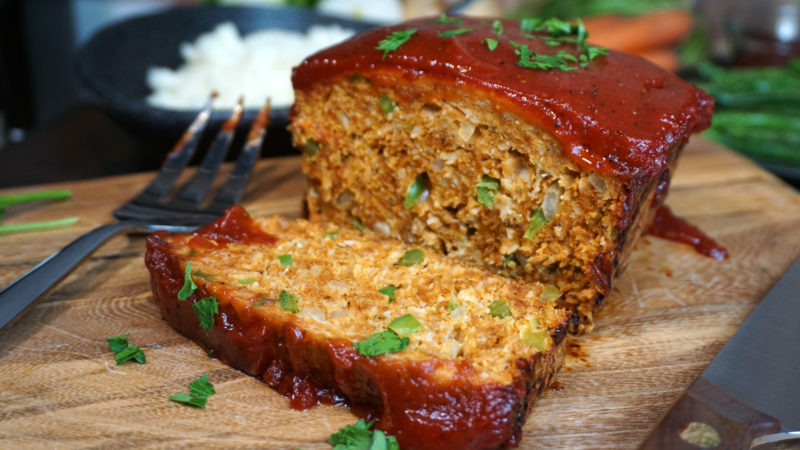
Credit: www.bowhunting.com
Temperature Settings For Convection Meatloaf
Setting the right temperature is key to cooking a perfect meatloaf in a convection oven. The fan in a convection oven circulates hot air, which cooks food faster and more evenly than a conventional oven. This means you need to adjust your temperature settings to avoid drying out your meatloaf or leaving it undercooked.
Recommended Oven Temperatures
For most meatloaf recipes, aim for a convection oven temperature between 325°F and 350°F. This range allows the meat to cook thoroughly without burning the outside.
If you prefer a crispier crust, you can increase the temperature slightly toward 375°F, but keep a close eye on it to prevent overcooking. Cooking at 325°F is gentler and helps retain moisture, especially if your meatloaf contains a lot of vegetables or breadcrumbs.
Adjusting For Different Meatloaf Sizes
The size of your meatloaf directly affects how long and at what temperature you should cook it.
- Small meatloaf (1 to 1.5 pounds):Cook at 350°F for about 45-55 minutes.
- Medium meatloaf (2 to 2.5 pounds):Cook at 325°F for 60-75 minutes.
- Large meatloaf (3 pounds or more):Cook at 325°F for 75-90 minutes.
Have you noticed how a smaller meatloaf can dry out faster? That’s why reducing the temperature a bit or covering it with foil can help maintain juiciness. Use a meat thermometer to check for an internal temperature of 160°F for safe consumption.
Cooking Time Guidelines
Knowing the right cooking time for meatloaf in a convection oven can make a big difference in texture and flavor. Convection ovens cook faster and more evenly than conventional ovens, but the exact time depends on the weight of your meatloaf. Understanding these guidelines helps you avoid undercooked or dry results.
Average Times Based On Weight
Cooking time in a convection oven is generally shorter, thanks to the fan that circulates hot air. Here’s a quick reference to help you plan:
| Weight of Meatloaf | Cooking Time at 350°F (175°C) |
|---|---|
| 1 pound (450g) | 35-40 minutes |
| 1.5 pounds (680g) | 50-55 minutes |
| 2 pounds (900g) | 60-65 minutes |
| 2.5 pounds (1.1kg) | 70-75 minutes |
These times assume you preheat your convection oven to 350°F. If you want to speed things up, raising the temperature by 25°F can work, but keep a close eye on the meatloaf to prevent drying out.
Signs Meatloaf Is Done
Relying only on time can be risky. Instead, look for these clear signs to know your meatloaf is perfectly cooked:
- Internal Temperature:Use a meat thermometer. The safe internal temperature for ground beef or pork meatloaf is 160°F (71°C).
- Firmness:The meatloaf should feel firm but not hard. If it’s still soft or jiggly in the center, it needs more time.
- Juices:When you cut into the meatloaf, the juices should run clear, not pink or red.
- Crust:A nicely browned crust on top is a good indicator that the meatloaf has cooked through.
Have you ever sliced into meatloaf only to find it raw inside? I have, and it taught me to always check the temperature first. What’s your go-to way to test if your meatloaf is done?
Checking Meatloaf Doneness
Checking the doneness of your meatloaf in a convection oven is crucial to achieving that perfect balance of juicy and fully cooked. Overcooking can dry it out, while undercooking poses health risks. Knowing exactly when your meatloaf is done ensures a delicious meal every time.
Using A Meat Thermometer
A meat thermometer is your most reliable tool for checking doneness. Insert it into the thickest part of the meatloaf, avoiding any filling or the pan’s edge. The internal temperature should reach 160°F (71°C)for ground beef or pork meatloaf.
Digital thermometers provide quick and accurate readings. If you don’t have one, consider getting one—it’s a game changer for cooking meat safely and perfectly.
Visual And Textural Cues
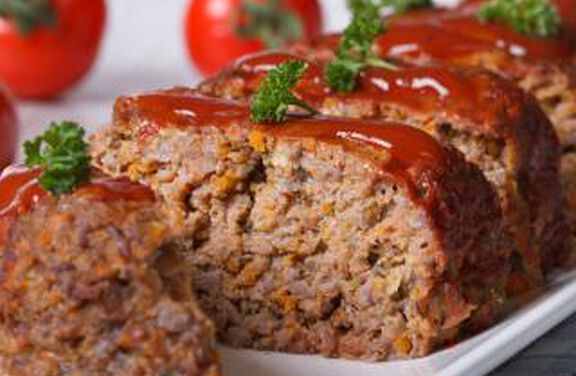
Besides temperature, look for visual clues. The meatloaf’s edges should be browned and slightly crisp, indicating heat has penetrated well. The top should no longer look raw or glossy.
Texture matters too. When you press the center gently with a spoon, it should feel firm but spring back slightly. If it feels mushy or overly soft, it needs more time in the oven.
Have you ever cut into a meatloaf and found it still pink inside? Trust these cues along with your thermometer to avoid that. Your taste buds will thank you.
Tips For Juicy And Evenly Cooked Meatloaf
Cooking meatloaf in a convection oven offers a faster and more even cooking process, but achieving a juicy and perfectly cooked result takes some attention to detail. The way you cover your meatloaf and the resting time after baking can significantly affect its texture and moisture. Let’s look into how these factors make a difference and how you can use them to your advantage.
Covering Vs. Uncovered Cooking
Covering your meatloaf with foil traps moisture, preventing the top from drying out while the inside cooks. This is especially useful if you like a softer crust or if you add a glaze that you don’t want to burn. On the other hand, leaving it uncovered allows the heat to create a crispy, caramelized crust, adding texture and flavor.
Think about what you prefer: a tender exterior or a crunchy top? You might even try covering the meatloaf for the first two-thirds of the cooking time, then uncovering it to finish for a balanced result. This simple trick keeps the inside moist and the outside nicely browned.
Resting Time After Baking
Resting your meatloaf after it comes out of the oven is just as important as cooking it properly. Let it sit for at least 10 to 15 minutes before slicing. This pause allows the juices to redistribute throughout the meat, making each bite juicy and tender.
Cutting into meatloaf too soon causes the juices to run out, leaving it dry. Have you ever noticed how a rested roast or steak tastes better? The same rule applies here. Patience pays off with a more flavorful and moist meatloaf.

Credit: www.punchfork.com
Common Mistakes To Avoid
Cooking meatloaf in a convection oven can be simple. Avoiding common mistakes helps achieve perfect results. Many cooks make errors that affect taste and texture. Learning these pitfalls saves time and frustration.
Overcooking And Dryness
Overcooking meatloaf is a common error that leads to dryness. Convection ovens cook food faster due to circulating hot air. Leaving meatloaf inside too long removes moisture. Always check the internal temperature with a meat thermometer. Aim for 160°F (71°C) to ensure safety and juiciness. Rest meatloaf after baking; this helps juices redistribute evenly. Avoid cutting it immediately to keep moisture locked in.
Incorrect Oven Settings
Using the wrong oven settings can spoil your meatloaf. Convection ovens usually have a fan setting that speeds cooking. Setting the temperature too high causes the outside to burn before the inside cooks. Setting it too low results in uneven cooking and tough texture. Use the convection bake mode for even heat distribution. Adjust the temperature 25°F lower than the recipe’s suggested temperature for regular ovens. This prevents overcooking and helps the meatloaf cook uniformly.
Troubleshooting Cooking Issues
Cooking meatloaf in a convection oven usually takes less time than a regular oven. Check the internal temperature to ensure it reaches 160°F for safe eating. Adjust cooking time based on meatloaf size and oven settings to avoid dryness or undercooking.
When cooking meatloaf in a convection oven, issues may arise. These issues can include uneven cooking or incorrect timing. Understanding how to troubleshoot these problems ensures a delicious result. Below, discover solutions and tips for common cooking challenges.
Uneven Cooking Solutions
Uneven cooking in meatloaf can be frustrating. Ensure the meatloaf is of uniform thickness. This helps in even heat distribution. Use a meat thermometer for accuracy. Insert it into the thickest part. This checks for doneness without cutting. Rotate the meatloaf halfway through cooking. This ensures all sides receive equal heat. Avoid overcrowding the oven. This allows for proper air circulation.
Adjusting Time For Different Ovens
Different ovens may require time adjustments. Check the meatloaf earlier than expected. Ovens vary in temperature accuracy. Always preheat the oven before cooking. This ensures even cooking from the start. If the meatloaf cooks too fast, lower the temperature. This prevents burning the edges. Use a reliable oven thermometer. It helps in tracking the actual oven temperature.
Frequently Asked Questions
How Long To Cook Meatloaf In A Convection Oven?
Cook meatloaf in a convection oven at 350°F for 45-50 minutes. Use a meat thermometer to check for 160°F internal temperature. Cooking times may vary slightly based on loaf size and oven model.
Does Convection Oven Cook Meatloaf Faster?
Yes, convection ovens cook meatloaf about 25% faster than conventional ovens. The fan circulates hot air, promoting even and quicker cooking. Adjust cooking time accordingly to avoid overcooking.
What Temperature Is Best For Meatloaf In Convection Oven?
Set your convection oven to 350°F for cooking meatloaf. This temperature ensures thorough cooking while keeping the meat moist. Avoid higher temperatures to prevent drying out.
Should I Cover Meatloaf While Baking In Convection Oven?
Covering meatloaf with foil during baking helps retain moisture and prevents over-browning. Remove foil in the last 10 minutes to brown the top evenly.
Conclusion
Cooking meatloaf in a convection oven saves time and cooks evenly. Set the temperature to 350°F (175°C) for best results. Check the internal temperature; it should reach 160°F (71°C). Let the meatloaf rest for 10 minutes before slicing. This helps keep it juicy and tender.
Use a meat thermometer to avoid overcooking. Follow these simple steps to enjoy a delicious meatloaf every time. Cooking times may vary with loaf size, so watch closely. Happy cooking!