Are you wondering how long to cook meat in your slow cooker to get the perfect, tender results every time? Knowing the right cooking time can make all the difference between a juicy, flavorful meal and a tough, dry disappointment.
Whether you’re preparing beef, chicken, pork, or lamb, this guide will help you master the timing so your meat comes out just right. Keep reading to discover simple tips and exact cooking times that will turn your slow cooker into your new favorite kitchen tool.
Your next delicious meal is just a few slow hours away!

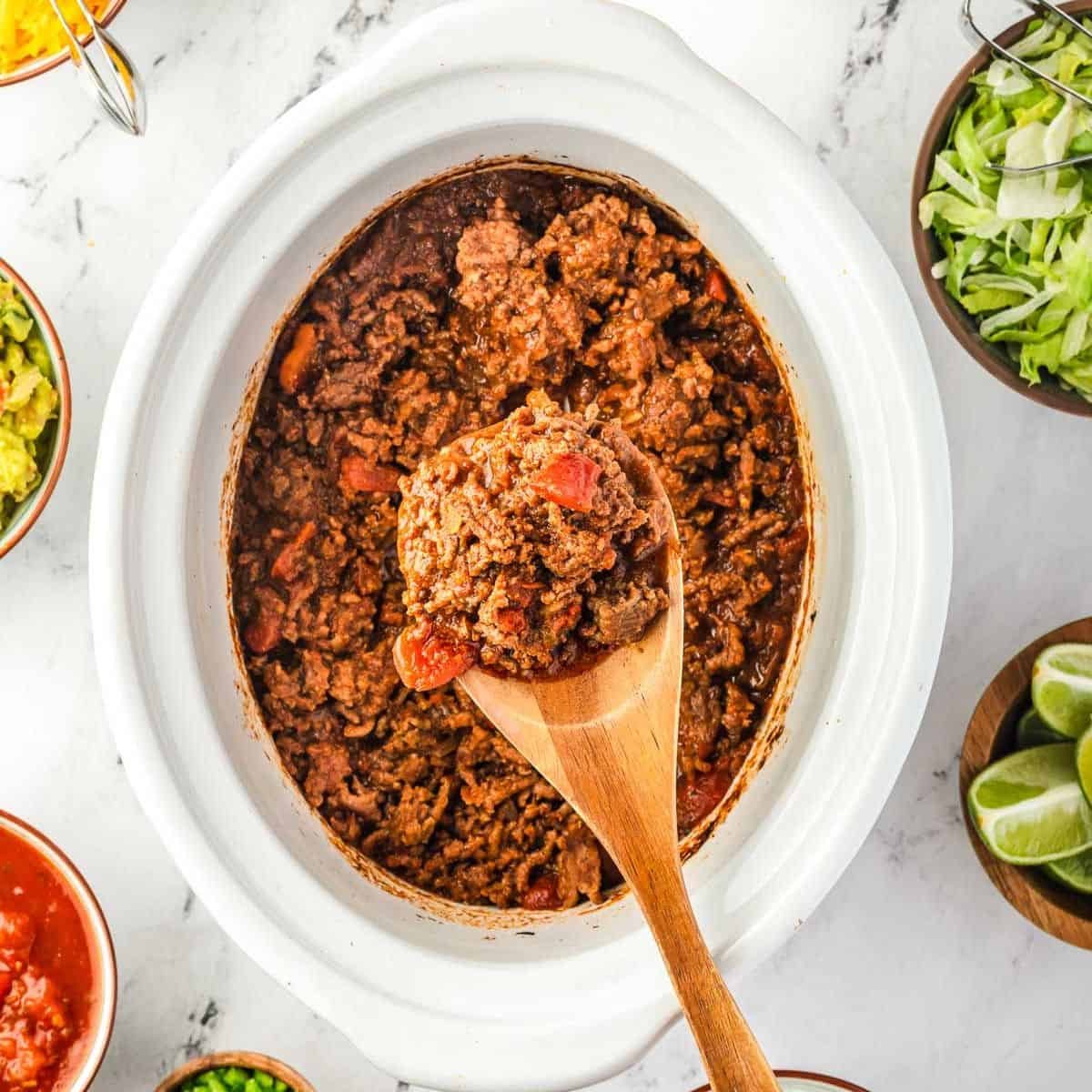
Credit: spinachtiger.com
Slow Cooker Basics
Understanding the basics of slow cooking can transform how you prepare meals and save you time. A slow cooker is more than just a kitchen gadget; it’s a simple way to make tender, flavorful dishes with minimal effort. Knowing how it works and choosing the right one for your needs sets the foundation for perfectly cooked meat every time.
How Slow Cookers Work
Slow cookers use low, steady heat to cook food over several hours. This gentle heat breaks down tough fibers in meat, making it soft and juicy without drying it out. You don’t need to watch the pot constantly—just set the time and temperature, and let it do the work.
Most slow cookers have two or three heat settings: low, high, and sometimes warm. Low cooks food gently over 6 to 10 hours, while high speeds up the process to 3 to 5 hours. Warm keeps food at a safe temperature until you’re ready to eat.
Choosing The Right Slow Cooker
Size matters when selecting a slow cooker. For singles or couples, a 3 to 4-quart model is enough. Families or meal preppers might prefer 6 to 8 quarts to handle larger portions or batch cooking.
Look for a slow cooker with a removable ceramic pot. It makes cleanup easier and can often go from oven to table. Some models offer programmable timers and temperature controls, which give you more flexibility and precision.
Think about your cooking style. Do you want a simple plug-and-play device or one with smart features you can control from your phone? Your choice will affect how you use it and the results you get.
Factors Affecting Cooking Time
Understanding what affects the cooking time in your slow cooker can save you from undercooked or overdone meals. Several factors come into play, each influencing how long your meat needs to reach that perfect tenderness. Paying attention to these details helps you plan better and enjoy consistently delicious dishes.
Meat Type And Cut
Different meats have different textures and fat content, which changes how they cook. Tougher cuts like chuck roast or pork shoulder need more time to break down the connective tissue and become tender. On the other hand, lean cuts like chicken breast cook much faster and can dry out if left too long.
Have you ever noticed a brisket taking almost twice as long as a chicken thigh? That’s because brisket requires slow, low heat to soften, while chicken cooks quickly due to its delicate fibers.
Size And Thickness
The size and thickness of your meat directly affect cooking time. A large roast or thick pork chop will take longer for heat to penetrate the center. Smaller pieces or thinner cuts allow heat to reach the core faster, shortening the cook time.
Imagine cooking a 4-pound beef roast versus 1-inch thick stew meat; the bigger roast needs hours more to become tender. If you want to speed things up, try cutting the meat into smaller chunks before adding them to the slow cooker.
Temperature Settings
Slow cookers usually have low, medium, and high settings, each controlling how fast the food cooks. Low heat gently breaks down tougher fibers over 6 to 8 hours, while high heat can get the job done in 3 to 4 hours. Choosing the right setting depends on your schedule and the meat you’re cooking.
Have you ever left your slow cooker on high by mistake? You might find the meat cooked unevenly or dried out. Sticking to recommended temperatures helps you avoid these problems and keeps the meat juicy.
Recipe Ingredients
The other ingredients you add also influence cooking time. Acidic items like tomatoes or vinegar can tenderize meat faster, sometimes reducing the needed time. On the contrary, starchy vegetables like potatoes might require a longer cook to soften properly alongside the meat.
Think about a stew with both meat and root vegetables: balancing their cooking times ensures everything is ready simultaneously. Adjusting the order of adding ingredients can be a simple trick to get perfect results every time.
Cooking Times For Different Meats
Cooking times vary greatly depending on the type of meat used in a slow cooker. Each meat has its own texture and fat content, which affects how long it needs to cook. Knowing the right cooking time helps achieve tender, juicy results every time.
Slow cooking allows tough cuts to become soft and flavorful. Leaner meats cook faster and need careful timing to avoid drying out. Below are general cooking times for common meats in a slow cooker.
Beef
Beef needs a long, slow cook to break down tough fibers. Use lower temperatures for cuts like chuck roast or brisket.
- Low setting: 8 to 10 hours
- High setting: 4 to 6 hours
Stewing beef or smaller pieces take less time, about 6 to 8 hours low.
Pork
Pork shoulder and butt benefit from slow cooking to become tender. Lean cuts like pork loin require less time.
- Pork shoulder: 8 to 10 hours on low
- Pork loin: 4 to 6 hours on low
Overcooking lean pork may cause dryness, so watch the time closely.
Chicken
Chicken cooks faster than red meat. Bone-in pieces need more time than boneless.
- Bone-in thighs or drumsticks: 6 to 8 hours on low
- Boneless breasts: 3 to 4 hours on low
Overcooked chicken can become dry, so avoid long cooking times on high.
Lamb
Lamb requires slow cooking to soften its texture. Cuts like shoulder or shank work best.
- Lamb shoulder: 8 to 10 hours on low
- Lamb shank: 6 to 8 hours on low
Cooking lamb at low temperature keeps it juicy and tender.
Fish And Seafood
Fish cooks very quickly and needs the shortest time in a slow cooker. Use gentle heat to avoid overcooking.
- Firm fish fillets: 1 to 2 hours on low
- Shrimp or scallops: 30 to 60 minutes on low
Check seafood often to keep it tender and flavorful.
Tips For Perfect Slow-cooked Meat
Perfect slow-cooked meat requires some simple but important steps. These tips help keep meat tender, juicy, and full of flavor. Slow cookers work best with careful preparation and attention to detail. Follow these tips to get the best results every time.
Preparing Meat Before Cooking
Trim excess fat from the meat to avoid greasy dishes. Pat the meat dry with paper towels. This helps the surface brown better if searing. Season the meat with salt and pepper or your favorite spices. Searing the meat in a hot pan adds flavor and texture. Place the meat in the slow cooker after searing for best results.
Using The Right Liquid
Use broth, stock, or water to keep meat moist. Avoid too much liquid; the meat should not be swimming. Liquids help distribute heat and break down tough fibers. For added flavor, use wine, tomato sauce, or barbecue sauce. The slow cooker traps steam, making the meat tender.
Avoiding Overcooking
Follow recommended cooking times based on meat type and size. Use the low heat setting for tougher cuts like brisket or chuck. Check the meat near the end of the cooking time. Overcooked meat can become dry and stringy. Use a meat thermometer to check doneness if needed.
Resting Meat After Cooking
Let meat rest for 10 to 15 minutes before slicing or serving. Resting allows juices to redistribute inside the meat. Cover the meat loosely with foil to keep it warm. Rested meat is more tender and juicy. Avoid cutting meat right away to keep flavors locked in.
Troubleshooting Common Issues
Slow cookers need different times for various meats. Checking meat tenderness helps avoid overcooking or undercooking. Adjusting cooking time based on meat type ensures a perfect meal every time.
When using a slow cooker, you expect tender, flavorful meat every time. But what happens when things don't go as planned? Understanding common issues like tough, undercooked, or dry meat can save your meal. Let's explore some practical ways to address these problems.
Meat Too Tough
Tough meat can be disappointing, especially when you've waited hours for your meal. One reason might be the type of meat used. Cuts like brisket and chuck roast are perfect for slow cooking as they break down over time. If your meat is still tough, it might need more cooking time. Unlike conventional methods, slow cookers require patience. Allow the meat to reach its full tenderness potential. Another tip is to check your liquid levels. Insufficient liquid can hinder meat from becoming tender. Ensure that the meat is at least halfway submerged in liquid for optimal results.
Undercooked Meat
Finding your meat undercooked after hours can be frustrating. Start by ensuring that your slow cooker is functioning correctly. Older models may not heat evenly or maintain the right temperature. If you suspect undercooking, use a meat thermometer. Different meats require specific internal temperatures to be safe and fully cooked. For example, poultry should reach 165°F (74°C). Consider the size of your meat pieces. Larger chunks take longer to cook. Cutting meat into smaller, uniform pieces can help ensure even cooking.
Dry Meat
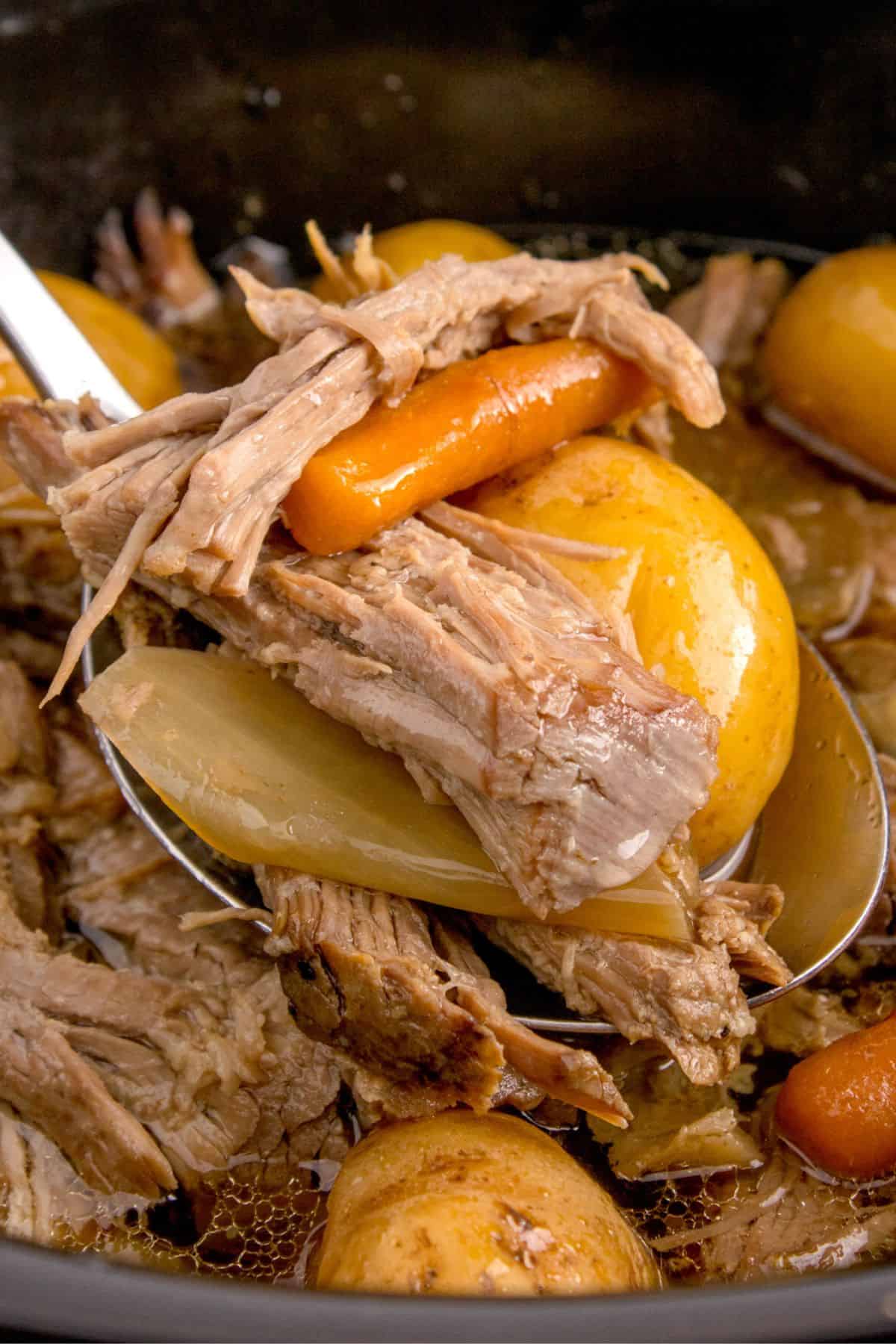
Dry meat can turn a promising dish into a disappointment. One common mistake is overcooking. While slow cookers are forgiving, leaving meat for too long can lead to dryness. Check your settings. Low and slow is the mantra for juicy meat. If you have the option, use the low setting to retain moisture. Adding extra liquid during cooking can also help. Broths, wines, or even a splash of water can prevent meat from drying out. Remember, you can always reduce liquid later for a thicker sauce. Isn't it fascinating how small adjustments can make a big difference in your cooking? With these troubleshooting tips, you can enjoy perfectly cooked meat every time.
Credit: www.everydayfamilycooking.com
Safety Tips For Slow Cooking
Slow cooking is a great way to prepare tasty meals with less effort. Safety is very important when using a slow cooker. Knowing how to handle food properly helps prevent illness. Following safe temperature rules keeps food safe to eat. Proper storage and reheating also protect your health. These tips ensure your slow cooker meals are both delicious and safe.
Proper Food Handling
- Always wash your hands before and after touching raw meat.
- Use separate cutting boards for raw meat and vegetables.
- Keep raw meat cold until you put it in the slow cooker.
- Do not rinse raw meat; it spreads bacteria around the kitchen.
- Place all ingredients in the slow cooker before turning it on.
Safe Temperature Guidelines
- Cook meat on low or high settings as recommended in recipes.
- Ensure the slow cooker reaches at least 165°F (74°C) inside.
- Use a food thermometer to check the meat’s internal temperature.
- Do not open the lid often; it lowers the temperature.
- Never cook frozen meat directly; thaw it first for even cooking.
Storage And Reheating
- Cool leftovers quickly by dividing into small containers.
- Store cooked meat in the fridge within two hours after cooking.
- Reheat leftovers to at least 165°F (74°C) before eating.
- Do not reheat meat more than once to avoid bacteria growth.
- Discard any food left out for more than two hours.
Credit: www.everydayfamilycooking.com
Frequently Asked Questions
How Long Does Beef Take In A Slow Cooker?
Beef usually takes 6 to 8 hours on low heat or 3 to 4 hours on high. Cooking time depends on the cut and size.
Can I Cook Chicken In A Slow Cooker All Day?
Yes, chicken breast cooks in 3 to 4 hours on low. Thighs may take 4 to 6 hours for tenderness.
What Is The Best Temperature For Slow Cooker Meat?
Use low heat (190-200°F) for tender results. High heat (300°F) cooks faster but risks drying meat.
How Do I Know When Slow Cooker Meat Is Done?
Meat is done when it easily shreds or reaches safe internal temperatures: 145°F for beef, 165°F for poultry.
Conclusion
Cooking meat in a slow cooker takes time and patience. Different meats need different cooking hours. Always use low or high heat settings as suggested. Check the meat's tenderness to know when it's done. Avoid opening the lid often to keep heat inside.
Use a meat thermometer for safe cooking temperatures. This method makes meat soft and full of flavor. Enjoy meals that are easy to prepare and tasty. Slow cooking saves effort and brings great results. Give it a try for your next dinner.