
Are you staring at a frozen casserole, wondering exactly how long it needs to cook? You’re not alone.
Getting the timing just right can mean the difference between a hot, delicious meal and a cold, soggy disappointment. You’ll discover simple, clear guidelines to cook your frozen casserole perfectly every time. Say goodbye to guesswork and hello to mouthwatering dinners that come out just right.
Keep reading, and you’ll never have to worry about overcooking or undercooking your frozen casserole again.
Factors Affecting Cooking Time
Cooking a frozen casserole isn’t a one-size-fits-all process. Several factors influence how long it takes to cook your dish thoroughly and safely. Understanding these elements helps you avoid overcooking or undercooking, ensuring a delicious meal every time.
Type Of Casserole
The ingredients and density of your casserole greatly affect cooking time. A vegetable-heavy casserole usually cooks faster than one loaded with meats or dense starches like potatoes or rice. For example, a cheesy broccoli casserole might need less time compared to a hearty chicken and potato bake.
Think about what’s inside your casserole before deciding on the cooking duration. Different proteins and vegetables heat at different rates, so adjusting the time based on the type can save you from a soggy or dry dish.
Oven Temperature
The temperature you set your oven to directly impacts how quickly your casserole cooks. Higher temperatures mean faster cooking but can risk burning the top before the inside is done. Lower temperatures cook more evenly but take longer.
If you’ve ever rushed dinner and cranked up the heat, you know how uneven cooking can be. It’s often better to cook at a moderate temperature, like 350°F (175°C), to balance time and doneness.
Size And Depth
The size and depth of your casserole dish change the cooking time significantly. A shallow, wide dish cooks more quickly because heat reaches the food more evenly. A deep, thick casserole requires more time for the heat to penetrate the center.
Have you noticed how a large family-sized casserole needs longer compared to a single-serving dish? That’s why measuring your dish and adjusting cooking time accordingly makes a big difference.
Frozen Vs. Thawed
Cooking a casserole straight from the freezer always takes longer than cooking a thawed one. Frozen casseroles need extra time for the heat to reach the center and fully defrost the ingredients. Thawed casseroles cook more evenly and usually require 20-30 minutes less time.
Consider your schedule: if you’re short on time, thawing your casserole overnight in the fridge can cut down cooking time and improve texture. Have you ever tried cooking frozen food without thawing? How did the texture turn out?

Credit: themom100.com
General Cooking Times For Frozen Casseroles
Cooking frozen casseroles requires more time than fresh ones. The size and depth of the dish affect cooking duration. Knowing general cooking times helps avoid undercooked or overcooked meals. This guide breaks down times based on portion size.
Small Portions
Small casseroles usually weigh less than 2 pounds. Cooking time ranges from 45 to 60 minutes at 350°F (175°C). Cover the dish with foil to keep moisture. Remove foil during the last 10 minutes to brown the top.
Medium-sized Casseroles
Medium casseroles weigh between 2 and 4 pounds. They need about 60 to 90 minutes at 350°F (175°C). Use a covered baking dish to retain heat and moisture. Check the center for hot spots before serving.
Large Or Deep Dishes
Large casseroles often exceed 4 pounds or are very deep. Cooking time can be 90 to 120 minutes at 350°F (175°C). Keep the dish covered most of the time. Uncover near the end to let the top brown nicely.
Step-by-step Cooking Tips
Cooking a frozen casserole can seem tricky, but with the right steps, you’ll get a perfectly heated meal every time. Paying attention to details like oven temperature and checking doneness ensures your casserole is heated evenly without drying out. These tips will guide you to cook your frozen casserole like a pro.
Preheating The Oven
Always preheat your oven before placing the casserole inside. Setting the oven to the recommended temperature—usually around 350°F to 375°F—helps cook the casserole evenly from start to finish. Skipping this step can cause uneven cooking and longer cook times.
Have you noticed how preheating can shave off extra waiting time? It’s a simple habit that makes a big difference.
Covering The Casserole
Covering your casserole with aluminum foil traps steam, which keeps the dish moist while it cooks. This is especially important for frozen casseroles that need longer baking times. Remove the foil during the last 10-15 minutes to let the top brown and crisp up.
Try this: cover the casserole tightly, but don’t seal it too much—some steam should escape to avoid sogginess.
Checking For Doneness
Look for bubbling edges and a golden-brown top as visual clues that your casserole is done. But relying solely on appearance can be misleading—some parts may still be cold. To avoid this, test the casserole in several spots with a fork or knife to check if it’s heated through.
Have you ever bitten into a dish only to find a cold center? Checking in different spots can prevent that unpleasant surprise.
Using A Thermometer
Using a food thermometer is the most reliable way to ensure your casserole is fully cooked. Aim for an internal temperature of 165°F (74°C) to kill any harmful bacteria. Insert the thermometer into the thickest part of the dish, avoiding edges, for an accurate reading.
Investing in a good thermometer saves time and worry. You’ll know exactly when your casserole is safe and ready to serve.
Adjusting Time For Different Ingredients
Cooking times for frozen casseroles vary depending on the main ingredients. Different components heat and cook at different speeds. Adjusting the cooking time ensures the dish is cooked evenly and safe to eat. Understanding how each ingredient affects cooking time helps avoid undercooked or overcooked meals.
Meat-based Casseroles
Meat takes longer to cook through than vegetables or pasta. Frozen casseroles with chicken, beef, or pork usually need extra time. The internal temperature must reach at least 165°F (74°C) for safety. Plan to add 15 to 30 minutes more than the recipe states for fresh casseroles. Cover the dish with foil to prevent drying out during the longer cook time.
Vegetarian Options
Vegetarian casseroles often cook faster than meat-based ones. Ingredients like beans, lentils, and vegetables soften quickly. Frozen vegetarian dishes typically need less time to heat through. Check the texture of vegetables and grains before serving. Remove the foil in the last 10 minutes to get a crispy top if desired.
Cheesy Or Creamy Dishes
Cheesy and creamy casseroles require careful timing to avoid curdling or burning. Cook these dishes covered for most of the time to keep moisture in. Uncover near the end to brown the cheese. Add 10 to 20 minutes extra for frozen versions. Stirring is not possible, so make sure the center is hot before serving.
Common Mistakes To Avoid
Cooking frozen casseroles too quickly can leave the center cold or unevenly heated. Avoid skipping the thawing step if the recipe calls for it. Using the right temperature helps ensure the casserole cooks all the way through without drying out.
Cooking a frozen casserole can be tricky, especially if you're trying to serve a perfect meal without the hassle. Often, simple mistakes can lead to a dish that's overcooked, undercooked, or just plain disappointing. By understanding the common pitfalls, you can ensure your casserole turns out just right every time.
Skipping Preheating
Many people underestimate the importance of preheating the oven. Starting with a cold oven affects the cooking time and can lead to uneven cooking. Always preheat your oven to the recommended temperature before placing your casserole inside. This ensures that your dish cooks evenly and reaches the desired internal temperature.
Cooking At Too High Temperature
It might be tempting to cook your casserole at a higher temperature to speed up the process. However, this can result in a dish that's burnt on the outside and still frozen in the middle. Stick to the recommended temperature on the packaging or recipe. Patience in cooking often pays off with a delicious and perfectly cooked meal.
Not Letting It Rest
Once your casserole is out of the oven, the temptation to dive right in can be strong. However, letting it rest for a few minutes allows the flavors to meld and the dish to set, making it easier to serve. This resting period can make the difference between a sloppy serving and one that holds its shape beautifully on the plate. Have you ever made any of these mistakes? Next time, try adjusting your approach and see how it transforms your cooking experience. With these tips, your frozen casserole can become a family favorite.
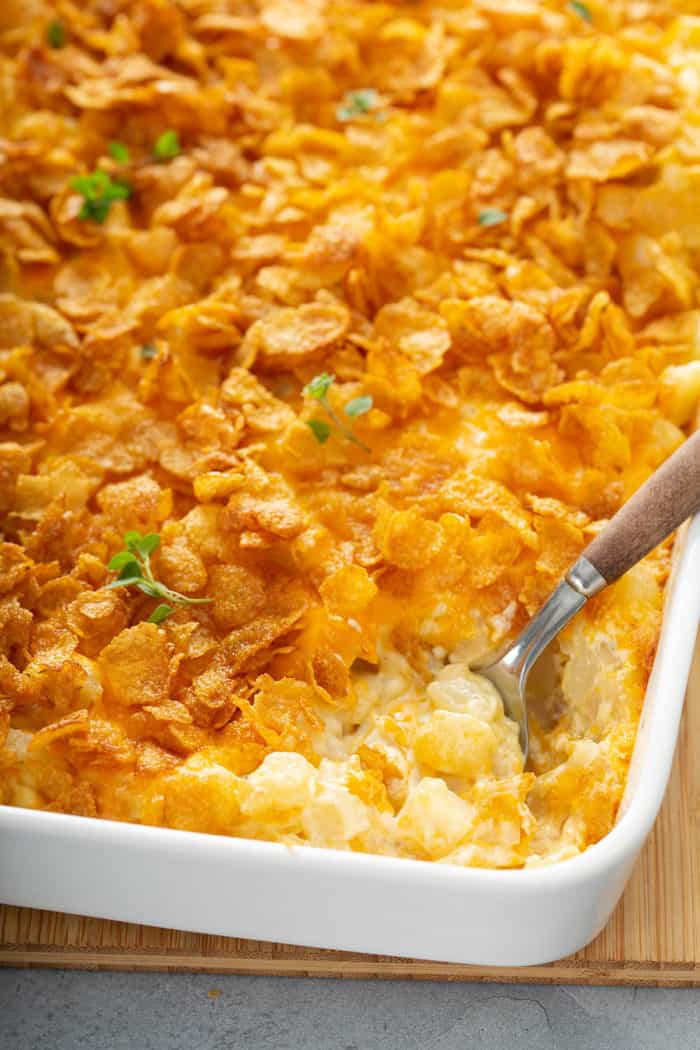
Credit: www.mybakingaddiction.com
Tips For Storing And Reheating Leftovers
Storing and reheating leftover casserole properly keeps it safe and tasty. Following simple steps helps maintain flavor and texture. These tips prevent waste and save cooking time later.
Proper Cooling
Cool casserole quickly after cooking to stop bacteria growth. Leave it uncovered on the counter for 20-30 minutes. Then, cover with a lid or plastic wrap. Put it in the fridge within two hours. Avoid stacking hot casseroles together to cool.
Freezing Cooked Casserole
Freeze leftovers in airtight containers or heavy-duty freezer bags. Label with the date to track storage time. Freeze casseroles within 3 days of cooking for best quality. Thaw in the fridge overnight before reheating. Do not refreeze thawed casserole to keep it safe.
Reheating Techniques
- Preheat oven to 350°F (175°C) for even heating.
- Cover casserole with foil to keep moisture.
- Heat for 20-30 minutes or until hot inside.
- Microwave reheating is faster but may dry food; add a splash of water.
- Stir midway if using microwave for even heat.
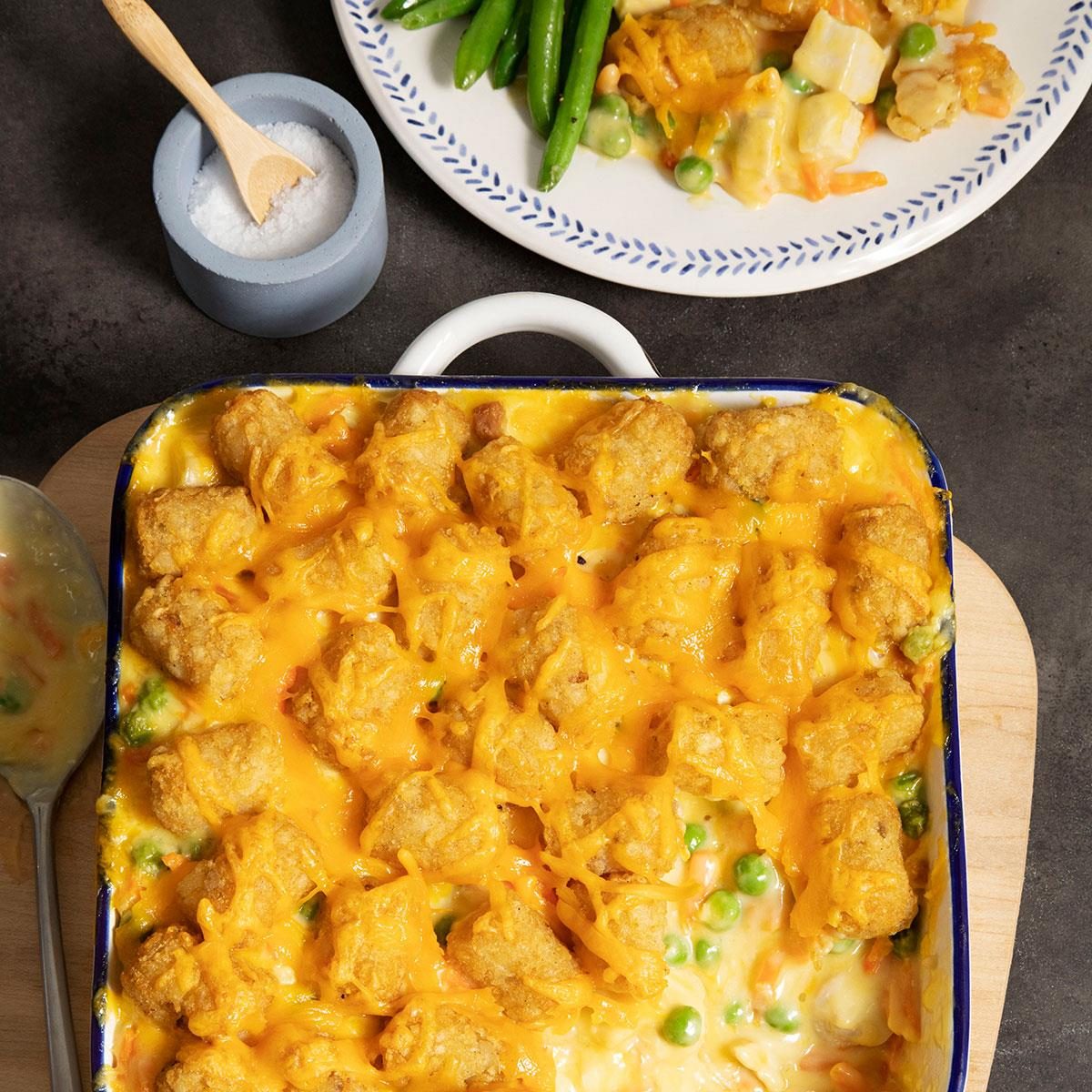
Credit: www.tasteofhome.com
Frequently Asked Questions
How Long Does It Take To Cook A Frozen Casserole?
Cooking time varies by casserole size and oven temperature. Typically, bake at 350°F (175°C) for 60-90 minutes. Check for internal temperature of 165°F (74°C) to ensure it’s fully cooked and safe to eat.
Can I Cook A Frozen Casserole Without Thawing?
Yes, you can cook a frozen casserole without thawing. Increase baking time by 50% compared to a thawed casserole. Cover with foil to prevent drying and ensure even cooking throughout.
What Temperature Is Best For Cooking Frozen Casseroles?
Set your oven to 350°F (175°C) for even cooking. This temperature allows the casserole to heat thoroughly without burning the edges. Adjust time based on casserole size and ingredients for best results.
How Do I Know When A Frozen Casserole Is Done?
Check if the casserole is bubbling around the edges. Use a food thermometer to confirm an internal temperature of 165°F (74°C). The top should be golden brown and firm to the touch.
Conclusion
Cooking a frozen casserole takes time and care. Usually, it needs about 60 to 90 minutes in the oven. Always check if it is hot in the middle. Use a thermometer if you can. Let it rest a few minutes before serving.
This helps the flavors settle and the dish taste better. Cooking slowly and evenly gives the best results. Enjoy your warm, tasty casserole made from frozen!


