If you’re looking for a simple, hands-off way to cook Cornish hens, the slow cooker is your best friend. But how long should you cook them to get juicy, tender meat every time?
You don’t want to undercook or dry them out, and timing can be tricky. This guide will give you clear, easy-to-follow tips so your Cornish hens come out perfect, with minimal effort. Keep reading to discover exactly how long to cook Cornish hens in your slow cooker and make your next meal a hit.

Credit: www.persnicketyplates.com
Choosing The Right Cornish Hens
Choosing the right Cornish hens sets the stage for a delicious slow cooker meal. The quality and type of hen impact cooking time and flavor. Selecting hens suited for your recipe ensures juicy, tender meat after slow cooking. Understanding the differences between fresh and frozen options helps make the best choice. Size and weight also affect cooking duration. Picking hens that fit your slow cooker size and timing needs is important.
Fresh Vs Frozen Options
Fresh Cornish hens offer a tender texture and rich flavor. They cook evenly and tend to retain moisture well. Fresh hens are ideal for recipes that require shorter cooking times.
Frozen hens are convenient and often more affordable. They need to be fully thawed before slow cooking for safety and even cooking. Cooking frozen hens without thawing can lead to uneven results and longer cooking times.
Choosing between fresh and frozen depends on availability and schedule. Both options work well if handled properly.
Size And Weight Considerations
Cornish hens vary in size, typically from 1 to 2 pounds each. Smaller hens cook faster and fit better in most slow cookers. Larger hens require more time to cook through.
Consider the number of hens and your slow cooker capacity. Overcrowding reduces heat circulation and slows cooking. Aim for hens that allow space for even heat distribution.
For even cooking, choose hens close in size. This prevents some pieces from overcooking while others remain underdone.
Preparing Cornish Hens For Slow Cooking
Preparing Cornish hens for slow cooking sets the foundation for a flavorful and tender meal. Proper cleaning and seasoning ensure the hens absorb the spices and cook evenly. Adding thoughtful touches like stuffing and trussing can elevate your dish and make the slow cooker method even more impressive.
Cleaning And Seasoning Tips
Start by rinsing your Cornish hens under cold water, then pat them dry with paper towels. Removing excess moisture helps the seasoning stick better and prevents steaming instead of roasting in the slow cooker.
For seasoning, rub the hens inside and out with a mix of salt, pepper, garlic powder, and paprika. You can also add fresh herbs like rosemary or thyme under the skin for an extra flavor boost. Have you tried a spice blend with a touch of smoked paprika? It adds a surprising depth that pairs beautifully with slow-cooked poultry.
Stuffing And Trussing Ideas
Stuffing your hens is optional but adds flavor and keeps the meat juicy. Use simple ingredients like chopped apples, celery, and onions with a sprinkle of herbs. Avoid overstuffing, as the slow cooker needs space for heat to circulate.
Trussing helps the hens cook evenly and keeps the stuffing in place. Use kitchen twine to tie the legs together and tuck the wings under the body. If you don’t have twine, toothpicks work well too. Have you ever noticed how trussed hens hold their shape better and look more appealing on the plate?
Slow Cooker Settings And Time
Cooking Cornish hens in a slow cooker requires attention to the settings and timing. Choosing the right heat level affects how tender and juicy the meat becomes. Slow cookers usually have Low and High settings that control the cooking speed and temperature. Understanding these settings helps you achieve perfect results every time.
Low Vs High Heat Settings
The Low setting cooks the hens gently over a longer period. It keeps the meat soft and moist. This setting is ideal for slow and even cooking without drying out the bird.
The High setting cooks faster by raising the temperature quickly. It suits when you need the hens ready sooner but risks making the meat less tender if overcooked. High heat works best for shorter recipes or if you start late.
Recommended Cooking Times
| Setting | Cooking Time | Notes |
|---|---|---|
| Low | 4 to 6 hours | Best for tender, juicy Cornish hens |
| High | 2 to 3 hours | Use if short on time, monitor closely |
Check the hens near the end of the cooking time. The internal temperature should reach 165°F (74°C). Use a meat thermometer for accuracy. Rest the hens for a few minutes before serving.

Credit: www.persnicketyplates.com
Ensuring Tender And Juicy Results
Achieving tender and juicy Cornish hens in a slow cooker requires more than just setting the timer. The right balance of moisture and flavor is key to preventing dryness and enhancing taste. Your approach to liquids and cooking time directly affects the final texture and succulence of the meat.
Adding Liquids And Aromatics
Liquids are essential in a slow cooker to maintain moisture during the long cooking process. Use broth, wine, or a mix of water and herbs to create a flavorful steam environment inside the cooker.
Adding aromatics like garlic, onions, lemon slices, and fresh herbs infuses the meat with rich, deep flavors. You can stuff the cavity of the hens with rosemary or thyme to intensify the taste.
Consider this: have you ever noticed how a dry bird loses all appeal? Liquids and aromatics prevent that by keeping the hens moist and fragrant.
Avoiding Overcooking
Slow cookers vary, so check your hens after about 3 to 4 hours on low heat. Overcooking can lead to dry, stringy meat that no one enjoys.
Using a meat thermometer is the best way to avoid this. Aim for an internal temperature of 165°F (74°C) for perfectly cooked hens.
Trust your slow cooker but don’t leave the hens unattended for hours on end. Have you ever pulled out a dried-out bird? Adjusting your timing based on your cooker’s behavior can save your meal.
Checking For Doneness
Check the Cornish hen’s internal temperature with a meat thermometer to ensure it reaches 165°F. The juices should run clear, not pink, signaling it’s fully cooked. Avoid cutting too early to keep the meat juicy and tender.
Checking for doneness is crucial when cooking Cornish hens in a slow cooker. It ensures that the meat is safe to eat and deliciously tender. You don’t want to undercook or overcook them. There are several ways to verify if your hens are perfectly cooked.
Internal Temperature Guidelines
Cornish hens should reach a safe internal temperature. Use a meat thermometer for accuracy. Insert it into the thickest part of the hen. Ensure it reads at least 165°F (75°C). This guarantees that harmful bacteria are killed. Always check multiple spots to be certain.
Visual And Texture Cues
Observe the skin for golden-brown color. It should not look pale or undercooked. The juices should run clear when pierced with a fork. Pink juices indicate that more cooking time is needed. The meat should be tender and easily separate from the bone. If it's tough, continue cooking for a bit longer.
Serving And Storing Leftovers
After cooking your Cornish hens in the slow cooker, how you serve and store the leftovers can make a big difference in flavor and safety. Proper resting and storage ensure the meat stays juicy and delicious, even the next day.
Resting Before Serving
Let your Cornish hens rest for about 10 to 15 minutes after cooking. This allows the juices to redistribute throughout the meat, making every bite tender and flavorful. Cutting into the hens too soon can cause the juices to escape, leaving the meat dry.
Have you noticed how resting meat affects taste? I once skipped this step and ended up with dry, less enjoyable leftovers. Now, I never serve immediately and always wait for that perfect texture.
Storage Tips For Best Flavor
Store leftover Cornish hens in airtight containers to keep moisture in and prevent any fridge odors from affecting the flavor. Cool the meat to room temperature before refrigerating to avoid condensation and sogginess.
- Use shallow containers to cool leftovers faster and evenly.
- Label containers with the date to keep track of freshness.
- Reheat leftovers gently in the oven or microwave to maintain juiciness.
Did you know that reheating slowly at a lower temperature preserves moisture better? Quick, high heat can dry out the meat, ruining your careful cooking efforts.
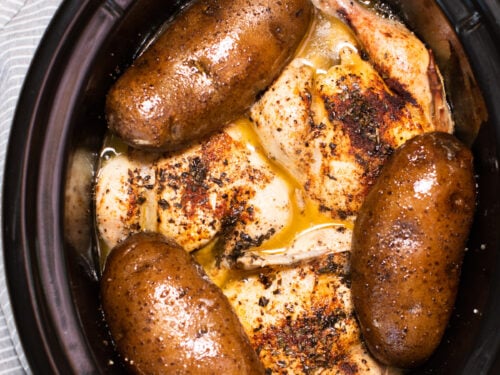
Credit: www.themagicalslowcooker.com
Frequently Asked Questions
How Long To Cook Cornish Hens On Low Setting?
Cook Cornish hens on low for 4 to 5 hours in a slow cooker. This ensures tender, juicy meat and fully cooked hens.
Can I Cook Cornish Hens On High In Slow Cooker?
Yes, cook Cornish hens on high for 2 to 3 hours. Check internal temperature to ensure it reaches 165°F for safety.
Should I Thaw Cornish Hens Before Slow Cooking?
It’s best to thaw Cornish hens before slow cooking. Thawed hens cook evenly, reducing the risk of undercooked meat.
What Internal Temperature Should Cornish Hens Reach?
Cornish hens should reach an internal temperature of 165°F (74°C). Use a meat thermometer to confirm safe cooking.
Conclusion
Cooking Cornish hens in a slow cooker takes patience and care. Usually, they need about 4 to 5 hours on low heat. This timing helps the meat stay tender and juicy. Always check the internal temperature; it should reach 165°F.
Use a meat thermometer for best results. Preparing this way saves time and effort. Enjoy a delicious, easy meal with minimal fuss. Try different seasonings to find your favorite flavor. Slow cooking keeps the hens moist and full of taste.
A simple method for a tasty dinner.