If you’ve ever wondered how long to cook chitterlings in a slow cooker, you’re in the right place. Cooking chitterlings can be tricky—they need the right amount of time to become tender and flavorful without turning rubbery.
Getting it just right means you’ll enjoy a delicious meal without any guesswork. You’ll discover the perfect cooking time and tips that make your chitterlings melt in your mouth every time. Keep reading to unlock the secret to slow-cooked chitterlings done perfectly.

Credit: www.youtube.com
Preparing Chitterlings For Cooking
Preparing chitterlings for cooking takes patience and care, especially if you want the best flavor and texture. The cleaning process is crucial because chitterlings often contain impurities that can affect taste and safety. Taking the time to properly clean and season them sets a solid foundation for your slow cooker recipe.
Cleaning And Prepping Tips
Start by rinsing the chitterlings under cold running water. Then, soak them in a large bowl with water and a splash of vinegar or lemon juice to help remove any lingering odor.
Use your hands to turn and separate the strands, pulling out any bits of fat or debris you find. This step might take 20-30 minutes, but don’t rush it—clean chitterlings cook better and taste fresher.
After soaking and rinsing, trim any tough or overly fatty pieces. Pat them dry with paper towels before placing them in the slow cooker.
Seasoning Suggestions
Seasoning chitterlings before cooking elevates the entire dish. Basic salt and pepper work well, but adding garlic, onion, and bay leaves really brings out the flavor.
You might want to try a pinch of crushed red pepper flakes or smoked paprika for a subtle kick. Some cooks swear by a splash of apple cider vinegar or hot sauce added to the slow cooker for a tangy depth.
Consider fresh herbs like thyme or parsley added in the last hour of cooking to keep their aroma bright. What flavors do you enjoy most with traditional dishes? Experimenting here can make your chitterlings uniquely yours.
Credit: www.lemon8-app.com
Slow Cooker Basics For Chitterlings
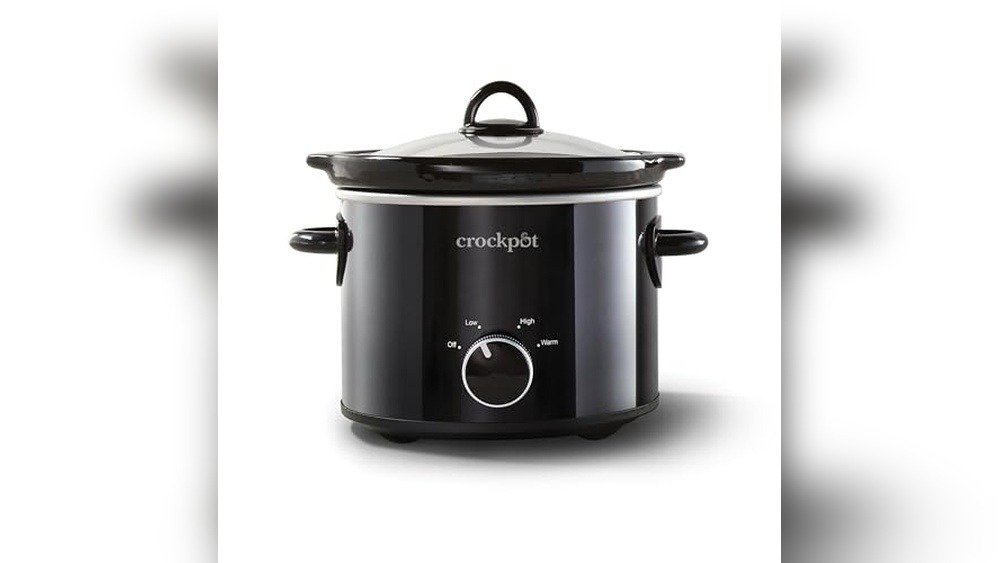
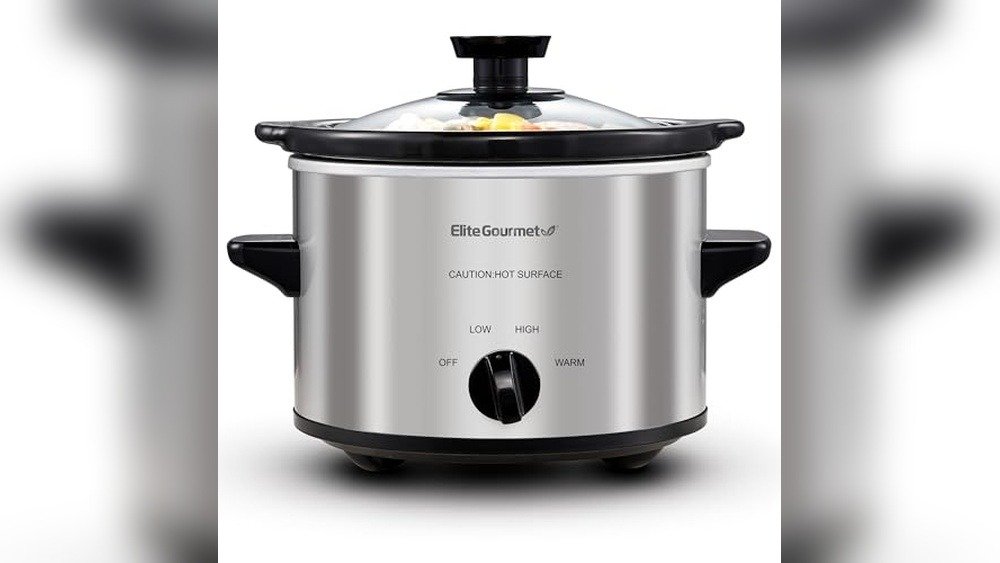
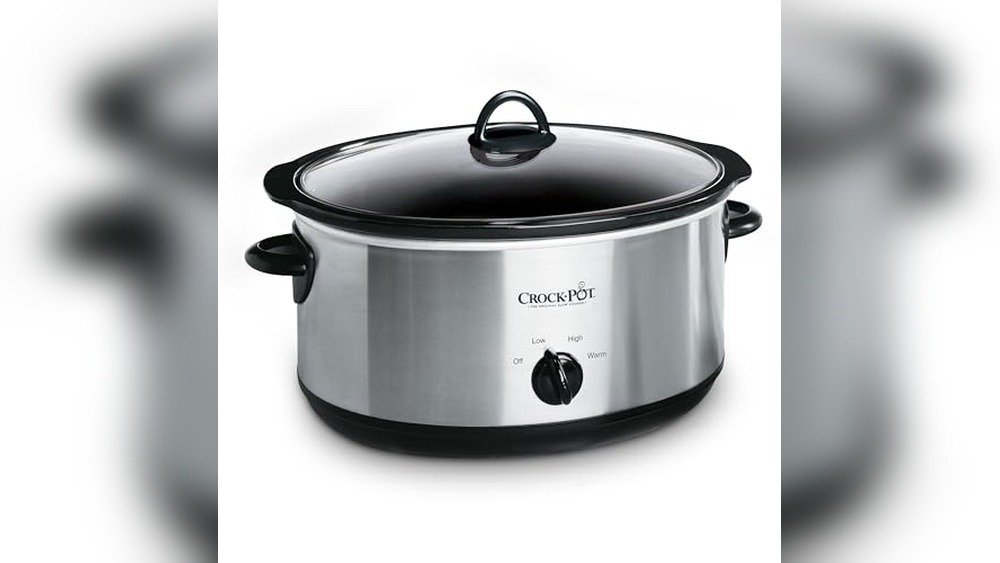
Cooking chitterlings in a slow cooker makes the process easier and hands-free. Understanding the basics helps achieve tender, flavorful results. Proper settings and cookware size affect cooking time and texture. This section explains key points for slow cooking chitterlings perfectly.
Choosing The Right Slow Cooker Setting
Slow cookers usually have low, high, and keep warm settings. For chitterlings, the low setting is best. It cooks them slowly and breaks down tough parts. The high setting cooks faster but might make chitterlings less tender. Keep warm setting is only for after cooking is done.
Cooking on low heat usually takes 6 to 8 hours. This long, slow cooking softens chitterlings well. Use a timer or slow cooker with automatic shutoff for safety.
Recommended Cookware Size
Choose a slow cooker size that fits your amount of chitterlings. A 4 to 6-quart cooker works well for most recipes. It gives enough space for chitterlings and liquid to cook evenly.
Do not overfill the slow cooker. Leave some space at the top for steam and heat circulation. Overcrowding can cause uneven cooking or longer times.
Using the right size slow cooker keeps chitterlings moist and tender. It also helps avoid spills and messes during cooking.
Cooking Time Guidelines
Knowing the right cooking time for chitterlings in a slow cooker is crucial to achieve that perfect tender texture without any unpleasant chewiness. Slow cooking allows the flavors to develop deeply, but the time you choose can change the outcome significantly. Are you aiming for melt-in-your-mouth softness or a bit more bite? Understanding these timing guidelines will help you get it just right every time.
Low Heat Cooking Times
Cooking chitterlings on low heat is the safest bet if you want them tender and flavorful. Typically, you should cook them for about 8 to 10 hourson the low setting. This slow, gentle heat breaks down the tough connective tissues gradually, giving you that rich, silky texture.
Many home cooks swear by starting the slow cooker in the morning and letting chitterlings cook all day. This hands-off approach means you can come back to a perfectly cooked meal without constantly checking. Have you tried leaving them on low overnight? It’s a great way to save time and energy.
High Heat Cooking Times
If you’re short on time, high heat can speed up the process, but be careful not to rush it too much. Cooking chitterlings on high usually takes about 4 to 6 hours. This method still tenderizes the meat but requires more attention to avoid overcooking.
High heat is useful when you need dinner ready faster but want to retain some texture in your chitterlings. Just remember: the higher the temperature, the easier it is to dry out the meat. Have you noticed how a few extra minutes can change the entire dish? It’s worth setting a timer to keep track.

Credit: phillyjaycooking.com
Checking Doneness
Checking the doneness of chitterlings in a slow cooker is crucial to ensure they are both safe to eat and tender. Unlike other meats, chitterlings require thorough cooking to break down tough textures and eliminate any harmful bacteria. Knowing the right signs and tools to confirm they are fully cooked saves you time and guarantees a delicious meal.
Signs Chitterlings Are Fully Cooked
You’ll know chitterlings are done when they become tender enough to easily pierce with a fork. The texture should be soft but not mushy, indicating that connective tissues have properly broken down.
Look for a consistent color throughout the meat—no pink or gray patches. The smell should be mild and pleasant, without any strong or unpleasant odors.
Another tip is the liquid in the slow cooker. It should be clear or slightly cloudy, but never thick or slimy, which suggests undercooked or spoiled chitterlings.
Using A Meat Thermometer
Safety is key, so using a meat thermometer is one of the best ways to confirm doneness. Insert it into the thickest part of the chitterlings to get an accurate reading.
The internal temperature should reach at least 160°F (71°C) to ensure harmful bacteria are destroyed. If the temperature is lower, continue cooking and check every 30 minutes.
Keep in mind that slow cookers can vary in heat, so relying on temperature rather than time alone prevents guesswork. Do you have a meat thermometer ready in your kitchen?
Flavor Enhancements
Flavor enhancements bring out the best in slow-cooked chitterlings. Adding spices and herbs boosts taste during the long cooking time. These simple additions make the dish rich and satisfying.
Cooking chitterlings in a slow cooker can be a flavorful experience. The key lies in enhancing their natural taste. By incorporating herbs, spices, and vegetables, you can elevate the dish. These additions infuse the chitterlings with aromatic and savory notes, making them even more delicious.
Adding Herbs And Spices
Herbs and spices bring depth to chitterlings. Common choices include thyme, bay leaves, and garlic. These add earthy and pungent flavors. A pinch of cayenne pepper can introduce a mild heat. For a smoky taste, consider using smoked paprika. Always adjust the seasoning to suit your preference.
Incorporating Vegetables
Vegetables are not just for nutrition. They enhance the taste of chitterlings as well. Onions and bell peppers add sweetness and aroma. Carrots provide a subtle sweetness and texture. Celery contributes a slight bitterness and crunch. Chop them into bite-sized pieces for even cooking. These vegetables soak up the flavors, complementing the chitterlings beautifully. Feel free to experiment with other vegetables you like. Each one can bring something unique to the dish.
Serving And Storing Tips
Serving and storing chitterlings properly keeps their flavor fresh and safe. Enjoying your slow-cooked chitterlings at their best starts with simple serving tips. Storing leftovers correctly helps prevent spoilage and retains taste for later meals.
Best Serving Ideas
- Serve chitterlings with hot sauce for a spicy kick.
- Pair with cornbread or white rice for a hearty meal.
- Add sautéed onions and garlic to enhance flavor.
- Top with fresh chopped parsley or green onions for color.
- Include pickled vegetables to balance the richness.
Proper Storage Methods
Cool chitterlings to room temperature before storing. Place them in an airtight container to maintain freshness.
Store in the refrigerator for up to 3 days. For longer storage, freeze in a sealed bag or container.
Label the container with the date to track freshness. Reheat thoroughly to an internal temperature of 165°F (74°C) before serving again.
Frequently Asked Questions
How Long Do Chitterlings Take To Cook In A Slow Cooker?
Chitterlings usually take 6 to 8 hours on low heat in a slow cooker. This ensures they become tender and safe to eat. Cooking on high heat can reduce the time to 3 to 4 hours but may affect texture.
Should Chitterlings Be Cleaned Before Slow Cooking?
Yes, thoroughly cleaning chitterlings before cooking is essential. Rinse them several times under cold water to remove impurities and odor. Proper cleaning ensures a better taste and reduces the risk of foodborne illness.
Can I Cook Frozen Chitterlings In A Slow Cooker?
It’s best to thaw chitterlings before slow cooking. Cooking from frozen can extend cooking time and may lead to uneven cooking. Thaw in the refrigerator overnight for safe and consistent results.
What Temperature Is Ideal For Slow Cooking Chitterlings?
Slow cook chitterlings at low temperature, around 190°F to 210°F. This temperature range breaks down connective tissues gently, making them tender and flavorful. Avoid cooking at high temperatures to prevent toughness.
Conclusion
Cooking chitterlings in a slow cooker takes patience and care. Set the cooker on low and allow 8 to 10 hours for best results. This slow method helps soften the texture and blend flavors nicely. Always clean chitterlings well before cooking to ensure safety.
Check for tenderness before serving to enjoy a tasty meal. Following these steps makes cooking chitterlings simple and satisfying. Try it yourself and enjoy a traditional dish made easy.