Grilling chicken wings on a gas grill can be a game-changer for your next cookout. But if you’re wondering how long to cook chicken wings to get that perfect crispy skin and juicy inside, you’re in the right place.
Cooking them too short means undercooked wings, while too long can dry them out. You want wings that are tender, flavorful, and have that irresistible char. Keep reading, and you’ll learn the exact timing and tips to grill wings like a pro every time.
Your taste buds will thank you!
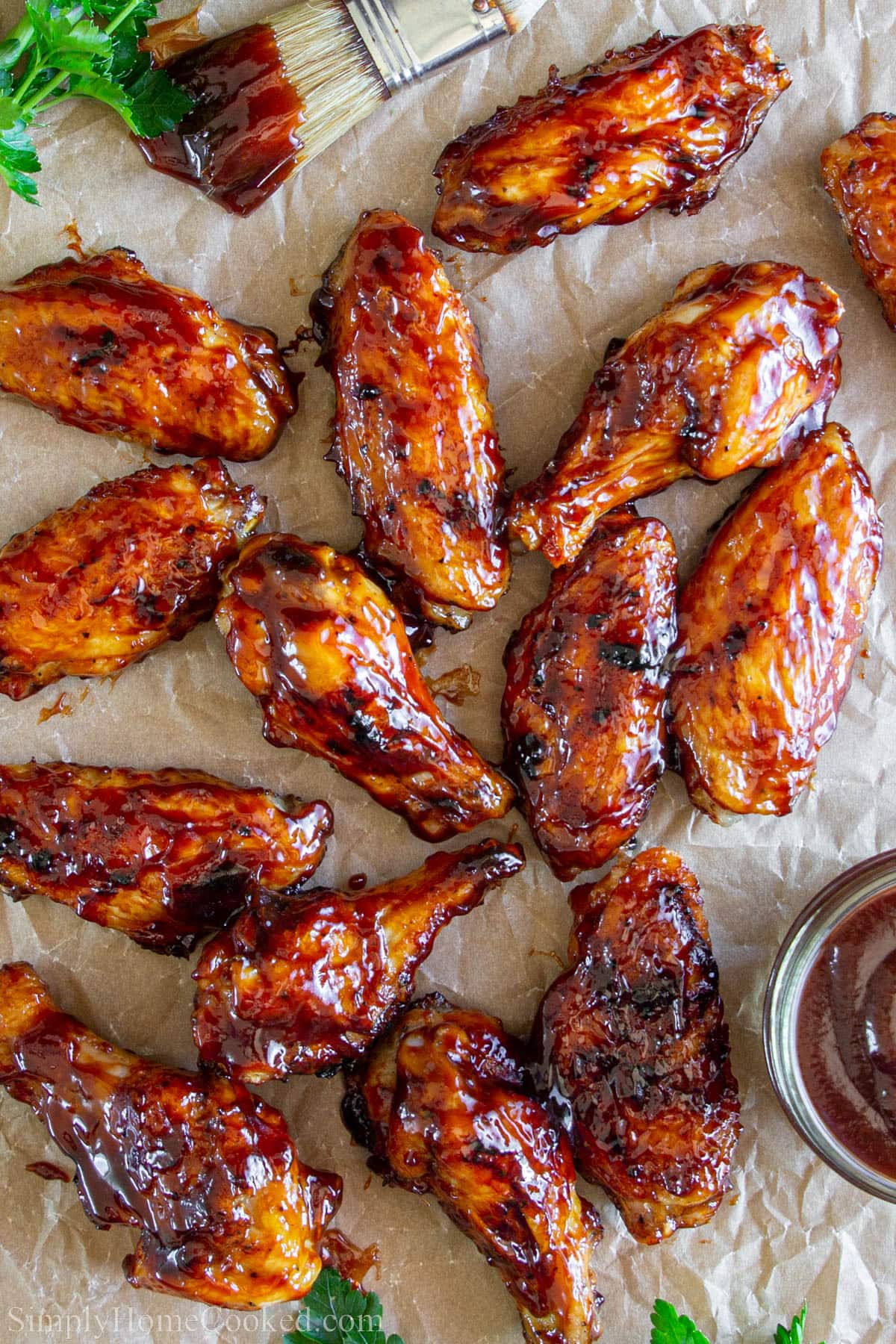
Credit: simplyhomecooked.com
Choosing The Right Chicken Wings
Choosing the right chicken wings sets the stage for perfectly grilled wings every time. The quality and type of wings you select directly affect cooking time and flavor. Understanding your options helps you avoid common grilling pitfalls and achieve juicy, crispy results.
Fresh Vs Frozen Wings
Fresh wings often have better texture and flavor, but frozen wings are more convenient and widely available. If you use frozen wings, make sure to thaw them completely before grilling to ensure even cooking. Have you noticed how frozen wings sometimes release extra water? That can cause flare-ups on the grill, so pat them dry before cooking.
Fresh wings usually cook faster since they’re not icy inside. However, frozen wings can be just as tasty if handled right. The key is to plan ahead and give yourself enough time to thaw them safely in the refrigerator.
Size And Weight Considerations
Chicken wings come in various sizes, and this impacts how long they need on the grill. Smaller wings cook quickly and are great for snacking. Larger wings take longer but offer more meat per piece.
Think about your grill space and how many wings you want to cook at once. Larger wings might require lower heat and more time to cook through without burning the skin. Have you ever bitten into a wing only to find the inside still pink? Adjusting for size can prevent this common mistake.
- Small wings: 2-3 ounces, cook for 15-18 minutes
- Medium wings: 3-4 ounces, cook for 18-22 minutes
- Large wings: 4+ ounces, cook for 22-25 minutes
Knowing the size of your wings helps you control the grill timing and avoid overcooking or undercooking. Next time you buy wings, take a moment to check their size—it makes a big difference.
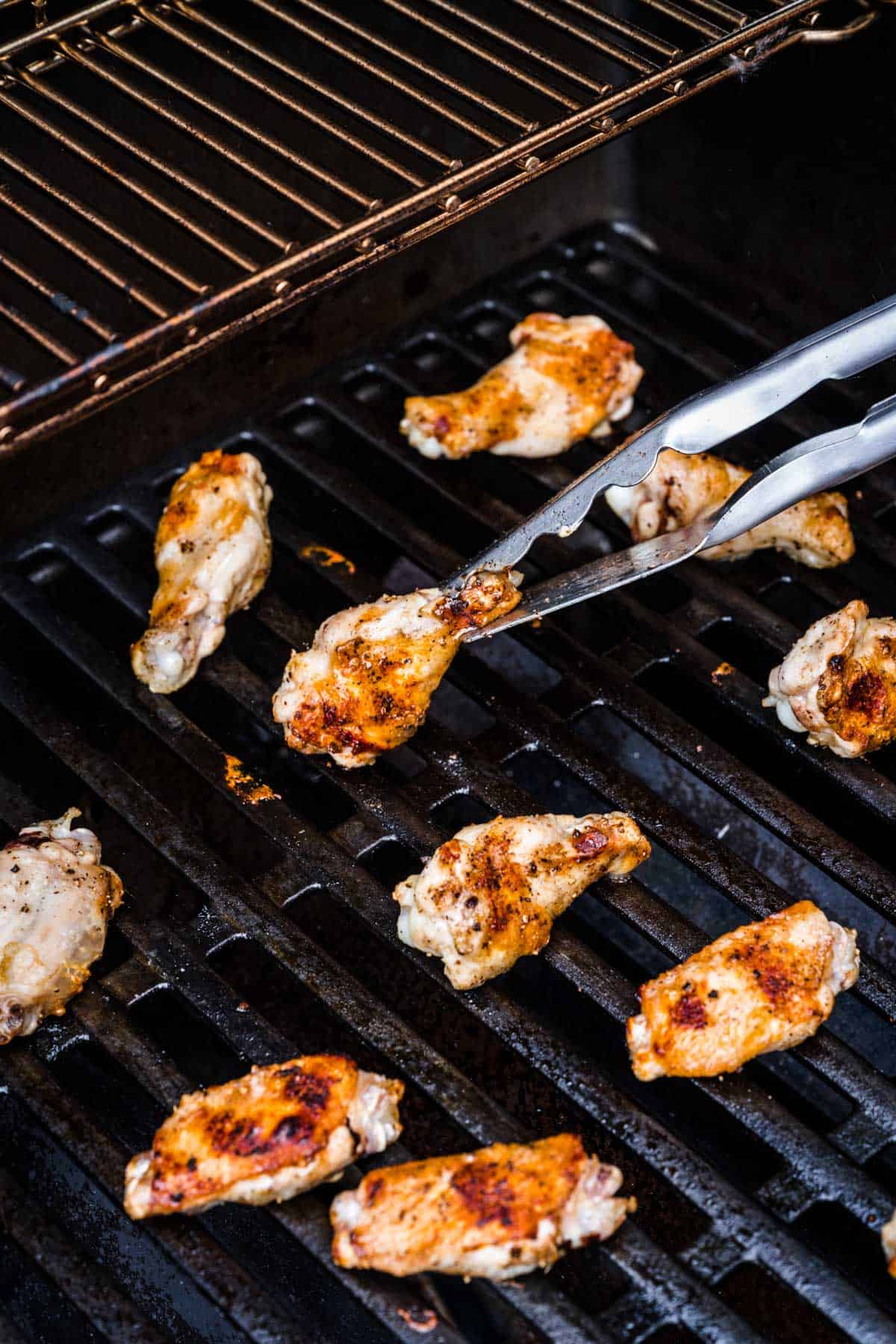
Credit: www.tablefortwoblog.com
Preparing Wings For The Grill
Getting your chicken wings ready for the grill is more than just placing them on the grates. Proper preparation affects the flavor, texture, and how evenly they cook. Taking a little extra time before you start grilling can lead to wings that are juicy inside and perfectly crisp outside.
Cleaning And Patting Dry
Start by rinsing your wings under cold water to remove any residue or packaging juices. This helps avoid any off-flavors that can come from leftover fluids. After rinsing, pat each wing dry with paper towels.
Why dry them thoroughly? Moisture on the skin creates steam when grilling, which prevents crispiness. I’ve learned that dry wings lead to a better sear and a more satisfying crunch. Plus, less flare-up on the gas grill means safer cooking.
Marinating And Seasoning Tips
Marinating adds flavor and can tenderize the meat. Use a simple mix of oil, acid like lemon juice or vinegar, and your favorite spices. Let your wings sit in the marinade for at least 30 minutes, or up to 4 hours for deeper flavor.
If you're short on time, dry seasoning works just as well. Rub your wings with salt, pepper, garlic powder, or a store-bought spice blend. Applying seasoning right before grilling locks in the taste without making the skin soggy.
Have you ever tried a bold flavor like smoked paprika or cayenne? Adding spices that complement smoky grilled notes can transform your wings from ordinary to memorable. Experiment with small batches to find your perfect mix.
Setting Up Your Gas Grill
Setting up your gas grill properly is the first step to cooking perfect chicken wings. A well-prepared grill ensures even cooking, prevents flare-ups, and locks in juicy flavors. Taking a few moments to get your grill ready can make the difference between wings that are crispy and wings that are burnt or undercooked.
Preheating Guidelines
Preheat your gas grill to about 375°F to 400°F before placing the wings on it. This temperature range helps achieve crispy skin without drying out the meat. Turn on all burners and close the lid, letting the grill heat for 10 to 15 minutes.
Why does preheating matter so much? Without it, your wings may stick to the grates and cook unevenly. Think of it like a hot pan in the kitchen—starting with the right heat sets you up for success.
Direct Vs Indirect Heat Zones
Setting up two heat zones on your grill gives you control over cooking speed and prevents burning. Use direct heat (right over the burner) for searing and crisping the wings. Indirect heat (off to the side) lets them cook through gently without charring.
- Place wings over direct heat first to get a golden, crispy exterior.
- Move wings to indirect heat to finish cooking thoroughly without flare-ups.
Have you tried cooking wings on just one heat level? It often leads to burnt outsides and raw insides. Creating these zones helps you manage cooking more precisely and enjoy every bite.
Grilling Time And Temperature
Grill chicken wings on a gas grill at medium heat, around 375°F to 400°F. Cook for about 20 minutes, flipping halfway. Ensure the internal temperature reaches 165°F for safety and best taste.
Grilling chicken wings on a gas grill requires the right time and temperature. This ensures they are cooked through and delightfully crispy. Balancing heat and cooking time is essential for perfect wings. Here's how to achieve that balance.
Ideal Grill Temperature
Set your gas grill to medium heat. Maintain a temperature of 350°F to 400°F. This range helps cook the wings evenly. Avoid high heat to prevent burning the skin.
Cooking Time For Crispy Wings
Cook wings for about 20 to 25 minutes. Turn them every 5 minutes. This helps get an even crisp on all sides. Keep an eye on them to avoid overcooking.
Using A Meat Thermometer
Check the internal temperature of the wings. It should reach 165°F for safe consumption. Insert the thermometer into the thickest part. Avoid touching bone for an accurate reading.
Flipping And Monitoring Wings
Flipping and monitoring chicken wings on a gas grill is crucial to achieve that perfect crispy skin and juicy inside. It’s not just about timing; it’s about paying attention to how the wings cook on each side. Proper flipping ensures even cooking and prevents burning, while careful monitoring helps you avoid drying out the meat.
When To Turn The Wings
Turn your wings once the skin on the bottom side looks golden brown and slightly crispy. This usually happens around 8 to 10 minutes into grilling on medium heat. Avoid flipping too early — wings need time to develop a nice crust before you move them.
Check the edges for signs of charring before flipping. If you see dark spots, flip immediately to prevent burning. Use tongs to gently lift a wing and peek underneath; if it sticks to the grill, give it a bit more time.
Avoiding Overcooking
Overcooked wings become dry and tough, which ruins the experience. Keep a close eye on the grill temperature and adjust as needed to maintain a steady medium heat around 350°F (175°C). Use a meat thermometer to check for an internal temperature of 165°F (74°C) to ensure safety without overdoing it.
Rest your wings off the heat for a few minutes after grilling. This lets the juices redistribute, making every bite tender and flavorful. Have you noticed how resting meat changes its texture? It’s a simple step that makes a big difference.
Finishing Touches
After grilling chicken wings to perfection, the final steps can make all the difference in flavor and texture. Finishing touches help you avoid common pitfalls like soggy skin or dry meat. Paying attention to these details ensures your wings are juicy, crispy, and bursting with flavor.
Adding Sauce Without Sogginess
Applying sauce at the right time is key to keeping your wings crispy. Instead of slathering sauce on while the wings are still on the grill, wait until after grilling. Toss the wings in sauce just before serving to keep the skin crispy and flavorful.
Use a light hand with the sauce. Too much can weigh down the wings and make them soggy quickly. If you prefer a sticky coating, consider brushing sauce on during the last minute on the grill and then tossing again off the heat.
Resting Time For Juiciness
Resting the wings after grilling allows the juices to redistribute inside the meat. This simple step prevents dry, tough bites. Let your wings rest on a plate, loosely covered with foil, for about 5 minutes before digging in.
This short wait can elevate your wings from good to great. Ever noticed how a rested steak tastes juicier? Wings follow the same rule. Don’t skip this step if juicy, tender wings are your goal.
Troubleshooting Common Issues
Grilling chicken wings on a gas grill can be straightforward, but sometimes things don’t go as planned. Troubleshooting common issues helps you get perfectly cooked wings every time. Let’s look at the two most frequent problems you might face and how to fix them.
Dry Or Overcooked Wings
Dry wings often mean they stayed on the grill too long or the heat was too high. If your wings come out tough and lacking juiciness, try lowering the grill temperature slightly. Keeping the temperature around 350°F allows the meat to cook evenly without drying out.
Another tip is to watch the wings closely during the last few minutes of cooking. Wings can go from perfectly tender to overdone in moments. You might also want to baste them with a little oil or sauce to help retain moisture.
Have you tried using a meat thermometer? It’s a game-changer. Wings are done at an internal temperature of 165°F, so checking this can prevent overcooking.
Undercooked Wings Risks
Undercooked wings are not just unpleasant—they’re unsafe. Eating wings that haven’t reached the right temperature puts you at risk of foodborne illnesses like salmonella. Always aim for that safe 165°F internal temp.
If your wings look pink or the juices aren’t clear, they need more time on the grill. Using a reliable meat thermometer takes the guesswork out of grilling. Don’t rush the process; grilling wings on medium heat ensures thorough cooking.
Have you ever bitten into a wing that was undercooked? It’s a tough experience that’s easily avoidable. Taking a little extra time to check doneness is worth your health and peace of mind.
Serving Suggestions
Serving grilled chicken wings goes beyond cooking time. How you serve them can enhance the entire meal. Choose dips and sides that complement the smoky flavor of the wings. Presentation also plays a key role. A great look can make wings more inviting and fun to eat.
Best Dips And Sides
- Classic ranch dressing adds cool creaminess.
- Blue cheese dip offers a tangy contrast.
- Spicy buffalo sauce boosts the heat.
- Honey mustard gives a sweet and tangy twist.
- Celery and carrot sticks provide crunch and freshness.
- Crispy French fries or onion rings make hearty sides.
- Coleslaw adds a crisp, cool balance to the meal.
Presentation Ideas
- Arrange wings in a circular pattern on a large platter.
- Use small bowls for dips placed around the wings.
- Garnish with fresh herbs like parsley or cilantro.
- Serve on a wooden board for a rustic look.
- Place colorful veggie sticks between the wings for contrast.
- Wrap wings in parchment paper cones for easy handling.
- Add lemon wedges for a fresh, zesty option.

Credit: recipeteacher.com
Frequently Asked Questions
How Long Should Chicken Wings Cook On A Gas Grill?
Chicken wings typically take 20-25 minutes on a medium gas grill. Cook at 350-400°F, turning every 5 minutes for even grilling.
What Internal Temperature Ensures Chicken Wings Are Fully Cooked?
Chicken wings are safe to eat at an internal temperature of 165°F. Use a meat thermometer to check for accurate doneness.
Can I Grill Chicken Wings Directly Over The Flame?
Grilling directly over high flame can burn wings. Use medium heat or indirect grilling for juicy, evenly cooked wings.
Should Chicken Wings Be Marinated Before Grilling?
Marinating chicken wings enhances flavor and tenderness. Marinate for at least 30 minutes or up to 4 hours for best results.
Conclusion
Grilling chicken wings on a gas grill takes about 20 to 25 minutes. Keep the heat medium to avoid burning. Turn wings often for even cooking and crisp skin. Use a meat thermometer to check for 165°F inside. This ensures wings are safe and juicy.
With these tips, you can enjoy tasty grilled wings every time. Simple steps, great results. Ready to grill?