Grilling chicken legs on a gas grill can turn a simple meal into a delicious feast. But the big question is—how long should you cook them to get that perfect, juicy bite every time?
If you’ve ever ended up with dry or undercooked chicken, you know how frustrating it can be. You’ll discover the ideal cooking time and tips to master your grill, so your chicken legs come out tender, flavorful, and safe to eat.
Keep reading, and you’ll become the grill master your friends and family can’t stop talking about!

Credit: www.averiecooks.com
Choosing The Right Chicken Legs
Choosing the right chicken legs is important for grilling success. The quality and size of the chicken legs affect cooking time and flavor. Fresh, well-sized legs cook more evenly and taste better on the grill.
Look for chicken legs with firm skin and no discoloration. Avoid legs with bruises or unpleasant odors. These signs show the chicken may not be fresh.
Understanding Chicken Leg Cuts
Chicken legs include two parts: the drumstick and the thigh. Some stores sell whole legs, while others sell separated parts. Whole legs need a bit more time to cook than drumsticks alone.
Choosing Size And Weight
Uniform size helps cook all pieces evenly. Medium-sized legs, about 4 to 6 ounces each, work best on the grill. Large legs take longer to cook and may dry out outside while inside stays raw.
Fresh Vs. Frozen Chicken Legs
Fresh chicken legs have better texture and flavor. Frozen legs are convenient but require thawing before grilling. Never grill frozen legs directly, as they cook unevenly and can stay raw inside.
Organic And Free-range Options
Organic and free-range chicken legs often taste better. They usually have firmer meat and less fat. These options cost more but offer a richer grilling experience.

Credit: www.rachelcooks.com
Preparing The Grill
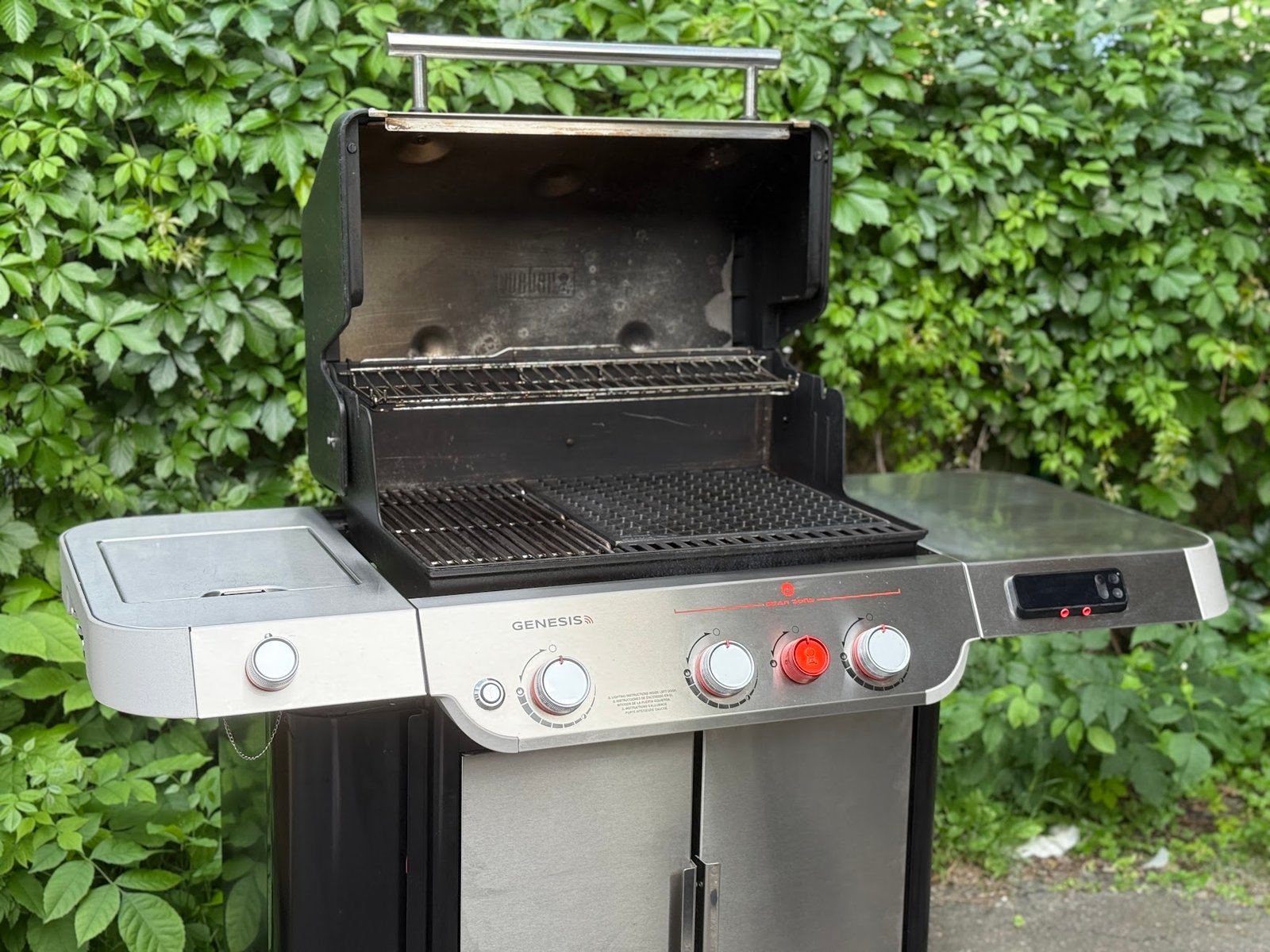
Getting your gas grill ready is a crucial part of cooking chicken legs perfectly. A well-prepared grill ensures even cooking, prevents sticking, and enhances the smoky flavor you want. Let’s look at two key steps that make a big difference before you place those chicken legs on the grill.
Cleaning The Grill Grates
Dirty grill grates can cause your chicken to stick or cook unevenly. Use a sturdy grill brush to scrape off old food bits and grease while the grill is still warm. If you’ve ever experienced chicken tearing apart when flipping, this step is probably why.
After brushing, wipe the grates with a damp cloth or paper towel to remove any leftover debris. This also helps to avoid flare-ups from grease. You want a clean surface that allows your chicken legs to get those perfect grill marks without sticking.
Setting The Right Temperature
Chicken legs need a balance between direct heat for browning and indirect heat for thorough cooking. Aim for a medium heat setting, around 350°F to 375°F (175°C to 190°C). This temperature range cooks the chicken through without burning the skin.
Preheat your grill for at least 10-15 minutes before cooking. This ensures the grates are hot enough to sear the chicken legs quickly. Have you noticed how a properly heated grill helps lock in the juices? It’s a simple trick that transforms your chicken from dry to delicious.
Marinating For Flavor
Marinating chicken legs adds deep flavor and tenderizes the meat. It helps the spices and herbs soak into the chicken. This makes every bite juicy and delicious. A good marinade can transform simple chicken legs into a tasty meal on your gas grill.
Essential Ingredients
Choose ingredients that balance taste and moisture. A basic marinade needs acid, oil, and seasonings.
- Acid:Lemon juice, vinegar, or yogurt to tenderize.
- Oil:Olive oil or vegetable oil to keep meat moist.
- Seasonings:Garlic, salt, pepper, herbs, and spices for flavor.
Mix these well for a rich marinade. You can add honey or soy sauce for sweetness and saltiness.
Marination Time
Marinate chicken legs for at least 30 minutes. This allows flavors to start soaking in.
For best results, marinate for 4 to 6 hours. The chicken absorbs more taste and becomes tender.
Avoid marinating longer than 24 hours. The acid can break down the meat too much and make it mushy.
Cooking Techniques
Cooking chicken legs on a gas grill requires smart techniques. These techniques help you cook the chicken evenly and safely. Understanding heat zones and using the right tools makes a difference. Proper cooking methods keep the meat juicy and flavorful.
Direct Vs Indirect Heat
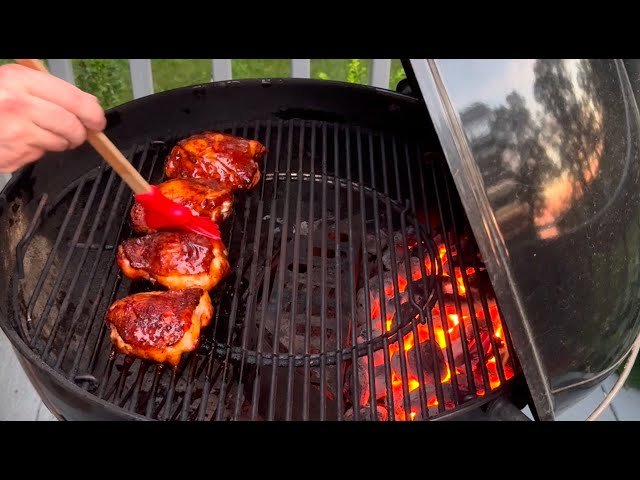
Direct heat means placing chicken legs right over the flame. This cooks the outside quickly and gives a nice char. It works well for smaller pieces or if you want crispy skin fast.
Indirect heat means putting chicken legs away from the flame. The grill lid stays closed, and heat surrounds the meat. This cooks chicken slowly and evenly, avoiding burnt spots. It is best for thicker pieces to cook through without drying out.
Use a mix of both methods. Start with direct heat to brown the skin. Then move legs to indirect heat to finish cooking inside.
Using A Meat Thermometer
A meat thermometer ensures chicken is safe to eat. Insert it into the thickest part of the leg without touching bone. The safe internal temperature is 165°F (74°C).
Check temperature near the end of cooking. This prevents overcooking and dry meat. Digital instant-read thermometers give quick, accurate results.
Using a thermometer is the best way to cook chicken legs perfectly every time.
Timing Guidelines
Knowing the right timing to cook chicken legs on a gas grill can make all the difference between juicy, flavorful meat and dry, overcooked chicken. Timing guidelines help you plan your grilling perfectly, so you get that crispy skin and tender inside every time. Let’s break down how long you should grill chicken legs and what factors can change that time.
Average Cooking Time
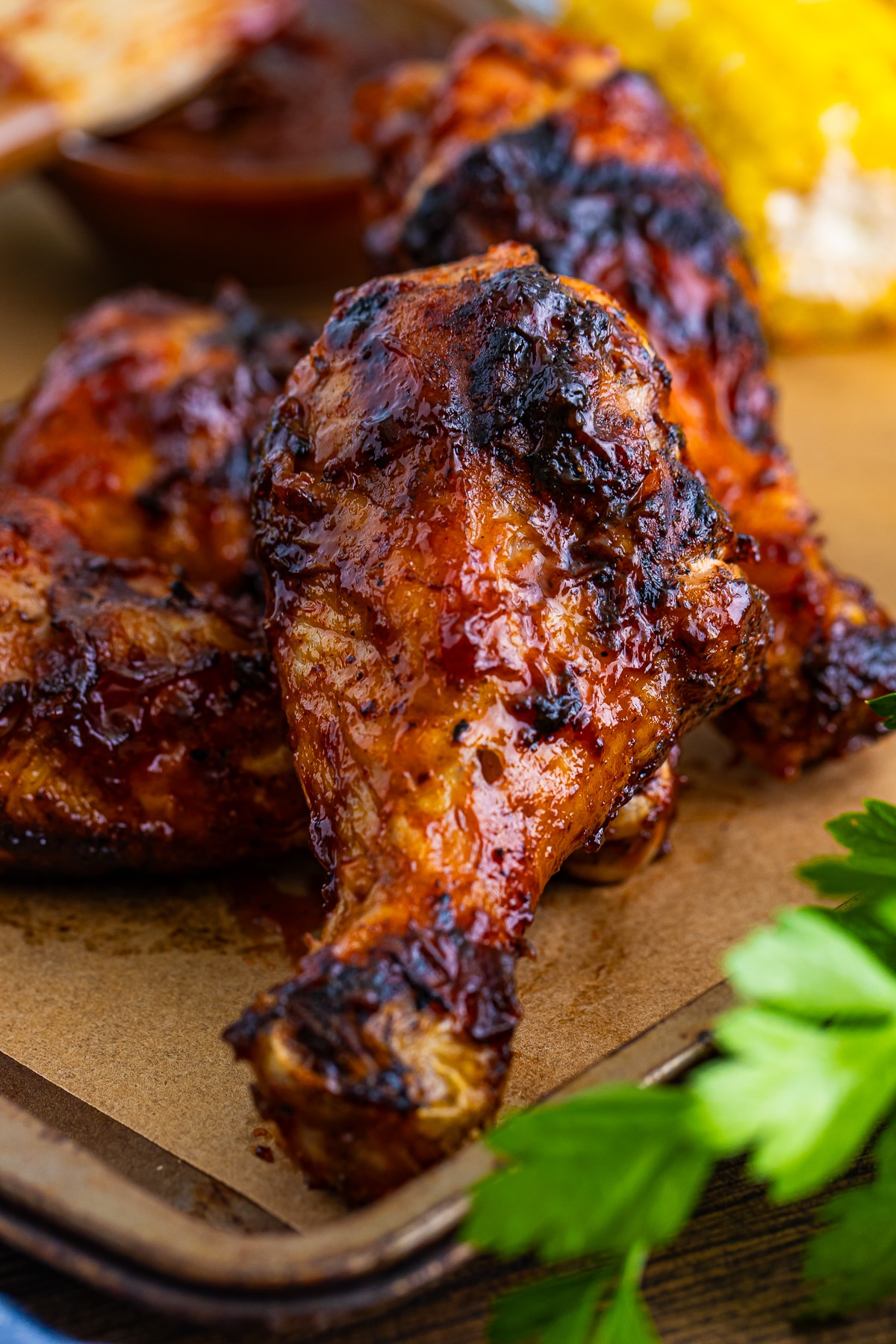
Chicken legs usually take about 30 to 40 minutes to cook on a medium heat gas grill. This timing assumes a grill temperature around 350°F to 375°F (175°C to 190°C). You’ll want to turn the legs every 10 minutes to ensure even cooking and prevent burning.
Using a meat thermometer can help you avoid guessing. The internal temperature should reach 165°F (74°C) for safe eating. Have you checked your chicken’s temperature before? It’s the best way to avoid dry meat.
Adjusting For Size And Thickness
Not all chicken legs are the same size or thickness. Thicker legs need more time, sometimes up to 45 minutes, while smaller legs might be done in just 25 minutes. If your chicken legs have extra skin or are very meaty, add a few minutes to the cooking time.
Keep an eye on flare-ups or hot spots on your grill, which can cook some parts faster than others. Moving the legs around and adjusting the grill’s heat can help you get an even cook. Have you tried using indirect heat to slow down cooking for thicker pieces? It’s a trick that helps avoid burning the outside while the inside cooks through.
Credit: thissillygirlskitchen.com
Resting The Chicken
Resting chicken legs after grilling is a crucial step that many overlook. It allows the juices to redistribute throughout the meat, making every bite tender and flavorful. Skipping this step can leave your chicken dry, no matter how perfectly you cooked it on the grill.
Why Resting Matters
When chicken legs come off the grill, the heat forces juices toward the center. If you cut into them right away, those juices spill out, leaving the meat less juicy. Resting gives the juices time to settle back into the fibers, improving both taste and texture.
How Long Should You Rest Chicken Legs?
A good rule of thumb is to rest grilled chicken legs for about 5 to 10 minutes. This short wait may seem like a tease when you’re hungry, but it makes a noticeable difference. Try it once and you’ll see how much juicier your chicken becomes.
Best Practices For Resting
- Place the chicken legs on a clean plate or cutting board.
- Cover them loosely with aluminum foil to keep warm without trapping steam.
- Avoid stacking the pieces to prevent sogginess.
These small steps help maintain the perfect balance of warmth and moisture.
Have You Ever Skipped Resting?
Think about the last time you grilled chicken legs and cut them right away. Did they seem a bit dry or less flavorful? Next time, try resting them and notice the difference. It’s a simple habit that elevates your grilling game instantly.
Common Mistakes To Avoid
Cooking chicken legs on a gas grill can be simple, but many make common mistakes. Avoiding these errors improves taste and safety. Knowing what to watch out for helps you grill better every time.
Overcooking
Overcooking chicken legs makes them dry and tough. The meat loses moisture and becomes less tasty. Use a meat thermometer to check the internal temperature. Aim for 165°F (74°C) to ensure safety without drying out the meat. Turn the legs regularly to cook evenly. Remove from the grill right after reaching the correct temperature.
Underestimating Rest Time
Rest time is often ignored but very important. Let chicken legs rest for 5 to 10 minutes after grilling. This lets the juices spread inside the meat. Cutting too soon causes juice loss, making the meat dry. Cover the chicken loosely with foil during rest. This keeps it warm while the juices settle.
Serving Suggestions
Serving chicken legs straight off the gas grill is satisfying, but pairing them with the right sides and sauces can elevate your meal to a whole new level. The right combinations complement the smoky, juicy flavors of the chicken, making each bite more enjoyable. Think about how you want your meal to feel—comforting, fresh, or bold—and choose your accompaniments accordingly.
Pairing With Sides
Simple sides often work best with grilled chicken legs. Crisp salads with a tangy vinaigrette cut through the richness of the meat. Roasted vegetables, like asparagus or bell peppers, add a sweet and smoky balance.
Starchy sides such as grilled corn on the cob or garlic mashed potatoes bring comfort and a satisfying texture contrast. If you want something lighter, try a quinoa salad with herbs and lemon for a fresh finish. What sides do you find bring out the best in your grilled chicken?
Sauces And Garnishes
Sauces can take your grilled chicken to the next level. A classic barbecue sauce adds sweetness and a smoky punch, while a spicy sriracha mayo gives it a creamy kick. For a fresh twist, try chimichurri—it’s herbaceous and bright, perfect for grilled meats.
Don’t forget garnishes. A sprinkle of chopped fresh parsley or cilantro adds color and a burst of flavor. Thinly sliced green onions or a squeeze of lime juice can also brighten the dish. What’s your favorite sauce to dip or drizzle over grilled chicken legs?
Frequently Asked Questions
How Long To Grill Chicken Legs On Gas Grill?
Chicken legs typically take 30 to 40 minutes on a medium gas grill. Turn them every 10 minutes for even cooking. Use indirect heat to avoid burning. The internal temperature should reach 165°F for safe consumption.
What Temperature Should Gas Grill Be For Chicken Legs?
Set your gas grill to medium heat, about 350°F to 375°F. This ensures chicken legs cook evenly without drying out. Maintaining this temperature helps achieve crispy skin and juicy meat inside.
How To Check If Chicken Legs Are Fully Cooked?
Use a meat thermometer to check doneness. Insert it into the thickest part of the leg. The internal temperature must read at least 165°F. Juices should run clear, and meat should no longer be pink.
Should Chicken Legs Be Marinated Before Grilling?
Marinating chicken legs enhances flavor and tenderness. A marinade with acid, oil, and spices works best. Marinate for at least 30 minutes or up to 4 hours before grilling. Avoid long marination to prevent texture changes.
Conclusion
Grilling chicken legs on a gas grill takes about 30 to 40 minutes. Keep the heat medium to cook evenly without burning. Turn the legs often for juicy, tender meat. Use a meat thermometer to check for 165°F inside. This ensures the chicken is safe to eat.
Enjoy your perfectly grilled chicken with simple sides. Now you can confidently cook chicken legs outdoors with ease. Simple steps, great taste. Ready to grill?