If you’ve ever wondered how long to cook bone broth in a slow cooker, you’re in the right place. Getting the timing just right can make all the difference between a rich, flavorful broth and one that falls flat.
You want your broth to be packed with nutrients and taste, but without spending all day hovering over the stove. You’ll discover the perfect cooking times and tips to help you make bone broth that’s both delicious and nourishing. Keep reading, and soon you’ll have a slow cooker bone broth recipe that’s easy, satisfying, and worth every minute.

Credit: fitslowcookerqueen.com
Benefits Of Bone Broth
Bone broth is more than just a flavorful base for soups and stews. It offers a range of benefits that make it a valuable addition to your diet and cooking routine. Understanding these benefits can help you appreciate why cooking bone broth in a slow cooker is worth the time and effort.
Nutritional Value
Bone broth is packed with essential nutrients your body needs. It contains collagen, amino acids, minerals like calcium and magnesium, and gelatin. These nutrients come from the bones and connective tissues slowly released during cooking.
Unlike many processed foods, bone broth delivers nutrients in an easily digestible form. This means your body can absorb and use them efficiently. Have you ever noticed how comforting a warm cup of bone broth feels? That’s the nutrition working quietly to support you.
Health Advantages
Bone broth supports joint health by providing collagen, which helps rebuild cartilage. It may also improve gut health by sealing and soothing the digestive tract, thanks to its gelatin content. Some people find their skin feels better and more hydrated after regularly drinking bone broth.
Do you struggle with joint stiffness or digestive issues? Adding bone broth to your meals might be a simple way to feel relief. It’s not a quick fix but a gentle, natural boost you can count on over time.
Uses In Cooking
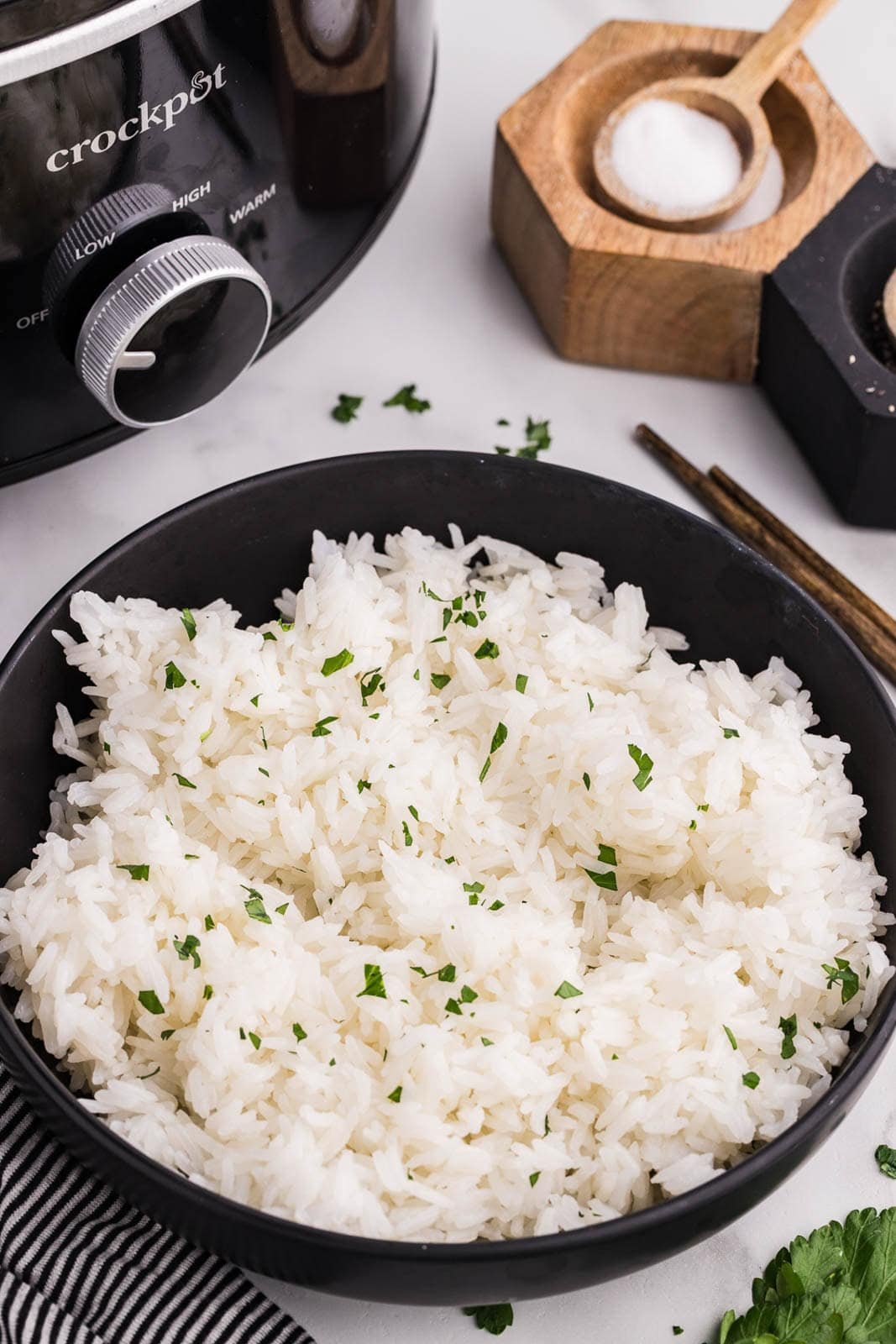
Bone broth isn’t just a health tonic—it’s incredibly versatile in the kitchen. Use it as a base for soups, stews, and sauces to add rich flavor and nutrients. It also works well when cooking grains like rice or quinoa, enhancing their taste and texture.
If you want to add depth to your dishes without extra fat or salt, bone broth is your secret weapon. Have you tried swapping water for bone broth in your recipes yet? It can transform everyday meals into something special.
Choosing Bones For Broth
Cooking bone broth in a slow cooker enhances its rich flavor. Simmer the bones for 12 to 24 hours. This time allows nutrients to fully release, creating a nourishing broth.
Choosing the right bones for your bone broth can make all the difference in flavor and nutrition. Selecting the best bones isn't just about grabbing the first pack you see at the store. It's about understanding the types, the quality, and where they come from. Let's dive into the essentials of choosing bones for your broth.
Types Of Bones
Not all bones are created equal. Different types offer varying flavors and nutrients. Beef bones, like knuckles and marrow, are rich in collagen, giving your broth a gelatinous texture. Chicken feet and wings are excellent for a lighter broth packed with minerals. Which type sounds right for your next culinary adventure?
Fresh Vs. Roasted
To roast or not to roast? That is the question! Fresh bones give a more subtle flavor, while roasted bones offer a rich, deep taste. Roasting bones before simmering can elevate the broth's complexity. Try roasting them at 400°F for about 30 minutes for an extra layer of deliciousness. What flavor profile are you aiming for?
Where To Source
Finding quality bones is easier than you think. Local butcher shops often carry a variety of bones at reasonable prices. Farmers' markets are another fantastic option, offering organic or pasture-raised bones. You might even find unique options like bison or venison. Have you ever considered asking your local grocery's meat department for recommendations? Your choice of bones sets the foundation for a broth that nourishes and delights. Now, are you ready to select the perfect bones for your next slow cooker adventure?
Preparing Bones For Slow Cooker
Preparing bones properly sets the foundation for a rich and flavorful bone broth in your slow cooker. The way you clean, roast, and enhance the bones can dramatically affect the depth of flavor and clarity of your broth. Taking time with these steps ensures your broth will be both nutritious and delicious.
Cleaning And Blanching
Start by rinsing your bones under cold water to remove any dirt or blood. This simple step helps avoid a cloudy broth.
Next, blanch the bones by boiling them in water for 10 to 15 minutes, then drain and rinse again. This removes impurities and scum that could affect the taste and appearance.
Have you noticed how blanching creates a clearer broth? It’s a small effort that pays off in a clean, fresh flavor.
Roasting Tips
Roasting bones before slow cooking unlocks deep, nutty flavors you won't get otherwise. Spread bones on a baking sheet and roast at 400°F (200°C) for 30 to 45 minutes until they turn golden brown.
Turn them halfway through to ensure even browning. The aroma filling your kitchen is a good sign you’re on the right track.
Try mixing marrow and knuckle bones for a richer broth with a balanced texture and taste.
Adding Vegetables And Herbs
Vegetables and herbs add layers of flavor and complexity to your broth. Typical choices include onions, carrots, celery, garlic, bay leaves, and thyme.
Add these ingredients toward the beginning of the slow cooking process to let their flavors meld with the bones.
Think about what flavors you enjoy in soups and stews, then experiment by adding those herbs and veggies to your broth. What combinations surprise you the most?
Ideal Cooking Times
Knowing the ideal cooking times for bone broth in a slow cooker helps you get the best flavor and nutrients. Cooking too little time means weak broth. Cooking too long can cause bitterness. Different bones and simmering times affect the broth’s quality and taste.
Short Vs. Long Simmering
Short simmering, around 6 to 12 hours, extracts basic flavors and some nutrients. It suits chicken bones well. Long simmering, 24 to 48 hours, pulls more gelatin and minerals from tough bones. This creates a richer broth. Slow cooking over many hours breaks down collagen and marrow fully.
Beef Vs. Chicken Bones
Beef bones need longer cooking times, usually 24 to 48 hours. They are denser and contain more collagen. Chicken bones cook faster, often done in 8 to 12 hours. Chicken broth tastes lighter and cooks quicker. Using a slow cooker on low heat helps both types release nutrients gently.
Signs Broth Is Ready
- The broth turns rich golden or brown.
- It smells deep and savory.
- Gelatin forms when chilled.
- Flavors taste full and balanced.
- Bones start to break down.
Stop cooking when these signs appear. Overcooking can make broth bitter and dull.
Temperature Settings
Temperature settings play a key role in cooking bone broth in a slow cooker. The right heat helps extract nutrients and flavors from the bones. It also affects the cooking time and final taste. Understanding how to use low and high heat settings can improve your broth quality.
Low Vs. High Heat
Low heat cooks bone broth slowly over many hours. This slow process breaks down collagen and releases minerals gently. It usually takes 12 to 24 hours on low for rich broth.
High heat speeds up cooking but may cause some flavors to become bitter. It takes about 6 to 8 hours on high to get a decent broth. Low heat is better for deeper flavors and clearer broth.
Maintaining Simmer
Bone broth should simmer, not boil. A steady simmer keeps the broth clear and tasty. Boiling can make broth cloudy and less flavorful.
To maintain simmer:
- Set slow cooker on low or high based on time available.
- Check temperature if possible; aim for 190°F to 210°F (88°C to 99°C).
- Adjust lid position to allow steam to escape slowly.
Safety Considerations
Cook bone broth at a safe temperature to avoid bacteria. Slow cookers should reach at least 140°F (60°C) to keep broth safe.
Never leave broth out at room temperature for long periods. Cool and store broth in the fridge within two hours after cooking.
Use fresh ingredients and clean utensils to reduce contamination risks.
Enhancing Flavor And Nutrition
Enhancing the flavor and nutrition of your bone broth is key to making it both delicious and healthy. The slow cooking process extracts nutrients and develops deep, rich flavors, but a few simple tweaks can make a big difference. These tips will help you create a broth that nourishes your body and delights your taste buds.
Adding Vinegar And Spices
Adding a splash of vinegar to your slow cooker helps break down the bones, releasing valuable minerals like calcium and magnesium. Apple cider vinegar is a popular choice, but white vinegar works well too. Just add about 1-2 tablespoons before cooking to get the most nutrition out of your broth.
Spices add more than just flavor—they can boost your broth’s health benefits. Try adding garlic, ginger, or peppercorns for extra depth and anti-inflammatory properties. You can experiment with herbs like thyme or bay leaves, but keep it simple to avoid overpowering the natural taste of the broth.
Layering Ingredients
How you place your ingredients in the slow cooker affects the broth’s flavor. Bones should go in first so they’re fully submerged and have maximum contact with water. Vegetables and herbs go on top to release their flavors gradually without becoming mushy.
Layering also helps with nutrient extraction. Denser items like marrow bones and knuckles should be at the bottom, while lighter items like carrots and celery sit near the top. This arrangement ensures even cooking and a balanced flavor profile.
Adjusting Salt Levels
Salt is crucial, but it’s best to add it after cooking rather than before. Adding salt early can concentrate flavors too much or make the broth too salty as it reduces. Taste your broth once it’s done and add salt gradually until it hits the perfect balance.
Consider low-sodium or sea salt for a cleaner flavor. Also, think about how you’ll use the broth—if it’s a base for soups or sauces, add less salt initially to give yourself more control later. This way, you avoid over-seasoning and maintain full control over your final dish.
Storing And Using Bone Broth
Storing and using bone broth properly keeps its flavor and nutrients fresh. Bone broth can be stored in the fridge or freezer to use later. Careful cooling and storage help prevent spoilage and preserve its quality. Knowing how to reheat bone broth ensures it stays tasty and ready for meals.
Cooling And Refrigeration
Let the bone broth cool down before refrigerating. Avoid leaving it at room temperature for more than two hours. Pour the broth into shallow containers to speed cooling. Seal containers tightly to keep out air and bacteria. Store in the fridge at or below 40°F (4°C). Use refrigerated broth within 4 to 5 days for best taste and safety.
Freezing Tips
Freezing bone broth extends its shelf life for several months. Use freezer-safe containers or heavy-duty freezer bags. Leave some space at the top because broth expands when frozen. Label containers with the date to track storage time. Freeze broth in small portions for easy thawing. Frozen bone broth stays good for 4 to 6 months.
Reheating Methods
Reheat bone broth gently to keep its flavor and nutrients. Warm it on the stove over low heat, stirring often. Avoid boiling, which can change the taste and texture. Using a microwave is fine; heat in short bursts and stir in between. Use reheated broth within 24 hours and do not re-freeze it.
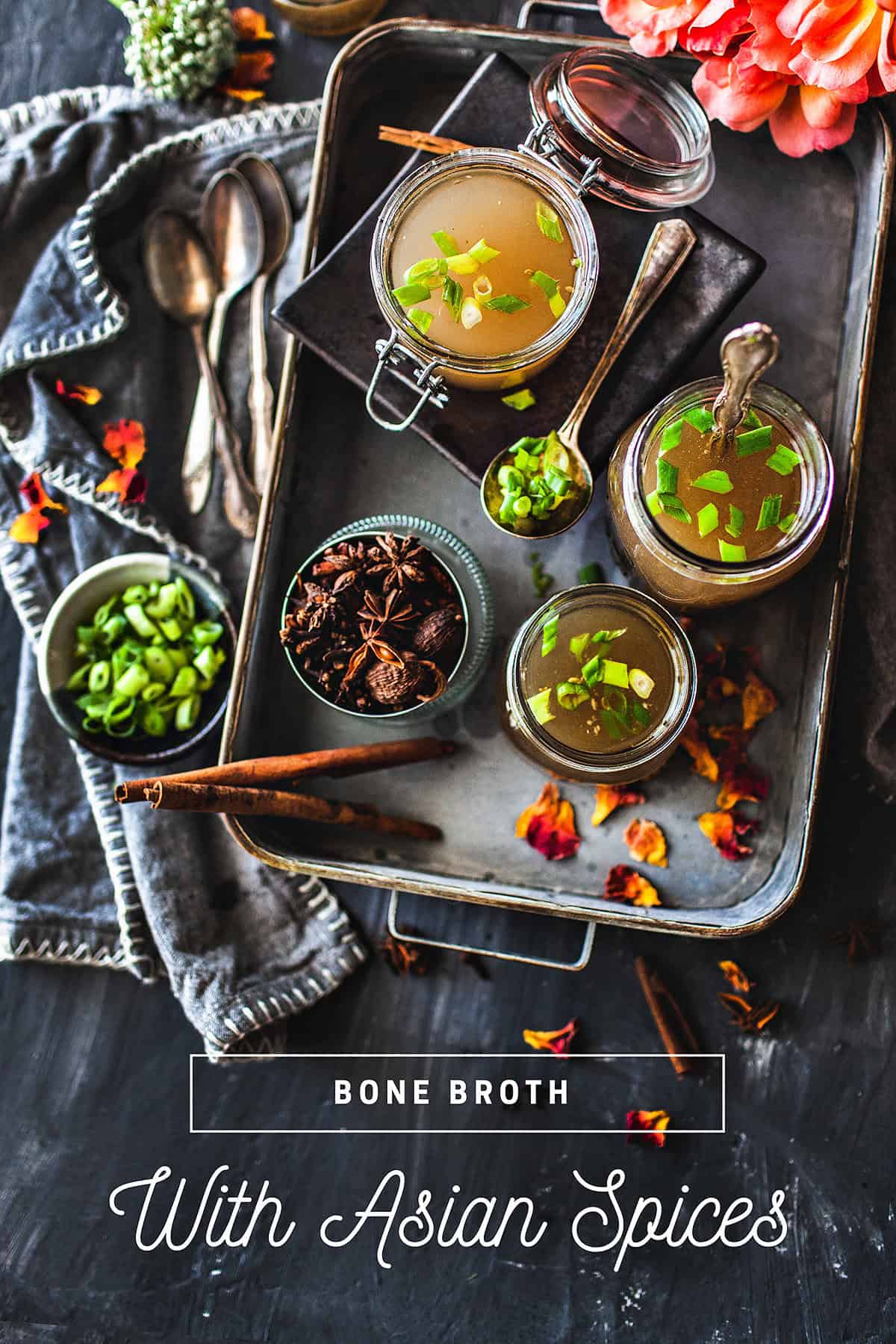
Credit: www.simplysuwanee.com
Common Mistakes To Avoid
Cooking bone broth in a slow cooker can be straightforward, but certain mistakes often trip up even experienced cooks. These errors can affect the flavor, nutrition, and safety of your broth. Avoiding common pitfalls will help you make the most of your slow cooker and create a rich, nourishing broth every time.
Overcooking Issues
It might seem like the longer you cook bone broth, the better it gets. But overcooking can actually break down the gelatin and nutrients, resulting in a bitter taste and cloudy broth. Cooking your broth for more than 24 hours often leads to this problem.
Have you ever noticed a sharp, unpleasant flavor after leaving your broth to cook for too long? That’s a sign it’s time to stop. Aim for 12 to 24 hours to extract the best flavors without degrading the quality.
Under-extraction
On the flip side, not cooking your broth long enough means missing out on key nutrients and depth of flavor. Bones need time to release collagen, minerals, and amino acids that make bone broth so beneficial. Less than 8 hours in a slow cooker usually isn’t enough.
If your broth tastes weak or watery, ask yourself how long it simmered. Extending the cooking time can dramatically improve richness and health benefits.
Improper Storage
Even the best bone broth can spoil if not stored correctly. Letting broth sit at room temperature for too long or storing it in containers that aren’t airtight invites bacteria growth. Always cool your broth quickly and refrigerate within two hours of cooking.
Freezing leftover broth in small portions helps you avoid waste and keeps it fresh longer. Have you been storing your broth in large containers that take forever to thaw? Try smaller jars or freezer bags instead for convenience.

Credit: www.saltnpepperhere.com
Frequently Asked Questions
How Long Should Bone Broth Cook In A Slow Cooker?
Bone broth typically cooks in a slow cooker for 12 to 24 hours. Longer cooking extracts more nutrients and flavor. Cooking beyond 24 hours may cause bitterness. Use low heat settings for best results.
Can I Cook Bone Broth Overnight In A Slow Cooker?
Yes, cooking bone broth overnight is ideal. Set the slow cooker on low for 12 to 16 hours. This method maximizes nutrient extraction and flavor. Ensure your slow cooker is safe for unattended use.
Does Cooking Bone Broth Longer Improve Its Nutrition?
Cooking bone broth longer enhances nutrient release, especially collagen and minerals. However, overcooking beyond 24 hours can degrade some nutrients and affect taste. Aim for 12 to 24 hours for optimal nutrition and flavor balance.
What Temperature Is Best For Slow Cooker Bone Broth?
The best temperature is low heat, around 190°F (88°C). This gentle heat extracts nutrients without boiling. Avoid high heat as it can make broth cloudy and bitter.
Conclusion
Cooking bone broth in a slow cooker takes time but is worth it. Aim for at least 12 hours for rich flavor and nutrients. You can cook longer, up to 24 hours, for a deeper taste. Keep the heat low to avoid boiling.
Remember, patience makes the broth better. Enjoy the warm, healthy broth in soups, stews, or on its own. Simple steps lead to a tasty, nourishing result every time.