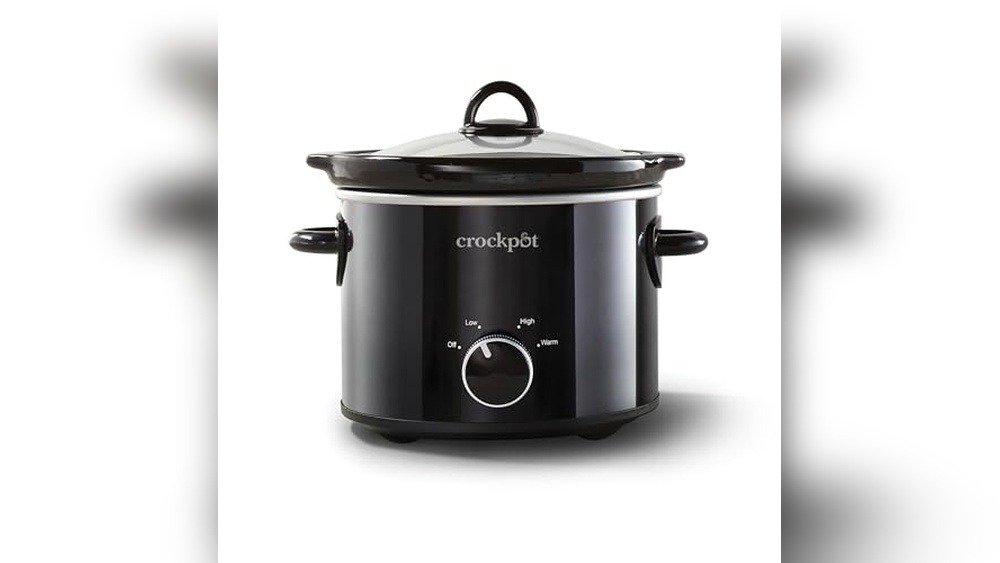
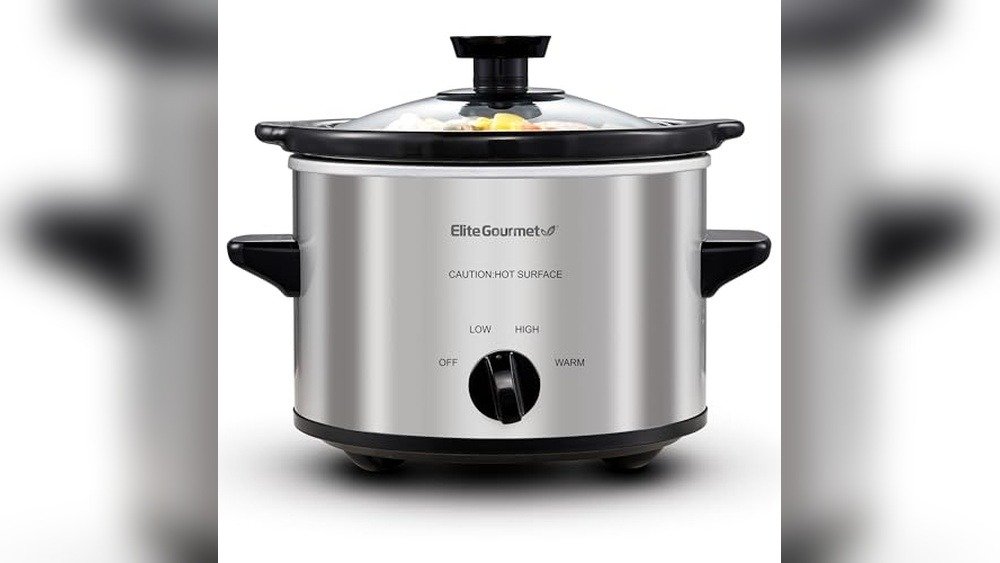
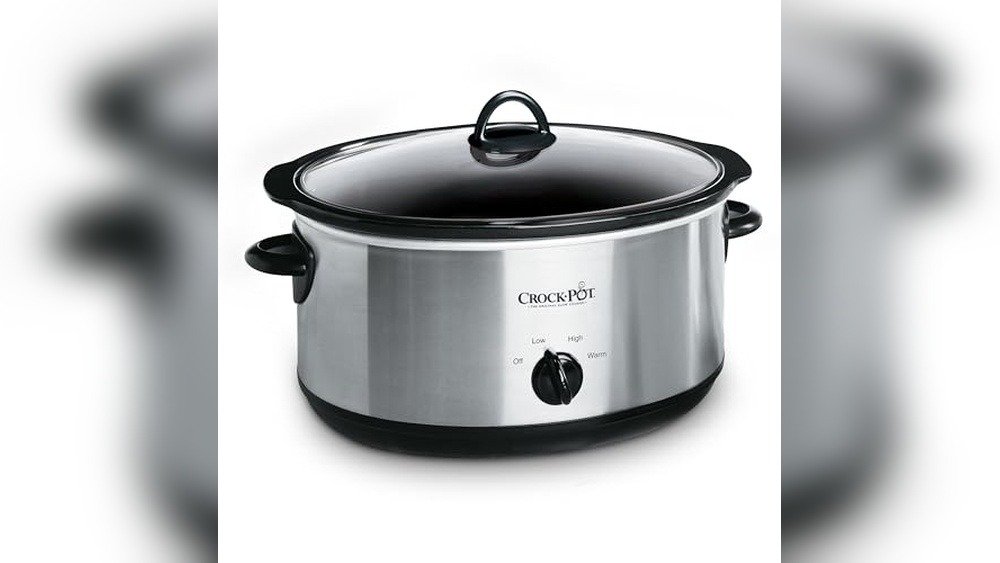
If you’ve ever wondered how to make tender, flavorful beef tongue without spending hours watching the stove, you’re in the right place. Cooking beef tongue in a slow cooker is one of the easiest ways to get perfect results every time.
But how long exactly should you cook it to achieve that melt-in-your-mouth texture? Knowing the right timing can save you from tough, chewy meat or overcooked mush. Keep reading, and you’ll discover the ideal slow cooker time that makes your beef tongue irresistible—and get tips to make your next meal a success.
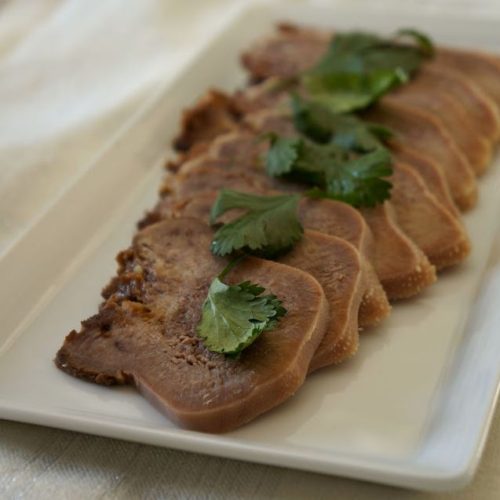
Credit: koshercowboy.com
Choosing Beef Tongue
Choosing the right beef tongue is key to a tasty slow-cooked meal. Quality affects flavor and texture. Freshness and size matter most. A good tongue cooks evenly and tastes tender.
Selecting Fresh Tongue
Pick a beef tongue that looks clean and moist. Avoid tongues with dry spots or dark patches. The surface should feel firm, not slimy. Fresh tongue smells mild, not sour or strong. Choose a tongue that weighs about 2 to 3 pounds for easy cooking.
Preparing For Cooking
Rinse the tongue under cold water to remove any dirt. Trim off excess fat and glands. Some cooks like to soak it in cold water for an hour. This helps remove impurities. Use a sharp knife for trimming. Pat the tongue dry before placing it in the slow cooker.
Credit: piwik.thecable.ng
Slow Cooker Basics
Mastering slow cooker basics is essential for cooking beef tongue to tender perfection. This cut requires gentle, consistent heat over several hours to break down tough muscles. Understanding the slow cooker's settings and choosing the right cookware can make all the difference in your final dish.
Setting The Right Temperature
Slow cookers usually have three settings: low, medium, and high. For beef tongue, low heat is your best friend. Cooking it on low allows the meat to become tender without drying out.
High heat might seem tempting to save time, but it often leads to uneven cooking. Have you noticed how some slow-cooked meals turn out chewy or tough? That’s usually because the temperature was too high.
Set your slow cooker to low and plan for 8 to 10 hours of cooking time. This slow and steady process ensures every bite melts in your mouth.
Using The Right Cookware
Most slow cookers come with ceramic or stoneware inserts, which distribute heat evenly. Avoid using metal inserts unless specified by your slow cooker’s manufacturer.
If your slow cooker insert is scratched or damaged, it can cause hotspots. These spots may cook the tongue unevenly, leaving some parts tough.
Consider the size of your slow cooker too. A 6-quart model fits an entire beef tongue comfortably. Crowding the cooker with extra ingredients can affect cooking time and texture.
Have you ever tried cooking beef tongue in a crockpot that was too small? The result is often overcooked edges and undercooked center. Choose your cookware wisely to avoid this common pitfall.
Cooking Time Guidelines
Cooking beef tongue in a slow cooker needs the right timing for tender results. The cooking time varies based on temperature and other factors. Following the correct guidelines ensures the tongue becomes soft and flavorful. Below are key points about cooking times at low and high heat.
Low Heat Timing
Cooking beef tongue on low heat takes the longest but yields the best texture. It usually requires 8 to 10 hours. This slow process allows the meat to become very tender. Slow cooking at low heat prevents the tongue from drying out. It also helps the flavors develop deeply.
High Heat Timing
Cooking on high heat reduces the time to about 4 to 6 hours. This option is faster but needs careful attention. The tongue can cook unevenly or become tough if overcooked. Use high heat when short on time but check the texture often. The meat should be soft and easy to pierce with a fork.
Factors Affecting Cook Time
- Size and weight of the beef tongue affect cooking duration.
- Fresh or frozen status changes how long it cooks.
- Individual slow cooker models vary in heat intensity.
- Adding ingredients like vinegar or spices might alter cooking time slightly.
- The altitude can also influence cooking speed.
Monitor the tongue during cooking to avoid under or overcooking. Adjust time as needed based on these factors for best results.
Seasoning And Flavoring
Seasoning and flavoring make beef tongue a delightful dish. The right spices and herbs can transform its taste. Adding broth and vegetables enhances the flavor even more. A slow cooker helps infuse these flavors perfectly.
Best Spices And Herbs
Spices and herbs play a key role in seasoning beef tongue. Common choices include garlic, bay leaves, and black pepper. Onion powder and thyme also work well. These ingredients provide a rich, savory taste. They penetrate the meat during slow cooking.
- Garlic
- Bay leaves
- Black pepper
- Onion powder
- Thyme
Adding Broth And Vegetables
Broth adds depth to the beef tongue. Beef or chicken broth both work well. It keeps the tongue moist and tender. Vegetables like carrots and onions add sweetness. Celery and leeks provide a subtle aroma. These ingredients cook down, enriching the dish.
- Beef or chicken broth
- Carrots
- Onions
- Celery
- Leeks
Checking For Doneness
Knowing when your beef tongue is perfectly cooked in a slow cooker can be tricky. Overcooking can make it mushy, while undercooking leaves it tough and chewy. You need reliable ways to check doneness that go beyond just cooking time.
Texture And Tenderness
The best way to judge if beef tongue is done is by feeling its texture. It should be soft enough to pierce easily with a fork but still hold its shape. If it resists and feels firm, it needs more time.
Try pressing the tongue gently. Does it give under pressure? If yes, then it’s getting tender. If not, give it another hour or so and check again. Trust your hands as much as any timer.
Internal Temperature Tips
Using a meat thermometer helps you be precise. Aim for an internal temperature of around 190°F (88°C) for tender beef tongue. This temperature breaks down tough fibers without drying out the meat.
Insert the thermometer into the thickest part of the tongue. Avoid touching any bone to get an accurate reading. If the temperature is below 190°F, keep cooking and check every 30 minutes.
Have you ever cooked beef tongue without a thermometer? You might miss the perfect tenderness. A quick temperature check can save you from guesswork and disappointment.

Credit: www.youtube.com
Post-cooking Steps
After cooking beef tongue in a slow cooker, some important steps follow to prepare it for eating. These post-cooking steps ensure the meat is tender and easy to enjoy. Proper handling after cooking enhances flavor and texture.
Peeling The Tongue
The outer skin of the tongue is thick and tough. It needs removal before serving. Let the tongue cool slightly to handle it safely. Use a sharp knife or your fingers to peel off the skin. It should come off easily after slow cooking. Any remaining bits of skin can be scraped away gently. Rinse the peeled tongue under cold water to clean it.
Slicing And Serving Suggestions
Slice the peeled tongue thinly against the grain for tenderness. Use a sharp knife for clean cuts. Serve slices warm or cold, depending on your recipe. Try these ideas:
- Place slices on sandwiches with mustard and pickles.
- Add to tacos with fresh salsa and onions.
- Serve with boiled potatoes and vegetables for a hearty meal.
- Use slices in salads with a tangy dressing.
These serving ideas highlight the rich flavor of beef tongue. Enjoy the tender meat in many delicious ways.
Common Mistakes To Avoid
Cooking beef tongue in a slow cooker can be simple. Yet, some common mistakes can spoil your dish. Avoid these errors to get tender, flavorful beef tongue every time. Understanding what not to do saves time and effort in the kitchen.
Not Cleaning The Tongue Properly
Beef tongue needs thorough cleaning before cooking. Remove any thick skin or tough outer layers. Rinse under cold water to wash away dirt and blood. Skipping this step affects the texture and taste.
Cooking At Too High A Temperature
Slow cookers work best at low heat for tender meat. High heat can make beef tongue tough and dry. Set your slow cooker on low and cook for several hours. Patience is key to soft, juicy results.
Underestimating The Cooking Time
Beef tongue requires a long cooking time to become tender. Rushing the process leads to chewy meat. Plan for at least 6 to 8 hours on low heat. Check tenderness by poking with a fork.
Not Using Enough Liquid
Beef tongue needs moisture to cook well in a slow cooker. Add enough broth, water, or sauce to cover the tongue partially. Too little liquid causes uneven cooking and dryness.
Skipping The Peel After Cooking
The outer skin of the tongue is tough and unpleasant to eat. After cooking, peel the skin off while the tongue is warm. This step ensures a smooth, tender bite every time.
Frequently Asked Questions
How Long Does Beef Tongue Take In A Slow Cooker?
Beef tongue typically cooks in a slow cooker for 6 to 8 hours on low heat. This slow cooking tenderizes the meat and enhances flavor, making it easy to slice and serve.
Can You Cook Beef Tongue Too Long In A Slow Cooker?
Yes, cooking beef tongue too long can make it mushy. Stick to 6-8 hours on low for the best texture and taste.
Should Beef Tongue Be Boiled Before Slow Cooking?
Boiling beef tongue before slow cooking is optional. Some prefer boiling to remove impurities and skin easily before slow cooking for tenderness.
What Temperature Is Best For Slow Cooking Beef Tongue?
Low heat, around 190°F to 200°F, is ideal for slow cooking beef tongue. It ensures even cooking and tender results over several hours.
Conclusion
Cooking beef tongue in a slow cooker takes patience and care. The meat becomes tender and full of flavor after several hours. Usually, 6 to 8 hours on low heat works best. Check the texture to know when it’s ready.
Let it cool before peeling the skin. Serve it with your favorite sauce or side dish. Slow cooking makes this cut easy and delicious for any meal. Try it soon and enjoy a tasty, soft beef tongue dish.