Are you wondering how long to cook beef tenderloin in a slow cooker to get that perfect, melt-in-your-mouth texture? You’re not alone.
Cooking tenderloin can be tricky because it’s such a tender and delicate cut of meat. Too little time, and it’s tough; too long, and it dries out. But don’t worry—this guide will help you nail the timing and technique so your beef tenderloin turns out juicy and flavorful every time.
Keep reading, and you’ll learn the simple secrets to slow cooker success that will impress your family and friends.
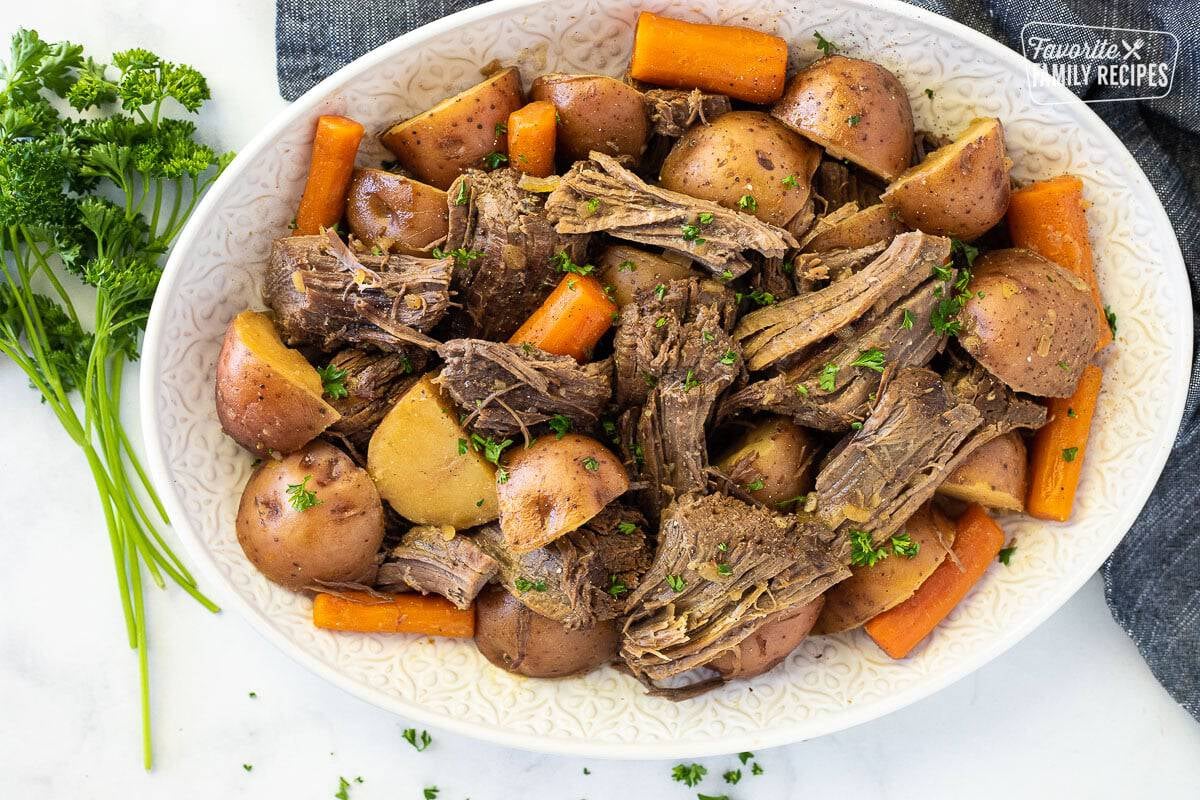
Credit: www.favfamilyrecipes.com
Choosing The Right Beef Tenderloin
Choosing the right beef tenderloin is key for a tender, juicy slow cooker meal. The cut should be fresh, with good color and texture. A quality piece ensures better flavor and a pleasant eating experience. Preparation starts from selecting the best cut to trimming it properly for even cooking.
Selecting Quality Cuts
Look for a beef tenderloin that is bright red and firm to the touch. Avoid cuts with dark spots or an unpleasant smell. Choose a tenderloin with fine grain and minimal fat marbling. The size matters too; a piece between 2 to 3 pounds works well for most slow cooker recipes. Check the packaging date to ensure freshness.
Trimming And Preparing
Trim the silver skin and excess fat before cooking. Removing these parts prevents toughness and uneven cooking. Use a sharp knife to carefully slice away the silver skin. Keep some fat if you want extra flavor, but too much can make the dish greasy. Cut the tenderloin into even pieces if your slow cooker is small. This helps the meat cook uniformly.
Setting Up Your Slow Cooker
Setting up your slow cooker correctly ensures the best results for cooking beef tenderloin. Proper preparation helps the meat cook evenly and stay juicy. It also makes cleanup easier and protects your slow cooker.
Before starting, check the slow cooker's size and accessories. These affect how the beef cooks and how much space it has. Preparing your slow cooker right can improve flavor and texture.
Choosing The Right Slow Cooker Size
Select a slow cooker that fits the beef tenderloin comfortably. A 4-6 quart cooker works well for most tenderloins. It allows enough space for heat to circulate.
A cooker too large may dry out the meat. One too small can cause uneven cooking or overflow. Match the size to your beef’s weight for best results.
Using Inserts And Accessories
Inserts help keep the beef tender and make cleanup simple. Use a ceramic or non-stick insert for even heat distribution. Avoid using metal inserts unless specified by the manufacturer.
Accessories like racks lift the beef above liquid. This stops the meat from boiling and keeps it tender. You can also use foil to create a drip tray inside the cooker.
Cooking Times For Beef Tenderloin
Knowing the right cooking time for beef tenderloin in a slow cooker is key to achieving tender, juicy meat every time. The slow cooker’s heat setting and the size of your tenderloin play a major role in how long it takes to cook. Understanding these factors helps you avoid overcooking or undercooking your beef, ensuring the perfect meal.
Low Heat Settings
Cooking beef tenderloin on low heat usually takes between 4 to 6 hours. This setting allows the meat to cook slowly and evenly, breaking down connective tissues gently for a tender result.
Using low heat is ideal if you want to set it and forget it, but it requires more patience. Have you ever rushed a slow cooker meal only to end up with tough meat? Low heat prevents that by giving the beef time to relax.
High Heat Settings
On high heat, beef tenderloin cooks faster, typically within 2 to 3 hours. This is perfect if you’re short on time but still want a moist and flavorful roast.
Be cautious with high heat, though—overcooking happens quickly. It’s easier to dry out the tenderloin or lose that melt-in-your-mouth texture you’re aiming for.
Size And Thickness Impact
The size and thickness of your beef tenderloin significantly affect cooking times. A thicker roast requires more time to reach the desired internal temperature than a thinner cut.
For example, a 2-pound tenderloin might cook in about 4 hours on low, while a 4-pound one could need closer to 6 hours. Always use a meat thermometer to check for doneness rather than relying solely on time.
Have you noticed how your slow cooker recipes can vary despite following the same instructions? Size and thickness might be the hidden reason.
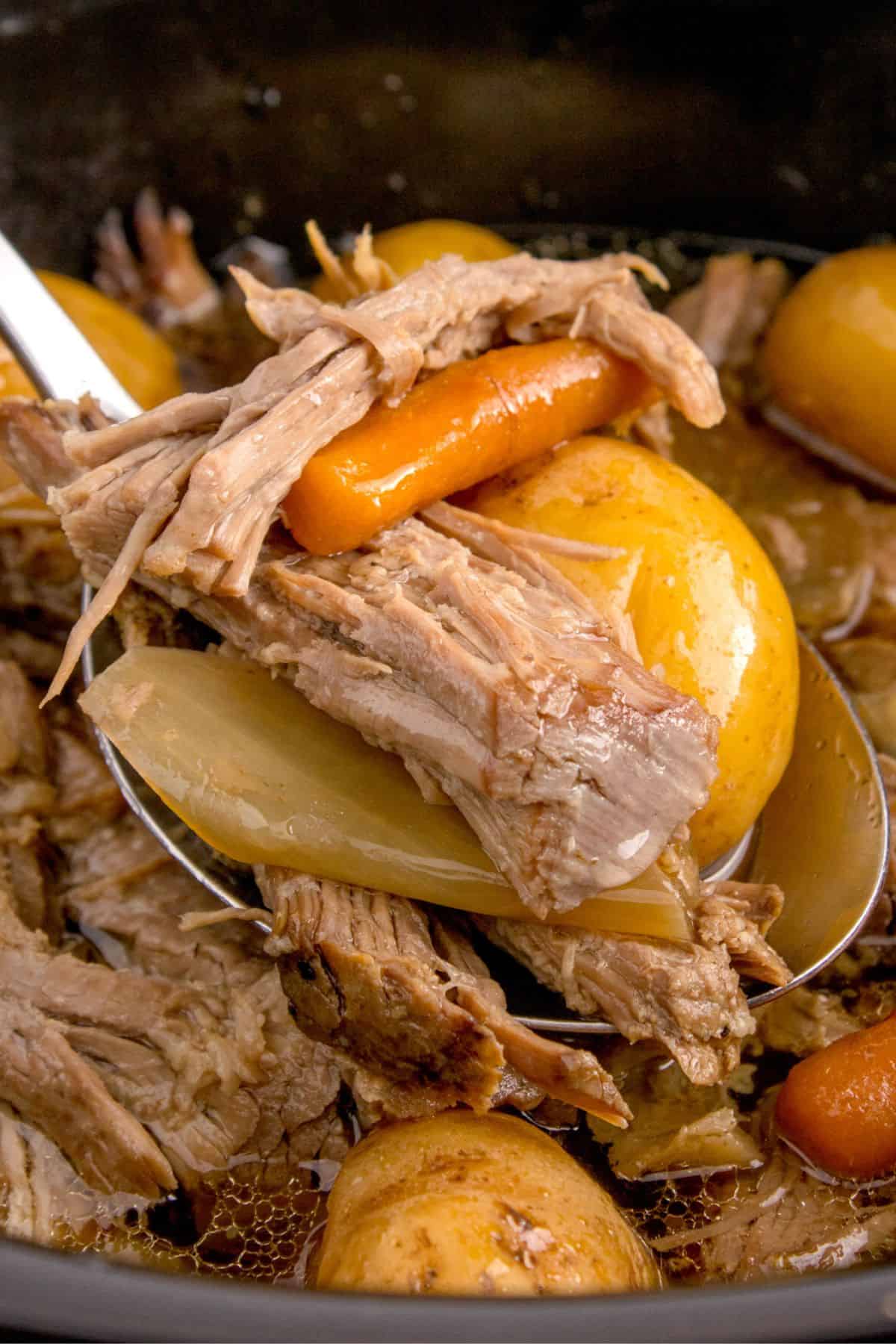
Credit: www.everydayfamilycooking.com
Seasoning And Flavoring Tips
Cooking beef tenderloin in a slow cooker delivers tender, flavorful results. To elevate the taste, it's crucial to season and flavor the meat properly. Here are some tips to ensure your beef tenderloin is bursting with flavor.
Marinades And Rubs
Marinades infuse the meat with deep flavors. A simple marinade might include olive oil, garlic, and herbs. Let the tenderloin soak for a few hours or overnight. This helps the flavors penetrate the meat. Rubs are another great way to add taste. Mix salt, pepper, and your favorite spices. Coat the tenderloin evenly for a flavorful crust.
Adding Aromatics And Liquids
Aromatics like onions, garlic, and herbs can enhance the dish. Place them in the slow cooker with the tenderloin. They release flavors as they cook. Adding liquids like broth or wine keeps the meat moist. Use just enough to cover the bottom of the cooker. This creates a flavorful base for your beef tenderloin.
Monitoring Doneness
Monitoring doneness is key to getting your beef tenderloin just right in the slow cooker. Overcooked meat becomes dry, while undercooked beef can be tough or unsafe to eat. Paying attention to how you check the meat ensures every bite is tender and flavorful.
Using A Meat Thermometer
A meat thermometer is your best friend for perfect doneness. Insert it into the thickest part of the tenderloin without touching bone or fat to get an accurate reading.
- For medium-rare, aim for 135°F (57°C).
- Medium is about 145°F (63°C).
- Well done reaches 160°F (71°C) or higher.
Remember, the meat will continue to cook slightly after you remove it from the slow cooker. Pull it out a few degrees below your target temperature for juicy results.
Visual And Texture Cues
Sometimes you can tell doneness by looking and feeling the meat. A tenderloin should have a slight spring when pressed with your finger.
The surface should be browned and slightly firm but not hard. If it feels very soft or mushy, it likely needs more time to cook.
Cutting a small slice can also help. The color inside should match your preferred doneness level, with juices running clear rather than red or pink.

Credit: parade.com
Resting And Serving
After slow cooking beef tenderloin, resting and serving are key steps. Resting allows juices to settle inside the meat. This makes each bite tender and juicy. Serving it properly highlights the rich flavor and texture you worked hard to achieve. Take a moment to rest the meat before slicing.
Resting Time Importance
Resting beef tenderloin for 10 to 15 minutes is ideal. This pause stops the juices from rushing out. The meat becomes more flavorful and moist. Cover it loosely with foil to keep warm. Avoid cutting too soon to preserve tenderness. Resting also helps the meat finish cooking evenly.
Carving Suggestions
Use a sharp knife for smooth, clean cuts. Slice against the grain to keep meat tender. Cut into even pieces about ½ inch thick. Arrange slices on a warm plate for serving. For a nice presentation, fan the slices out. Serve with your favorite sides or sauces to complement the beef.
Troubleshooting Common Issues
Cooking beef tenderloin in a slow cooker can be incredibly rewarding, but sometimes things don’t go as planned. You might end up with meat that’s dry, tough, or simply not cooked the way you expected. Troubleshooting these common issues can save your meal and help you perfect your technique for next time.
Dry Or Tough Meat Fixes
If your beef tenderloin turns out dry or tough, consider how long it cooked and the temperature setting you used. Slow cooking at too high a temperature can quickly dry out the meat.
Try adding a bit of beef broth or a splash of wine to keep moisture inside the slow cooker. Wrapping the tenderloin in foil before placing it in the cooker can also help trap juices.
Another trick is to remove the meat a little earlier and let it rest. Resting allows the juices to redistribute, making your tenderloin juicier and more tender.
Under Or Overcooking Solutions
Have you ever cut into your tenderloin only to find it undercooked or overdone? Timing is everything with slow cookers.
Use a meat thermometer to check the internal temperature: 130°F (54°C) for medium-rare and 140°F (60°C) for medium. This helps prevent guesswork and ensures perfect doneness.
If your meat is undercooked, simply continue cooking on low and check every 15-20 minutes. For overcooked meat, try slicing it thinly and serving it with a sauce or gravy to add moisture back.
Frequently Asked Questions
How Long Should Beef Tenderloin Cook In A Slow Cooker?
Cook beef tenderloin on low heat for 4 to 5 hours. Use a meat thermometer to check for 135°F for medium-rare. Avoid overcooking to keep it tender and juicy.
Can I Cook Beef Tenderloin On High In Slow Cooker?
Yes, but cooking on high takes about 2 to 3 hours. Slow cooking on low heat yields more tender results. Monitor closely to avoid drying out the meat.
What Temperature Is Ideal For Slow Cooking Beef Tenderloin?
Set your slow cooker to low, around 190°F to 200°F. This temperature gently cooks the beef for tenderness. High heat can toughen the meat if cooked too long.
Should Beef Tenderloin Be Seared Before Slow Cooking?
Searing beef tenderloin before slow cooking locks in juices and adds flavor. Brown the meat for 2-3 minutes per side before placing it in the slow cooker. This step enhances taste and texture.
Conclusion
Cooking beef tenderloin in a slow cooker takes time and patience. Set the cooker on low for 6 to 8 hours for tender results. Check the meat’s temperature to ensure it is safe to eat. Rest the beef before slicing to keep it juicy.
This method makes a soft, flavorful meal with little effort. Enjoy a delicious dinner with simple steps and careful timing. Slow cooking allows the flavors to blend well. Perfect for busy days or relaxed weekends.