Cooking a turkey breast in a rotisserie can give you juicy, flavorful meat with a crispy outside. But the big question is: how long should you cook it?
Getting the timing right is key to avoiding dry or undercooked turkey. You’ll learn exactly how long to cook your turkey breast in a rotisserie, plus tips to make it tender and delicious every time. Keep reading to discover the simple steps that will make your next meal a hit.

Credit: www.withpeanutbutterontop.com
Choosing The Right Turkey Breast
Choosing the right turkey breast is key to cooking a perfect rotisserie turkey. The type and size you pick directly affect cooking time and flavor. Let’s look at how to make the best choice for your rotisserie setup.
Fresh Vs Frozen
Fresh turkey breast often delivers better texture and juiciness. It cooks more evenly on the rotisserie, giving you that tender bite you want.
Frozen turkey breast is convenient but requires careful thawing. If you don’t thaw it completely, the inside may remain undercooked while the outside overcooks. Have you ever cut into a turkey only to find icy parts inside? That’s a clear sign the bird wasn’t fully thawed.
Buying fresh can be a game-changer if you want consistent results. But if fresh isn’t available, plan ahead and thaw frozen turkey breast in the fridge for 24-48 hours before cooking.
Ideal Size For Rotisserie
The size of your turkey breast impacts how long it takes to cook and how evenly it roasts. A turkey breast between 3 to 5 pounds fits most rotisserie spits perfectly.
Smaller breasts cook faster but might dry out if left on too long. Larger ones can stay juicy but require more time and careful heat management. Have you noticed how a turkey breast that’s too big can spin unevenly? That can throw off cooking and cause hot spots.
Choosing the right size helps you avoid these issues. If your rotisserie has weight limits, stick to those to ensure smooth rotation and even cooking.
Credit: www.sobeys.com
Preparing The Turkey Breast
Preparing the turkey breast properly sets the stage for a delicious rotisserie meal. This process improves flavor and ensures even cooking. Taking time to trim, season, and truss the breast can make a big difference.
Trimming And Cleaning
Start by removing excess fat and any loose skin from the turkey breast. Rinse the meat gently under cold water to clean it. Pat the breast dry with paper towels to remove moisture. Dry skin helps achieve a crispy, golden finish during cooking.
Seasoning And Marinating
Apply your chosen seasonings evenly over the turkey breast. Use a mix of salt, pepper, herbs, and spices for good flavor. Marinate the meat for at least one hour or overnight in the fridge. Marinating keeps the meat juicy and tender while adding taste.
Trussing For Even Cooking
Truss the turkey breast with kitchen twine to keep its shape. This helps the breast cook evenly on the rotisserie. Tie the ends securely but not too tight. Proper trussing prevents uneven cooking and ensures a beautiful presentation.
Setting Up The Rotisserie
Setting up your rotisserie properly is key to cooking a juicy, evenly roasted turkey breast. You want to ensure the equipment is ready, the temperature is right, and safety is a priority. These steps create a solid foundation for a delicious meal that impresses every time.
Rotisserie Equipment Basics
Start by checking that your rotisserie kit includes the spit rod, forks, and motor. The spit rod holds the turkey breast securely, so make sure it’s sturdy and clean. Tighten the forks firmly to prevent any slipping during cooking.
Balance the turkey breast on the rod to avoid wobbling. An unbalanced load can cause uneven cooking and strain the motor. If you’ve never done this before, try spinning the rod by hand to feel if it turns smoothly.
Optimal Temperature Settings
Set your rotisserie to maintain a steady heat between 325°F and 350°F (163°C - 177°C). This range cooks the turkey breast gently while ensuring the outside crisps without burning. Avoid higher temperatures that dry out the meat quickly.
Use a grill thermometer to monitor the heat throughout the cooking process. If your rotisserie has adjustable heat zones, place the turkey where the temperature remains most consistent. Have you checked your grill’s hot spots? They can make all the difference.
Safety Tips
Always ensure the rotisserie motor and spit rod are securely attached before you start cooking. Loose parts can cause accidents or damage your equipment. Keep children and pets away from the hot grill area to prevent burns or injuries.
Wear heat-resistant gloves when handling the spit rod, especially when removing the cooked turkey. Let the turkey rest for a few minutes before carving to avoid hot juices splattering. Have you prepared a safe spot to place the hot rod once removed?
Cooking Time Guidelines
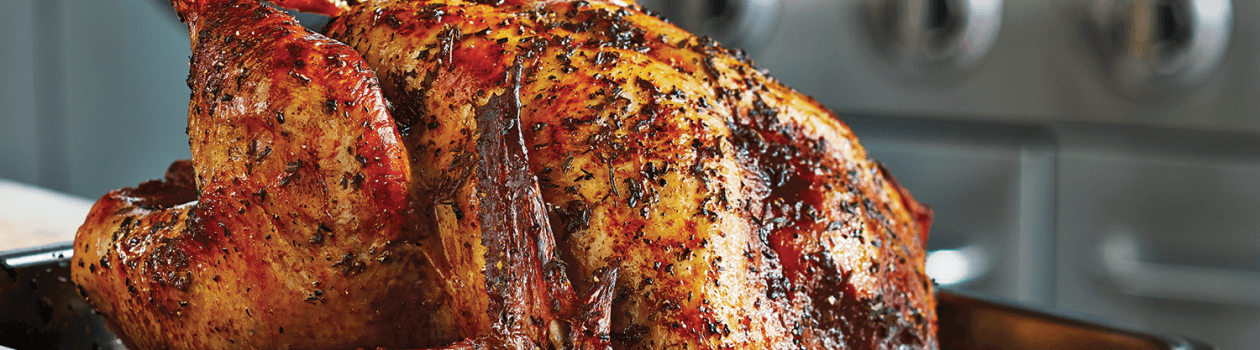
A turkey breast usually takes about 1. 5 to 2 hours to cook in a rotisserie. Cooking time depends on weight and temperature. Always check the internal temperature to ensure it reaches 165°F for safe eating.
Cooking a turkey breast in a rotisserie can be a delightful way to ensure a juicy and flavorful meal. But how do you know how long to cook it? The cooking time depends on several factors, and following the right guidelines ensures the perfect roast. Understanding how to adjust cooking times based on weight, size, and temperature is essential. Let's dive into the specifics of achieving that perfectly cooked turkey breast.
General Time Per Pound
Typically, you can expect to cook a turkey breast for about 18-20 minutes per pound in a rotisserie. This is just a guideline, and actual times can vary based on the specifics of your equipment and the turkey itself. Always keep an eye on it, as factors like humidity and altitude can subtly influence cooking times.
Adjusting For Size And Temperature
Larger turkey breasts might require a longer cooking time, whereas smaller ones may be done more quickly. Also, consider the initial temperature of the turkey. If it's straight from the fridge, it may take a bit longer than if it were at room temperature. Are you using a high-temperature setting for a quicker roast, or a lower setting for a slow cook? Both methods work, but knowing your preference helps in planning the timing.
Using A Meat Thermometer
A meat thermometer is your best friend when it comes to ensuring your turkey breast is cooked to perfection. Insert it into the thickest part of the breast, and look for a reading of 165°F (74°C). Trust the thermometer over the clock, as it provides the most accurate indication of doneness. Ever had a turkey that looked done on the outside but was still undercooked inside? A meat thermometer prevents that disappointment. By understanding these cooking time guidelines, you're well on your way to serving a turkey breast that's both delicious and safe to eat. Are you ready to impress your guests with a perfectly cooked rotisserie turkey breast?
Achieving Juicy Results
Cooking a turkey breast on a rotisserie can produce tender, juicy meat if done right. Controlling moisture is key to avoiding dry, tough results. The spinning motion of the rotisserie helps cook the meat evenly. This keeps the juices inside and enhances flavor.
To get the best juicy results, focus on basting, resting, and carving. These steps lock in moisture and improve taste.
Basting Techniques
Basting adds moisture and flavor during cooking. Use a brush or spoon to coat the turkey breast regularly. Choose melted butter, olive oil, or a mix of herbs and spices. Baste every 20 to 30 minutes. This prevents drying and builds a golden crust. Avoid opening the rotisserie too often, or heat will escape.
Resting The Meat
Resting is crucial after cooking. Let the turkey breast rest for 15 to 20 minutes. Cover it loosely with foil to keep warm. This allows juices to redistribute inside the meat. Cutting too soon causes juice to escape. Resting results in moist, tender slices.
Carving Tips
Carve the turkey breast against the grain. Use a sharp knife to make smooth cuts. Thin slices hold moisture better and taste juicier. Cut slowly and carefully to avoid shredding the meat. Serve immediately for the best texture and flavor.
Troubleshooting Common Issues
Cooking a turkey breast on a rotisserie can be a fantastic way to achieve juicy, flavorful meat. However, you might run into some common issues that can affect your results. Knowing how to troubleshoot these problems will help you get perfect turkey breast every time.
Dry Meat Solutions
If your turkey breast turns out dry, try brining it before cooking. A simple saltwater brine for a few hours keeps the meat moist and tender.
Another tip is to baste the turkey regularly with melted butter or pan juices. This adds flavor and locks in moisture.
Also, check your cooking time and temperature. Overcooking is the usual culprit for dryness. Using a meat thermometer to pull the turkey off the heat at 160°F can prevent overdone meat.
Uneven Cooking Fixes
Uneven cooking can leave some parts dry and others underdone. Make sure the turkey breast is balanced properly on the rotisserie spit to rotate evenly.
Rotate the meat manually if your rotisserie doesn’t turn automatically, so every side cooks consistently.
Consider using a drip pan below the turkey. The rising steam helps cook the meat more evenly and keeps it moist.
Rotisserie Malfunctions
Rotisserie motors can sometimes stop or slow down, causing uneven cooking. Always test your motor before starting to cook to avoid surprises.
If the motor struggles, check for obstructions or excess weight on the spit. Removing extra fat or adjusting the load can help.
Have a backup plan like a grill basket or skewers ready. If your rotisserie fails mid-cook, you can still finish cooking your turkey breast without losing flavor or moisture.
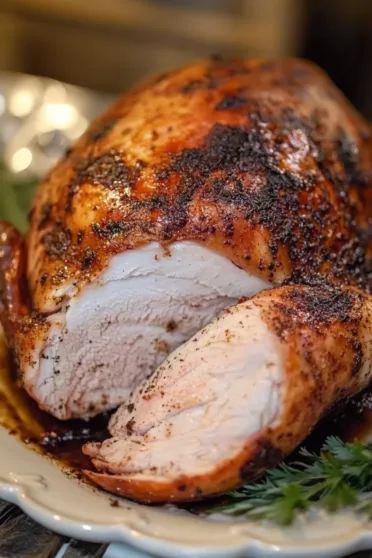
Credit: nodashofgluten.com
Frequently Asked Questions
How Long Does It Take To Cook Turkey Breast In Rotisserie?
Cooking a turkey breast in a rotisserie typically takes 1. 5 to 2 hours. The exact time depends on the breast size and rotisserie heat. Always cook until the internal temperature reaches 165°F (74°C) for safe consumption.
What Temperature Should Rotisserie Turkey Breast Reach?
The rotisserie turkey breast should reach an internal temperature of 165°F (74°C). Use a meat thermometer to check the thickest part. This ensures the turkey is fully cooked and safe to eat.
How Do I Keep Turkey Breast Moist In Rotisserie?
To keep the turkey breast moist, baste it regularly with melted butter or marinade. Also, avoid overcooking by monitoring the internal temperature closely. Using a drip pan with water can add humidity during cooking.
Should I Cover Turkey Breast While Rotisserie Cooking?
It is not necessary to cover turkey breast while cooking on a rotisserie. The rotating action cooks evenly and helps retain juices. However, tenting with foil after cooking can keep it warm and moist before serving.
Conclusion
Cooking a turkey breast on a rotisserie takes time and care. Aim for about 20 minutes per pound for juicy meat. Use a meat thermometer to check the temperature. The turkey is done when it reaches 165°F inside. Let it rest before cutting to keep juices inside.
This method gives you flavorful, tender turkey every time. Enjoy your meal with confidence and ease.