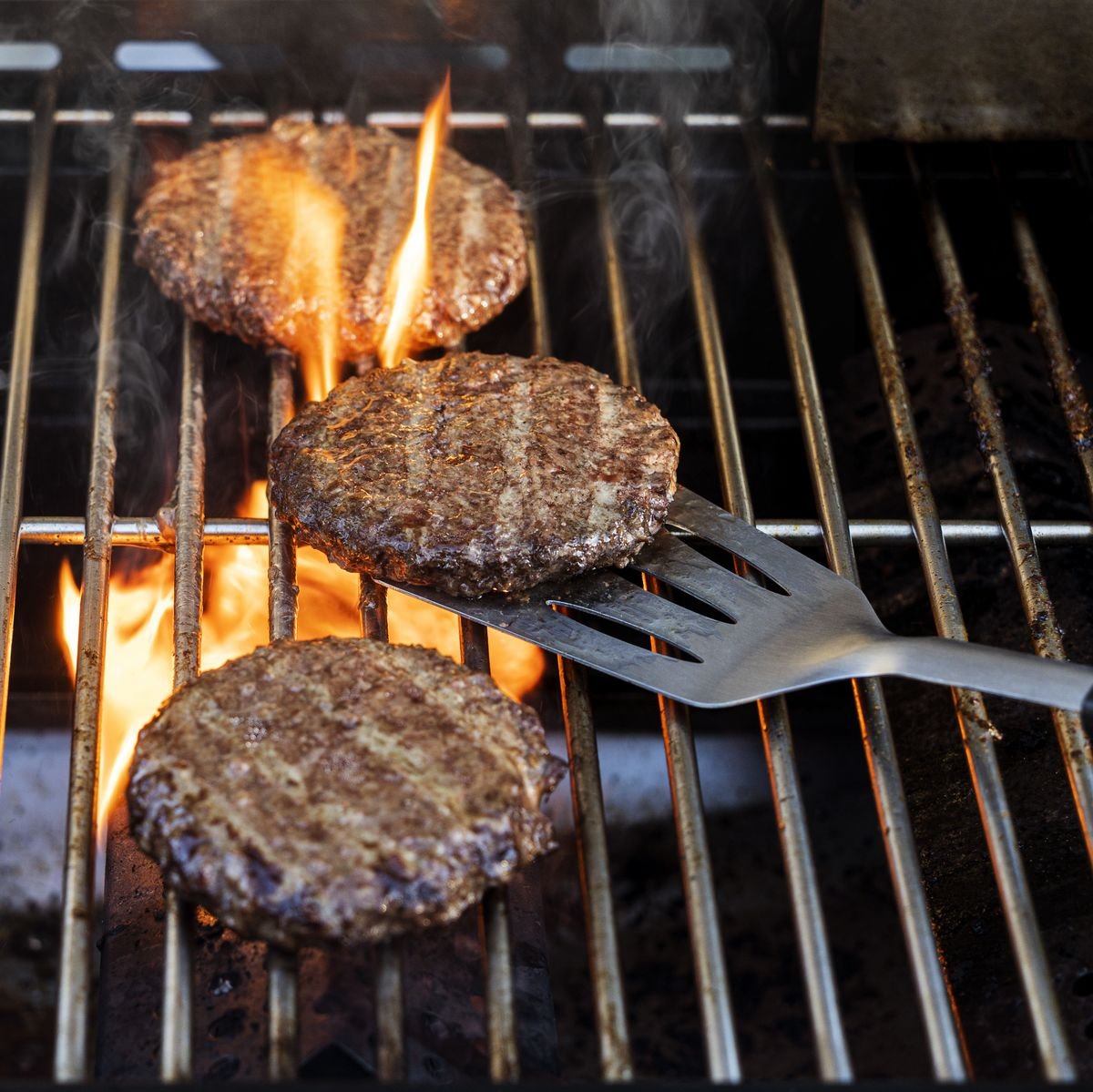
Grilling the perfect steak on a gas grill can feel like a challenge. You want it juicy, tender, and cooked just right—but how long should you actually leave it on the grill?
Too short, and it’s raw; too long, and it becomes tough. If you’ve ever wondered exactly how long to cook a steak on a gas grill to get that mouthwatering, restaurant-quality result, you’re in the right place. Keep reading, and you’ll learn simple tips and clear timing guides that will help you master your grill and impress everyone at your next barbecue.
Credit: www.theroastedroot.net
Choosing The Right Steak Cut
Choosing the right steak cut is key to a great grilling experience. Different cuts have unique textures and flavors. Each cut needs a specific cooking time and heat level. Knowing this helps you cook your steak perfectly every time. It also makes your meal more enjoyable and tasty.
Popular Cuts For Grilling
- Ribeye:Rich in fat, very juicy and flavorful.
- Strip Steak:Leaner, with a good balance of tenderness.
- Filet Mignon:Very tender but less flavorful, cooks quickly.
- T-Bone:Combines tenderloin and strip, great for grilling.
- Sirloin:Affordable and flavorful, slightly firmer texture.
Thickness And Its Impact On Cooking Time
Thicker steaks need more time to cook inside. Thin steaks cook fast but can burn easily. Use a meat thermometer for accuracy. Aim for:
| Thickness | Cooking Time per Side | Doneness Level |
|---|---|---|
| 1 inch | 4-5 minutes | Medium rare to medium |
| 1.5 inch | 6-7 minutes | Medium |
| 2 inch | 8-10 minutes | Medium to medium well |
Adjust time based on grill heat and personal taste. Rest steak after grilling to keep juices inside.
Preparing The Gas Grill
Getting your gas grill ready is the first crucial step to cooking the perfect steak. Proper preparation ensures consistent heat and prevents flare-ups that can ruin the flavor and texture of your meat. Let’s focus on how to set up your grill for the best results.
Preheating Tips
Preheating your gas grill is not just about turning it on; it’s about reaching the right temperature for searing steak. Aim for a grill surface temperature of around 450°F to 500°F.
Turn all burners on high and close the lid. Let the grill heat for 10 to 15 minutes. This step creates a hot cooking surface that locks in juices and adds that signature crust.
Have you noticed how skipping preheat can cause your steak to stick to the grates? Proper preheating helps prevent that and makes flipping easier.
Setting Up Zones For Direct And Indirect Heat
Creating heat zones on your grill lets you control cooking speed and avoid burning. Set one side of the grill to high heat for direct cooking, and the other side to low or off for indirect cooking.
- Use the direct heat zone to sear the steak quickly, developing a caramelized crust.
- Move the steak to the indirect heat zone to finish cooking without charring.
This method gives you more control over doneness, especially for thicker cuts. Think about how you can use this to manage flare-ups or adjust cook time based on steak thickness.
Timing For Different Doneness Levels
Cooking steak on a gas grill needs careful timing. Each doneness level requires a specific grilling time. This ensures the steak has the perfect texture and taste. Pay close attention to the times below to get your steak just right.
Rare And Medium-rare
Rare steak stays juicy with a cool red center. Grill it for about 2-3 minutes per side. Medium-rare is a bit warmer with a pink center. Cook it for 3-4 minutes per side. Use high heat for a good sear. Let the steak rest a few minutes before serving.
Medium And Medium-well
Medium steak has a warm pink center. Grill for 4-5 minutes per side. Medium-well is mostly brown inside with a slight pink tint. Cook for 5-6 minutes per side. Lower the heat slightly to avoid burning. Rest the steak to keep it tender and juicy.
Well Done
Well-done steak is fully cooked through with no pink. Grill it for 6-7 minutes per side. Use medium heat to prevent drying out. Flip often to cook evenly. Rest the steak after grilling for better flavor and texture.
Factors Affecting Cooking Time
Cooking time for steak on a gas grill depends on thickness, grill temperature, and desired doneness. Thicker cuts take longer, while higher heat speeds up cooking.
Cooking the perfect steak on a gas grill requires more than just slapping it on the grates and waiting a few minutes. Several factors can significantly affect how long you should cook your steak to achieve that mouth-watering balance of a charred exterior and juicy interior. Understanding these factors can help you master grilling like a pro.
Steak Thickness
The thickness of your steak is a major determinant in cooking time. A thicker steak, like a 2-inch ribeye, will need more time on the grill compared to a thinner cut like a 1-inch sirloin. It's similar to baking a cake; the thicker it is, the longer it takes to cook through. Thickness also affects how you achieve your desired level of doneness. A thick steak gives you more leeway to get a perfect sear without overcooking the inside. Always keep a meat thermometer handy to check the internal temperature, especially for thicker cuts.
Grill Temperature Variations
Grill temperature can fluctuate, affecting your cooking time. Even if you set your gas grill to medium-high, factors like wind, ambient temperature, and the grill's condition can cause variations. It's like trying to bake at 350°F in an oven that's not calibrated; results can vary. Keep the lid closed as much as possible to maintain a consistent temperature. If your grill has hot spots, move your steak around to ensure even cooking. Being aware of your grill’s quirks can make a big difference.
Steak Temperature Before Grilling
The temperature of your steak before it hits the grill plays a role in cooking time. A steak straight from the fridge will take longer to cook than one that's been allowed to reach room temperature. This is similar to boiling water; cold water takes longer to boil than warm. Letting your steak sit at room temperature for about 30 minutes can promote even cooking. It also helps avoid the dreaded scenario where the steak’s surface is perfectly seared, but the interior is still cold. Are you guilty of throwing a steak on the grill straight from the fridge? Try this approach and notice the difference.
Using A Meat Thermometer
Using a meat thermometer takes the guesswork out of grilling your steak perfectly on a gas grill. It ensures you reach the exact doneness you want without cutting into your steak prematurely. This tool is essential for both beginners and seasoned grillers who want consistent results every time.
Target Temperatures For Doneness
Knowing the right internal temperature for your preferred doneness level is key. Here’s a quick guide:
| Doneness | Internal Temperature |
|---|---|
| Rare | 120°F - 125°F (49°C - 52°C) |
| Medium Rare | 130°F - 135°F (54°C - 57°C) |
| Medium | 140°F - 145°F (60°C - 63°C) |
| Medium Well | 150°F - 155°F (66°C - 68°C) |
| Well Done | 160°F and above (71°C+) |
Do you find it tricky to remember these numbers? Keep a small printout near your grill or save a photo on your phone for quick reference.
How To Check Temperature Accurately
Insert the thermometer probe into the thickest part of the steak, avoiding bones or fat. This spot gives the most accurate reading of the meat’s temperature.
Hold the probe steady for a few seconds until the reading stabilizes. Digital thermometers usually give faster results, but both analog and digital types work well if you’re patient.
Have you ever pulled your steak off too soon, only to be disappointed? Using a meat thermometer prevents that frustration by confirming when your steak hits the right temperature. You’ll enjoy perfectly cooked steak every time without second-guessing.
Tips For Perfect Grill Marks
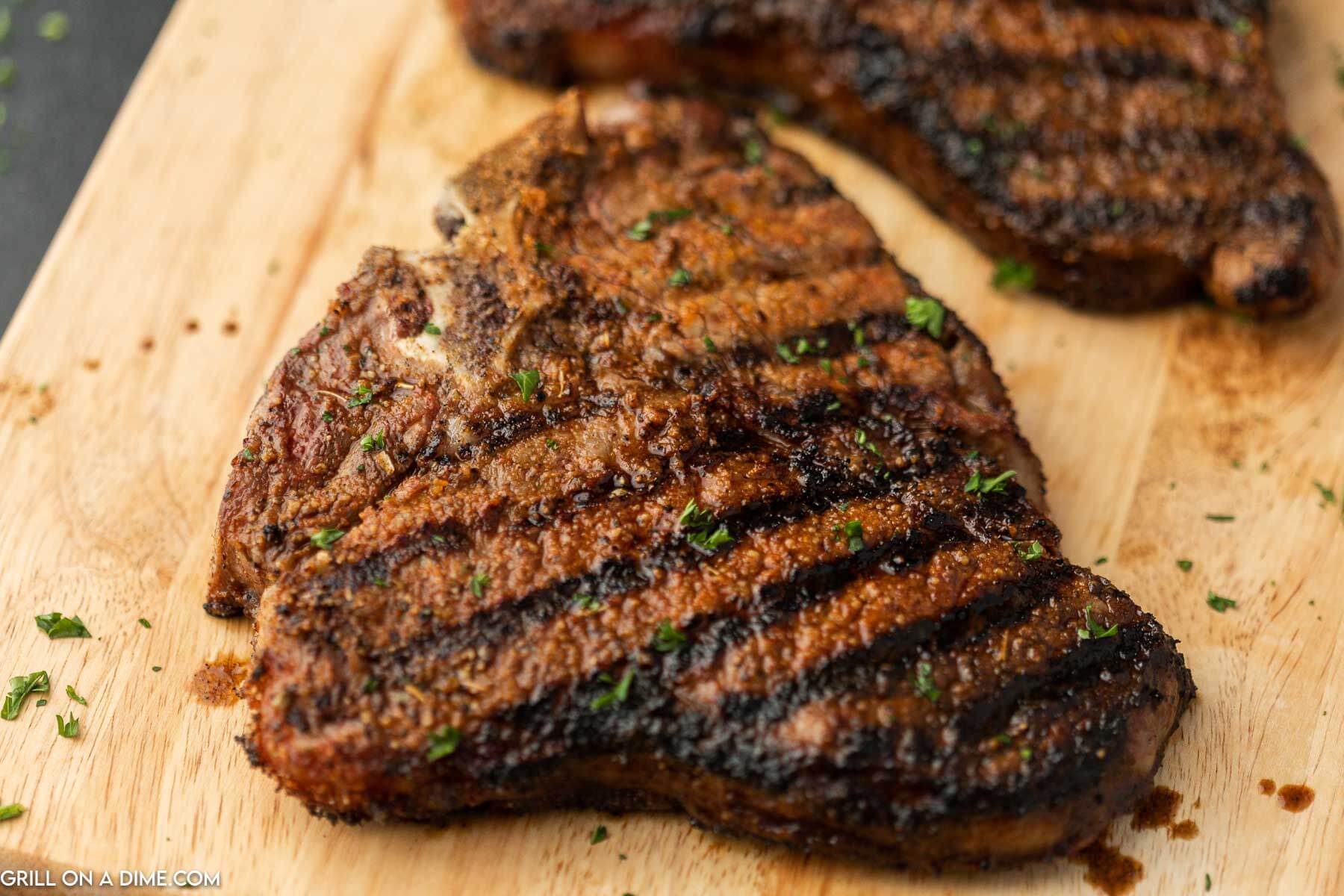
Grill marks give steak a tasty look and a hint of flavor. Perfect marks mean your steak cooked just right. Achieving this takes the right timing and grill care. Use simple tips to get those dark, clear lines on your steak.
Timing And Turning Techniques
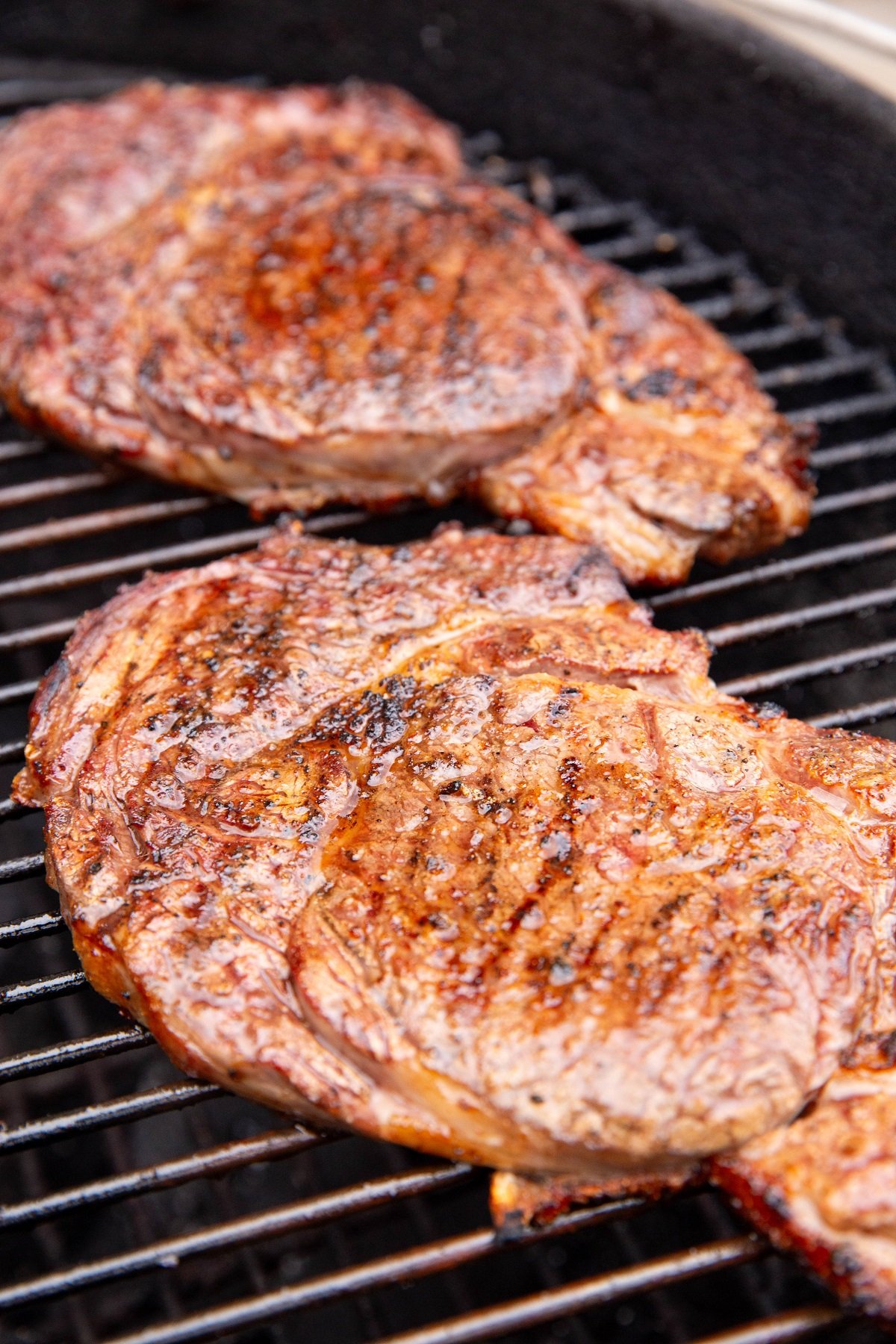
Start with a hot grill to create strong marks quickly. Place the steak on the grill and leave it alone for 2 to 3 minutes. Move the steak 45 degrees to create crosshatch marks and cook another 2 minutes. Flip the steak and repeat the process on the other side.
Turn the steak only twice. Too much flipping prevents good marks and slows cooking. Use tongs to turn the steak gently. Pressing or moving it too much causes uneven marks.
Avoiding Sticking To The Grill
Clean grill grates before cooking to avoid sticking. Brush the grates with oil or spray with cooking spray. Pat the steak dry to remove moisture that causes sticking.
Let the steak sit on the grill without moving it. It will naturally release when ready to flip. For tough sticking, wait a little longer before turning. Sticking ruins grill marks and makes flipping hard.
Resting The Steak
Resting your steak after grilling is a crucial step that many overlook. It allows the juices to redistribute, ensuring every bite is juicy and flavorful. Skipping this step can lead to dry, less enjoyable meat, no matter how perfectly you cook it on the gas grill.
Why Resting Matters
When you take your steak off the grill, the heat continues to move inward, pushing the juices toward the center. If you cut into it immediately, those flavorful juices spill out onto the plate. Resting lets the juices settle back into the meat, making each bite tender and moist.
Think about a time you sliced a steak right after grilling and found it dry. That’s the juice escaping. Giving it a few minutes to rest makes a noticeable difference in texture and taste.
Ideal Resting Time
The ideal resting time depends on the thickness of your steak, but a good rule of thumb is about 5 to 10 minutes. Thicker cuts, like a 1.5-inch ribeye, benefit from closer to 10 minutes, while thinner steaks need less time.
Cover your steak loosely with foil to keep it warm without steaming the crust. This way, it stays hot and juicy when you finally serve it.
- Rest 5 minutes for steaks up to 1 inch thick
- Rest 7-10 minutes for steaks thicker than 1 inch
- Use foil tenting to retain warmth without sogginess
Have you noticed how resting changes the eating experience? Try it next time and see how much juicier your steak becomes.
Credit: grillonadime.com
Common Mistakes To Avoid
Grilling the perfect steak on a gas grill is simple, but many make avoidable mistakes. These errors can spoil the taste and texture of your steak. Knowing what to avoid helps you cook better every time.
Overcooking
Overcooking dries out the steak, making it tough and chewy. High heat cooks the outside too fast while the inside loses moisture. Use a meat thermometer to check doneness. Remove the steak from the grill just before it reaches your desired temperature. Let it rest; the heat continues to cook the meat gently.
Underseasoning
Underseasoning results in bland, uninteresting steak. Salt and pepper are essential to bring out the natural flavors. Season your steak generously before grilling. You can add herbs or garlic for extra taste. Proper seasoning makes every bite flavorful and satisfying.
Flipping Too Often
Flipping steak too often prevents a nice crust from forming. The grill needs time to create a sear. Turn the steak only once or twice during cooking. This helps lock in juices and develop a rich, brown surface. Patience is key for a delicious steak.

Credit: girlscangrill.com
Frequently Asked Questions
How Long To Cook A Steak On A Gas Grill?
Cook a 1-inch thick steak for 4-5 minutes per side on high heat. Adjust time for thickness and doneness preference. Use a meat thermometer for accuracy.
What Temperature Should A Gas Grill Be For Steak?
Preheat your gas grill to high heat, around 450-500°F. This ensures a good sear and locks in juices for a perfect steak.
How To Check Steak Doneness On A Gas Grill?
Use a meat thermometer: 125°F for rare, 135°F medium-rare, 145°F medium. Rest steak 5 minutes before serving for best results.
Can I Cook Different Steak Cuts On A Gas Grill?
Yes, gas grills work well with all cuts. Adjust cooking time based on thickness and fat content for best flavor.
Conclusion
Cooking steak on a gas grill takes patience and care. Times vary by thickness and heat level. Use a meat thermometer for best results. Aim for your favorite doneness: rare, medium, or well-done. Let the steak rest before cutting to keep juices inside.
Practice makes perfect—each grill cooks a little differently. Enjoy the process and the tasty results. Grilling steak can be simple and rewarding. Keep these tips in mind for your next cookout.