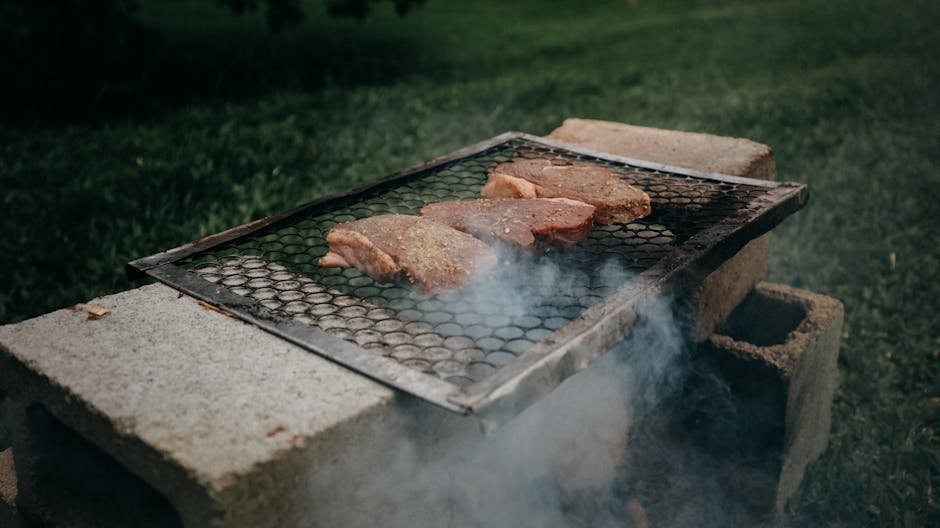
Grilling the perfect steak over charcoal is a skill every grill lover wants to master. But how long should you cook your steak to get that juicy, tender bite you crave?
If you’ve ever wondered whether your steak is undercooked, overcooked, or just right, you’re not alone. This guide will give you clear, simple answers so you can grill like a pro every time. Keep reading, and you’ll discover the exact cooking times and tips to make your next steak unforgettable.
Choosing The Right Steak Cut
Choosing the right steak cut is one of the most important steps to get your charcoal grill cooking time just right. Different cuts have unique textures, fat content, and thickness, all of which influence how long you should grill them. Picking the right cut for your taste and grill setup can make your steak juicy, tender, and full of flavor.
Popular Cuts For Grilling
Some steak cuts are naturally better for charcoal grilling because they handle high heat well and develop great flavor. Here are a few favorites to consider:
- Ribeye:Known for its marbling, it stays juicy and flavorful even with a quick sear.
- New York Strip:Leaner than ribeye but still tender, it grills quickly and evenly.
- Filet Mignon:Very tender but lean, so it requires careful timing to avoid drying out.
- T-Bone/Porterhouse:Combines two cuts in one, offering variety but needing attention to cook both sides evenly.
Choosing a cut depends on your preference for tenderness, flavor, and how much time you want to spend grilling.
Thickness And Its Impact On Cooking Time
Thickness is a game-changer when deciding how long to grill your steak. A thinner steak (around 1 inch) cooks quickly—often in just a few minutes per side.
Thicker cuts (1.5 inches or more) need more time to cook through without burning the outside. They benefit from a two-zone fire setup: sear on high heat, then move to indirect heat to finish cooking.
Have you noticed how a thicker steak lets you get that perfect crust while keeping the inside tender and juicy? That balance is what most grill lovers aim for.
Preparing The Grill
Preparing the grill sets the stage for a perfect steak. A well-prepared charcoal grill gives control over heat and cooking speed. It helps avoid flare-ups and uneven cooking. Start by arranging the charcoal properly. Then clean and oil the grate. Both steps improve flavor and prevent sticking. Proper preparation makes grilling smooth and enjoyable.
Setting Up Charcoal For Heat Zones
Create two heat zones on the grill. Arrange hot coals on one side for direct heat. Leave the other side empty for indirect heat. This setup allows searing and slow cooking. Use enough charcoal to build a strong fire on the hot side. Spread the coals evenly for consistent heat. Adjust the vents to control airflow and temperature. This method helps cook steaks perfectly without burning.
Cleaning And Oiling The Grate
Always clean the grill grate before cooking. Use a wire brush to remove old food and ash. A clean grate prevents sticking and adds nice grill marks. After cleaning, oil the grate lightly. Use a paper towel dipped in cooking oil. Hold it with tongs and rub it on the grate. Oiling creates a non-stick surface. It also adds flavor and protects the meat.
Seasoning And Marinating Tips
Seasoning and marinating your steak before grilling can make a huge difference in taste and texture. It’s not just about adding flavor; it’s about enhancing the natural juiciness and tenderness of the meat. Knowing how to properly season or marinate will give you a steak that’s bursting with flavor and perfect every time.
Simple Seasoning Ideas
Sometimes less is more. A good steak only needs a few key ingredients to shine. Start with:
- Salt:Use coarse sea salt or kosher salt to draw out moisture and enhance flavor.
- Black Pepper:Freshly ground black pepper adds a subtle kick and depth.
- Garlic Powder or Fresh Garlic:Adds a savory touch without overpowering the meat.
- Olive Oil:Lightly coat the steak to help the seasoning stick and prevent sticking on the grill.
Have you ever noticed how just salt and pepper can turn a simple steak into a restaurant-quality meal? The key is applying the seasoning evenly and letting the steak rest at room temperature before grilling.
Marinade Options For Flavor
Marinades not only add flavor but can also tenderize tougher cuts of steak. If you want to try something different, consider these marinade ideas:
| Marinade | Ingredients | Tip |
|---|---|---|
| Classic Soy & Garlic | Soy sauce, minced garlic, brown sugar, olive oil, black pepper | Marinate for 30 minutes to 2 hours for a balanced umami flavor. |
| Herb & Lemon | Olive oil, lemon juice, rosemary, thyme, minced garlic, salt | Perfect for a fresh, zesty profile; don’t marinate longer than 1 hour to avoid overpowering acidity. |
| Spicy Chipotle | Chipotle peppers in adobo sauce, lime juice, honey, cumin, garlic powder | Great for adding smoky heat; use moderately to suit your spice tolerance. |
Have you ever tasted a steak where the marinade completely transformed it? That’s the power of flavor blending. Remember, marinating too long can change the texture, so keep timing in mind.
Grilling Temperatures Explained
Understanding grilling temperatures is key to mastering steak on a charcoal grill. The heat level you use directly affects how your steak cooks, from the outside sear to the inside doneness. Managing heat zones on your grill can make the difference between a tough steak and a juicy masterpiece.
High Heat For Searing
Searing a steak requires very high heat, usually between 450°F to 550°F. This intense heat quickly creates a flavorful crust that locks in juices. I remember once rushing a steak without enough heat—it turned out dry and bland.
Use this heat right at the start, placing your steak directly over the hottest coals. Keep the steak on each side for about 2-3 minutes. This technique gives you that signature grilled flavor and appealing grill marks.
Medium Heat For Even Cooking
After searing, move your steak to medium heat, around 300°F to 400°F, to cook it evenly without burning. This gentler heat lets the inside reach your desired doneness while keeping the outside perfect.
Think of it as finishing the steak gently after the initial blast. Depending on thickness, this can take 4-8 minutes per side. Have you tried adjusting the heat zones on your grill? It’s a game changer for consistent results.
Cooking Times By Steak Thickness
Steak thickness affects cooking time on a charcoal grill. Thicker cuts need more time to reach the desired doneness. Use a timer and check often to avoid overcooking or undercooking your steak.
Cooking a steak on a charcoal grill can be a delightful experience, but getting the timing right is crucial. The thickness of your steak plays a significant role in determining how long it should be grilled. Let's break down the cooking times based on steak thickness, ensuring your meal is perfectly cooked every time.
Thin Steaks (under 1 Inch)
Thin steaks cook quickly, often within minutes. They require high heat for a short duration to achieve a delicious crust without overcooking the inside. Aim for about 2-3 minutes per side for medium-rare. If you like your steak well-done, add an extra minute per side. A quick tip: keep a close eye on these cuts, as they can go from perfect to overdone in seconds.
Medium Thickness (1 To 1.5 Inches)
Medium-thick steaks provide a bit more leeway in cooking time. On average, you should grill them for around 4-5 minutes per side for medium-rare. For medium, extend the time by a minute or so per side. It's helpful to use a meat thermometer to ensure precision—around 130°F for medium-rare is ideal. Trusting your senses here can be beneficial; look for a firm yet slightly yielding texture when pressed.
Thick Steaks (over 1.5 Inches)
Thick steaks are a different beast altogether. They require a bit more patience and technique. Start by searing them over direct heat for 5-6 minutes per side. Then, move them to indirect heat for another 5-10 minutes, depending on your desired doneness. Use a meat thermometer to check the internal temperature, aiming for 135°F for medium-rare. Remember, thick steaks continue to cook slightly after being removed from the grill, so let them rest for a few minutes before serving.

Credit: www.youtube.com
Doneness Levels And Timing
Understanding the different doneness levels is key to grilling the perfect steak over charcoal. Each level requires specific timing and attention to detail to achieve the ideal texture and flavor you want. Let's break down the timing and characteristics for each doneness level to help you master your grill.
Rare And Medium Rare
A rare steak is cool and red in the center, while medium rare is warm with a pinkish-red core. To get rare, grill your steak for about 2 to 3 minutes per side over high heat. Medium rare takes slightly longer, around 3 to 4 minutes per side.
Use a meat thermometer to check the temperature: 120°F to 125°F for rare, and 130°F to 135°F for medium rare. These levels keep the steak juicy and tender, perfect if you enjoy a softer bite.
Medium And Medium Well
Medium steaks have a warm pink center and take roughly 4 to 5 minutes per side on the grill. Medium well moves closer to fully cooked, with just a slight hint of pink, requiring about 5 to 6 minutes per side.
The internal temperature should be 140°F to 145°F for medium and 150°F to 155°F for medium well. At these points, the steak firms up but still holds moisture, making it a safe choice for those who want less pink but don’t want it dry.
Well Done
Well done steaks are cooked through with no pink inside and take around 6 to 7 minutes or more per side. The internal temperature reaches 160°F or higher.
Grilling to well done can easily dry out the steak, so consider using thicker cuts or marinating beforehand to maintain flavor. Are you willing to sacrifice juiciness for thorough cooking? This question can guide how you approach your grilling times.
Using A Meat Thermometer
Using a meat thermometer takes the guesswork out of grilling steak. It helps ensure your steak reaches the perfect doneness without overcooking. Checking the internal temperature is the best way to get consistent results every time you cook on a charcoal grill.
Insert the thermometer probe into the thickest part of the steak. Avoid touching any bones or fat, as this can give a false reading. Wait a few seconds for the thermometer to stabilize before reading the temperature. This simple tool helps you cook safely and enjoy a juicy steak.
Recommended Internal Temperatures
- Rare: 120°F to 125°F (49°C to 52°C)
- Medium Rare: 130°F to 135°F (54°C to 57°C)
- Medium: 140°F to 145°F (60°C to 63°C)
- Medium Well: 150°F to 155°F (66°C to 68°C)
- Well Done: 160°F and above (71°C+)
Use these temperature ranges as a guide for your preferred steak doneness. Insert the thermometer carefully to get the most accurate reading.
How To Check Without Losing Juices
Insert the meat thermometer quickly and gently. Avoid moving the steak too much while checking. This stops juices from escaping and keeps the steak moist.
Use an instant-read thermometer for a fast check. Remove the thermometer right after reading the temperature. Let the steak rest after grilling to allow juices to redistribute inside.
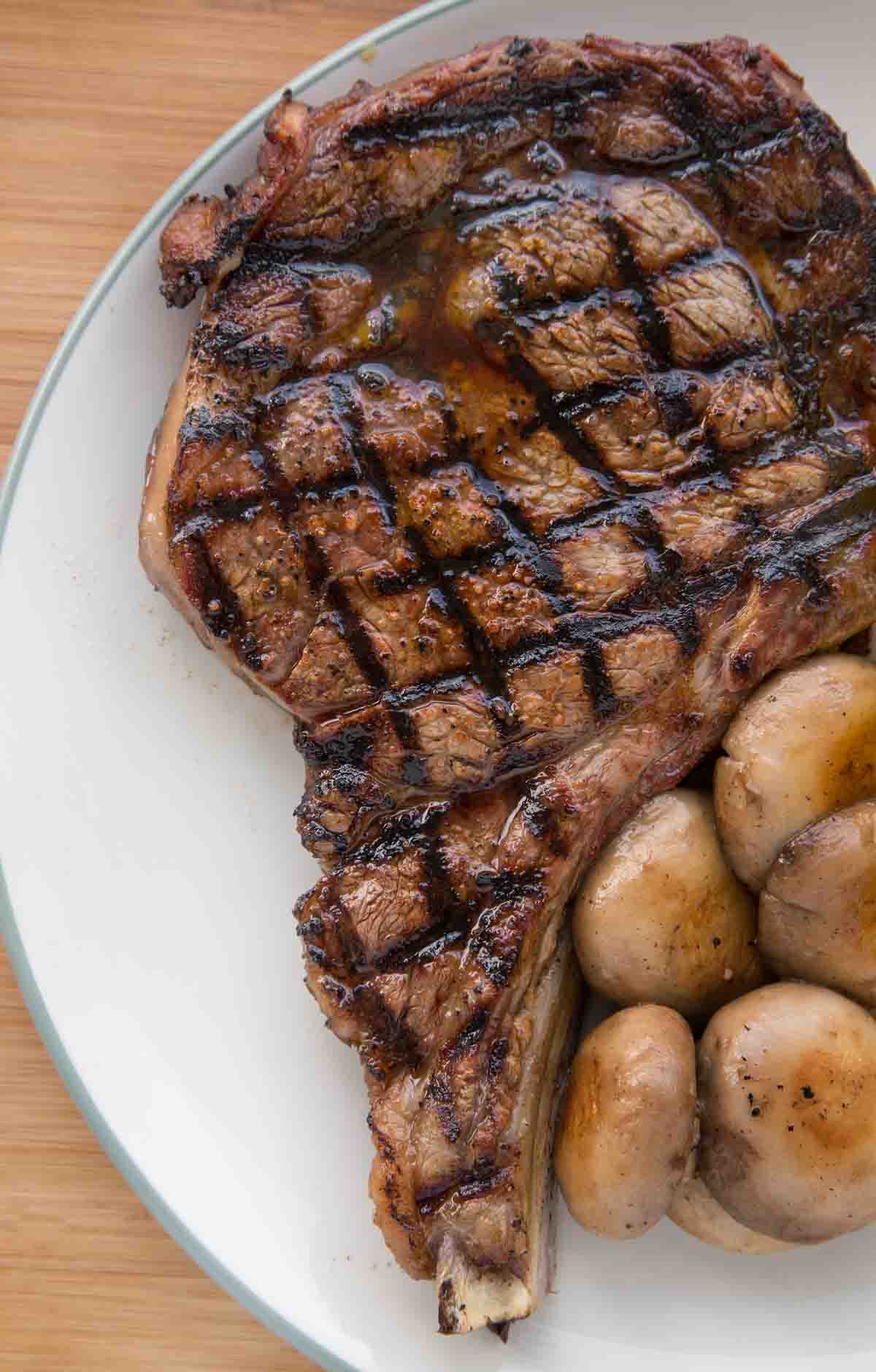
Credit: www.askchefdennis.com
Resting Your Steak
Resting a steak lets the juices spread evenly, making it tender and juicy. Let it rest for about 5 minutes after grilling. This step improves flavor and texture before cutting.
Resting Your Steak Cooking a steak to perfection on a charcoal grill is a rewarding experience, but the magic doesn't stop when you take it off the grill. Resting your steak is an essential step that enhances its flavor and juiciness. Many grill enthusiasts may overlook this step, but resting can make a significant difference in your dining experience.
Why Resting Matters
When a steak is cooked, its juices are driven toward the center. If you cut into it immediately, those juices will escape, leaving your steak dry. Resting allows the juices to redistribute throughout the meat, ensuring every bite is juicy and flavorful. Think of resting as the final touch to your steak masterpiece. During a backyard barbecue, I once hurriedly sliced into a steak, only to watch a flood of juices run onto the cutting board. The taste and texture were noticeably less satisfying than when I patiently waited the next time.
Ideal Resting Time
So, how long should you let your steak rest? A common rule of thumb is to rest it for about 5 minutes per inch of thickness. This simple guideline ensures that your steak has enough time to reabsorb its juices. For a typical 1-inch thick steak, resting for 5 to 10 minutes is usually sufficient. Use this time to prepare any side dishes or set the table, keeping your anticipation in check. Remember, patience is a virtue, and your steak will reward you for it.
Common Grilling Mistakes
Grilling steak on a charcoal grill is an art, but many stumble over common mistakes that impact flavor and texture. Knowing what pitfalls to avoid can turn your next cookout into a mouthwatering success. Let’s look at some frequent errors that even seasoned grillers face and how you can dodge them.
Overcooking And Undercooking
Have you ever cut into your steak only to find it too dry or still raw in the middle? Overcooking steals the juiciness and tenderness you’re aiming for, while undercooking leaves you guessing if it’s safe to eat. Pay attention to cooking times and use a meat thermometer to check doneness instead of relying on guesswork.
A thick steak usually needs more time on the grill, but flipping it too often can cause uneven cooking. Try searing one side fully before turning it over. This locks in flavor and helps you avoid those dreaded overcooked edges.
Avoiding Flare-ups
Flare-ups happen when fat drips onto hot coals, causing sudden flames that char your steak’s surface. They can ruin the taste and leave black, bitter spots on your meat. To control flare-ups, trim excess fat before grilling and keep a spray bottle of water handy to tame flames quickly.
Another tip is to set up a two-zone fire: one side with hot coals for searing and the other cooler for finishing the steak. This way, you can move your steak away from flare-ups without losing heat, giving you better control over cooking.

Credit: www.reddit.com
Tips For Perfect Charcoal Steak Every Time
Grilling the perfect steak over charcoal is an art that combines heat control and timing. To get that mouthwatering crust and juicy center, you need more than just good meat. These tips help you master your grill and impress every time you cook.
Managing Heat Consistently
Charcoal grills can have hot spots that cook unevenly. Arrange the coals to create two zones: one for direct high heat and another for indirect lower heat. This setup lets you sear the steak first and then move it to finish cooking without burning.
Keep a close eye on the temperature by using a grill thermometer or feeling the heat with your hand. If you find the coals burning too fast, add a few unlit briquettes to maintain consistent heat longer. This prevents sudden flare-ups and keeps your cooking steady.
Flipping Techniques
Many people flip steaks too often, which can prevent a good sear. Try flipping your steak just once or twice during cooking. Let one side form a crust before turning it over—this locks in juices and enhances flavor.
Use tongs instead of a fork to flip so you don’t pierce the meat and lose moisture. Ask yourself, how often do you really need to flip for the perfect char? Usually, patience here will pay off with a more tender result.
Frequently Asked Questions
How Long Should I Grill A Steak On Charcoal?
Grill a 1-inch steak for 4-5 minutes per side on high heat. Adjust time for thicker cuts or desired doneness. Always use a meat thermometer for accuracy.
What Is The Best Charcoal Temperature For Steak?
Aim for 450-500°F for grilling steak. This high heat sears the outside and locks in juices. Use a grill thermometer to maintain consistent heat.
How Do I Know When My Steak Is Done?
Use a meat thermometer: 130°F for medium-rare, 140°F for medium. Alternatively, use the finger test for doneness. Rest the steak 5 minutes before serving.
Should I Cook Steak With The Grill Lid Open Or Closed?
Cook with the lid closed to maintain heat and cook evenly. Opening the lid lets heat escape, increasing cooking time and uneven doneness.
Conclusion
Grilling the perfect steak takes practice and attention. Use charcoal for a smoky, rich flavor. Cook times vary by steak thickness and heat. Check the steak often to avoid overcooking. Rest the meat a few minutes before serving. Enjoy the juicy, tender results of your effort.
With patience, grilling steaks becomes easier and more fun. Your next barbecue will surely impress friends and family. Keep these tips in mind for tasty, grilled steaks every time.