If you love the rich, juicy flavor of a ribeye steak, cooking it perfectly on a charcoal grill is a skill worth mastering. But how long should you actually grill your ribeye to get that ideal balance of a crispy outside and tender, juicy inside?
You don’t want to end up with a steak that’s overcooked or underdone. In this guide, you’ll discover the exact cooking times and tips to make your ribeye the star of your next barbecue. Keep reading, and you’ll never second-guess your grilling again.
Choosing The Right Ribeye Cut
Choosing the right ribeye cut is a crucial step before firing up your charcoal grill. The cut you pick affects cooking time, flavor, and texture. Understanding the differences helps you achieve the perfect steak every time.
Thickness And Marbling
The thickness of your ribeye impacts how long it stays on the grill. A thicker steak needs more time to cook through, while a thinner one cooks quickly but risks drying out.
Marbling refers to the white streaks of fat running through the meat. More marbling means a juicier, more flavorful steak because the fat melts during grilling. If you want a rich taste and tender bite, look for ribeyes with abundant marbling.
Have you noticed how a well-marbled steak stays juicy even after resting? That’s why paying attention to marbling is key.
Bone-in Vs Boneless
Bone-in ribeyes often take longer to cook than boneless ones because the bone absorbs heat and slows cooking. However, many grill enthusiasts swear the bone adds extra flavor and keeps the meat moist.
Boneless ribeyes cook faster and are easier to handle on the grill. They’re a great choice if you want to control cooking times precisely.
Think about what matters more to you: the potential flavor boost from the bone or the convenience of a boneless cut. This decision shapes your grilling experience and final steak quality.
Preparing The Charcoal Grill
Preparing the charcoal grill is key to cooking a perfect ribeye. It ensures even heat and great flavor. Taking time to set up the grill right helps avoid flare-ups and uneven cooking. Proper preparation also helps reach the ideal temperature for grilling.
Setting Up For Direct Heat
Start by arranging charcoal in a single, even layer. This creates a consistent hot zone directly under the steak. Use enough charcoal to cover the grill’s cooking area. Avoid piling coals too high; this causes uneven heat.
Light the charcoal with a chimney starter for quick ignition. Let the coals burn until they are covered with white-gray ash. Spread the hot coals evenly across the grill grate. This setup cooks the ribeye quickly with a nice sear.
Achieving Optimal Temperature
Check the grill temperature before placing the ribeye. Aim for 450°F to 500°F for direct heat grilling. Use a grill thermometer or hand test for heat level. Hold your hand 5 inches above the grill. If you can hold it for 2-3 seconds, heat is high enough.
Adjust airflow by opening or closing the vents. More air increases heat, less air lowers it. Keep the grill lid closed during cooking to maintain temperature. Proper heat ensures the ribeye cooks evenly and stays juicy.
Seasoning And Prepping The Steak
Season the ribeye generously with salt and pepper for the best flavor. Let the steak sit at room temperature before grilling. This helps the meat cook evenly on the charcoal grill.
Seasoning and prepping the steak is an essential step for a perfect ribeye. Good preparation highlights the natural flavors of the meat. A well-prepared ribeye can transform your grilling experience. Let's explore some basic tips on seasoning and how to prep your steak.
Basic Seasoning Tips
A simple seasoning can elevate the taste of your ribeye. Use salt and pepper to enhance the meat's natural flavors. Coarse sea salt and freshly ground black pepper work best. Sprinkle them generously on both sides of the steak. Pat the seasonings into the meat gently. Consider adding a touch of garlic powder for extra flavor. Some prefer a hint of smoked paprika or crushed red pepper. Keep it simple to let the ribeye shine.
Bringing Steak To Room Temperature
Take the ribeye out of the fridge 30 minutes before grilling. Letting it reach room temperature ensures even cooking. It also helps the steak retain its juices. Cold meat on a hot grill can cook unevenly. Place the steak on a plate at room temperature. This step is crucial for a tender and juicy ribeye. Remember, patience pays off in grilling.
Grilling Times For Different Doneness
Getting the perfect ribeye on a charcoal grill depends heavily on timing. Each level of doneness requires different grilling times to achieve that ideal texture and flavor. Understanding these times helps you avoid guesswork and serve steaks that match exactly what you and your guests want.
Rare To Medium-rare
For a rare ribeye, aim for about 4 to 5 minutes per side over high heat. The internal temperature should reach 120°F to 130°F. This keeps the center cool and red, with a tender, juicy bite.
Medium-rare takes just a bit longer—around 5 to 6 minutes per side. Target an internal temp between 130°F and 135°F. You’ll notice the meat is warm throughout but still pink and moist.
Medium To Medium-well
Medium doneness demands about 6 to 7 minutes per side, with an internal temperature of 135°F to 145°F. Here, the steak is mostly pink with a firmer texture. It’s a good balance if you prefer less juice but don’t want it dry.
For medium-well, grill for 7 to 8 minutes on each side. The internal temperature should be 145°F to 155°F. The meat starts to lose pinkness and becomes firmer, so watch closely to avoid overcooking.
Well-done
Well-done ribeyes take the longest—around 8 to 10 minutes per side. You’re looking for an internal temp above 155°F. The steak will be brown throughout and quite firm, so it’s crucial to keep the heat moderate to prevent burning the outside before the inside cooks.
Consider resting your steak after grilling for a few minutes. This lets the juices redistribute and can improve flavor even for well-done cuts. Have you ever struggled to hit the right doneness on the grill? Timing and temperature make all the difference.
Techniques For Even Cooking
Achieving even cooking on a charcoal grill can be tricky, but it’s essential for a perfectly cooked ribeye. Uneven heat can leave parts of your steak overdone while others remain undercooked. Using the right techniques helps you control the temperature and cook your steak consistently from edge to edge.
Searing And Flipping
Searing your ribeye locks in juices and creates a flavorful crust. Start by placing your steak directly over the hot coals for about 2-3 minutes per side. This high heat caramelizes the surface, giving you that mouthwatering char.
After searing, flip your steak just once to avoid disrupting the crust. Resist the urge to keep flipping—it can prevent even cooking and waste heat. Keep an eye on the steak’s color and texture instead of relying solely on timing.
Using A Two-zone Fire
A two-zone fire means setting up your charcoal grill with one side hot and the other side cooler. This gives you control to sear on the hot side, then move the steak to the cooler side to finish cooking gently.
This technique helps avoid burning the outside while the inside stays raw. I often use this method for thicker ribeyes, searing them first then shifting to indirect heat. It’s like giving your steak a chance to rest and cook evenly without rushing.
Have you tried managing your grill’s heat zones before? It’s a simple trick that can dramatically improve your steak’s texture and flavor.

Credit: www.thekitchn.com
Checking Steak Temperature
Checking the temperature of your ribeye steak is key to cooking it perfectly on a charcoal grill. It helps you avoid overcooking or undercooking the meat. Knowing the right doneness level ensures a juicy and flavorful steak every time.
There are simple ways to check the steak’s temperature. Use tools or your own senses to decide when the ribeye is ready to come off the grill.
Using A Meat Thermometer
A meat thermometer gives the most accurate temperature reading. Insert it into the thickest part of the steak without touching the bone. Here are the ideal temperatures for ribeye:
- Rare: 125°F (52°C)
- Medium rare: 135°F (57°C)
- Medium: 145°F (63°C)
- Medium well: 150°F (66°C)
- Well done: 160°F (71°C)
Take the steak off the grill a few degrees before your target temperature. Carryover heat will finish cooking it.
Touch Test Method
The touch test is a quick way to check doneness without tools. It uses the firmness of the steak to estimate temperature. Press the center of the steak with your finger or tongs.
- Soft and squishy means rare.
- Some resistance means medium rare.
- Firm but still springy means medium.
- Very firm means well done.
Practice helps you get better at this method. It works well for experienced grillers or when you don’t have a thermometer.
Resting And Serving Tips
After grilling your ribeye to perfection, the next crucial phase is resting and serving. This step can transform a great steak into an unforgettable meal. Taking the time to rest and carve your steak properly ensures every bite is juicy and flavorful.
Why Resting Matters
Resting allows the juices inside the ribeye to redistribute evenly. If you cut into the steak right away, those flavorful juices will spill out, leaving your meat dry.
Try resting your steak for about 5 to 10 minutes after grilling. Use this time to tent it loosely with foil to keep it warm without steaming it.
Have you noticed how rested meat feels more tender and juicy? That’s because the muscle fibers relax, making each bite more enjoyable.
Carving And Presentation
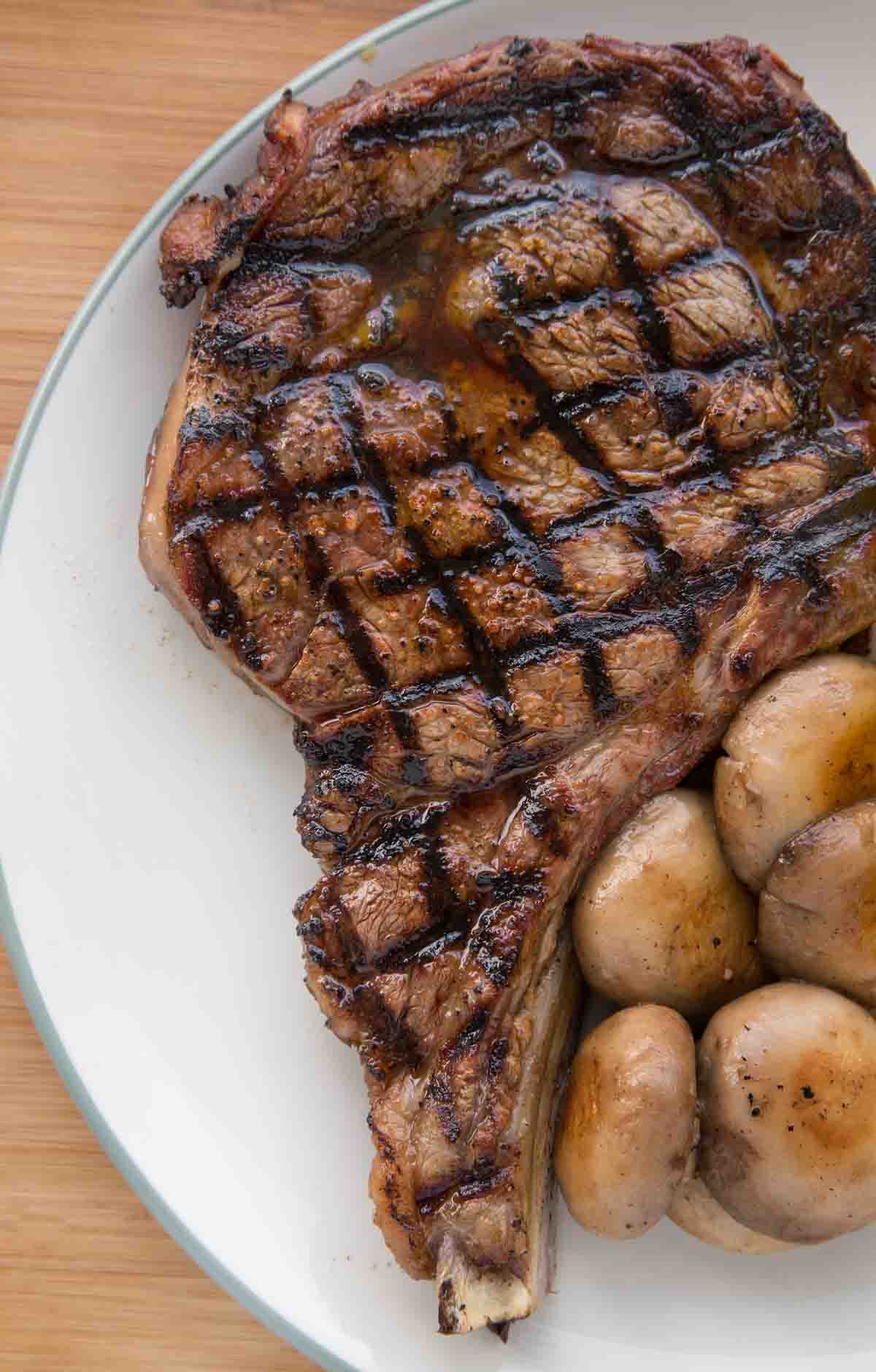
Carving your ribeye correctly can highlight its rich texture and marbling. Always slice against the grain to break down the muscle fibers and make the steak easier to chew.
Use a sharp knife to make clean, even slices. This not only looks appealing but also ensures you don’t tear the meat, preserving its juicy character.
Serving your ribeye on a warm plate enhances the dining experience. You can add a sprinkle of flaky sea salt or a pat of herb butter right before serving to boost flavor.
Credit: www.askchefdennis.com
Credit: www.theroastedroot.net
Frequently Asked Questions
How Long To Grill Ribeye For Medium Rare?
Grill ribeye for 4-5 minutes per side over high heat. Aim for an internal temperature of 130°F (54°C) for medium rare. Let the steak rest for 5 minutes before serving to retain juices.
What Is The Ideal Charcoal Temperature For Ribeye?
Maintain a charcoal grill temperature of 450-500°F (232-260°C) for ribeye. This high heat sears the steak quickly, locking in flavor while achieving a perfect crust.
How To Check Ribeye Doneness On Charcoal Grill?
Use a meat thermometer to check doneness. For medium rare, target 130°F (54°C). Alternatively, use the finger test or observe juices to estimate steak readiness.
Should Ribeye Be Cooked With Lid Open Or Closed?
Cook ribeye with the grill lid closed to maintain steady heat. This ensures even cooking and faster grilling while keeping the steak juicy and tender.
Conclusion
Grilling a ribeye on charcoal takes patience and care. Aim for about 4-6 minutes per side for medium-rare. Always check the steak’s temperature to get it just right. Let the meat rest before cutting to keep it juicy. Enjoying a perfectly grilled ribeye is worth the wait.
Practice helps you find the best timing for your grill. Keep it simple, and savor the smoky flavor every time.