If you want to impress your guests with a juicy, tender prime rib cooked on a rotisserie, you’re probably wondering: how long does it actually take? Getting the timing just right can make all the difference between a mouthwatering feast and a tough, dry roast.
You’ll discover the perfect cooking times and tips to achieve that flawless prime rib every time. Keep reading, and you’ll learn exactly how to turn your rotisserie into the secret weapon for the best prime rib you’ve ever had.
Choosing The Right Prime Rib
Choosing the right prime rib is key to a delicious rotisserie roast. The quality and size of the meat affect cooking time and flavor. Picking the best cut ensures juicy and tender results. This section guides you on what to look for in prime rib before cooking.
Selecting Quality Meat
Choose prime rib with good marbling. The fat inside the meat adds flavor and keeps it moist. Look for bright red color and firm texture. Avoid meat with dark spots or dry edges. Freshness matters for taste and safety.
Size And Weight Considerations
Prime rib size impacts cooking time on the rotisserie. A larger roast takes longer to cook evenly. Small roasts may cook too fast and dry out. Aim for a roast between 4 to 7 pounds for best results. This size fits well on most rotisserie setups.
Preparing The Prime Rib
Preparing a prime rib for the rotisserie is key to a tasty, evenly cooked roast. Proper preparation ensures the meat stays juicy and flavorful throughout cooking. Start with the right steps to get the best results from your prime rib.
Seasoning Tips
Use simple seasonings to enhance the natural flavor. Salt and pepper work great as a base. Rub the meat generously on all sides.
Add garlic powder or rosemary for extra aroma. Let the prime rib sit at room temperature for 30 minutes after seasoning. This helps the flavors soak in evenly.
Trimming And Tying
Trim excess fat, but keep a thin layer to protect the meat. Cut away any silver skin or loose pieces for a neat roast.
Use kitchen twine to tie the roast firmly. This keeps the shape even and helps it cook uniformly on the rotisserie.
Tie every 2 to 3 inches, securing the roast without squeezing too tight. This step is essential for steady rotation and even cooking.
Setting Up The Rotisserie
Setting up your rotisserie properly is the foundation for cooking a prime rib that’s juicy and evenly cooked. Every detail matters—from the tools you use to how you manage the heat. If you overlook even one element, you might end up with uneven cooking or a tough crust.
Equipment Essentials
Start by checking your rotisserie kit. You need a sturdy spit rod that can hold the weight of a large prime rib without bending or wobbling. Make sure the forks are sharp and firmly secure the meat to prevent slipping during rotation.
Balance the prime rib on the spit rod. This step is often overlooked but crucial. An unbalanced load puts extra strain on the motor and can lead to uneven cooking.
- Use kitchen twine to tie the prime rib evenly if needed.
- Ensure the meat is centered on the spit for smooth rotation.
- Test the rotation by spinning the spit manually before turning on the motor.
Heat Source And Temperature
Choose your heat source carefully. Charcoal provides a smoky flavor but requires more attention to maintain consistent heat. Gas grills offer precise temperature control, making it easier to keep the heat steady around 225°F to 250°F.
Place the heat source evenly on either side of the rotisserie to avoid hotspots. If your grill has a rotisserie burner, use it to maintain indirect heat. This setup cooks the prime rib slowly, allowing the inside to stay tender while the outside crisps up beautifully.
Have you ever wondered why some rotisserie prime ribs come out dry? It’s often because the temperature was too high or uneven. Keep a close eye on your grill’s thermometer and adjust vents or burners as needed to maintain a steady cooking environment.
Cooking Times And Temperatures
Getting the cooking times and temperatures right is key to mastering a prime rib on the rotisserie. You want that perfect balance—juicy inside with a flavorful crust outside. How long you cook and at what heat directly impact the texture and taste of your prime rib.
Low And Slow Method
Cooking your prime rib low and slow means setting the rotisserie at a temperature around 225°F to 250°F. This approach allows the meat to cook evenly, breaking down connective tissues gently over time. Expect it to take about 20 to 25 minutes per pound, depending on the size of your roast.
I once tried this method on a 6-pound prime rib. After about 2 hours, the meat was tender and juicy, with almost no need for extra seasoning. The slow heat gave me the chance to focus on the perfect crust later.
High Heat Searing
Searing at high heat is often done at the start or end of cooking to develop a crisp, caramelized outer layer. Set your rotisserie or grill to 500°F or higher for a short burst—usually 10 to 15 minutes. This technique locks in juices and adds depth of flavor.
When I switched from just slow cooking to finishing with a high-heat sear, the difference was night and day. The crust was beautifully browned, creating a satisfying contrast to the tender interior.
Internal Temperature Targets
Using a meat thermometer is the most reliable way to know when your prime rib is done. Aim for these internal temperatures depending on your preferred doneness:
- Rare:120°F to 125°F
- Medium Rare:130°F to 135°F
- Medium:140°F to 145°F
- Medium Well:150°F to 155°F
Remember, the meat will continue to cook slightly after you remove it from the heat. Do you let your prime rib rest before slicing? Resting allows juices to redistribute, making the final bite much juicier.
Checking Doneness
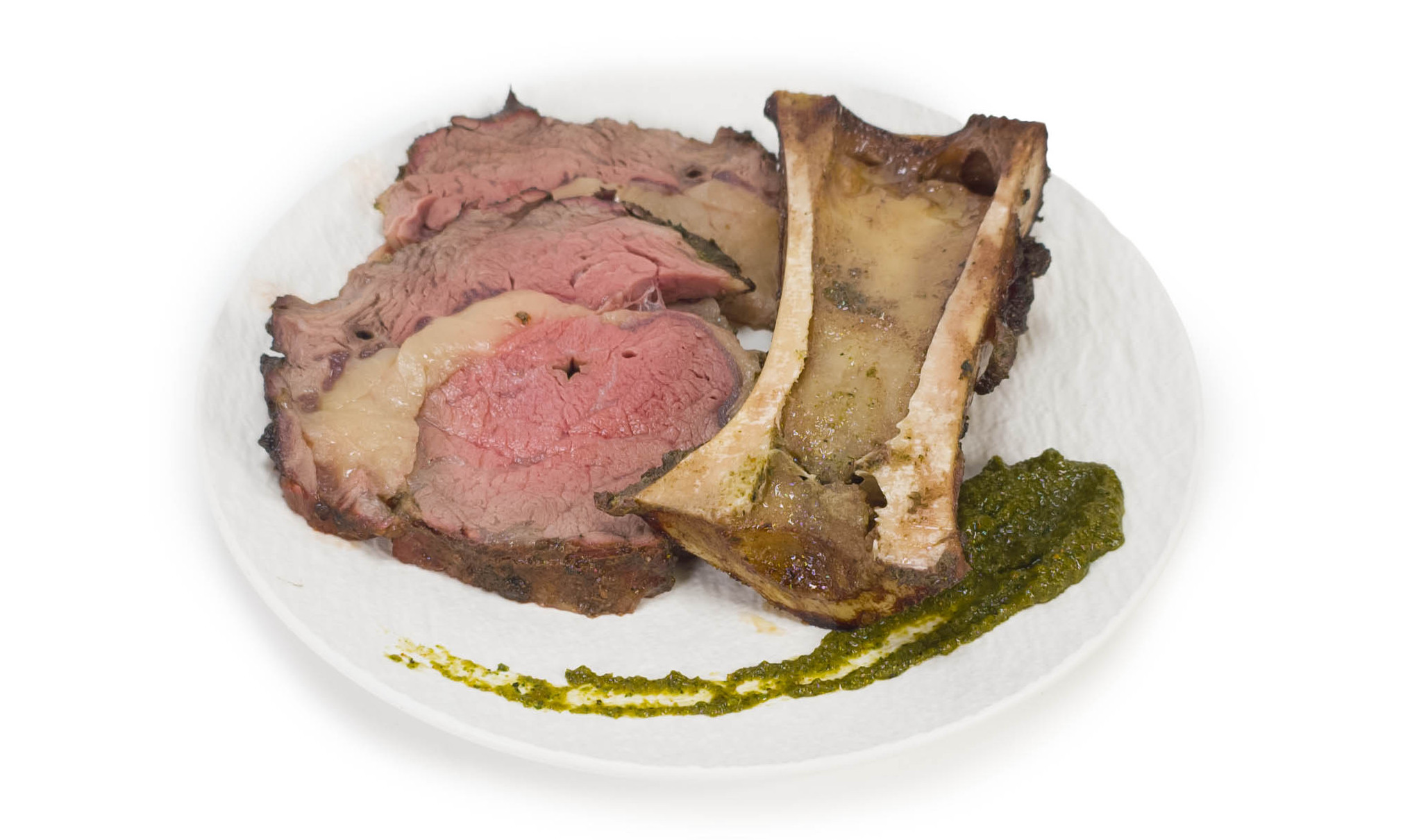
Checking Doneness Cooking prime rib on a rotisserie requires checking doneness. Use a meat thermometer for accurate results. Aim for an internal temperature of 135°F for medium-rare. Allow the meat to rest before carving.
Checking the doneness of your prime rib on a rotisserie can be a nerve-wracking moment. You've invested time and effort, and now you want to ensure it's cooked to perfection. Getting this right can transform your meal from good to unforgettable. But how do you know when it's just right? Let's explore some effective ways to check the doneness of your prime rib.
Using A Meat Thermometer
A meat thermometer is your best friend when it comes to cooking prime rib. Insert the thermometer into the thickest part of the meat, away from the bone, for an accurate reading. Aim for: - Rare: 120-125°F - Medium Rare: 130-135°F - Medium: 140-145°F Remember, the internal temperature will rise a bit while resting, so aim slightly lower than your desired doneness.
Visual And Touch Cues
While a meat thermometer is precise, visual and touch cues can also guide you. Look for a nicely browned crust on the outside. This indicates a well-cooked exterior. Gently press the meat with your finger. A rare piece will feel soft and squishy, while a medium piece will have a firmer bounce. Do you trust your instincts in the kitchen? Trusting your senses can sometimes be as reliable as any tool. Use these cues in tandem with your thermometer to perfect your rotisserie prime rib experience.
Credit: pitmasterx.com
Resting And Carving
Resting and carving a prime rib cooked on a rotisserie are crucial steps. They help keep the meat juicy and tender. Taking time after cooking allows the juices to settle inside. Proper carving ensures each slice looks great and tastes perfect.
Resting Period Importance
Resting lets the juices redistribute throughout the meat. Without resting, juices spill out when slicing, making the meat dry. A good resting time is about 20 to 30 minutes. Cover the prime rib loosely with foil to keep it warm. This step improves flavor and texture.
Carving Techniques
Use a sharp knife for clean, even slices. Cut against the grain to make the meat tender. Slice the prime rib about half an inch thick. Hold the meat steady with a carving fork. Serve slices immediately for the best taste and presentation.
Troubleshooting Common Issues
Troubleshooting common issues while cooking prime rib on a rotisserie can save your meal from disappointment. Understanding what causes uneven cooking or overcooking helps you adjust your technique quickly. Let’s look at practical ways to keep your prime rib juicy and evenly cooked.
Uneven Cooking
Uneven cooking often happens because the meat isn’t balanced properly on the rotisserie spit. If one side is heavier, it spins unevenly, causing some parts to cook faster than others.
Make sure to tie the prime rib securely with butcher’s twine. This keeps its shape consistent and helps the heat distribute evenly. Also, check that the rotisserie motor runs smoothly without jerks or pauses.
Another tip: position the heat source at a medium distance. If the fire is too close on one side, it will cook that area faster. Have you ever noticed one side of your roast browning more? Adjusting the heat or rotating the spit by hand briefly can fix this.
Overcooking Prevention
Overcooking can dry out your prime rib, turning a juicy cut into a tough one. Use a reliable meat thermometer to track the internal temperature during cooking.
Remove the roast from the heat once it hits about 5°F below your target temperature. The residual heat will finish the cooking while the meat rests. This technique keeps your prime rib tender and flavorful.
Also, avoid cooking at very high temperatures for too long. Slow and steady heat works best to maintain moisture. Have you tried tenting the meat with foil during resting? It traps heat and juices without continuing to cook the meat excessively.

Credit: www.youtube.com

Credit: www.chefworks.com
Frequently Asked Questions
How Long Does Prime Rib Take On A Rotisserie?
Cooking prime rib on a rotisserie takes about 15-20 minutes per pound. This ensures even cooking and a tender roast. Adjust time based on roast size and desired doneness for best results.
What Temperature Should I Use For Rotisserie Prime Rib?
Set your rotisserie to 325°F (163°C) for prime rib. This temperature balances a crispy crust with a juicy inside. Use a meat thermometer to avoid overcooking.
How Do I Know When Prime Rib Is Done On Rotisserie?
Use a meat thermometer to check doneness. Aim for 120-125°F for rare, 130-135°F for medium-rare, and 140-145°F for medium. Remove from heat and rest before carving.
Should I Season Prime Rib Before Rotisserie Cooking?
Yes, season prime rib generously with salt, pepper, and herbs. This enhances flavor and creates a delicious crust. Apply seasoning at least 1 hour before cooking.
Conclusion
Cooking prime rib on a rotisserie takes patience and care. Aim for steady heat and check the meat often. Cooking time depends on the size and how you like it done. Rest the meat after cooking to keep it juicy.
Use a meat thermometer for best results. Enjoy your prime rib with simple sides for a great meal. This method gives a tasty, tender roast every time. Give it a try and savor the delicious flavor.