If you’ve ever wondered how long to cook a prime rib on a rotisserie, you’re in the right place. Cooking prime rib this way can give you juicy, tender meat with a perfect crust that’s hard to beat.
But timing is everything. Cook it too little, and your meat will be underdone; cook it too long, and it can dry out. You’ll discover the ideal cooking times and tips to make your prime rib the star of any meal.
Keep reading, and you’ll learn exactly how to get mouthwatering results every time.
Credit: pitmasterx.com
Choosing The Right Prime Rib
Choosing the right prime rib is key for a perfect rotisserie cook. The cut, size, and quality affect cooking time and flavor. Picking the best prime rib ensures juicy, tender meat with a rich taste.
Selecting The Cut
The prime rib comes from the rib section of the cow. Look for a rib roast with the bone in for extra flavor. Boneless cuts cook faster but may lack some taste. Choose a standing rib roast with at least three ribs for an even cook on the rotisserie.
Size Considerations
Size impacts cooking time and heat distribution. A larger roast takes longer to cook and stays juicier. Smaller roasts cook faster but can dry out easily. Aim for a roast between 4 to 7 pounds for balanced cooking and easy handling on the rotisserie.
Marbling And Quality
Marbling means the fat streaks inside the meat. More marbling equals more flavor and tenderness. Look for prime grade or choice grade beef for good marbling. Avoid lean roasts with little fat; they can turn tough on the rotisserie.

Credit: www.chefworks.com
Preparing The Prime Rib
Preparing prime rib for the rotisserie is a key step for a juicy, flavorful roast. Proper preparation enhances taste and ensures even cooking. It involves seasoning the meat, securing it well, and allowing it to rest before cooking. These actions help the prime rib cook perfectly on the rotisserie.
Seasoning Techniques
Start with a simple seasoning mix. Use salt, pepper, and garlic powder for classic flavor. Rub the mixture evenly over the entire roast. Let the seasoning sit on the meat for at least 30 minutes. This helps the flavors penetrate deeply. For extra flavor, add herbs like rosemary or thyme. Avoid heavy sauces that can drip and cause flare-ups on the rotisserie.
Trussing For Rotisserie
Tie the prime rib tightly using kitchen twine. This keeps the roast firm and balanced on the spit. Trussing prevents uneven cooking and helps the roast turn smoothly. Wrap the twine around the roast every 1 to 2 inches. Make sure the ends are secure to avoid slipping during cooking. Proper trussing also helps retain juices inside the meat.
Letting It Rest Before Cooking
Allow the prime rib to rest at room temperature for about 1 hour. This step ensures even cooking from edge to center. Cold meat can cook unevenly, leaving the inside underdone. Resting also lets the seasoning absorb better. Cover the roast loosely with foil to protect it while resting. This simple step improves the final texture and taste of the prime rib.
Rotisserie Setup
Setting up your rotisserie properly is key to cooking prime rib evenly and safely. The right setup keeps the meat juicy and flavorful. This section covers the essential equipment, heat source, and how to balance the meat for a perfect cook.
Equipment Needed
Choose a sturdy rotisserie spit rod that fits your grill or rotisserie unit. Use strong forks to hold the prime rib firmly. A drip pan helps catch juices and prevents flare-ups. Have a good meat thermometer ready for checking doneness. Gloves protect your hands while handling hot equipment.
Heat Source And Temperature
Maintain a steady heat between 250°F and 300°F for slow, even cooking. Use charcoal or gas burners placed on each side of the grill for indirect heat. Avoid direct flames under the meat to prevent burning. Keep the lid closed to hold the heat and smoke inside. Adjust vents or burners to control temperature.
Balancing The Meat
Balance the prime rib on the spit rod to avoid wobbling. Center the meat so it rotates evenly. Use twine or butcher’s string to tie the roast, keeping it tight and stable. Check the weight distribution before starting the rotisserie. An unbalanced load strains the motor and cooks unevenly.
Cooking Times And Temperatures
Getting the cooking time and temperature right is key to a perfectly roasted prime rib on your rotisserie. It’s not just about throwing the meat on and waiting; you need to know how long to cook it and at what heat to get that juicy, tender result you’re aiming for. Let’s break down what you need to watch for to nail this every time.
General Cooking Time Guidelines
Prime rib on a rotisserie typically cooks at a steady medium heat, around 325°F (163°C). You can expect about 15 to 20 minutes per poundfor medium-rare doneness.
For example, a 5-pound roast should take roughly 1 hour and 15 minutes to 1 hour and 40 minutes. However, remember that every rotisserie setup and meat cut varies, so use these times as a starting point, not a strict rule.
Internal Temperature Targets
Temperature is your most reliable guide for doneness. Use a meat thermometer inserted into the thickest part of the roast, avoiding bone or fat.
- Rare:120-125°F (49-52°C)
- Medium Rare:130-135°F (54-57°C)
- Medium:140-145°F (60-63°C)
- Medium Well:150-155°F (65-68°C)
- Well Done:160°F (71°C) and above
One tip from my own rotisserie experience: pull the roast off the heat a few degrees before your target temperature because it will keep cooking while resting.
Adjusting For Meat Size
Size matters a lot. Larger prime ribs take longer, but the heat distribution inside the meat also changes. Thicker cuts need more gentle, even heat to avoid burning the outside before the center cooks through.
If your roast is under 4 pounds, consider shortening the cooking time slightly and monitoring the internal temperature closely. For bigger cuts over 6 pounds, lower the heat a bit and extend the cooking time to keep the meat tender and juicy.
How do you plan to adjust your cooking approach based on the size of your prime rib? Paying attention here can turn a good roast into a great one.
Monitoring The Cook
Monitoring the cook is essential to achieve a perfectly roasted prime rib on a rotisserie. The right temperature and timing ensure the meat stays juicy and tender. Paying close attention during cooking helps avoid undercooking or overcooking the roast.
Using A Meat Thermometer
A meat thermometer is the best tool to check the prime rib’s internal temperature. Insert the thermometer into the thickest part of the roast, avoiding bones. This gives an accurate reading of the meat’s doneness.
Target temperatures vary by preference:
- Rare: 120-125°F (49-52°C)
- Medium-rare: 130-135°F (54-57°C)
- Medium: 140-145°F (60-63°C)
- Well-done: 150-155°F (65-68°C)
Check the temperature regularly to track progress and prevent surprises.
Signs Of Doneness
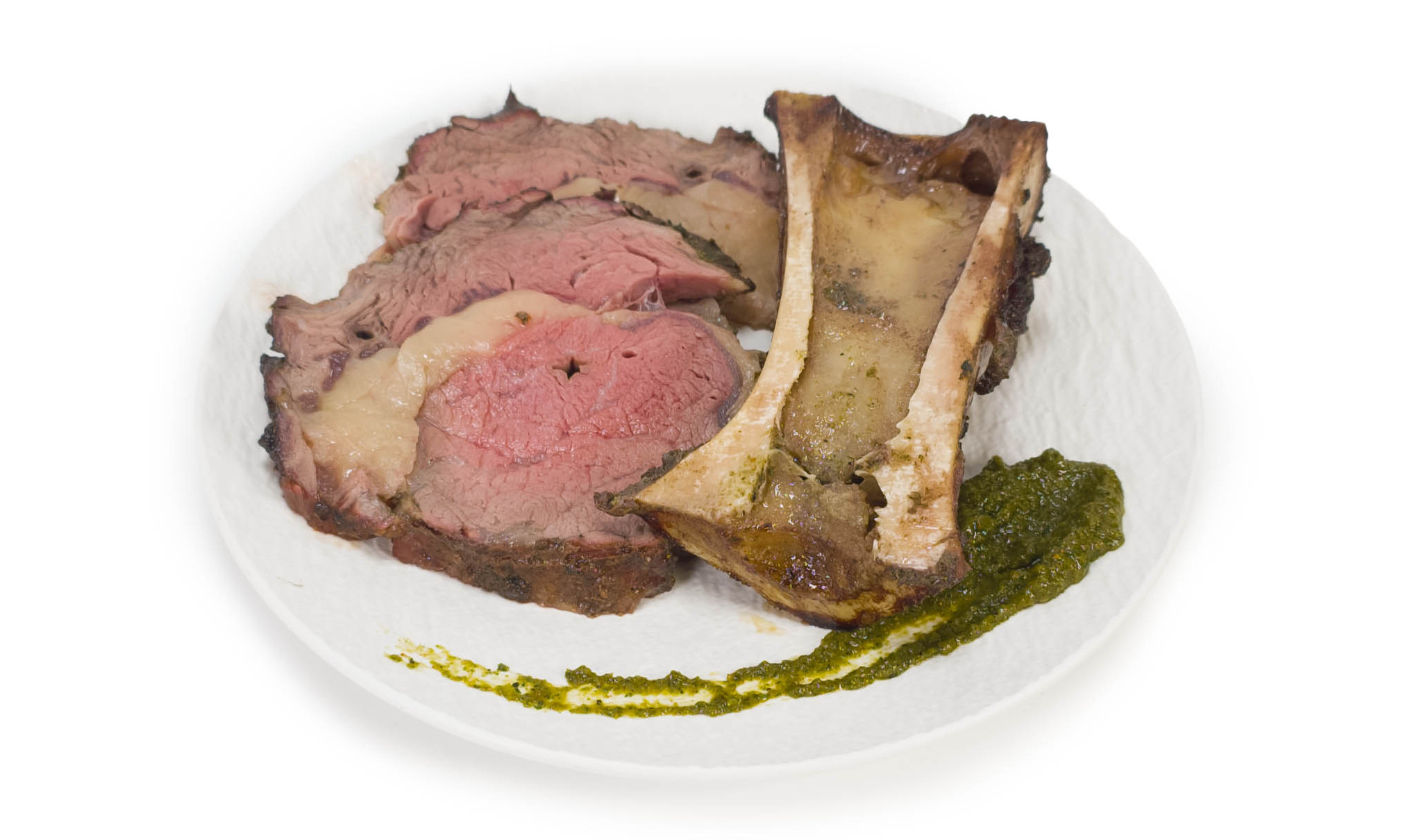
Visual and tactile signs help confirm the prime rib’s readiness. The surface should have a deep brown, crispy crust. The meat inside feels firm but still springy when pressed gently.
Juices running clear or slightly pink also indicate proper cooking. A slight wobble in the center means the roast is medium-rare. Trust your senses alongside temperature readings.
Avoiding Overcooking
Overcooking dries out the prime rib and reduces flavor. Remove the roast from heat a few degrees before the target temperature. Resting the meat allows carryover cooking to finish the process.
Cover the roast loosely with foil and let it rest for 15-20 minutes. This helps juices redistribute and makes slicing easier. Constant monitoring prevents the prime rib from becoming tough and dry.
Resting And Serving
Resting the prime rib after cooking is crucial for juicy results. Allow it to rest for about 15-20 minutes. This helps the juices redistribute, ensuring a tender and flavorful bite.
Preparing a prime rib on a rotisserie is a culinary delight that promises rich flavors and a tender texture. However, the process doesn't end once the cooking is done. Resting and serving are crucial steps that ensure your prime rib is juicy and flavorful. Let's dive into the importance of letting your prime rib rest, carving it with precision, and serving it in a way that impresses your guests.
Resting Time Importance
Allowing your prime rib to rest after cooking is essential. Resting helps the juices redistribute throughout the meat, making each bite succulent. Skipping this step can lead to a dry and less flavorful dish. How long should you rest your prime rib? Aim for at least 20 minutes, but 30 is even better. During this time, cover it loosely with foil to retain warmth without trapping steam, which can soften the crust.
Carving Tips
Carving the prime rib can be a daunting task, but with the right approach, you can maintain its structure and appeal. Use a sharp carving knife to ensure clean cuts. Begin by slicing along the bone to separate the meat from the ribs. Next, cut the meat into thick slices, about half an inch to an inch. Consistent thickness helps in even serving and enhances the dining experience. Remember, confidence is key. Approach this task with a steady hand and focus on precision.
Serving Suggestions
How you serve your prime rib can elevate the entire meal. Consider pairing it with sides that complement its rich flavor, such as garlic mashed potatoes or roasted vegetables. A simple au jus or horseradish sauce can enhance the meat's natural taste without overpowering it. For a touch of elegance, garnish with fresh herbs like rosemary or thyme. Engage your guests with a story about the meal's preparation, perhaps sharing a tip or two you learned along the way. This personal touch not only enhances the dining experience but also creates a memorable occasion.
Troubleshooting Common Issues
Troubleshooting common issues while cooking a prime rib on a rotisserie can save you from a disappointing meal. Knowing what to look out for helps you adjust quickly and keep your roast juicy and evenly cooked. Let’s dive into some frequent challenges and how you can fix them.
Uneven Cooking
Uneven cooking often happens when the meat isn’t balanced properly on the rotisserie spit. If one side is heavier, it will cook faster, leaving the other side underdone.
Make sure to tie the prime rib tightly with kitchen twine and balance it evenly on the spit. You can test the balance by spinning the spit by hand before turning on the motor—if it wobbles, adjust the meat position.
Also, consider the heat source. Is your grill’s heat consistent all around? Moving the roast slightly during cooking can help if one spot is hotter than another.
Dry Or Tough Meat
Dry or tough prime rib is often a result of overcooking or cooking at too high a temperature. Prime rib needs slow, steady heat to stay tender.
Use a meat thermometer to monitor internal temperature closely. Pull the roast off the heat at around 125°F for medium rare; it will continue to cook while resting.
Another tip is to let the meat rest for at least 20 minutes before slicing. This allows the juices to redistribute, making each bite juicy and tender.
Rotisserie Malfunctions
Sometimes the rotisserie motor can stop or slow down, causing uneven cooking or burning on one side. Check the motor and battery (if battery-operated) before starting your cook.
Keep a backup plan ready. If the rotisserie motor fails mid-cook, you can finish the prime rib on indirect heat in the grill or oven.
Also, clean and maintain your rotisserie equipment regularly. Grease buildup or rust can cause the motor to work harder and fail unexpectedly.

Credit: www.youtube.com
Frequently Asked Questions
How Long Does Prime Rib Take On A Rotisserie?
Prime rib generally takes about 15-20 minutes per pound on a rotisserie. Cooking time depends on the meat's size and desired doneness. Use a meat thermometer to ensure accuracy and avoid overcooking.
What Temperature Is Best For Rotisserie Prime Rib?
Set your rotisserie grill to 300°F (150°C) for even cooking. This temperature allows the meat to cook slowly and retain its juices, resulting in a tender and flavorful prime rib.
How Do I Know When Prime Rib Is Done?
Use a meat thermometer and check for an internal temperature of 130°F (54°C) for medium-rare. Rest the meat 15-20 minutes after cooking for juices to redistribute before slicing.
Should I Season Prime Rib Before Rotisserie Cooking?
Yes, seasoning prime rib with salt, pepper, and herbs enhances flavor. Apply seasoning at least an hour before cooking to allow the flavors to penetrate the meat fully.
Conclusion
Cooking prime rib on a rotisserie takes patience and care. Aim for about 15 minutes per pound at medium heat. Use a meat thermometer to check for doneness. Rest the meat after cooking to keep it juicy. This method gives you tender and flavorful prime rib every time.
Enjoy your meal and the praise that follows!