If you’re planning to cook a prime rib on a rotisserie, you probably wonder: how long should it take? Getting the timing just right is key to juicy, tender meat that will impress everyone at your table.
Too short, and your prime rib could be undercooked; too long, and it might dry out. You’ll discover the perfect cooking times and tips to make your rotisserie prime rib a mouthwatering success every time. Keep reading to unlock the secrets to roasting prime rib like a pro.
Choosing The Right Prime Rib
Choosing the right prime rib sets the foundation for a perfect rotisserie roast. Picking the best cut impacts flavor, tenderness, and cooking time. Let’s break down what to look for to make your prime rib shine on the rotisserie.
Selecting The Cut
Prime rib comes from the rib section, but not all cuts are created equal. Look for a standing rib roast with the bone in—it adds flavor and helps the meat cook evenly. You might notice some roasts are labeled as “boneless,” which cook faster but may lack the juiciness that the bone provides.
Have you ever tried a prime rib without the bone and felt it was less flavorful? That’s because the bone acts like a natural heat shield, allowing the meat next to it to stay juicy and tender.
Size And Weight Considerations
The size of your prime rib affects cooking time and how evenly it cooks on the rotisserie. A larger roast, around 6-8 pounds, works well for feeding a group and retains moisture better during slow cooking. Smaller roasts cook faster but can dry out if you're not careful.
Think about how many people you’re serving. A good rule is about 1 pound per person if you want leftovers. Keep in mind, the rotisserie needs enough space to spin freely, so don’t pick a roast that’s too big for your setup.
Quality Grades To Look For
Be aware of the USDA quality grades when buying prime rib. Prime grade offers the best marbling and flavor but can be expensive. Choice grade is more budget-friendly and still delivers a juicy, tender roast.
Check the marbling—the thin white lines of fat throughout the meat. More marbling means better flavor and tenderness. Would you sacrifice a bit of cost for a melt-in-your-mouth experience? Many find it’s worth the investment.
Preparing Prime Rib For Rotisserie
Preparing prime rib for rotisserie cooking requires careful steps to ensure the meat cooks evenly and tastes delicious. Proper preparation helps the roast stay juicy and develop a rich flavor. Attention to trimming, seasoning, and skewering makes a big difference in the final result.
Trimming And Seasoning
Start by trimming excess fat from the prime rib. Leave a thin layer to keep the meat moist. Remove silver skin and large fat chunks that won't render during cooking. Season the roast generously with salt and pepper. Use garlic powder and rosemary for added flavor. Rub the spices evenly over the surface. Let the meat rest at room temperature for about 30 minutes before cooking.
Marinating Tips
Marinating is optional but adds deep flavor. Use a simple mix of olive oil, garlic, herbs, and a splash of lemon juice. Avoid heavy sauces that can burn on the rotisserie. Marinate the prime rib in the fridge for at least 2 hours or overnight. Remove the roast from the marinade and pat dry before cooking. This step helps the seasoning stick better and prevents flare-ups.
Skewering The Roast
Choose a sturdy rotisserie spit rod that fits your grill. Secure the prime rib firmly with rotisserie forks on both ends. Center the roast to balance the weight evenly. Tighten the forks so the meat doesn’t move during rotation. Tie the roast with kitchen twine if needed to keep its shape. Proper skewering ensures even cooking and prevents the roast from slipping.
Rotisserie Setup And Temperature
Setting up your rotisserie and controlling the temperature is key to cooking prime rib perfectly. The right setup ensures the meat cooks evenly and stays juicy. Temperature control helps achieve a tender, flavorful roast without drying it out.
Ideal Heat Settings
Keep the rotisserie heat steady between 300°F and 350°F. This range allows the prime rib to cook slowly and evenly. Avoid high heat, which can burn the outside while leaving the inside undercooked. Use a thermometer to monitor the temperature constantly.
Rotisserie Equipment Tips
- Choose a sturdy spit rod that can hold the weight of the prime rib.
- Use strong forks or clamps to secure the meat tightly on the spit.
- Ensure your rotisserie motor has enough power for slow, consistent rotation.
- Preheat the rotisserie before placing the prime rib on it.
Ensuring Even Cooking
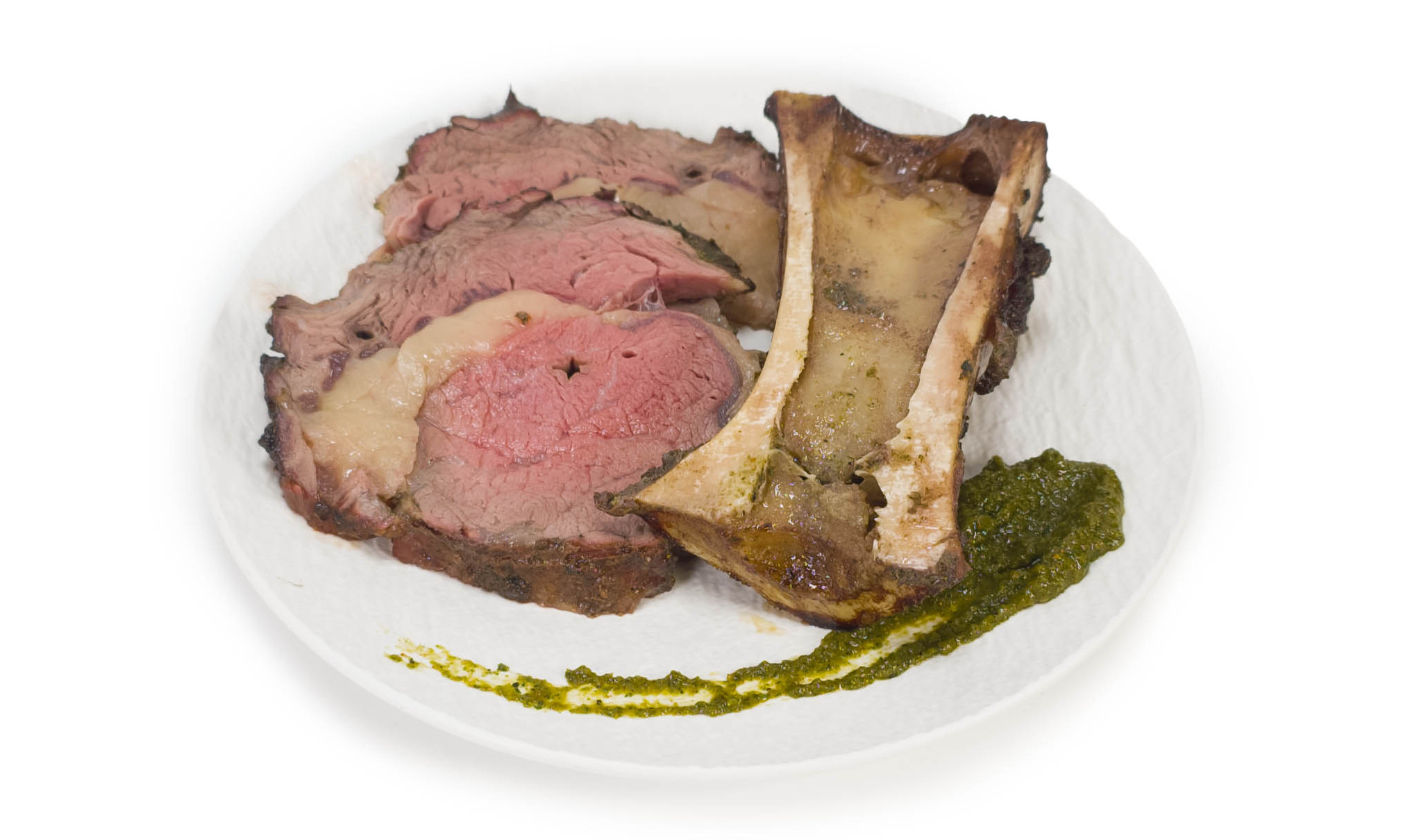
Balance the prime rib well on the spit to avoid wobbling. Rotate the meat slowly and steadily for even exposure to heat. Baste the prime rib occasionally to keep the surface moist. Use a meat thermometer to check the internal temperature at different spots.
Credit: pitmasterx.com
Cooking Time Guidelines
Knowing the right cooking time for a prime rib in a rotisserie is key to getting that perfect, juicy roast. Too short, and you risk undercooking; too long, and you end up with dry meat. The cooking time depends on several factors, so understanding these guidelines will help you achieve a delicious outcome every time.
Time Per Pound Estimates
A general rule is to cook your prime rib for about 15 to 20 minutes per poundat medium heat on the rotisserie. For a 5-pound roast, that means roughly 75 to 100 minutes of cooking time. Keep in mind that this estimate works best for medium-rare to medium doneness.
But don’t rely only on the clock—using a meat thermometer is the best way to check doneness. Aim for an internal temperature of 130°F for medium-rare or 140°F for medium.
Adjusting For Roast Size
Smaller roasts tend to cook faster than larger ones, but not in a perfectly linear way. A 3-pound roast might cook slightly quicker per pound compared to a 10-pound roast because heat penetrates more efficiently.
Also, the shape of the roast affects cooking time. A thicker roast will take longer than a flatter one, even if they weigh the same. Always factor in these differences when planning your cooking time.
Factors Affecting Cooking Duration
- Rotisserie Speed:Faster rotation can promote even cooking but might reduce overall cooking time slightly.
- Heat Source Temperature:Higher heat cooks faster but risks burning the exterior before the center is done.
- Initial Meat Temperature:Starting with room temperature meat shortens cooking time. Cold meat from the fridge will take longer.
- Fat Content:Prime rib with more marbling can cook slower due to fat melting and affecting heat distribution.
Have you ever noticed your prime rib cooking differently even with the same time? These factors explain why. Paying attention to them helps you adjust on the fly, ensuring a perfectly cooked roast every time.
Checking Doneness
Checking doneness ensures your prime rib is cooked perfectly on the rotisserie. Use a meat thermometer to check the internal temperature for desired doneness. Remove the roast once it reaches the target temperature to avoid overcooking.
Checking the doneness of a prime rib in a rotisserie is crucial. Achieving the perfect cook depends on attention to detail. Each method offers unique insights into the meat's readiness.
Using A Meat Thermometer
A meat thermometer is a reliable tool. Insert it into the thickest part of the prime rib. Ensure it does not touch bone for an accurate reading. For rare, aim for 120°F to 125°F. Medium rare should reach 130°F to 135°F. Medium hits the mark at 140°F to 145°F. Always check temperature twice for accuracy.
Visual And Texture Cues
Observe the color of the meat surface. A golden-brown crust indicates readiness. The texture also provides clues. Gently press the meat. A slight resistance suggests medium rare. A firmer feel indicates medium. These cues complement thermometer readings for a precise cook.
Resting Time Before Serving
Resting the prime rib is essential. Allow it to sit for 15 to 20 minutes. This resting period helps redistribute the juices. It ensures a juicy, flavorful bite. Cover loosely with aluminum foil during this time. This will keep the meat warm and enhance its taste.

Credit: www.youtube.com
Serving Tips For Prime Rib
Serving prime rib straight from the rotisserie is a rewarding experience, but the way you present it can elevate the meal even more. How you slice, what you serve alongside it, and how you store leftovers all impact your enjoyment. Paying attention to these details ensures every bite tastes as good as it looks.
Slicing Techniques
Cutting prime rib correctly keeps it tender and juicy. Use a sharp carving knife and slice against the grain for the best texture. Aim for slices about ½ inch thick; thinner slices can dry out quickly, while thicker ones might be too tough to chew easily.
Hold the roast steady with a fork or carving tool to maintain clean cuts. If you’re serving a crowd, consider slicing just before serving to keep the meat warm and moist. Have you noticed how slicing at the right thickness changes the whole eating experience?
Complementary Sauces And Sides
Pair prime rib with sauces that enhance its rich flavor without overpowering it. Horseradish cream and au jus are classic choices, offering a nice balance of sharpness and savory depth. You might also try a red wine reduction or a simple garlic butter to add a subtle layer of taste.
For sides, think about textures and colors that contrast the meat. Roasted vegetables, creamy mashed potatoes, or a fresh green salad work well. What sides do you find bring out the best in your prime rib?
Storing Leftovers
Leftover prime rib can still be delicious if stored properly. Wrap it tightly in foil or place it in an airtight container and refrigerate within two hours of cooking. This prevents the meat from drying out and keeps the flavors intact.
Use leftovers within 3 to 4 days for the best taste. Reheat gently, ideally in a low oven or covered pan, to avoid overcooking. Have you tried turning your leftover prime rib into sandwiches or a hearty stew?

Credit: www.chefworks.com
Frequently Asked Questions
How Long Does Prime Rib Take In A Rotisserie?
Cooking prime rib on a rotisserie usually takes 15 to 20 minutes per pound. This depends on the meat’s thickness and desired doneness. Always use a meat thermometer for accuracy to ensure perfect cooking.
What Temperature Should A Rotisserie Prime Rib Be Cooked?
Cook prime rib at 300°F (150°C) on a rotisserie for even heat. This temperature helps maintain juiciness while achieving a beautiful crust. Adjust timing based on your preferred doneness level.
How Do I Check Prime Rib Doneness On A Rotisserie?
Use a meat thermometer inserted into the thickest part of the prime rib. For medium-rare, aim for 130-135°F (54-57°C). Remove the meat early to allow carryover cooking for perfect results.
Should I Rest Prime Rib After Rotisserie Cooking?
Yes, rest prime rib for 15-20 minutes after cooking. This allows juices to redistribute evenly. Resting improves tenderness and flavor before slicing and serving.
Conclusion
Cooking prime rib in a rotisserie takes patience and care. Aim for steady heat and check the meat’s temperature often. This helps you get the perfect doneness every time. Rest the meat after cooking to keep it juicy and tender.
Use these tips to enjoy a delicious, flavorful prime rib. A simple process leads to great results. Try it out and enjoy your meal!