Are you ready to make a mouthwatering pork roast with minimal effort? Knowing exactly how long to cook a pork roast in your slow cooker can mean the difference between juicy, tender meat and a tough, dry meal.
Whether you’re new to slow cooking or just want to perfect your technique, this guide will give you clear, simple answers. Keep reading to discover the perfect cooking times and tips that will help you serve up a delicious pork roast every time.
Your taste buds will thank you!
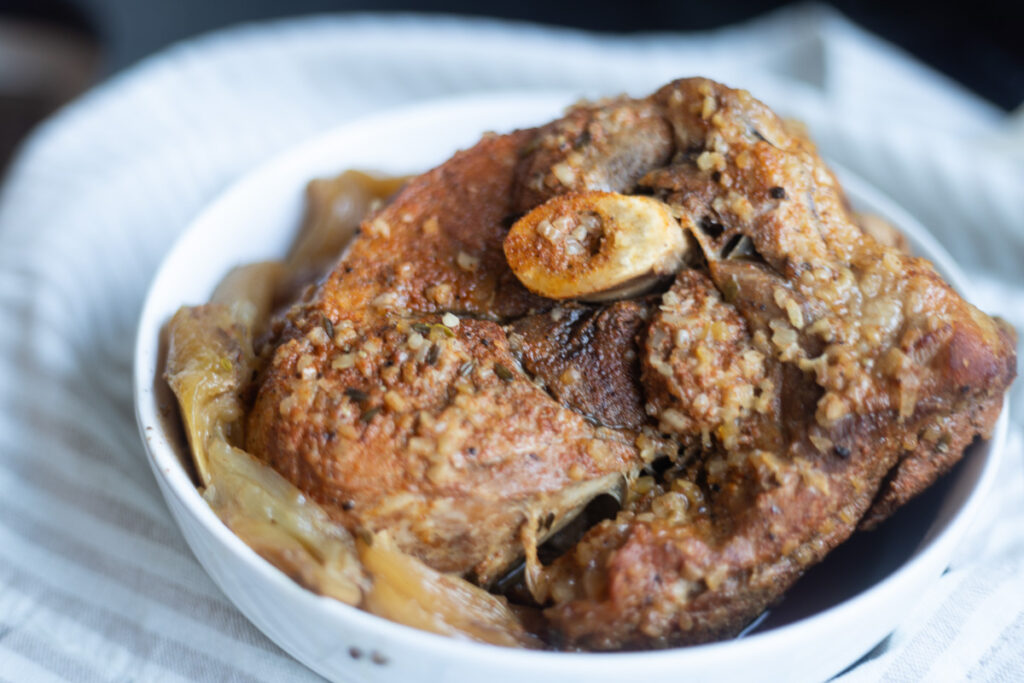
Credit: hopewellheightsblog.com
Choosing The Right Pork Cut
Choosing the right pork cut is key to getting the best results from your slow cooker. Different cuts vary in fat content, texture, and cooking time, which all affect how tender and flavorful your pork roast will be. Picking the right cut helps you avoid dry or tough meat, making your meal truly satisfying.
Best Cuts For Slow Cooking
Some pork cuts handle long cooking times better than others. These cuts usually have more fat and connective tissue, which break down slowly and keep the meat moist and tender.
- Pork Shoulder (Boston Butt):This is a top choice for slow cooking. It has enough fat and marbling to stay juicy and becomes easy to shred.
- Pork Butt:Often confused with shoulder, it’s actually the upper part of the shoulder with similar qualities perfect for slow roasting.
- Pork Picnic Roast:A bit tougher than shoulder but rich in flavor. It benefits from long, slow cooking to soften.
- Country-Style Ribs:These are well-marbled and tender when slow cooked, great for pull-apart meals.
Lean cuts like pork loin or tenderloin aren’t ideal here. They can dry out quickly and become tough, even with slow cooking.
Factors Affecting Cooking Time
Not all pork roasts cook at the same speed, even if they’re the same cut. The size and thickness of the roast directly impact how long it needs to stay in the slow cooker.
Another factor is whether the roast is bone-in or boneless. Bone-in pieces often take longer to cook because heat has to penetrate around the bone.
The temperature setting on your slow cooker matters, too. Low heat usually means 8 to 10 hours, while high heat can cut that to 4 to 6 hours. But rushing the process can risk drying out your roast.
Have you noticed how some slow cooker recipes call for wrapping the pork in foil or adding liquid? These steps can also change cooking time and final texture by keeping moisture locked in.

Credit: hopewellheightsblog.com
Preparing The Pork Roast
Choose a fresh pork roast and pat it dry before seasoning. Place it in the slow cooker with a bit of liquid to keep it moist. Cooking times vary but usually range from 6 to 8 hours on low heat.
Preparing the perfect pork roast in a slow cooker is an art. The journey begins with careful preparation. Proper steps ensure a tender, flavorful result. Let's delve into the essentials for preparing your pork roast.
Trimming And Seasoning
Start by trimming excess fat from the pork roast. Too much fat can make the dish greasy. Keep a thin layer for flavor. Seasoning is crucial. Use salt, pepper, and garlic powder. For extra flavor, add herbs like rosemary or thyme. Rub the spices evenly over the meat. Let it sit for a few minutes. This allows the flavors to penetrate.
Adding Aromatics And Liquids
Aromatics elevate the taste. Consider onions, garlic, or carrots. Chop them coarsely and place them at the bottom of the slow cooker. This creates a flavor base. Adding liquids helps keep the roast moist. Opt for chicken broth or apple cider. Pour a small amount into the cooker. It should cover the base but not submerge the meat. This setup ensures a rich, savory dish.
Slow Cooker Settings And Times
Understanding your slow cooker’s settings and timing is key to cooking a tender, flavorful pork roast. The heat level you choose directly affects how long your roast will take to cook and the texture it ends up with. Let’s break down the differences between low and high heat settings and go over general cooking times so you can plan your meal with confidence.
Low Vs High Heat Settings
Slow cookers typically offer two main heat settings: low and high. The low setting cooks food gently over a longer time, usually between 6 to 10 hours. This slow pace allows tougher cuts of pork to become tender and juicy without drying out.
The high setting speeds up the cooking process, cutting the time roughly in half to about 3 to 5 hours. While this is convenient, it requires more attention to prevent overcooking or drying the meat. Have you noticed how some roasts turn out tougher when cooked quickly? That’s often because high heat can tighten the meat fibers.
Choosing between low and high heat depends on your schedule and how much time you want to dedicate to monitoring the roast. If you have the time, low heat usually delivers the best flavor and texture.
General Cooking Time Guidelines
| Slow Cooker Setting | Approximate Cooking Time for Pork Roast |
|---|---|
| Low | 6 to 10 hours |
| High | 3 to 5 hours |
These times can vary based on the size and type of your pork roast. For example, a 3-pound pork shoulder might take closer to 8 hours on low, while a smaller roast could finish in 6 hours. It’s always a good idea to check the internal temperature with a meat thermometer — you’re aiming for at least 145°F (63°C).
Have you tried adjusting your cooking times based on what you learned? Experimenting with slow cooker settings can help you find the perfect balance between convenience and taste.
Checking For Doneness
Knowing when your pork roast is perfectly cooked in a slow cooker is key to avoiding dry or undercooked meat. Checking for doneness isn't just about timing; it requires a bit of hands-on testing and understanding what to look for. Let’s break down the most reliable ways to tell if your pork roast is ready to serve.
Internal Temperature Targets
The safest and most accurate way to check doneness is by measuring the internal temperature. Insert a meat thermometer into the thickest part of the roast, avoiding bone or fat for an accurate reading.
- 145°F (63°C)- This is the USDA recommended minimum temperature for pork. At this point, the meat is safe to eat but may still be slightly pink inside.
- 160°F (71°C)- The pork will be fully cooked and firmer, with less pink, ideal for those who prefer traditional well-done pork.
- 190-205°F (88-96°C)- For pulled pork, aim for this range to break down collagen and create tender, shreddable meat.
Have you ever been surprised by how much difference 10 degrees can make in texture? Keep this in mind when you check your roast.
Signs Of Perfect Tenderness
Tenderness is more than just temperature; it’s about how the meat feels and responds to touch. If your pork roast easily pulls apart with a fork, it’s a great sign that it’s tender and ready.
Another tip is to gently press the roast with tongs or a fork. If it feels soft and yields easily, the collagen has broken down properly. If it’s still firm or resists, it needs more time.
Ask yourself: Does the meat fall apart without effort, or do you need to tug hard? That simple test often beats any timer or thermometer in the kitchen.
Tips For Juicy And Tender Pork
Getting a juicy and tender pork roast from your slow cooker isn’t just about timing—it’s about technique. The way you handle the meat before, during, and after cooking can make a huge difference in the final texture and flavor. Here are some practical tips to help you achieve that perfect melt-in-your-mouth pork roast every time.
Avoiding Overcooking
Slow cookers are great, but they can easily turn your pork roast dry if left too long. Keep an eye on the cooking time and temperature settings. Most pork roasts do well on low for about 6 to 8 hours or on high for 3 to 4 hours.
Try using a meat thermometer to check the internal temperature—it should reach about 145°F (63°C) for safe consumption but not much higher. Pulling the roast out as soon as it hits the right temperature prevents the meat from drying out.
Also, resist the urge to lift the lid too often. Every time you open the slow cooker, heat escapes and extends cooking time, which can cause overcooking.
Resting The Meat Before Serving
Once your pork roast is cooked, don’t rush to slice it. Resting allows the juices to redistribute, making the meat juicier and more tender. Cover the roast loosely with foil and let it sit for at least 10 to 15 minutes.
During this time, the internal temperature continues to rise slightly, ensuring the meat is cooked evenly throughout. Have you noticed how resting a steak makes it taste better? The same goes for pork roasts.
Skipping this step often leads to dry slices and lost flavor, so give your roast the rest it deserves before serving.
Enhancing Flavor With Sauces And Rubs
Enhancing the flavor of a pork roast in a slow cooker makes every bite delicious. Sauces and rubs add depth and richness. They help tenderize the meat and create layers of taste. Using the right marinade or dry rub can turn a simple roast into a memorable meal. Experimenting with different flavors brings variety to your cooking. Here’s how to use popular marinades and dry rubs effectively for your slow-cooked pork roast.
Popular Marinades
Marinades soak into the meat, adding moisture and flavor. They work best when the pork roast rests in them for several hours or overnight. Acidic ingredients like vinegar, citrus juice, or wine help break down tough fibers.
- Barbecue Sauce:Sweet and tangy, perfect for a smoky finish.
- Apple Cider Vinegar:Adds a sharp, fruity note and tenderizes the meat.
- Soy Sauce and Ginger:Creates a savory, slightly spicy flavor profile.
- Honey and Mustard:Balances sweetness with a bit of tang.
Always pat the pork dry before placing it in the slow cooker. Excess marinade can dilute the flavor during cooking.
Using Dry Rubs Effectively
Dry rubs are a mix of herbs, spices, and salt. They create a flavorful crust on the pork roast. Rub the mixture thoroughly over the meat’s surface. This helps seal in juices during slow cooking.
- Use spices like paprika, garlic powder, black pepper, and brown sugar.
- Let the rub sit on the meat for at least 30 minutes before cooking.
- For deeper flavor, wrap the rubbed pork in plastic wrap and refrigerate overnight.
- Use a light coating of oil to help the rub stick better.
Dry rubs add texture and a burst of flavor without adding moisture. They complement sauces well and enhance the slow-cooked pork’s natural taste.

Credit: hopewellheightsblog.com
Frequently Asked Questions
How Long To Cook Pork Roast In Slow Cooker?
Cook a pork roast on low for 8-10 hours or on high for 4-6 hours. Cooking time depends on roast size and slow cooker model.
What Temperature Should Slow Cooker Be For Pork Roast?
Use the low setting for tender, juicy pork roast. High setting cooks faster but may dry the meat.
How To Know When Pork Roast Is Done In Slow Cooker?
Pork is done when it reaches 145°F internal temperature. Use a meat thermometer to ensure safe and perfect cooking.
Can I Cook Frozen Pork Roast In Slow Cooker?
It’s best to thaw pork roast before slow cooking. Cooking frozen meat can lead to uneven cooking and food safety risks.
Conclusion
Cooking a pork roast in a slow cooker takes time but is simple. Set the cooker on low for about 8 hours or high for 4 to 5 hours. Check the meat’s temperature to ensure it reaches 145°F for safety.
This method keeps the pork tender and juicy. Add your favorite spices and vegetables for extra flavor. Enjoy a delicious meal without much effort. Slow cooking saves time and brings out rich taste. Perfect for busy days or easy dinners.
Try it and see how good slow-cooked pork can be.