If you want a perfectly crispy, mouth-watering pizza, using a pizza stone is a game-changer. But how long should you cook your pizza on that stone to get the best results?
Too short, and your crust might be doughy. Too long, and you risk burning it. You’ll discover the ideal cooking times and tips that will help you create pizza just like your favorite pizzeria—right at home. Keep reading, because mastering this simple step will change the way you enjoy pizza forever.

Credit: www.reddit.com
Choosing The Right Pizza Stone
Choosing the right pizza stone affects how evenly your pizza cooks. A good stone holds heat well and creates a crispy crust. Different stones vary in materials, size, and thickness. These factors impact cooking time and pizza quality.
Picking a stone that fits your oven and baking style is important. Some stones heat faster, while others keep the heat longer. Understanding these basics helps you cook better pizza every time.
Materials And Thickness
Pizza stones come in ceramic, cordierite, and cast iron. Ceramic stones heat evenly but can crack if heated too fast. Cordierite stones resist heat shock and last longer. Cast iron stones heat quickly and stay hot longer.
Thickness matters too. Thicker stones hold heat better but take longer to preheat. Thin stones heat fast but cool quickly when you put pizza on them. Choose thickness based on your baking speed and oven size.
Size And Shape Considerations
Stone size should match your oven dimensions. A large stone covers more area but takes longer to heat. Small stones heat quickly but limit pizza size.
Round stones fit traditional pizza shapes. Rectangular or square stones work well for sheet pizzas or multiple small pizzas. Pick a shape that fits your cooking needs and oven space.
Preheating Tips
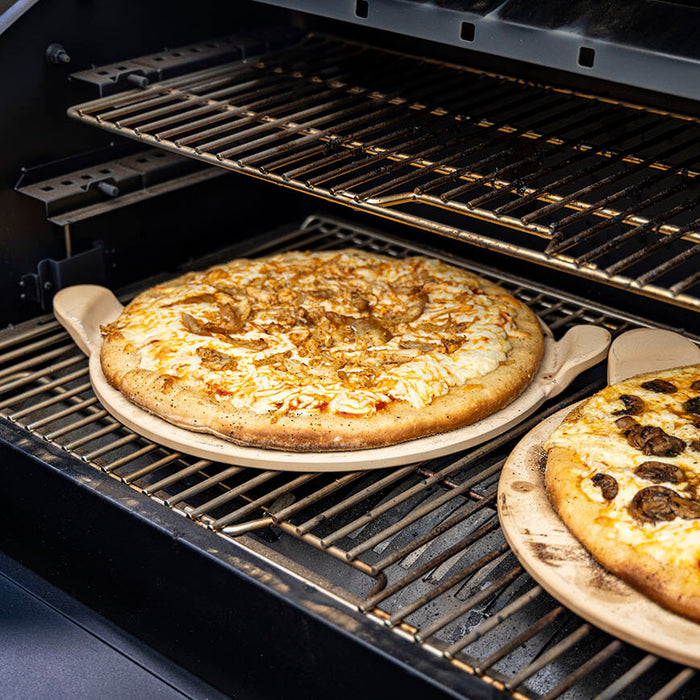
Preheat the stone at a high temperature for at least 30 minutes. This ensures even heat and a crispy crust. Avoid placing cold dough on a cold stone, as it causes uneven cooking.
Keep the stone in the oven during preheating to prevent cracks. Use an oven thermometer to check the temperature. Proper preheating reduces cooking time and improves pizza texture.
Credit: www.pitboss-grills.com
Preparing Your Pizza
Preparing your pizza properly can make all the difference when cooking on a pizza stone. Every detail, from dough thickness to how you transfer it, affects the final result. Let’s break down the essentials to help you get a crispy, delicious pizza every time.
Dough Thickness And Toppings
Your dough’s thickness will influence cooking time and texture. Thin dough cooks faster and crisps up nicely on a stone, while thicker dough needs more time and can risk undercooking in the center.
Think about the toppings too. Heavy or wet toppings can slow cooking and make the crust soggy. Try to keep toppings balanced and avoid piling them on too thickly, especially for thin-crust pizzas.
Using Flour Or Cornmeal
Sprinkling flour or cornmeal on your pizza peel prevents sticking and helps your pizza slide easily onto the stone. Cornmeal adds a nice crunch and a hint of flavor, while flour is more neutral.
I once skipped this step and ended up chasing my pizza around the oven! Don’t make the same mistake—use a good dusting to make transferring smooth and stress-free.
Shaping And Transferring
Shape your dough gently on a floured surface to avoid tearing. If you stretch it by hand, do it evenly to maintain consistent thickness.
When transferring, keep your peel well-floured or dusted with cornmeal. Give it a quick shake to check the pizza moves freely before sliding it onto the stone. This simple test can save you from a frustrating stuck pizza.
Optimal Oven Temperature
Getting the oven temperature just right is crucial when cooking pizza on a pizza stone. Too low, and your crust ends up soggy; too high, and it might burn before the toppings cook through. Finding the optimal oven temperature ensures your pizza comes out perfectly crispy on the bottom and beautifully cooked on top.
Ideal Heat Levels For Crispiness
The sweet spot for baking pizza on a stone usually falls between 475°F and 500°F (245°C to 260°C). At this range, the stone absorbs and radiates heat evenly, creating that signature crispy crust you want. Cooking at lower temperatures often results in a doughy base, while going higher risks burning the edges before the center is done.
Think about the last time you baked pizza at home. Did the crust feel too soft or too crunchy? Adjusting your oven within this temperature range could be the key to dialing in that perfect texture.
Adjusting For Different Ovens
Every oven heats differently. Some run hotter than the dial suggests, while others take longer to reach the set temperature. You might need to tweak the temperature slightly based on your oven's quirks.
If your oven tends to overheat, try lowering the temperature by 10-15 degrees. For ovens that don’t get hot enough, increase the temperature or extend baking time slightly. Also, placing the pizza stone in the lower third of the oven can help develop a crunchier base.
Using A Thermometer
Relying on your oven's built-in thermometer can be misleading. A separate oven thermometer gives you a more accurate reading of the temperature inside. This helps avoid guessing and ensures consistent results.
Place the thermometer on the same rack as your pizza stone before you start preheating. This way, you know exactly how hot your stone gets and can adjust your baking time accordingly. Have you checked your oven’s real temperature lately? It might surprise you.
Cooking Times For Different Pizzas
Pizza stone cooking times vary by pizza type and thickness. Thin crust pizzas cook faster, usually in 5-7 minutes. Thicker or stuffed crust pizzas need about 10-12 minutes for a fully cooked, crispy base.
Cooking pizza on a pizza stone can elevate your homemade pizza game to new heights. The key to a perfect pie lies in understanding the right cooking time for different types of pizzas. Whether you're a fan of thin crust, thick crust, or frozen pizzas, each variety requires specific attention to ensure a crispy base and delicious toppings.
Thin Crust Pizzas
Thin crust pizzas are known for their delicate, crispy texture. Typically, these pizzas require less cooking time. Preheat your oven to about 475°F (245°C) with the pizza stone inside. Once the stone is hot, place your thin crust pizza directly on it. Bake for approximately 7-10 minutes. Keep an eye on the cheese; when it bubbles and the edges are golden brown, your pizza is ready. Do you prefer a slightly burnt crust or just a golden hue? Adjust the time accordingly to suit your taste.
Thick Crust And Deep Dish
Thick crust and deep-dish pizzas are a different ball game. These hearty pizzas need more time to cook through. Preheat your oven to 425°F (220°C) with the pizza stone inside. Place your pizza on the hot stone and bake for 12-15 minutes. The crust should be firm, and the cheese should be melted and bubbly. Have you ever waited impatiently for a deep-dish pizza to cook? Patience pays off with that perfect bite.
Frozen Vs. Fresh Pizzas
Frozen pizzas offer convenience but need a little extra care when using a pizza stone. Preheat your oven to 450°F (232°C). Remove the pizza from its packaging and place it on the heated stone. Cook for 10-12 minutes, or until the cheese is fully melted and the crust is golden. Fresh pizzas, on the other hand, cook faster. At 475°F (245°C), bake them for 8-12 minutes. Ever wondered why fresh pizza cooks faster? It's all about the moisture content and ingredients. Incorporating these cooking times will help you achieve the perfect pizza, tailored to your preferences. What’s your favorite pizza style to cook on a pizza stone?
Signs Of A Perfectly Cooked Pizza
Recognizing the signs of a perfectly cooked pizza can transform your home baking experience. It’s not just about timing; it's about observing key details that tell you when your pizza is ready to enjoy. Paying attention to these signs will help you avoid undercooked dough or burnt toppings, ensuring every bite is delicious.
Crust Color And Texture
The crust should have a golden-brown color with some darker spots where the heat hit strongest. It should feel firm but still have a slight bounce when you press it gently. A soggy or overly pale crust usually means your pizza needs more time, while a very dark crust can mean it’s overcooked.
Think about the last time you bit into a pizza with a crispy edge that still gave way to a soft center—that’s the texture you want to aim for. Does your crust look evenly baked around the edges and bottom? That’s a strong sign your pizza stone did its job well.
Cheese And Topping Appearance
The cheese should be melted fully and bubbling lightly, sometimes with small golden spots. If your cheese looks rubbery or still solid in some parts, it’s a hint that the pizza needs a little longer. Watch the toppings too: they should be cooked through but not dried out or burnt.
Have you noticed how some pizzas have perfectly blistered pepperoni or slightly caramelized veggies? That’s a sign the heat was just right. If your toppings are still pale or raw-looking, consider giving your pizza more time on the stone.
Testing Doneness
A simple way to test doneness is to lift the pizza slightly and check the bottom of the crust. It should be evenly browned and firm. If it’s soft or doughy, slide it back on the stone for a few more minutes.
You can also use a fork or knife to gently press into the crust; it should feel crisp, not doughy. If you’re unsure, cut a small slice and check the texture inside—does it look cooked through or is it still gummy? These little checks save you from guessing and help you serve the perfect pizza every time.
Troubleshooting Common Issues
Using a pizza stone can elevate your homemade pizza experience, but sometimes things don’t go as planned. Issues like soggy crusts, burnt bottoms, or uneven cooking can sneak in and ruin your perfect pie. Let’s tackle these common problems so your pizza comes out just right every time.
Soggy Crust Solutions
A soggy crust usually means the stone isn’t hot enough or the dough has too much moisture. Preheat your pizza stone for at least 45 minutes to an hour at the highest oven temperature. This ensures the stone absorbs enough heat to crisp up the base.
Another tip is to avoid piling too many wet toppings. Try patting down ingredients like fresh tomatoes or mozzarella to reduce excess moisture. Have you checked if your dough recipe is too wet? Adjusting the water-to-flour ratio slightly can make a big difference.
Burnt Bottom Fixes
If your crust is burning before the toppings cook, the stone might be too close to the heat source. Try moving the rack higher in the oven or lowering the oven temperature by 25°F (about 15°C). This gives your pizza time to cook evenly without charring the bottom.
Using a pizza peel with cornmeal or flour can also prevent sticking, which sometimes leads to burnt spots when the pizza is dragged across the stone. Ask yourself: Are you sliding the pizza too aggressively onto the stone? Gentle placement can help avoid damage to the crust.
Uneven Cooking Tips
Uneven cooking often happens when heat distribution is off or the pizza is too large for the stone. Check if your stone size matches your pizza size to allow even heat contact. Rotating the pizza halfway through baking can also promote uniform cooking.
Sometimes, oven hot spots cause uneven baking. If you notice this, try shifting the stone’s position or using an oven thermometer to monitor temperature consistency. Have you experimented with rotating your pizza regularly? Small adjustments can lead to a perfectly cooked pie.
Maintaining Your Pizza Stone
Maintaining your pizza stone is key to getting the best pizza every time you cook. A well-cared-for stone heats evenly and lasts for years, saving you money and improving your baking results. Small habits in cleaning, handling, and storage make a big difference in how your stone performs.
Cleaning Methods
Never use soap or detergent on your pizza stone because it soaks into the porous surface and affects the taste of your pizza. After each use, let the stone cool completely before cleaning. Scrape off stuck-on bits with a plastic spatula or a stiff brush.
For deeper cleaning, wipe the stone with a damp cloth or sponge. If stains persist, sprinkle coarse salt on the surface and scrub gently. Avoid soaking the stone in water or putting it in the dishwasher, as this can cause cracking.
Avoiding Cracks And Damage
Sudden temperature changes are the biggest enemy of pizza stones. Don’t place a cold stone directly into a hot oven or remove a hot stone and put it on a cold countertop. Let the stone heat up and cool down gradually with the oven to prevent cracking.
Handle your stone carefully; dropping it even from a small height can cause chips or cracks. If your stone develops small cracks, it might still be usable, but large cracks can affect its performance and safety.
Storage Suggestions
Store your pizza stone in a dry place to prevent moisture absorption, which weakens the stone. Keeping it in or on top of your oven is a good option, as it stays dry and ready for use.
If you stack other cookware on top, place a cloth or paper towel between items to avoid scratches. Do you ever think about how storing your stone could affect its lifespan just as much as cleaning? Treat your stone like your favorite kitchen tool, and it will repay you with delicious pizzas for years.
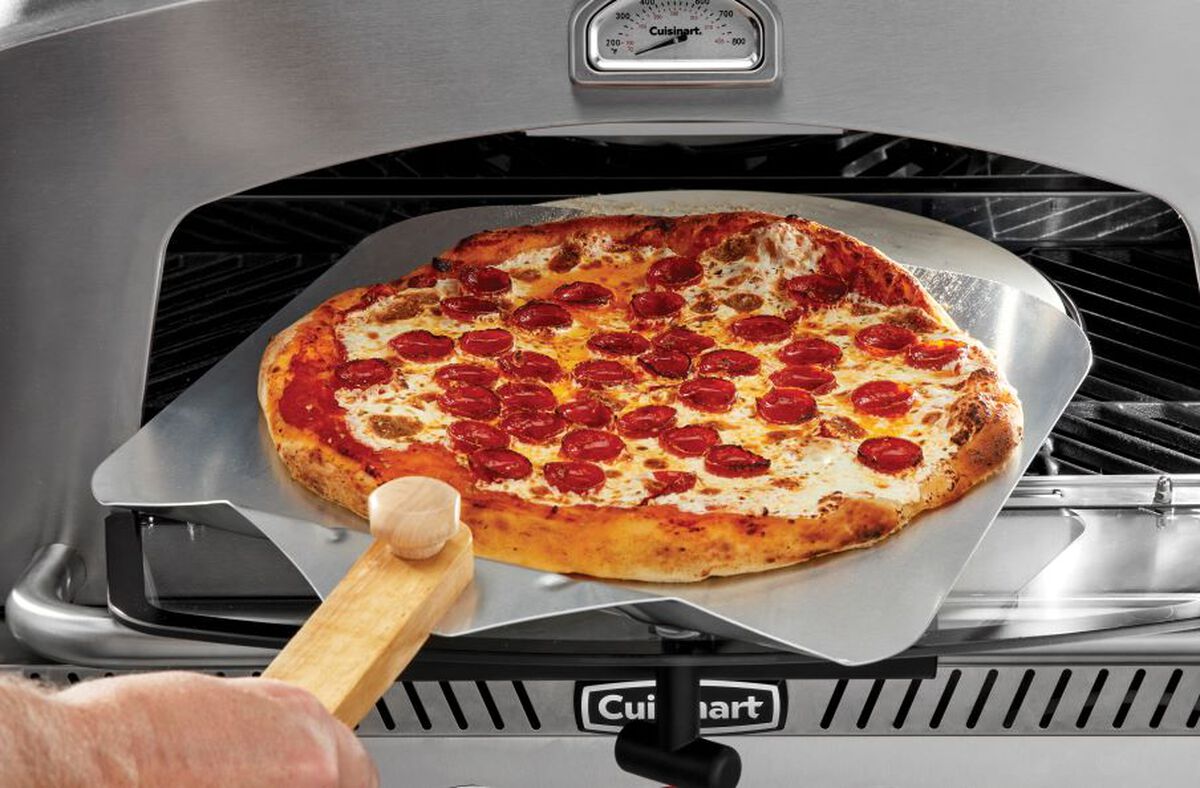
Credit: www.cuisinart.com
Frequently Asked Questions
How Long Does Pizza Take On A Pizza Stone?
Cooking pizza on a stone usually takes 7 to 12 minutes. Preheat the stone at 475-500°F for best results. This ensures a crispy crust and evenly cooked toppings.
What Temperature Is Best For Pizza Stones?
The ideal temperature ranges between 475°F to 500°F. This high heat cooks the pizza quickly and crisply. Preheating the stone for at least 30 minutes is essential.
Can I Cook Frozen Pizza On A Pizza Stone?
Yes, you can cook frozen pizza on a stone. Increase cooking time by 2-3 minutes for thorough heating. Preheat the stone to ensure even cooking and crispy crust.
Does Pizza Stone Cooking Time Vary By Thickness?
Yes, thicker crusts require 10-12 minutes, while thin crusts need 7-9 minutes. Adjust time based on toppings and oven temperature for perfect cooking.
Conclusion
Cooking pizza on a pizza stone takes about 10 to 15 minutes. The stone helps make the crust crispy and delicious. Preheat the stone well for best results. Keep an eye on the pizza to avoid burning. Every oven is different, so times may vary.
Practice will help you find the perfect timing. Enjoy fresh, tasty pizza right from your own kitchen. Simple steps lead to great homemade pizza every time.