Are you wondering how long to cook a chicken in your convection oven for the perfect juicy and crispy result? Getting the timing right can make all the difference between a dry bird and a mouthwatering meal.
You’ll discover the exact cooking times and simple tips to help you nail it every time. Whether you’re a beginner or just looking to improve your cooking skills, this guide will make sure your chicken turns out delicious, tender, and full of flavor.
Keep reading to unlock the secrets to cooking chicken like a pro in your convection oven!
Credit: www.subzero-wolf.com
Benefits Of Using A Convection Oven
Using a convection oven changes how you cook chicken in noticeable ways. It doesn’t just cook faster; it also improves the texture and flavor of your meals. Understanding these benefits can help you get the most out of your oven and enjoy tastier, juicier chicken every time.
Even Cooking With Consistent Heat
The fan inside a convection oven circulates hot air all around your chicken. This means no cold spots or uneven cooking. You get a beautifully browned skin and tender meat throughout, without constantly rotating the pan.
Faster Cooking Times Save You Effort
Thanks to better heat distribution, your chicken cooks roughly 25% faster than in a traditional oven. This saves you time in the kitchen, especially on busy days. Imagine serving a perfectly roasted chicken with crispy skin in under an hour!
Energy Efficiency And Cost Savings
Since the cooking time is shorter and the temperature often lower, convection ovens use less energy. This can reduce your electricity bills over time. Plus, less cooking time means your kitchen stays cooler, making summer cooking more comfortable.
Improved Flavor And Texture
Have you noticed how convection ovens create a crispier crust on roasted chicken? The moving air removes moisture from the skin faster, enhancing its crunchiness. Meanwhile, the inside remains juicy, giving you the best of both worlds.
Ability To Cook Multiple Dishes At Once
The even heat circulation lets you cook several dishes simultaneously without worrying about uneven cooking. You can roast a chicken and bake vegetables on different racks, saving time and effort. This feature is perfect if you’re preparing a full meal for family or guests.

Credit: www.convectionkitchen.com
Factors Affecting Cooking Time
Cooking chicken in a convection oven requires attention to several factors. These factors influence how long the chicken takes to cook thoroughly and safely. Understanding them helps achieve juicy and well-cooked chicken every time.
Cooking times vary based on the chicken's size, the oven's temperature, and the specific cut of chicken. Knowing these details helps adjust cooking times properly. This prevents overcooking or undercooking your meal.
Chicken Size And Weight
Chicken size directly affects cooking time. Larger chickens take longer to cook than smaller ones. Weight is a key measure. A whole chicken weighing 4 pounds cooks faster than one weighing 6 pounds.
Thicker pieces also need more time. The heat must reach the center for safe cooking. Check weight before setting the timer. Adjust cooking time based on the chicken's size.
Oven Temperature Settings
Oven temperature changes cooking speed. Higher temperatures cook chicken faster but risk drying it out. Lower temperatures take longer but keep the meat tender.
Convection ovens use fans to circulate hot air. This speeds cooking and promotes even browning. Common temperatures range from 350°F to 400°F. Choose the right temperature for the cut and size.
Type Of Chicken Cut
Different cuts need different cooking times. Whole chickens take the longest. Chicken breasts cook faster because they are smaller.
Thighs and drumsticks contain more fat and connective tissue. They need more time to become tender. Boneless cuts cook quicker than bone-in. Adjust cooking time based on the chicken cut.
Recommended Cooking Times
Cooking chicken in a convection oven can save you time and give you a perfectly crispy exterior. But how long should you cook each part of the chicken? The answer varies depending on the cut and size. Knowing the right cooking times helps avoid undercooked or dry results.
Whole Chicken
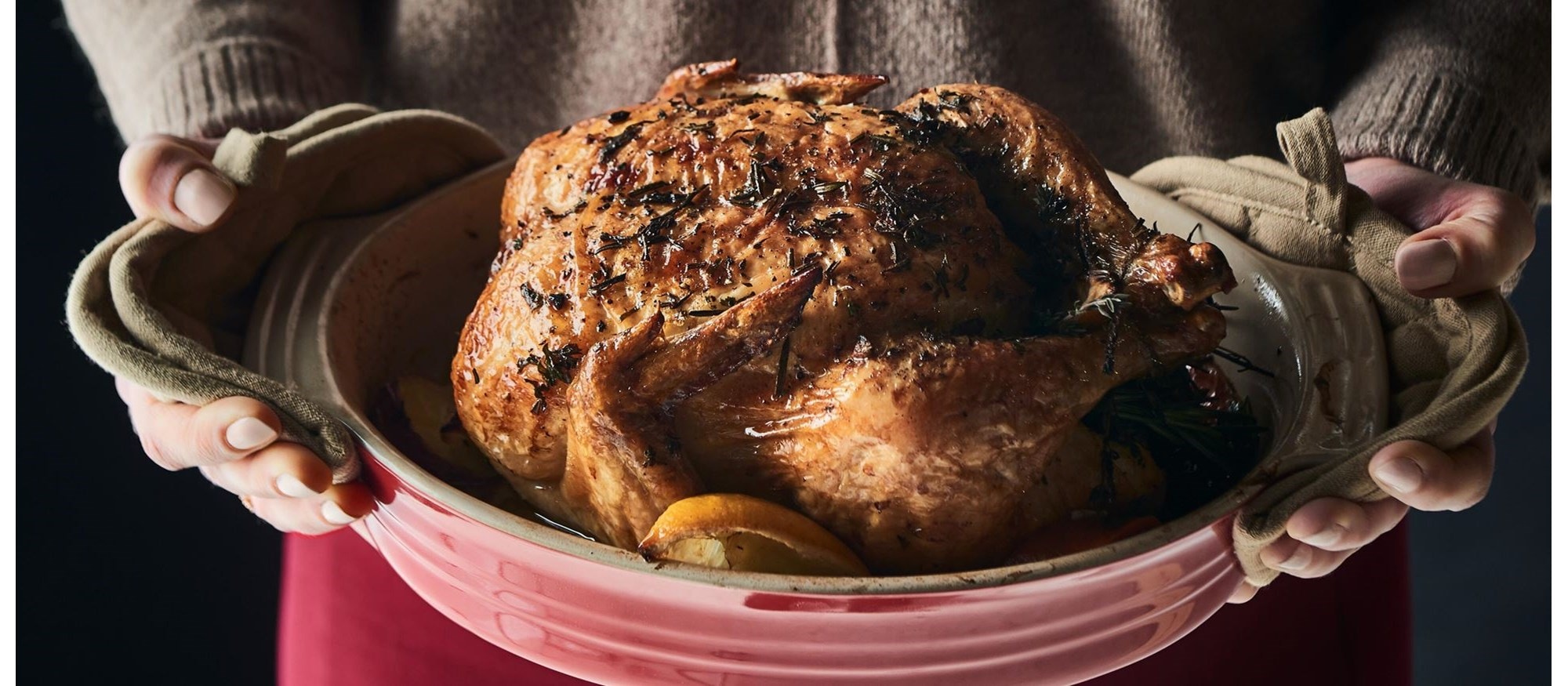
A whole chicken usually takes about 20 minutes per pound at 375°F (190°C) in a convection oven. For example, a 4-pound chicken will need roughly 1 hour and 20 minutes. Always check that the internal temperature reaches 165°F (74°C) to ensure it’s fully cooked.
Using a meat thermometer is your best bet. It prevents guesswork and gives you confidence that your chicken is safe and juicy.
Chicken Breasts
Boneless chicken breasts cook faster than a whole chicken. At 375°F, expect them to take between 18 to 22 minutes depending on thickness. Thick breasts might need a few extra minutes, so keep an eye on them.
If you’re cooking bone-in breasts, add 5 to 7 minutes to the time. The convection fan helps keep the outside from drying while cooking the inside thoroughly.
Chicken Thighs And Legs
Thighs and legs usually take about 25 to 30 minutes at 375°F. Bone-in pieces take longer, but the convection oven helps render fat nicely, giving you crispy skin. Skinless pieces will cook a bit faster, so adjust accordingly.
Have you ever noticed thighs stay juicier than breasts? That’s partly due to their higher fat content, so they handle slightly longer cooking times well.
Chicken Wings
Wings are small and cook quickly. At 400°F (204°C), they usually take 20 to 25 minutes in a convection oven. The high temperature crisps the skin while keeping the inside tender.
For extra crunch, try flipping the wings halfway through cooking. This simple step can make a big difference in texture.
Tips For Juicy And Tender Chicken
Getting juicy and tender chicken out of a convection oven is more about technique than luck. You can’t just pop it in and expect perfection. Paying attention to seasoning, temperature, and resting time makes all the difference in flavor and texture.
Proper Seasoning And Marinating
Seasoning is your first chance to add flavor deep into the meat. Don’t just sprinkle salt on the surface—try a marinade with acid like lemon juice or yogurt to break down proteins and tenderize the chicken.
Marinate for at least 30 minutes, but if you have time, a few hours or overnight works wonders. Even a simple mix of olive oil, garlic, salt, and herbs can make your chicken stand out.
Using A Meat Thermometer
Guessing if your chicken is done can lead to dryness or undercooking. A meat thermometer takes the guesswork out of the equation. Insert it into the thickest part of the chicken; when it reads 165°F (74°C), your chicken is perfectly cooked.
This tool saves you from cutting into your chicken and losing juices. It’s a small investment that changes your cooking game completely.
Resting Time After Cooking
After you take the chicken out of the oven, resist the urge to carve it immediately. Let it rest for 5 to 10 minutes. This pause allows the juices to redistribute throughout the meat, keeping it moist and tender.
Think about how often you’ve bitten into dry chicken—that’s usually because it wasn’t rested properly. Have you noticed how much better leftovers taste when the meat was rested first?
Common Mistakes To Avoid
Cooking chicken too long in a convection oven can dry it out quickly. Using the wrong temperature may cause uneven cooking. Always check the internal temperature for safety and best results.
Cooking chicken in a convection oven can be tricky. Many make mistakes that affect the taste and texture. Being aware of these errors can ensure your chicken is moist and flavorful. This section will highlight common mistakes and how to avoid them.
Not Preheating The Oven
Skipping preheating is a big mistake. It ensures even cooking. An unheated oven leads to uneven results. Always preheat your convection oven before placing the chicken inside.
Using Incorrect Temperature
Setting the wrong temperature can spoil your dish. Convection ovens cook faster. Reduce the recommended temperature by 25 degrees Fahrenheit. This helps prevent overcooking.
Overcrowding The Oven
Too much food in the oven blocks airflow. Proper airflow is crucial for even cooking. Cook chicken alone or with enough space around it. This prevents undercooked or unevenly cooked chicken.
Ignoring Cooking Time Adjustments
Convection ovens need less cooking time. Not adjusting can lead to dry chicken. Reduce cooking time by 25-30% from regular oven recipes. Check the chicken often to avoid overcooking.
Not Using A Meat Thermometer
A meat thermometer ensures perfect cooking. Many skip this step and guess the doneness. Check the internal temperature reaches 165 degrees Fahrenheit. This guarantees safe and juicy chicken.
Opening The Oven Door Frequently
Each time you open the door, heat escapes. This affects cooking time and temperature. Resist the urge to peek frequently. Use the oven light to check progress instead.
Adjusting Cooking For Different Oven Models
Adjusting cooking times and temperatures for different convection oven models can be tricky. Each oven heats uniquely, affecting how long your chicken takes to cook. Understanding these differences helps you avoid dry meat or undercooked spots.
Understanding Your Oven’s Heating Patterns
Not all convection ovens circulate heat the same way. Some have fans that blow air directly onto the food, while others create a gentler airflow.
If your oven has a strong fan, your chicken will cook faster and more evenly. A weaker fan might require you to increase cooking time slightly or rotate the chicken halfway through.
Adjusting Temperature Settings
Most convection ovens recommend lowering the temperature by 25°F compared to conventional ovens. But this can vary by model.
Check your oven’s manual or test with a meat thermometer to find the sweet spot. If your chicken’s outside browns too quickly, lower the temperature or cover it loosely with foil.
How Oven Size And Rack Position Affect Cooking
Smaller ovens tend to cook faster because heat is concentrated in a smaller space. Larger ovens may need extra time to reach and maintain cooking temperature.
Rack position also matters. Placing the chicken too close to the fan can lead to uneven cooking. Mid-rack placement usually gives the best results.
Using Timers And Thermometers Effectively
Every oven model’s timer can behave differently. Don’t rely solely on preset times.
Use a meat thermometer to check the internal temperature—165°F is safe for chicken. This simple tool eliminates guesswork and helps you adjust times confidently.

Credit: imarku.net
Frequently Asked Questions
How Long Does A Whole Chicken Take In A Convection Oven?
A whole chicken takes about 20 minutes per pound at 375°F in a convection oven. Cooking time varies by size and oven efficiency. Always check internal temperature to ensure it reaches 165°F for safety and optimal juiciness.
What Temperature Is Best For Cooking Chicken In Convection Ovens?
Set your convection oven to 375°F for roasting chicken. This temperature allows even cooking and crispy skin. Adjust time based on chicken size, but 375°F is ideal for tender and juicy results.
How Do I Know When Chicken Is Done In A Convection Oven?
Use a meat thermometer inserted into the thickest part of the chicken. The internal temperature should reach 165°F. This ensures the chicken is fully cooked and safe to eat without overcooking.
Should I Reduce Cooking Time For Convection Oven Chicken?
Yes, reduce cooking time by about 25% compared to conventional ovens. The fan circulates hot air, speeding up cooking. Monitor the chicken closely to avoid drying out.
Conclusion
Cooking chicken in a convection oven saves time and cooks evenly. Set the temperature around 375°F (190°C) for best results. A whole chicken usually takes about 1 to 1. 5 hours. Always check the internal temperature; it should reach 165°F (74°C).
Use a meat thermometer for accuracy. Let the chicken rest a few minutes before cutting. This keeps it juicy and tender. Following these tips helps you enjoy a tasty, well-cooked chicken every time. Simple steps lead to great meals. Easy and reliable cooking.