Grilling the perfect burger is a skill every cook wants to master. You might be wondering, how long should you cook a burger on a gas grill to get that juicy, flavorful bite?
Too short, and it’s undercooked; too long, and it turns dry. You’ll discover the ideal cooking times and tips to make sure your burger is just right every time. Keep reading, because your next backyard cookout deserves the best burger you’ve ever made.
Choosing The Right Burger Patty
Choosing the right burger patty sets the foundation for a perfectly grilled burger. The type of patty you pick influences cooking time, flavor, and juiciness. Understanding the differences between fresh and frozen, thickness, and fat content will help you grill with confidence.
Fresh Vs Frozen Patties
Fresh patties cook more evenly and usually taste better because they retain their natural moisture. Frozen patties are convenient but can release more water during grilling, affecting the sear and cooking time.
Have you noticed how fresh patties often develop a better crust? That’s because they don’t have excess ice crystals melting away on the grill. If you choose frozen, try to thaw them completely to avoid uneven cooking.
Ideal Patty Thickness
Thickness plays a big role in how long your burger cooks. A ¾-inch thick patty is a sweet spot for achieving a juicy interior without overcooking the outside.
Thicker patties need more time, which risks drying out the edges before the center cooks. Thinner patties cook quickly but can lose juiciness fast. What thickness fits your taste and grill style?
Fat Content And Juiciness
Fat is flavor and moisture packed into your burger. Patties with 15-20% fat give a great balance of juiciness and structure.
Lean patties tend to dry out quickly, especially on a gas grill’s direct heat. Higher fat content means more drippings and flare-ups, so keep your grill ready to manage flames. How juicy do you like your burger?
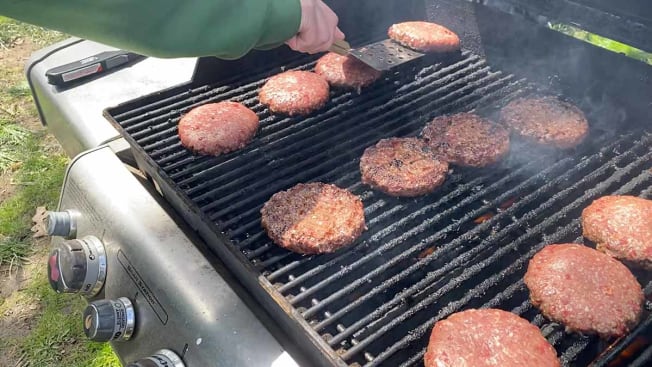
Credit: www.consumerreports.org
Preparing Your Gas Grill
Preparing your gas grill is key to cooking a perfect burger. It ensures even cooking and great flavor. Taking time to clean and set up the grill helps avoid flare-ups and sticking. Knowing how to use heat zones improves control over the cooking process.
Cleaning And Preheating
Start by cleaning the grill grates. Remove leftover food and grease with a grill brush. This prevents sticking and flare-ups during cooking. Preheat the grill for 10-15 minutes with the lid closed. Preheating helps reach the right temperature for searing the burger. A hot grill creates those nice grill marks and seals in juices.
Setting The Right Temperature
Set your gas grill to medium-high heat, around 375°F to 400°F (190°C to 205°C). This temperature cooks burgers evenly without burning the outside. Use the built-in thermometer or a grill thermometer to check. Adjust the burners as needed to maintain steady heat. Avoid opening the lid too often to keep the temperature stable.
Using Direct And Indirect Heat
Create heat zones by turning on one side of the grill only. Place burgers on the direct heat side for searing. Move them to the cooler indirect heat side to finish cooking if needed. This method prevents overcooking and flare-ups. It also helps cook thicker burgers through without burning the surface.
Cooking Times For Different Burgers
Cooking times vary widely depending on the type of burger you’re grilling. Each kind of patty has its own ideal heat and duration to reach juicy, flavorful results. Knowing how long to cook each burger helps you avoid undercooking or drying out your meal.
Ground Beef Patties
For classic ground beef burgers, the thickness of the patty affects cooking time more than anything else. A ¾-inch thick patty usually takes about 4-5 minutes per side over medium-high heat.
Cook until the internal temperature hits 160°F (71°C) for safety and juiciness. If you prefer a medium-rare burger, aim for 130-135°F, but be cautious about food safety. Pressing the patty while cooking squeezes out juices, so resist the urge.
Turkey And Chicken Burgers
Poultry burgers need extra care because undercooked chicken or turkey can cause illness. Grill turkey or chicken patties for about 5-6 minutes per side at medium heat.
Ensure the internal temperature reaches 165°F (74°C). These lean meats dry out quickly, so consider mixing in ingredients like grated onion or a bit of olive oil to keep them moist.
Veggie And Plant-based Options
Veggie and plant-based burgers vary a lot in texture and moisture content. Most grill well in about 3-4 minutes per side on medium heat, but check the packaging for specific instructions.
Since these patties often contain binders like beans or tofu, flipping gently is key to avoid breaking. Adding a splash of water or sauce during grilling can keep them from drying out, especially if you’re grilling multiple batches.

Credit: parade.com
Techniques For Juicy Burgers
Grilling burgers for about 4-5 minutes per side ensures a juicy result. Avoid pressing the patty to keep the juices inside. Let the burger rest a few minutes before serving for better flavor.
Cooking a burger on a gas grill can seem straightforward, but achieving that perfect juicy patty requires a few precise techniques. Ensuring your burger stays flavorful and moist is an art that can be mastered with the right approach. Let's explore some practical and effective methods to make sure your burgers are always a hit.
When To Flip The Burger
Timing your burger flip is crucial. Wait until the patty releases easily from the grill before turning it. This usually happens after 3-4 minutes. Flipping too early can cause the burger to break apart. Only flip once to retain the juices within the patty.
Avoiding Pressing The Patty
Resist the urge to press down on the burger with a spatula. It might seem like a harmless action, but it squeezes out the flavorful juices. Instead, let the heat work its magic naturally. You'll be rewarded with a tastier, juicier burger.
Using A Meat Thermometer
To ensure your burger is perfectly cooked, use a meat thermometer. Aim for an internal temperature of 160°F for beef burgers. Insert the thermometer into the side of the patty for an accurate reading. This simple tool can make a big difference in achieving a juicy burger every time. By following these techniques, you'll not only enhance your grilling skills but also impress your family and friends with consistently delicious burgers. Which of these tips will you try first on your next barbecue adventure?
Enhancing Flavor And Texture
Getting the perfect flavor and texture in your grilled burger is about more than just cooking time. Small adjustments before and after grilling can make your burger truly stand out. Simple steps like seasoning, adding the right toppings, and letting the burger rest can transform your meal from ordinary to memorable.
Seasoning Tips
Season your burger patties generously with salt and pepper right before placing them on the grill. Don’t be afraid to experiment with garlic powder, smoked paprika, or even a pinch of cayenne for a little heat. Avoid mixing seasoning into the meat too early; it can draw out moisture and dry out your burger.
Have you ever wondered why some burgers taste so much juicier? The right seasoning locks in flavor while keeping the patty moist. Try pressing a small indentation in the center of each patty to help it cook evenly and hold its shape.
Adding Cheese And Toppings
Add cheese in the last minute of grilling so it melts perfectly without burning. Cheddar, Swiss, or pepper jack are great choices that add creaminess and depth. Consider toppings like caramelized onions, crispy bacon, or fresh avocado to add contrasting textures and flavors.
Think about the balance you want on your burger—do you prefer something tangy like pickles or sweet like grilled pineapple? Layer your toppings thoughtfully so each bite delivers a mix of tastes and textures. Don’t overload the burger; too many toppings can overpower the patty’s flavor.
Resting The Burger Before Serving
Let your burger rest for about 3-5 minutes after grilling. This helps the juices redistribute inside the patty, making every bite juicy and tender. Skipping this step often leads to dry burgers as the juices spill out immediately when you cut or bite into them.
Use this resting time to prepare your buns or toast them lightly on the grill. It’s a simple trick that adds warmth and crunch, complementing the juicy burger perfectly. Have you tried resting your burger before? You might be surprised at the difference it makes.
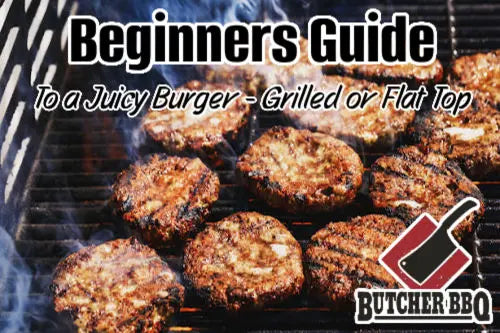
Credit: butcherbbq.com
Common Mistakes To Avoid
A perfect burger depends on careful grilling. Avoiding common mistakes saves time and effort. These errors can ruin the taste and texture of your burger.
Understanding what to avoid helps you cook burgers evenly and safely. Focus on these key mistakes to get the best results on your gas grill.
Overcooking Or Undercooking
Cooking too long dries the burger out. The meat becomes tough and loses flavor. Undercooking risks raw, unsafe meat inside. Use a meat thermometer for accuracy. Aim for 160°F (71°C) for ground beef. Check the burger thickness; thicker patties need more time.
Grill Flare-ups
Flare-ups happen when fat drips onto flames. They burn the burger’s surface quickly. Move the burger away during flare-ups. Keep a spray bottle of water nearby. Trim excess fat to reduce flare-ups. Control grill heat to prevent sudden flames.
Cross-contamination Risks
Using the same utensils for raw and cooked meat spreads bacteria. Always use separate plates and tools. Wash hands after handling raw meat. Clean the grill surface before cooking. These steps protect against foodborne illnesses. Safety is as important as taste.
Frequently Asked Questions
How Long Should I Grill A Burger On Gas Grill?
Grill burgers for about 4-5 minutes per side on medium-high heat. This ensures a juicy, well-cooked burger with a slight char.
What Is The Ideal Temperature For Grilling Burgers?
Preheat your gas grill to 375°F to 400°F for the best results. This temperature cooks the burger evenly without drying it out.
How Do I Know When My Burger Is Cooked?
Use a meat thermometer to check the internal temperature. Cook beef burgers to 160°F for safe consumption and juicy texture.
Should I Keep The Grill Covered While Cooking Burgers?
Yes, keeping the grill covered helps maintain heat and cooks burgers evenly. It also adds a smoky flavor to your burger.
Conclusion
Grilling the perfect burger takes time and attention. Cook each side evenly for the best taste. Use a meat thermometer to check doneness safely. Aim for juicy, not dry, burgers every time. Practice helps you learn the ideal cooking time.
Enjoy your meal with confidence and great flavor. Keep these tips in mind for your next grill day. Simple steps lead to delicious, satisfying burgers.