If you’ve ever wondered how long to cook a brisket on a gas grill, you’re not alone. Getting that perfect, tender, smoky flavor can feel tricky.
But don’t worry—this guide will help you master the timing so your brisket turns out juicy and delicious every time. Whether you’re a beginner or just want to improve your grilling skills, understanding the right cooking time is key. Keep reading, and you’ll learn exactly what you need to know to impress your family and friends with a mouthwatering brisket straight from your gas grill.
Brisket Basics
Brisket is a tough cut of meat that needs slow cooking for tenderness. Understanding the basics helps achieve great flavor and texture. This section covers the essentials of choosing and preparing brisket for your gas grill.
Choosing The Right Cut
Pick a brisket with good marbling. Marbling means fat inside the meat. It keeps the brisket juicy and adds flavor. Look for a whole packer brisket, which includes both the flat and point muscles. The flat is leaner, while the point has more fat. Choose size based on how many people you plan to serve. Usually, 1 to 1.5 pounds per person works well.
Preparing The Brisket
Trim excess fat but leave about a quarter inch for moisture. Remove any silver skin or hard fat that won’t melt. Season the brisket with a simple dry rub. Salt, pepper, garlic powder, and paprika are great basic choices. Let the brisket sit at room temperature for 30-60 minutes before grilling. This helps the meat cook evenly on the grill.
Gas Grill Setup
Setting up a gas grill properly is key to cooking a brisket evenly. The right setup controls temperature and heat flow. This helps the brisket cook slowly and stay juicy. Before starting, clean the grill grates and check the propane tank. A good setup means steady heat without flare-ups. Prepare your tools and ingredients while the grill heats up.
Setting The Temperature
Set the gas grill to a low and steady temperature. Aim for 225°F to 250°F. This range cooks the brisket slowly and breaks down tough fibers. Use the built-in thermometer to monitor heat. Adjust burner knobs to keep temperature steady. Avoid opening the lid too often. Each peek lets heat escape and lengthens cooking time.
Indirect Vs Direct Heat
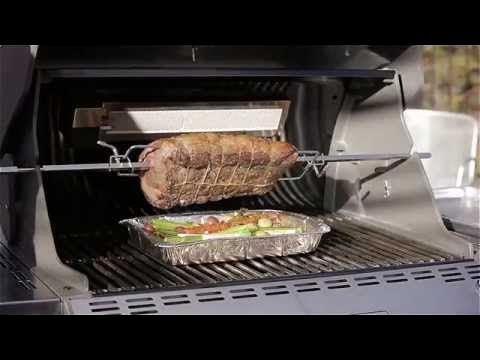
Cook the brisket using indirect heat. Turn on burners on one side of the grill only. Place the brisket on the opposite side. This prevents direct flames from burning the meat. Indirect heat cooks the brisket evenly and gently. Direct heat is good for searing but not for long cooking. Use direct heat at the start or end to add a crust.
Cooking Times By Weight
Cooking brisket on a gas grill requires patience and attention to weight. The size of your brisket greatly affects the cooking time. Smaller briskets cook faster, while larger ones need more time to become tender. Understanding the right cooking time helps you achieve juicy, flavorful brisket every time.
Here is a simple guide to cooking times based on brisket weight. Use this to plan your grilling session and get perfect results.
Small Briskets
Small briskets weigh between 3 to 5 pounds. They usually take about 4 to 6 hours to cook on a gas grill. Keep the temperature steady at around 225°F to 250°F. Check the internal temperature often to avoid overcooking.
Medium Briskets
Medium briskets range from 6 to 10 pounds. These need approximately 7 to 10 hours on the grill. Maintain a low and slow heat to break down the tough fibers. Use a meat thermometer to check when it reaches 195°F to 205°F.
Large Briskets
Large briskets weigh 11 pounds or more. Cooking time can be 10 to 14 hours or longer. Keep the grill temperature consistent between 225°F and 250°F. Wrap the brisket in foil during the last hours to retain moisture and speed up cooking.

Credit: www.youtube.com
Factors Affecting Cook Time
Cooking a brisket on a gas grill isn’t a one-size-fits-all process. Several factors can change how long your brisket needs to cook, and understanding these can help you avoid undercooking or overcooking. Let’s look at the key elements that directly affect your cook time so you can plan better and get the best results.
Brisket Thickness
The thickness of your brisket plays a huge role in cooking time. Thicker cuts naturally take longer to heat through and tenderize.
For example, a 1.5-inch thick brisket might take about 3 to 4 hours at a steady temperature, but a 3-inch thick piece could easily double that time.
Have you noticed how some briskets seem to finish faster even when they look similar in size? That’s often because thickness varies more than weight alone suggests.
Grill Temperature Variations
Gas grills can have hot spots and temperature fluctuations, especially if your grill isn’t calibrated regularly.
Cooking at a consistent temperature around 225°F to 250°F works best for brisket, but if your grill temperature dips or spikes, it will affect cooking time.
Try using a grill thermometer to monitor your heat closely. You might find that adjusting the burners frequently or adding a water pan can keep the temperature steady, saving you time and stress.
Weather Conditions
Believe it or not, the weather outside impacts your grill’s cooking time. Wind can cool your grill down, while cold temperatures may slow down the cooking process.
On a chilly, windy day, your brisket might take 30% longer to cook than on a calm, warm day.
Have you ever had to add extra fuel or time because of unexpected weather changes? Planning for these variables can help you avoid last-minute surprises and keep your brisket on track.
Tips For Perfect Results
Cooking brisket on a gas grill requires patience and attention. Small details make a big difference in taste and texture. These tips help you achieve tender, juicy brisket every time. Follow them carefully to impress your guests and enjoy your meal.
Using A Meat Thermometer
A meat thermometer ensures your brisket cooks perfectly. Insert it into the thickest part of the meat. Aim for an internal temperature between 195°F and 205°F. This range breaks down tough fibers and renders fat well. Avoid guessing; temperature guides the cooking process. Check the temperature often to avoid overcooking or undercooking.
Wrapping Techniques
Wrapping helps retain moisture and speed up cooking. Use butcher paper or aluminum foil to wrap the brisket. Wrap tightly but leave some room for steam to escape. Wrap when the internal temperature reaches about 160°F. This step protects the meat while allowing it to stay tender. Unwrap the brisket near the end to let the bark firm up again.
Resting The Brisket
Resting is vital after cooking. Let the brisket rest for at least 30 minutes. Keep it wrapped and place it in a cooler or warm spot. Resting redistributes juices evenly inside the meat. Cutting too soon causes dry, tough brisket. Patience here results in juicy, flavorful slices.
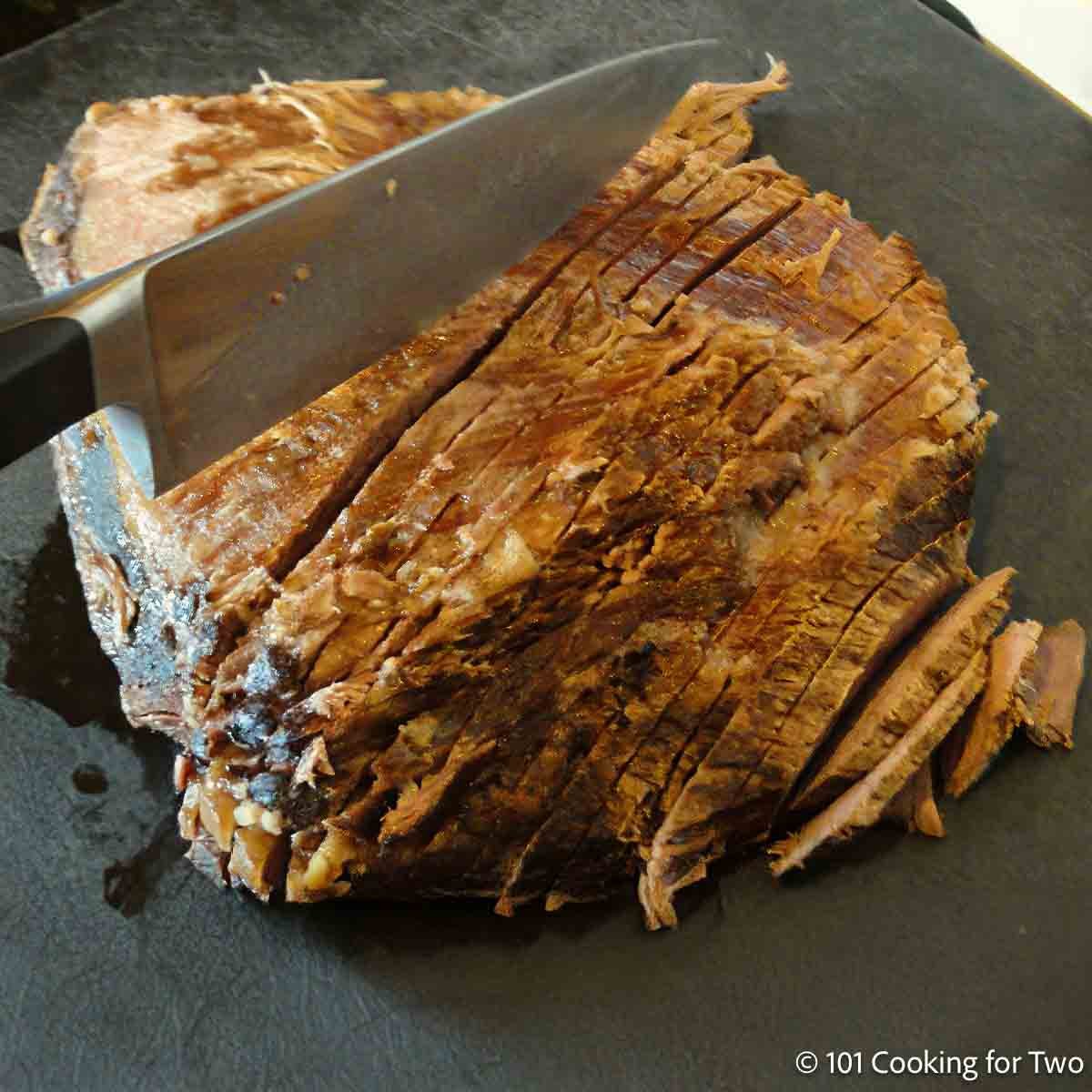
Credit: www.101cookingfortwo.com
Common Mistakes To Avoid
Cooking brisket on a gas grill often leads to mistakes. Common errors include setting the grill too high, leading to dry meat, or not monitoring the internal temperature, risking undercooking. Aim for low and slow cooking, maintaining a consistent temperature for tender results.
Cooking brisket on a gas grill is an art. It requires patience and care. Many beginners make common mistakes that affect the final result. These errors can lead to dry or tough brisket. Avoid these pitfalls for a perfectly cooked brisket.
Opening The Lid Too Often
Frequent lid opening lets heat escape. This makes cooking uneven. Resist the urge to peek. Trust your grill to do its job. Each time you open the lid, the grill loses precious heat. This extends cooking time unnecessarily.
Cooking Too Fast
Brisket needs slow cooking for tenderness. High temperatures dry out the meat. Maintain a steady, low heat. Rushing the process can ruin the texture. Use a thermometer to monitor the grill's temperature. Keep it consistent for best results.
Skipping The Rest Period
Resting is crucial for juicy brisket. It allows juices to redistribute. Skipping this step makes the meat dry. Cover the brisket and let it rest. Even 30 minutes can make a difference. Patience pays off in flavor and texture.
Serving Suggestions
Serving your brisket perfectly enhances the entire meal experience. The way you slice and pair it with sides and sauces makes a big difference. Proper serving brings out the brisket’s rich flavors and tender texture. Enjoying it right makes every bite satisfying and memorable.
Slicing The Brisket
Cut the brisket against the grain to keep it tender. Use a sharp knife for clean, even slices. Aim for slices about ¼ inch thick for the best texture. Thinner slices are easier to chew and soak up sauces well. Slice just before serving to keep the meat juicy.
Pairing With Sides And Sauces
Serve brisket with classic sides to complement its smoky flavor. Popular choices include:
- Coleslaw for a fresh, crunchy contrast
- Baked beans for a sweet, smoky touch
- Cornbread or garlic bread for a warm, soft side
- Grilled vegetables to add color and nutrition
Sauces add extra depth. Try these options:
- Barbecue sauce with a sweet or tangy kick
- Horseradish sauce for a spicy, creamy twist
- Chimichurri to add fresh, herby notes
Mix and match sides and sauces to suit your taste and occasion.

Credit: www.reddit.com
Frequently Asked Questions
How Long Does It Take To Cook Brisket On A Gas Grill?
Cooking brisket on a gas grill usually takes 1 to 1. 5 hours per pound. Maintain a steady low temperature of 225-250°F for best results. Use indirect heat and monitor internal temperature to ensure tenderness.
What Temperature Should A Brisket Reach On A Gas Grill?
Brisket is done when it reaches an internal temperature of 195-205°F. This range ensures the meat is tender and juicy. Use a reliable meat thermometer to check for accuracy.
Can I Cook A Brisket Quickly On A Gas Grill?
Quick cooking isn’t recommended for brisket. Low and slow cooking breaks down tough fibers, making it tender. Rushing the process can result in tough, chewy meat.
Should I Wrap Brisket During Gas Grilling?
Yes, wrapping brisket in foil or butcher paper after 4-5 hours helps retain moisture. This method, known as the “Texas Crutch,” speeds up cooking and prevents drying out.
Conclusion
Cooking brisket on a gas grill takes time and patience. Plan for several hours depending on the brisket size. Keep the temperature steady for tender, juicy meat. Use a meat thermometer to check doneness. Rest the brisket after cooking to keep juices inside.
Enjoy your flavorful, smoky brisket with friends or family. Simple steps lead to great results every time.