You want to cook a brisket on your gas grill, but how long should it take? Getting the timing right is key to juicy, tender meat that melts in your mouth.
Too short, and your brisket will be tough; too long, and it might dry out. You'll discover the perfect cooking times and tips to make your next grilling experience a success. Stick with me, and you’ll soon impress your friends and family with a brisket that’s cooked just right every time.
Choosing The Right Brisket
Choosing the right brisket is essential for a successful cook on your gas grill. The cut, size, and quality of the meat affect the taste and cooking time. Knowing these factors helps you pick the best brisket for your needs.
Types Of Brisket Cuts
Brisket has two main cuts: the flat and the point. The flat cut is leaner and slices nicely. The point cut has more fat and flavor. Some buyers prefer a whole packer brisket, which includes both cuts. Each cut changes how the brisket cooks and tastes.
Size And Weight Considerations
Briskets vary in size from 5 to 20 pounds. Larger briskets take longer to cook. A smaller brisket cooks faster but may not feed many people. Choose a size that fits your grill and guest list. Keep in mind cooking time grows with size.
Selecting Quality Meat
Look for brisket with good marbling, which means fat inside the meat. Marbling keeps the meat juicy and tender during cooking. Avoid briskets with dry or dark spots. Fresh brisket should smell clean and feel firm. Quality meat makes a big difference in flavor and texture.
Preparing The Brisket
Preparing the brisket is key to a tender, flavorful result. It sets the stage for a great cook on your gas grill. Proper prep helps the meat cook evenly and absorb spices well. Start by trimming, then add flavors, and finish with a rest before grilling. Each step improves the final taste and texture.
Trimming Excess Fat
Trim thick fat layers to about 1/4 inch thick. Too much fat can cause flare-ups on the grill. Removing excess fat helps heat reach the meat better. Keep some fat to keep the brisket moist during cooking. Use a sharp knife and cut carefully along the edges.
Applying Rubs And Marinades
Rubs add flavor and create a tasty crust on the brisket. Use a mix of salt, pepper, garlic powder, and paprika for a simple rub. Rub the spice mix evenly on all sides of the meat. Marinades can tenderize and add moisture. Let the brisket soak in marinade for several hours or overnight.
Letting The Brisket Rest Before Cooking
Rest the brisket at room temperature before grilling. This helps the meat cook evenly from edge to center. Take it out of the fridge about 1 hour before cooking. Resting also allows rubs and marinades to settle into the meat. Pat the brisket dry with paper towels before placing it on the grill.
Setting Up Your Gas Grill
Setting up your gas grill correctly is key to cooking a brisket that’s tender and full of flavor. Unlike direct grilling, brisket needs slow and steady heat to break down its tough fibers. Preparing your grill with the right zones and moisture control sets the stage for success.
Creating Indirect Heat Zones
Indirect heat means the flames don’t touch the meat directly. Turn on only one side or one burner of your gas grill, leaving the other side off. Place the brisket on the cooler side, so it cooks slowly and evenly without burning.
This setup mimics smoking and helps avoid flare-ups that can char your meat. Have you ever seen your grill catch fire from dripping fat? Indirect heat prevents that by reducing direct flame contact.
Optimal Temperature Range
Keep your grill’s temperature between 225°F and 275°F (107°C to 135°C). This range allows the brisket to cook long and slow, which breaks down collagen and fat, making the meat tender and juicy.
Use a grill thermometer to monitor the heat—don’t rely only on the grill’s built-in gauge. Maintaining this steady temperature for several hours can feel like a challenge, but it makes a huge difference in the final texture and flavor.
Using A Water Pan For Moisture
Placing a water pan inside your grill adds moisture to the cooking environment. This helps keep the brisket from drying out during its long cook time. Fill a shallow pan with water and position it near the heat source but not directly over it.
The water creates steam, which surrounds the meat and helps maintain juiciness. Have you noticed brisket turning out dry after hours on the grill? Using a water pan can be a simple trick to avoid that common problem.
Cooking Times For Brisket
Cooking brisket on a gas grill requires patience and attention to detail. The cooking time can vary based on several factors. Knowing how long to cook brisket helps achieve tender, juicy results. Use the guidelines below to estimate and adjust cooking times effectively.
Estimating Time Per Pound
Brisket usually cooks low and slow. Plan for about 1 to 1.5 hours per pound at 225°F to 250°F. For example, a 5-pound brisket may take between 5 to 7.5 hours. This range gives flexibility depending on the grill and brisket type. Always allow extra time for resting after cooking.
Adjusting For Thickness And Fat
Thicker briskets take longer to cook than thinner ones. Fat content also affects cooking time. A fattier brisket needs more time to render fat and become tender. Trim excess fat but keep some for flavor. Adjust cooking time by adding 30 minutes to an hour for thick or fatty cuts.
Monitoring Internal Temperature
Use a reliable meat thermometer to check doneness. The ideal internal temperature for brisket is 195°F to 205°F. This range breaks down connective tissue and makes the meat tender. Start checking after the estimated cooking time. Remove the brisket once it reaches target temperature.
Techniques For Even Cooking
Cooking brisket on a gas grill needs careful attention. Even cooking ensures tenderness and flavor. Various techniques help achieve this goal. Maintaining consistent temperature, flipping and rotating, and using foil wraps are key. Each technique has its benefits, improving your grilling experience.
Maintaining Consistent Temperature
Keeping a steady grill temperature is crucial. Use a reliable thermometer to monitor heat. Aim for a range between 225°F and 250°F. Avoid opening the grill lid too often. This prevents heat loss and maintains even cooking.
Flipping And Rotating The Brisket
Flipping and rotating the brisket ensures uniform cooking. Turn the brisket every hour for even heat exposure. Rotate the meat to ensure even cooking on all sides. This prevents any one side from burning or drying out.
Using Foil Wraps (texas Crutch)
Foil wraps, known as the Texas Crutch, help speed up cooking. Wrap the brisket tightly in foil halfway through cooking. This locks in moisture, making the meat juicy and tender. Be sure to unwrap for the last hour to allow a flavorful crust.
Checking Doneness
Checking the doneness of your brisket on a gas grill is essential to get that perfect texture and flavor. Relying solely on cooking time can lead to undercooked or dry meat. Instead, focus on internal temperature and tenderness to know exactly when your brisket is ready to enjoy.
Target Internal Temperature
The ideal internal temperature for a brisket usually ranges between 195°F and 205°F. This range allows the connective tissues to break down, making the meat tender.
Use a reliable meat thermometer to check the temperature in the thickest part of the brisket. Avoid guessing; a quick temperature check can save hours of frustration.
Testing For Tenderness
Temperature isn’t the only sign of doneness. You’ll want to test how easily a fork or probe slides into the brisket.
Try inserting a skewer or toothpick into the meat. If it slides in and out with little resistance, your brisket is tender and ready. If it feels tough, give it more time.
Avoiding Overcooking
Brisket can go from perfectly tender to dry very quickly. Keep an eye on the temperature and tenderness frequently during the last stages of cooking.
If your brisket hits the target temperature but still feels tough, wrap it in foil and let it rest. Resting helps redistribute juices and can improve tenderness without overcooking.
Resting And Serving
Resting and serving a brisket after grilling are key to a great meal. Resting lets the meat relax and juices spread evenly. Serving it right shows off all your hard work on the grill. Here’s how to get it perfect every time.
Importance Of Resting Time
Resting a brisket after cooking is crucial. It keeps the juices inside the meat. Cutting too soon makes the juices spill out. This causes dry, tough brisket.
Let the brisket rest for at least 30 minutes. Wrap it in foil or butcher paper. This keeps it warm and moist. Resting also lets the meat fibers soften. The result is tender, juicy slices.
Slicing Against The Grain
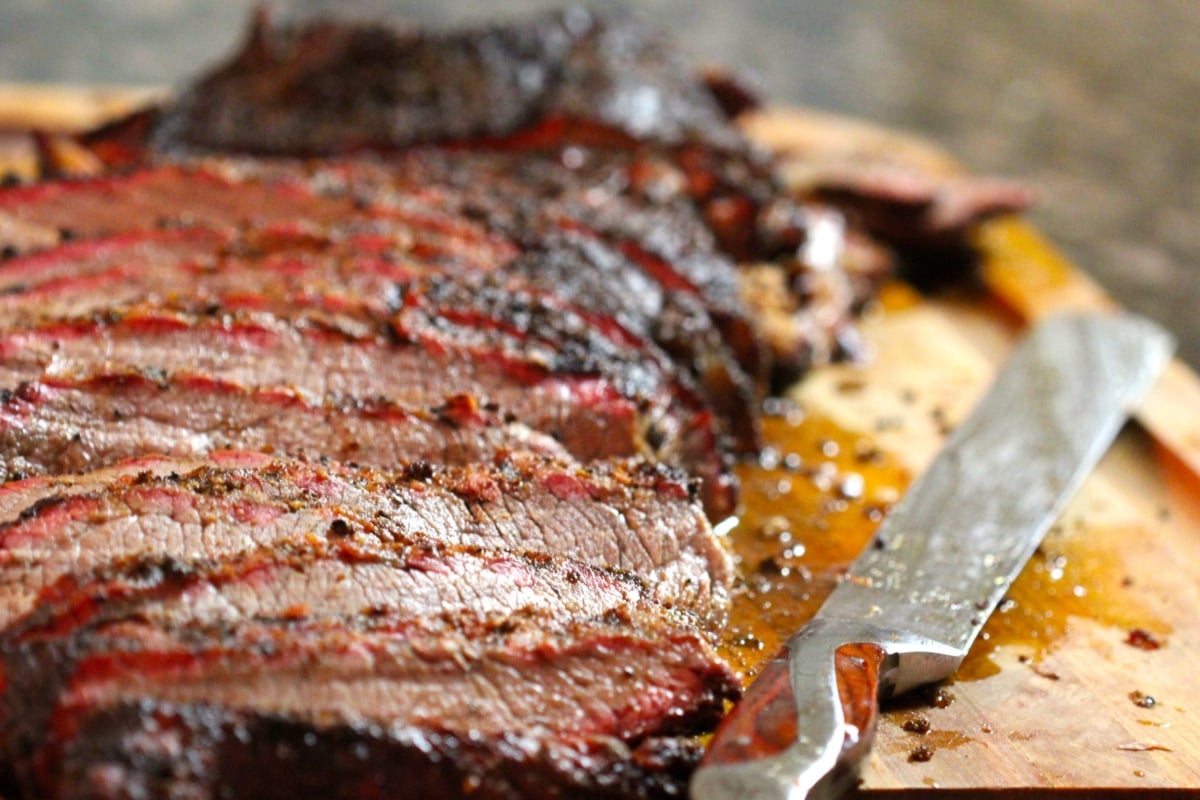
How you slice brisket affects its tenderness. Always cut against the grain. The grain means the direction of muscle fibers.
Slicing against the grain makes the meat easier to chew. Look closely at the brisket to find the grain direction. Use a sharp knife for clean cuts. Thin slices work best for serving.
Serving Suggestions
Brisket tastes great with simple sides. Try classic barbecue sides like coleslaw or baked beans. Fresh bread or soft rolls also pair well.
Offer barbecue sauce on the side. This lets guests add as much as they like. For a fresh touch, add pickles or sliced onions.
- Serve warm for best flavor.
- Use a large platter for easy sharing.
- Garnish with fresh herbs for color.
Common Mistakes To Avoid
Common mistakes include cooking brisket too fast or at too high a temperature. Ignoring proper temperature control can lead to tough, dry meat. Patience and steady heat ensure tender, flavorful results.
Cooking a brisket on a gas grill demands patience and precision. Beginners often make mistakes that can result in tough, dry meat. Understanding these common errors helps in achieving tender and flavorful brisket. Focus on these points to avoid ruining your barbecue experience.
Cooking At Too High Temperatures
Many grillers make this mistake. High temperatures can dry out the brisket. The key is slow cooking at low temperatures. Aim for a steady heat of 225°F to 250°F. This allows the brisket to cook evenly. The meat becomes tender and juicy.
Skipping The Resting Period
Resting the brisket is crucial. Skipping this step leads to moisture loss. Let the brisket rest for at least one hour. Cover it with foil to retain heat. This helps the juices redistribute throughout the meat.
Not Monitoring Temperature
Temperature control is essential. Use a reliable meat thermometer. Check both grill and meat temperatures regularly. This prevents overcooking or undercooking. Keep the grill lid closed as much as possible. This maintains consistent heat levels.
Tips For Smoking On A Gas Grill
Smoking a brisket on a gas grill requires some special steps. Unlike charcoal grills, gas grills don’t produce smoke naturally. Using the right techniques helps you add that smoky flavor. These tips make the smoking process easier and tastier.
Adding Wood Chips
Wood chips add the smoke flavor to your brisket. Soak the chips in water for 30 minutes. This slows burning and creates steady smoke. Use a smoker box or wrap chips in foil. Poke small holes in the foil to let smoke out. Place the chips directly over the burner. Replace chips every 30 to 45 minutes for continuous smoke.
Timing Smoke Exposure
Too much smoke makes meat bitter. Too little smoke means no flavor. Smoke the brisket for the first 2 to 3 hours. After that, close the lid and cook without smoke. This balance gives a nice smoky taste without harshness. Watch the color of the brisket’s bark. It should turn dark and rich but not black.
Balancing Smoke And Heat
Keep the grill temperature low, around 225°F to 250°F. Use indirect heat by turning off burners under the meat. Keep smoke steady but avoid flare-ups. Too much heat dries the brisket. Use a water pan inside the grill. It keeps the meat moist and stabilizes temperature. Check the grill temperature often to keep it steady.


Frequently Asked Questions
How Long Does Brisket Take On A Gas Grill?
Brisket usually takes 1 to 1. 5 hours per pound on a gas grill. Maintain a steady temperature of 225-250°F for best results. Use indirect heat and monitor the internal temperature for perfect tenderness.
What Temperature Should A Gas Grill Be For Brisket?
Set your gas grill to a consistent 225-250°F. This low and slow heat helps break down tough fibers, making the brisket tender and juicy. Avoid high heat to prevent drying out the meat.
How Do I Know When Brisket Is Done?
Brisket is done when internal temperature reaches 195-205°F. Use a meat thermometer to check. The meat should feel tender and pull apart easily. Rest the brisket for 30 minutes before slicing.
Should I Wrap Brisket During Grilling On Gas Grill?
Yes, wrapping brisket in foil or butcher paper after 3-4 hours helps retain moisture. It speeds up cooking and prevents the meat from drying out. This method is called the Texas Crutch and improves tenderness.
Conclusion
Cooking brisket on a gas grill takes patience and care. Plan for about 1 to 1. 5 hours per pound at low heat. Check the meat often to avoid drying it out. Use a meat thermometer to ensure perfect doneness.
Rest the brisket after cooking to keep it juicy. Follow these tips for tender, flavorful results every time. Enjoy your delicious grilled brisket with family and friends. Simple steps make all the difference in taste.