Cooking a 20 lb turkey in a convection oven can feel like a big challenge. You want it perfectly cooked—juicy inside with a crispy, golden skin.
But how long should you actually cook it? Getting the timing right is key to avoid a dry bird or an undercooked mess. You’ll discover the exact cooking time and tips to make your turkey the star of your meal.
Keep reading, and you’ll feel confident about serving a delicious turkey that everyone will love.
Convection Oven Basics
Understanding the basics of a convection oven helps you cook your turkey perfectly. This oven uses a fan to circulate hot air. It cooks food faster and more evenly than a traditional oven. Knowing how it works can improve your roasting results and save time.
How Convection Cooking Works
A convection oven has a fan and exhaust system. The fan moves hot air around the food. This constant air movement keeps the temperature steady. It cooks the turkey from all sides at once. The heat reaches the turkey's surface faster. This makes the cooking process quicker and more uniform.
Benefits For Roasting Turkey
- Even cooking avoids raw spots and overcooked edges.
- Crispy skin forms nicely due to air circulation.
- Cooking time reduces by about 25%, saving effort.
- Better browning and texture enhance flavor and appearance.
- Energy use drops since the oven runs less time.
Preparing The Turkey
Preparing a 20 lb turkey for a convection oven requires careful attention to detail. The success of your roast depends heavily on how well you thaw, clean, and season the bird before cooking. Taking the time to prepare your turkey properly will ensure even cooking and the best flavor.
Thawing And Cleaning
Thawing a large turkey like a 20 lb one can take several days. The safest way is to thaw it in the refrigerator, allowing about 24 hours for every 4-5 pounds. This means you should start thawing at least 4-5 days before cooking.
Once thawed, remove the giblets and neck from the cavity. Rinse the turkey under cold water and pat it dry with paper towels. Drying the skin helps it crisp up nicely in the convection oven.
Seasoning And Stuffing Tips
Seasoning your turkey well can transform the final taste. Rub the skin with a mixture of salt, pepper, and your favorite herbs. Don’t forget to season inside the cavity too—it’s where a lot of the flavor develops.
If you decide to stuff your turkey, keep the stuffing loose. Overpacking can prevent proper heat circulation, leading to uneven cooking. Alternatively, consider cooking stuffing separately to ensure it reaches a safe temperature without drying out the bird.
Cooking Time Guidelines
Understanding the cooking time for a 20 lb turkey in a convection oven is key to a juicy, well-cooked bird. Cooking time varies based on temperature and oven type. Using the right timing ensures the meat is tender and safe to eat. Below are clear guidelines to help you achieve perfect results.
General Timing For 20 Lb Turkey
A 20 lb turkey usually takes about 3 to 3.5 hours in a convection oven. The oven should be set at 325°F (163°C). Convection ovens cook faster than traditional ones due to circulating hot air.
Check the turkey after 3 hours by using a meat thermometer. The internal temperature must reach 165°F (74°C) in the thickest part of the bird. Rest the turkey for at least 20 minutes before carving.
Adjusting For Oven Variations
Every convection oven heats a little differently. Some ovens run hotter or cooler than the set temperature. Use an oven thermometer to check the actual heat inside.
Lower the temperature by 10-15°F if your oven runs hot. Increase cooking time slightly if it runs cooler. Keep an eye on the turkey’s internal temperature to avoid overcooking or undercooking.
Always rotate the turkey halfway through cooking for even heat distribution. This helps prevent dry spots and ensures the bird cooks evenly.

Credit: food52.com
Temperature Settings
Setting the right temperature is key to roasting a 20 lb turkey in a convection oven. The temperature controls how evenly the bird cooks and how juicy it stays. A convection oven uses a fan to circulate hot air, which cooks the turkey faster and more evenly than a regular oven.
Knowing the ideal oven temperature helps you avoid undercooking or drying out the turkey. Using a meat thermometer ensures the turkey reaches the safe internal temperature without guessing.
Ideal Oven Temperature
Set the convection oven to 325°F (163°C) for roasting a 20 lb turkey. This temperature balances cooking speed and moisture retention. The fan in the convection oven helps cook the turkey about 25% faster than a conventional oven at the same temperature.
Lowering the temperature too much can extend cooking time, causing dryness. Higher temperatures might brown the skin too quickly while leaving the inside undercooked. Maintain 325°F for a golden, juicy turkey.
Using A Meat Thermometer
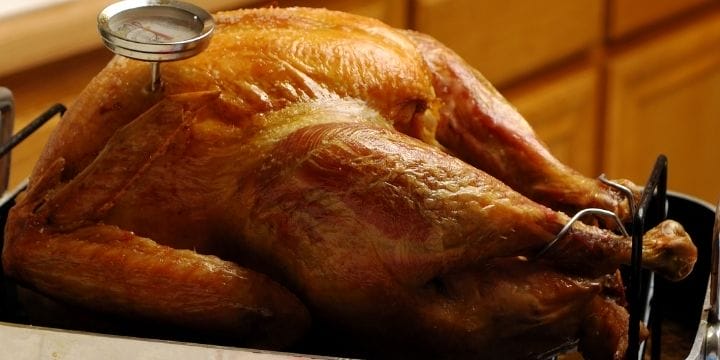
Insert a meat thermometer into the thickest part of the turkey’s thigh. Avoid touching the bone for an accurate reading. The turkey is safe to eat when it reaches 165°F (74°C) internally.
Check the temperature about 30 minutes before the estimated cooking time ends. This prevents overcooking. Remove the turkey from the oven once it hits 165°F and let it rest. Resting allows juices to redistribute, making the meat tender and moist.
Cooking Techniques
A 20 lb turkey takes about 3 to 3. 5 hours to cook in a convection oven at 325°F. Use a meat thermometer to check for an internal temperature of 165°F. This ensures the turkey is fully cooked and juicy.
Cooking a 20 lb turkey in a convection oven can be a rewarding experience if you follow the right techniques. While convection ovens cook food more evenly and quickly due to the circulating hot air, understanding the nuances of different cooking techniques ensures your turkey is perfectly moist and flavorful. Let's dive into some essential strategies to make your turkey the star of the meal.
Trussing And Positioning
Trussing your turkey involves tying the legs and wings close to the body. This helps the bird cook evenly and keeps the tips from burning. It's a simple step that can make a big difference. Positioning is equally important. Place the turkey on a rack in a shallow roasting pan to allow the hot air to circulate all around. This setup ensures your turkey cooks evenly from all sides, achieving that coveted golden-brown skin.
Basting And Covering
Basting is a technique where you periodically spoon or brush pan drippings over the turkey. While some argue it can make the skin soggy, doing it sparingly keeps the meat moist. Consider basting every 30 minutes or so. Covering your turkey with foil for the first half of the cooking process helps prevent the skin from getting too dark. Removing the foil during the last hour of cooking allows the skin to crisp up nicely. Timing this right can be the difference between a good turkey and a great one. Thinking about these techniques, do you see how small adjustments can lead to a perfect roast? Try these methods and see how they transform your holiday meal.
Credit: littlesproutslearning.co
Checking Doneness
Knowing when your 20 lb turkey is perfectly cooked in a convection oven can save you from dry meat or, worse, undercooked poultry. Checking doneness is crucial and involves more than just watching the clock. You need reliable indicators that tell you the turkey is safe to eat and deliciously juicy.
Safe Internal Temperatures
The most trustworthy way to check doneness is by measuring the internal temperature. Insert a meat thermometer into the thickest part of the breast and the innermost part of the thigh without touching the bone.
- The turkey is safe to eat when it reaches 165°F (74°C).
- Check both the breast and thigh, as the thigh tends to cook slower.
- Rest the turkey for at least 20 minutes after removing it from the oven; the temperature will rise slightly during this time.
Have you ever taken a turkey out too early, only to find it undercooked? Relying on these temperature checks can prevent that disappointment.
Signs Of Perfectly Cooked Turkey
Besides temperature, there are other visual and tactile clues. The skin should be golden brown and crispy, a hallmark of convection cooking.
- Juices running clear when you pierce the thigh indicate doneness.
- The legs should move easily and feel loose in the joints.
- The meat should not be rubbery or excessively dry; it should feel tender and moist.
Next time you carve your turkey, notice how easily the meat pulls away from the bone. This simple observation can tell you a lot about your cooking success. What signs do you usually look for to know your turkey is done?
Resting And Carving
After roasting your 20 lb turkey in a convection oven, the process isn’t over yet. Resting and carving are crucial steps that greatly impact the flavor and texture of your bird. Taking the time to rest your turkey allows the juices to redistribute, making each bite juicy and tender.
Rest Time Importance
Letting your turkey rest for at least 20 to 30 minutes after cooking is essential. During this time, the meat firms up slightly and the juices settle back into the fibers. If you carve too soon, all those flavorful juices will spill out, leaving your turkey dry.
Think about the last turkey you ate that was dry—did it get enough rest? Resting also makes carving easier because the meat holds together better. Cover your turkey loosely with foil to keep it warm while it rests without trapping steam.
Best Carving Methods
When it’s time to carve, use a sharp, long knife to make clean, smooth cuts. Start by removing the legs and thighs, then move on to the breast. Cutting against the grain of the meat makes each slice tender.
- Hold the turkey steady with a carving fork or your hand wrapped in a towel.
- Slice the breast meat into even pieces about 1/4-inch thick for perfect portions.
- Don’t forget to carve the wings last—they often get overlooked but are delicious.
Have you ever tried carving the turkey before resting? Try resting and carving with these tips next time and notice the difference in moisture and ease. Your guests will thank you for juicy, perfectly sliced turkey every time.
Common Mistakes To Avoid
Cooking a 20 lb turkey in a convection oven can be a game-changer for your holiday meal. But even with the best equipment, mistakes can happen. Avoiding common errors will help you serve a juicy, evenly cooked bird that impresses everyone at the table.
Overcooking Risks
One of the biggest mistakes is leaving the turkey in the oven too long. Convection ovens cook faster because the fan circulates hot air, so the usual roasting times don’t apply. Overcooking dries out the meat, especially the breast, which can turn tough and chewy.
Have you ever cut into a turkey only to find the breast meat stringy and dry? That’s often from overcooking. To prevent this, start checking the internal temperature early using a reliable meat thermometer. The turkey is done when the thickest part of the breast reaches 165°F (74°C).
Resting the turkey after cooking also helps redistribute juices. Skipping this step might make your efforts feel wasted because the meat loses moisture quickly when sliced right away.
Uneven Cooking Solutions
Uneven cooking is another common problem, especially with large turkeys. The legs and thighs often cook faster than the breast, leading to different textures on one plate. This happens because dark meat has more fat and connective tissue, which needs more heat to break down.
To avoid this, try tenting the legs with foil while the breast finishes cooking. This shields the darker meat from overcooking while the breast catches up. Another tip is to position the turkey breast-side down for the first part of roasting, then flip it halfway through. This helps even out heat distribution.
Have you ever noticed parts of your turkey being underdone while others are perfectly cooked? Adjusting placement on the oven rack and rotating the bird during cooking can also reduce hot spots. Remember, every oven is different, so watch your bird closely.
Additional Tips For Success
Check the turkey’s internal temperature often to avoid overcooking. Let it rest before carving for juicier meat. Use a meat thermometer for best results.
Cooking a 20 lb turkey in a convection oven can be a rewarding experience. To achieve the best results, consider some additional tips. These suggestions will help ensure your turkey is flavorful and perfectly cooked.
Using A Roasting Pan
Choose the right roasting pan for even cooking. A sturdy pan with handles makes it easier to handle. Ensure the pan is large enough for air circulation. This helps the turkey cook evenly. Place a rack inside the pan to elevate the turkey. This allows heat to circulate around the bird. It also helps the skin become crispy.
Enhancing Flavor With Herbs
Herbs add a wonderful aroma and taste to your turkey. Consider using fresh rosemary, thyme, or sage. Tuck them under the skin or in the cavity. Mix herbs with softened butter for added richness. Spread this mixture under the skin for deeper flavor. You can also sprinkle dried herbs on the skin. This creates a flavorful crust as it cooks. These tips will elevate your turkey-cooking experience. Enjoy a delicious, well-cooked turkey with minimal effort.

Credit: wholesalefoilpans.com
Frequently Asked Questions
How Long To Cook 20 Lb Turkey In Convection Oven?
A 20 lb turkey takes about 3 to 3. 5 hours in a 325°F convection oven. Cooking time varies slightly depending on oven efficiency and turkey shape.
What Temperature Is Best For Roasting Turkey Convection?
Set your convection oven to 325°F for roasting a turkey. This temperature ensures even cooking and a crispy skin without drying out the meat.
Should Turkey Be Covered When Cooking In Convection Oven?
No, do not cover the turkey in a convection oven. The fan circulates hot air, promoting even browning and crisp skin without covering.
How Do I Check If My Turkey Is Done?
Use a meat thermometer to check doneness. Insert it into the thickest part of the thigh; it should read 165°F for safety.
Conclusion
Cooking a 20 lb turkey in a convection oven takes about 3 to 3. 5 hours. Check the turkey’s internal temperature to ensure it’s fully cooked. Rest the turkey for at least 20 minutes before carving. This helps the juices spread evenly.
Using a convection oven cooks the bird faster and more evenly. Follow these tips for a juicy, tender turkey every time. Enjoy your meal and happy cooking!