Baking sourdough bread without a Dutch oven might seem tricky, but it doesn’t have to be. You’re probably wondering how long you should bake your bread to get that perfect crust and soft inside.
Getting the timing right is key to turning out a loaf you’ll be proud of. You’ll discover simple, effective baking times and tips that will help you achieve great results—no special equipment needed. Ready to master your sourdough baking? Keep reading, and let’s get started!
Credit: farmhouseharvest.net
Choosing The Right Bakeware
Choosing the right bakeware affects how sourdough bread bakes without a Dutch oven. The bakeware must hold heat well to create steam and even baking. This helps the bread rise and develop a crispy crust. Different materials and types of bakeware offer varied heat retention and airflow. Knowing these options improves baking results.
Comparing Dutch Oven Alternatives
Many home bakers use alternatives to Dutch ovens for sourdough bread. Covered casserole dishes or heavy pots can trap heat and moisture. Cast iron skillets with a lid work well too. Glass or ceramic baking dishes create a moist environment but may not retain heat as long. Each alternative has pros and cons in heat retention and steam creation.
Materials That Retain Heat Well
Good heat retention is key for baking sourdough bread. Cast iron holds heat evenly and releases it slowly. Ceramic and stoneware also retain heat but may heat unevenly. Stainless steel heats quickly but cools fast. Choose heavy, dense materials for better baking results. This helps the crust form a perfect golden color.
Using Baking Stones And Steel
Baking stones and steel improve heat transfer from the oven to the bread. They create a hot, stable surface that mimics a bakery oven floor. Preheat them for at least 30 minutes for best results. Place the dough directly on the stone or steel to get a crispy bottom crust. These tools help produce a professional-quality sourdough crust without a Dutch oven.
Preparing The Dough For Baking
Preparing your sourdough dough properly before baking is key to achieving a crusty, evenly baked loaf—even without a Dutch oven. How you shape and score the dough affects how heat circulates and steam escapes during baking. Paying close attention to these details can elevate your homemade bread from good to bakery-level great.
Shaping Techniques For Even Baking
Shaping your dough tightly helps create surface tension, which supports the loaf as it rises and bakes. A well-shaped dough holds its form better in the oven, preventing uneven spots or collapsing.
Try these tips for shaping:
- Use a bench scraper or your hands to fold the dough over itself, creating a smooth, taut surface.
- Rotate the dough as you shape it to maintain even tension around the entire loaf.
- Avoid over-handling; gentle but firm movements work best.
Have you noticed how a loose shape tends to spread out and bake unevenly? That’s why shaping is more than just aesthetics—it directly influences your bread’s texture and rise.
Scoring For Steam Release
Scoring your dough allows controlled steam to escape during baking, preventing cracks and encouraging a beautiful crust. Without a Dutch oven, proper scoring becomes even more critical to manage moisture and heat.
Keep these scoring pointers in mind:
- Use a sharp blade or lame to make clean cuts, about ¼-inch deep.
- Score at a slight angle to create flaps that open nicely as the bread expands.
- Plan your cuts based on the loaf shape—long slashes for batards, crosses or circular patterns for boules.
Think of scoring as giving your dough room to breathe. Without these vents, steam builds up unpredictably, causing random splits and a less attractive crust.
Oven Setup Without A Dutch Oven
Baking sourdough bread without a Dutch oven requires some adjustments to your oven setup. The goal is to mimic the moist, enclosed environment a Dutch oven provides. This helps the bread develop a crispy crust and rise well. Understanding how to create steam and preheat your oven properly is key. These steps improve the texture and flavor of your sourdough loaf.
Creating Steam In A Conventional Oven
Steam keeps the crust soft during the first part of baking. It allows the dough to expand fully before hardening. Place a metal baking tray or pan on the oven floor before preheating. When ready to bake, pour hot water into the tray to produce steam.
- Use about one cup of hot water for steam.
- Pour water quickly to avoid losing heat.
- Close the oven door immediately after adding water.
Another option is to cover the dough with a large metal bowl or use a roasting pan to trap moisture. Remove the cover halfway through baking to let the crust crisp up.
Preheating Strategies
Preheating your oven well ensures even heat distribution. It helps the bread bake properly from the start. Set the oven temperature between 450°F and 475°F (230°C to 245°C). Let it heat for at least 30 minutes before placing the dough inside.
- Use a baking stone or heavy baking sheet for better heat retention.
- Place the stone or sheet on the middle rack while preheating.
- Preheat the steam tray or pan as well.
Once the oven is fully hot, transfer the dough carefully onto the preheated surface. This setup promotes a good oven spring and a crunchy crust without a Dutch oven.

Credit: countryroadssourdough.com
Baking Times And Temperatures
Baking sourdough bread without a Dutch oven takes about 35 to 45 minutes at 450°F (230°C). Use a baking stone or heavy tray for best heat retention and crust development. Keep an eye on the bread to avoid overbaking or burning.
Baking sourdough bread without a Dutch oven can still yield a deliciously crispy crust and a soft crumb. However, it's crucial to adjust baking times and temperatures to achieve the desired results. While a Dutch oven creates a perfect steam environment, you can mimic this using a baking stone or a simple baking sheet paired with a pan of water for steam. Let's explore how you can fine-tune baking times and temperatures for that perfect loaf.
Adjusting Time Based On Bread Size
Bread size significantly impacts baking time. A small loaf, around 500 grams, typically requires about 25-30 minutes in the oven. Larger loaves, weighing 1 kilogram or more, might need up to 50 minutes. If you're unsure about your loaf's readiness, rely on an instant-read thermometer. Aim for an internal temperature of 190-200°F (88-93°C).
Temperature Ranges For Crust And Crumb
Balancing crust and crumb is an art in sourdough baking. Baking at 450°F (232°C) initially helps develop a golden crust. After 15-20 minutes, reducing the temperature to 400°F (204°C) ensures an even bake. Do you prefer a softer crust? Lower the starting temperature to 425°F (218°C). Experiment with these temperature ranges to find what suits your taste and oven. Remember, each oven is unique. Monitor your bread closely, especially during the last 10 minutes. Adjusting based on visual cues and aroma can make all the difference in achieving that perfect sourdough loaf.
Signs Of Perfectly Baked Sourdough
Baking sourdough bread without a Dutch oven can feel like a challenge, especially when you’re unsure if it’s perfectly baked. Knowing the signs of a well-baked loaf helps you gain confidence in your baking skills and avoid undercooked or burnt bread. Here’s how to tell if your sourdough is just right by checking its crust and internal temperature.
Crust Color And Texture
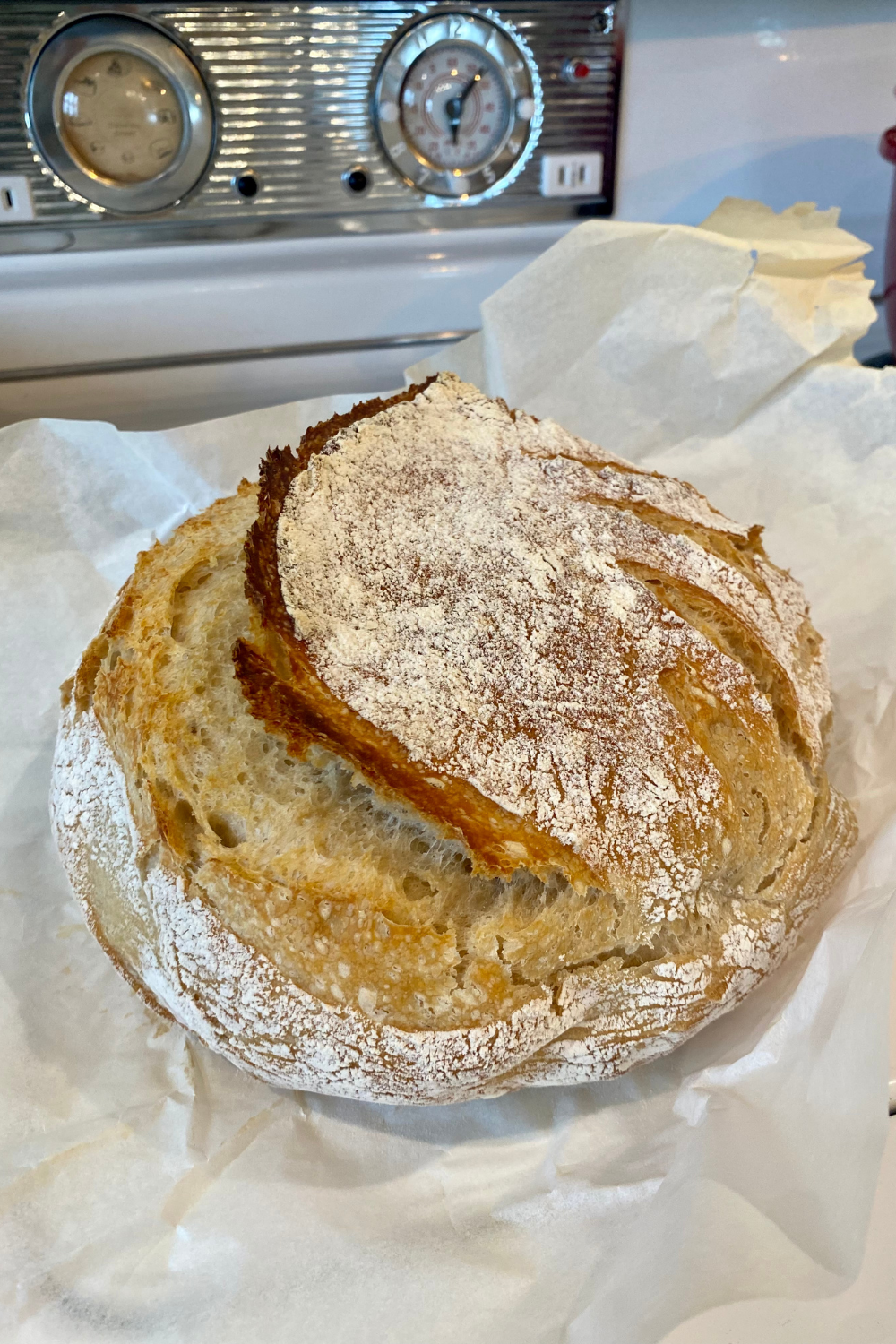
The crust should have a deep golden-brown color, sometimes with darker spots where the sugars caramelize. A pale crust usually means the bread needs more time in the oven. Look for a crust that feels crisp and firm to the touch, not soft or doughy.
When I first baked sourdough without a Dutch oven, I thought a light crust was fine. But the bread ended up gummy inside. Adjusting the baking time until I saw that rich, golden crust made all the difference.
Internal Temperature Checks
Using a kitchen thermometer is one of the surest ways to check if your sourdough is done. The inside should reach about 200-210°F (93-99°C). This temperature range ensures the crumb is fully baked and not undercooked.
If you don’t have a thermometer, tap the bottom of the loaf—it should sound hollow. But the temperature check removes any guesswork and helps you avoid cutting into a doughy center.

Credit: www.youtube.com
Troubleshooting Common Issues
Baking sourdough bread without a Dutch oven can present some challenges, but understanding common issues can help you perfect your loaf. Troubleshooting these problems allows you to adjust your technique and ingredients for better results. Let’s break down how to tackle the most frequent baking hurdles.
Avoiding Dense Or Gummy Bread
If your sourdough turns out dense or gummy, it’s often due to underproofing or insufficient baking time. Make sure your dough has risen enough before baking—try the poke test: gently press the dough, and if it springs back slowly, it's ready.
Also, watch your hydration levels. Too much water can make the crumb gummy, so reduce water slightly if you notice excessive moisture. Baking at a steady, high temperature helps the crust form quickly, trapping steam inside and preventing a dense texture.
Have you checked your flour quality? Low-protein flour can weaken gluten development, leading to a heavy loaf. Choose bread flour or a strong all-purpose variety for better structure.
Fixing Underbaked Or Overbaked Loaves
Underbaked sourdough often feels doughy inside and may collapse after cooling. If you cut into your bread and see a wet, shiny crumb, your oven temperature might be too low or your baking time too short. Try increasing your oven temperature by 10-20°F and extend the bake by 5-10 minutes.
Overbaked bread, on the other hand, becomes dry and crumbly. If your crust feels too hard or your bread tastes bitter, reduce baking time or lower the temperature slightly. Using an instant-read thermometer can help—aim for an internal temperature around 205-210°F for perfectly baked sourdough.
Have you tried tenting the loaf with foil mid-bake? This simple trick can prevent the crust from burning while allowing the inside to cook fully. Experiment with your oven’s quirks to find the sweet spot for your perfect loaf.
Expert Tips To Enhance Results
Baking sourdough bread without a Dutch oven can feel tricky, but with the right tips, you can still achieve a beautiful crust and soft crumb. These expert suggestions focus on controlling steam and heat, which are essential for that perfect loaf. Let’s dive into simple hacks that make your bread baking more reliable and satisfying.
Using Foil Or Lids As Dutch Oven Substitutes
If you don’t have a Dutch oven, don’t worry. You can use heavy-duty aluminum foil or a large oven-safe lid to trap steam around your dough. This steam is key to getting a crisp, shiny crust.
Wrap your dough loosely with foil or cover your baking tray with a large metal or glass lid during the first 20 minutes of baking. This creates a mini steam chamber similar to a Dutch oven.
- Make sure the foil or lid doesn’t touch the dough to avoid sticking.
- Remove the cover halfway through baking to let the crust brown and crisp up.
- Use a rimmed baking sheet or roasting pan to hold the dough and catch any drips.
I once switched to foil for a last-minute bake and was surprised by how well it held moisture. It’s a simple fix that keeps your bread from drying out and helps develop a nice crust without specialized equipment.
Resting And Cooling For Best Texture
After baking, many rush to slice their bread, but resting is where texture really develops. Let your sourdough cool on a wire rack for at least an hour before cutting.
This rest allows steam trapped inside the loaf to redistribute, finishing the crumb’s structure. Cutting too early can result in a gummy or doughy interior, no matter how perfect the bake looked.
- Place the bread on a rack to avoid sogginess from steam condensation.
- Resist the urge to eat it hot—patience improves flavor and texture.
- Try slicing after 1 hour, then again after a few hours to notice the difference.
Have you noticed how a rested loaf tastes better and slices cleaner? This step is as important as the baking itself and often overlooked by beginners.
Frequently Asked Questions
How Long To Bake Sourdough Without Dutch Oven?
Bake sourdough bread at 450°F (232°C) for 35-40 minutes. Use a baking stone or sheet for even heat. Steam the oven in the first 15 minutes to mimic Dutch oven moisture.
Can I Bake Sourdough Bread On A Baking Sheet?
Yes, baking on a preheated baking sheet works well. It provides direct heat and a crisp crust. Add steam by placing water in a pan during initial baking.
What Temperature Is Best For Sourdough Baking Without Dutch Oven?
Set your oven to 450°F (232°C). This high heat helps develop a good crust and rise. Reduce temperature slightly if the crust browns too fast.
How To Create Steam Without A Dutch Oven?
Place a pan of hot water on the oven bottom. Spray water on oven walls before baking starts. This moisture helps develop a crispy, glossy crust.
Conclusion
Baking sourdough bread without a Dutch oven takes patience and care. A good bake usually lasts about 35 to 45 minutes at 450°F (230°C). Use a baking stone or heavy pan to get a nice crust. Adding steam in the oven helps the bread rise and stay moist.
Keep an eye on the bread’s color and sound a hollow tap when done. With practice, your bread will turn out delicious every time. Enjoy baking and sharing your fresh sourdough without special tools!