
Are you wondering how long to bake your green bean casserole at 375°F to get that perfect golden, bubbly finish? You’re not alone.
Getting the timing just right can make all the difference between a dish that's crisp and delicious or one that's soggy and undercooked. You’ll discover the ideal baking time and some simple tips to make your green bean casserole the star of your meal.
Keep reading, and you’ll never have to guess again!
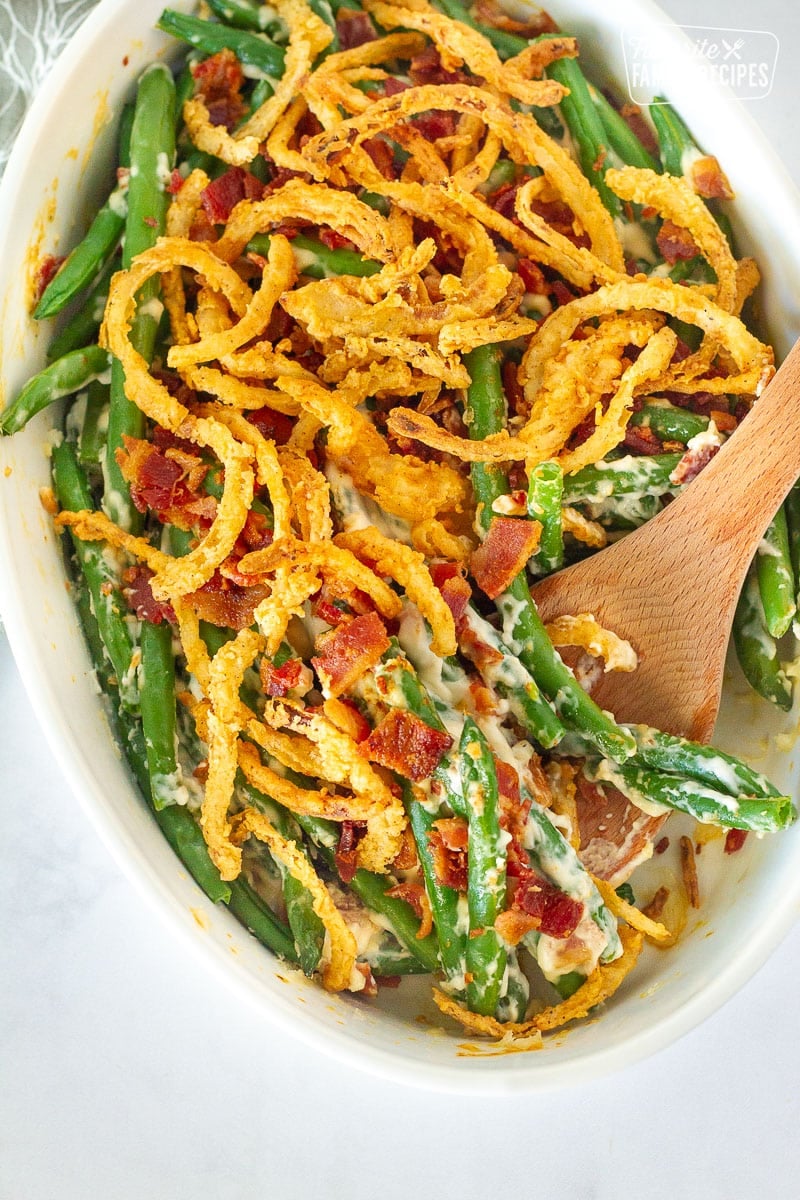
Credit: www.favfamilyrecipes.com
Green Bean Casserole Basics
Green bean casserole is a classic side dish loved by many. It combines tender green beans with a creamy sauce and a crunchy topping. This dish is simple to prepare and perfect for family meals or holiday dinners. Understanding the basics helps you bake it perfectly at 375°F. Let’s explore the key ingredients and common variations that make this dish special.
Key Ingredients
- Fresh or canned green beans – the main vegetable
- Cream of mushroom soup – creates the creamy base
- Milk – thins the soup for better texture
- French fried onions – add a crispy topping
- Salt and pepper – for basic seasoning
These ingredients blend to form a comforting, flavorful casserole. The cream soup keeps the beans moist during baking. Crispy onions add a satisfying crunch on top. Simple seasonings enhance the overall taste without overpowering it.
Common Variations
- Using fresh mushrooms instead of canned soup for a fresher taste
- Adding cheddar cheese for extra richness
- Mixing in bacon bits for smoky flavor
- Substituting green beans with asparagus or broccoli
- Using homemade crispy onions for a personal touch
Variations allow customization to fit personal preferences or dietary needs. Swapping ingredients can change the flavor and texture. Experiment with these options to find your favorite version of this timeless dish.
Oven Temperature And Its Impact
Oven temperature plays a key role in baking green bean casserole. It affects the texture, flavor, and cooking time. Baking at the right temperature ensures the casserole cooks evenly and tastes delicious. The oven heat melts the sauce, softens the green beans, and crisps the topping just right. Too low or too high temperatures can change the dish's outcome.
Why 375 Degrees Fahrenheit
375 degrees Fahrenheit is a common baking temperature for casseroles. It is hot enough to cook the ingredients well without burning. At this temperature, green beans soften perfectly, and the creamy sauce thickens nicely. The topping becomes golden and crispy, adding a pleasant crunch. Cooking at 375 degrees usually takes about 25 to 30 minutes, which is ideal for this dish.
This temperature balances cooking speed and quality. It allows the casserole to heat through evenly. The middle cooks without drying out the edges. The oven heat encourages flavors to blend well. This temperature also helps avoid overcooking the green beans, keeping some texture.
Comparing Other Temperatures
Baking at lower temperatures, like 325 degrees, takes longer. The casserole might be less crispy on top. The sauce may not thicken as well, resulting in a runnier dish. Lower heat can keep beans firmer but may reduce flavor blending.
Higher temperatures, such as 400 degrees, cook faster. This risks burning the topping before the inside is done. The green beans can become too soft or mushy. The sauce might dry out or separate. High heat demands careful watching and shorter baking times.
Choosing the right temperature depends on your oven and desired texture. Most cooks find 375 degrees to be the best balance for green bean casserole. It ensures thorough cooking, a creamy center, and a crunchy topping.
Ideal Baking Time At 375
Baking green bean casserole at 375°F hits the sweet spot between cooking the beans thoroughly and achieving that golden, crispy topping. Knowing the ideal baking time ensures your dish comes out perfectly every time—neither soggy nor undercooked. Let’s break down how long you should bake your casserole at this temperature for the best results.
Standard Baking Duration
The typical baking time for green bean casserole at 375°F is about 25 to 30 minutes. This window allows the casserole to heat evenly, melt the cheese or sauce, and crisp up the fried onions on top. If you’ve ever pulled your casserole out too early, you know the beans can be tough or the topping soggy.
Keep an eye on the bubbling edges and golden-brown topping as your cues. If your oven runs hot, start checking at 20 minutes to avoid burning. Have you noticed how some ovens can vary even with the same temperature setting?
Adjusting Time For Different Dish Sizes
Dish size affects how heat penetrates the casserole. A shallow, wide dish heats faster, so reduce baking time by 5 to 7 minutes. Conversely, a deep, narrow dish may need an extra 5 to 10 minutes to cook through.
Consider the volume of your casserole too. A double recipe will need more time, while a small portion may cook quicker. Using an oven-safe thermometer to check internal temperature can help—aim for around 165°F to ensure it’s hot all the way through.
Have you ever adjusted cooking times on the fly? What tricks worked for you to avoid overcooking or undercooking?

Credit: kitchendivas.com
Tips For Perfect Casserole Texture
Baking green bean casserole at 375°F for 25-30 minutes ensures a creamy texture with crispy topping. Cover the dish to keep moisture, uncover near the end for crunch. Check for bubbling edges as a sign of perfect doneness.
Cooking the perfect green bean casserole involves more than just following a recipe. Getting the texture just right can make the difference between a dish that's good and one that's truly memorable. When you're baking your green bean casserole at 375 degrees, attention to detail is key. Here are some practical tips to ensure your casserole has that irresistible texture that everyone loves.
Achieving Crispy Topping
A crispy topping is the crowning glory of any green bean casserole. To achieve this, consider using fried onions, breadcrumbs, or crushed crackers. Spread them evenly over the top before baking. For an extra crunch, drizzle a little melted butter over the toppings. This not only adds flavor but also helps them brown beautifully. If you're feeling adventurous, mix in some grated cheese with your toppings. The cheese will melt and create a delicious, golden crust.
Ensuring Even Heating
Even heating is crucial to avoid cold spots in your casserole. Use a glass or ceramic baking dish for better heat distribution. Preheat your oven to 375 degrees before putting the casserole in. This ensures that the entire dish starts cooking evenly from the moment it's placed inside. Consider rotating the dish halfway through baking. This simple step can prevent one side from getting overcooked while the other remains underdone. Baking is as much about intuition as it is about precision. Have you ever found your casserole to be dry or too watery? Adjust the baking time slightly next time to see if it makes a difference. These small but impactful tips can elevate your green bean casserole from ordinary to extraordinary. So, are you ready to wow your guests with the perfect texture?
Troubleshooting Common Issues
Troubleshooting common issues with green bean casserole helps ensure a perfect dish every time. Baking at 375°F requires careful attention to avoid common problems. Knowing the signs of overcooked or undercooked casserole saves time and ingredients. Small fixes can improve texture and flavor quickly.
Overcooked Vs Undercooked Signs
Overcooked casserole looks dry and shriveled. The green beans lose their bright color and turn dull. The sauce may separate and become thick or burnt. The crispy topping can become dark brown or bitter.
Undercooked casserole has crunchy green beans. The sauce looks watery and may not thicken. The casserole can appear pale with no golden color on top. The beans might taste raw or tough.
Fixing Soggy Casserole
Soggy casserole happens when too much liquid collects at the bottom. Drain any extra moisture carefully after baking. Return casserole to oven for 5 to 10 minutes to crisp the topping. Use a broiler for 1 to 2 minutes to add crunch, watching closely to avoid burning.
Next time, reduce liquid in the sauce slightly. Use fresh or well-drained beans. Layer ingredients evenly to allow steam to escape. These steps help keep the casserole firm and tasty.
Serving And Storage Advice
Serving and storing green bean casserole properly keeps its taste and texture fresh. This section helps you enjoy your dish fully and save leftovers safely.
Best Serving Practices
Serve green bean casserole hot for the best flavor. Let it cool for a few minutes after baking at 375°F. This helps the casserole set and makes it easier to cut. Use a wide, shallow dish to keep the topping crispy. Pair it with simple sides like mashed potatoes or roasted turkey for a balanced meal.
Storing Leftovers Safely
Cool the casserole to room temperature before storing. Cover it tightly with plastic wrap or place it in an airtight container. Store in the refrigerator for up to 3 days. Reheat leftovers in the oven at 350°F until warm and bubbly. Avoid reheating in the microwave to keep the topping crunchy. For longer storage, freeze the casserole for up to 2 months. Thaw in the fridge overnight before reheating.
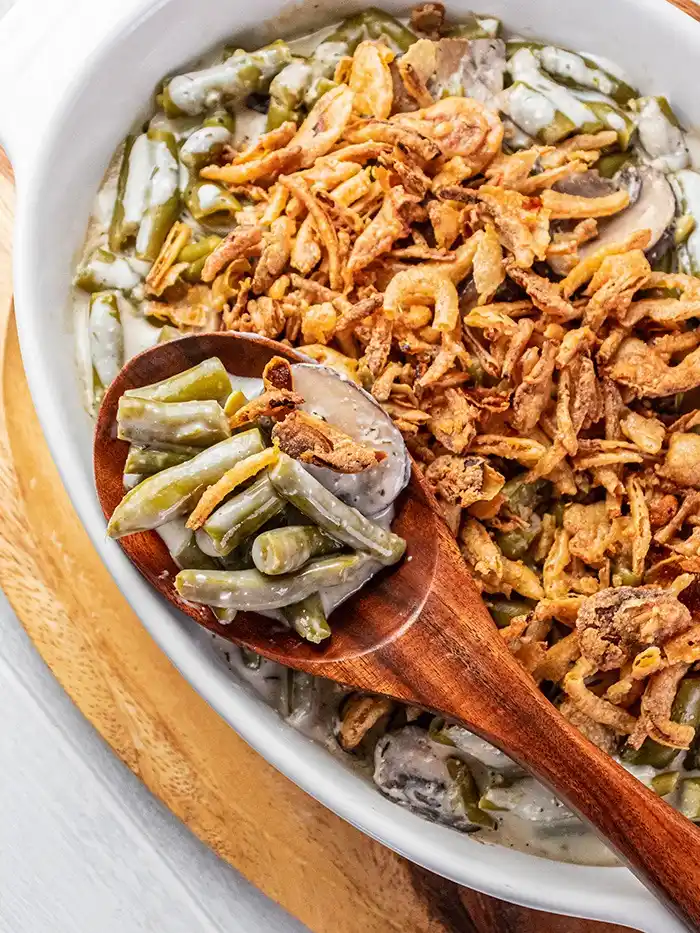
Credit: greengiantvegetables.com
Frequently Asked Questions
How Long To Bake Green Bean Casserole At 375 Degrees?
Bake the green bean casserole for 25 to 30 minutes at 375°F. This ensures the dish is hot and bubbly with a crispy topping.
Can I Bake Green Bean Casserole Longer Than 30 Minutes?
Baking longer than 30 minutes can dry out the casserole. Check at 25 minutes to avoid overcooking and maintain moisture.
Should Green Bean Casserole Be Covered When Baking At 375?
Bake uncovered at 375°F to allow the topping to crisp. Covering traps steam and softens the crunchy topping.
Is 375°f The Best Temperature For Green Bean Casserole?
Yes, 375°F is ideal for even cooking. It heats through the casserole without burning the topping.
Conclusion
Baking green bean casserole at 375°F usually takes 25 to 30 minutes. This time ensures the dish heats evenly and the topping turns crispy. Keep an eye on the casserole to avoid burning. Let it cool a bit before serving.
Enjoy a warm, tasty side dish that pairs well with many meals. Simple steps make a classic favorite easy to prepare every time.


