Have you ever wondered exactly how long it takes for water to freeze in your freezer? Whether you’re making ice cubes for a refreshing drink or preparing for a science experiment, knowing the freezing time can save you from waiting too long—or rushing too soon.
You’ll discover the key factors that affect freezing speed and learn simple tips to get your water frozen faster. Keep reading to unlock the secrets behind the chill and master the art of quick freezing!
Factors Influencing Freezing Time
Several factors affect how long water takes to freeze in a freezer. These elements change the freezing speed significantly. Understanding them helps predict freezing times better.
Temperature Of The Freezer
The colder the freezer, the faster water freezes. Freezers set at lower temperatures speed up ice formation. Standard freezers usually run around 0°F (-18°C). At this temperature, water freezes in a few hours. Warmer freezers slow the freezing process.
Volume Of Water
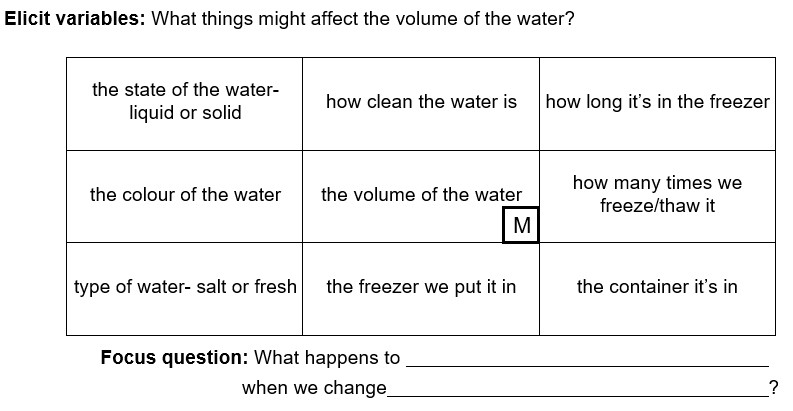
Larger amounts of water take longer to freeze. Small ice cube trays freeze faster than big containers. More water means more heat to remove before freezing. The freezing time grows as the water volume increases.
Container Material
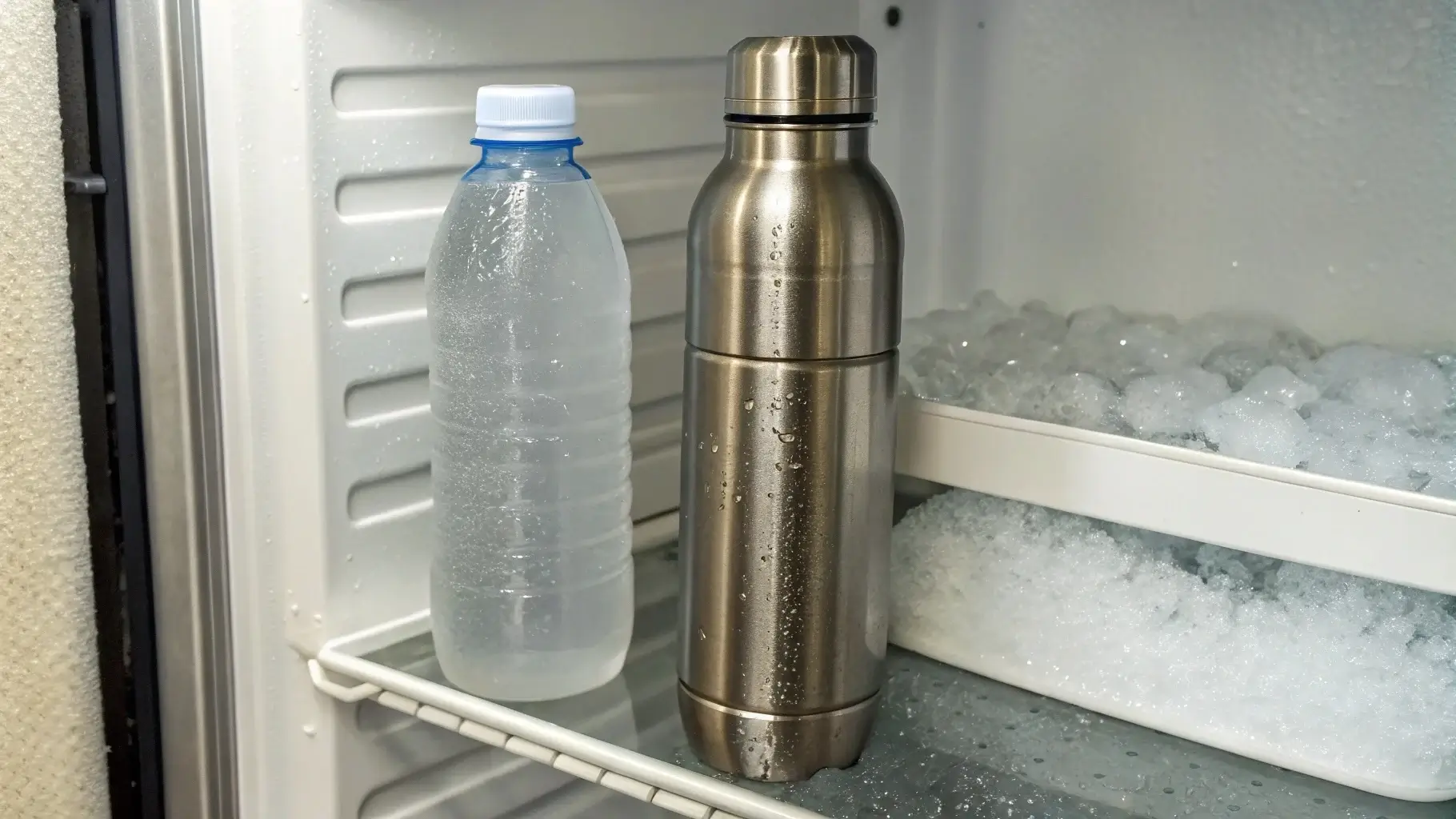
Materials affect how quickly cold reaches the water. Metal containers conduct cold better than plastic or glass. Metal speeds up freezing by transferring cold fast. Plastic and glass slow freezing due to poor heat transfer.
Initial Water Temperature
Water starting near room temperature freezes slower. Cold water close to freezing point freezes faster. The cooler the water at the start, the less time needed to freeze. Warm water requires more energy removal, extending freezing time.

Credit: www.wikihow.com
Average Freezing Time
Knowing the average time it takes for water to freeze in a freezer can save you from unexpected delays. It helps you plan better, whether you’re preparing ice for a party or preserving ingredients. But freezing time isn’t a fixed number—it changes based on several factors.
Standard Freezer Conditions
Under typical household freezer settings, water usually takes about 3 to 4 hours to freeze solid. Most freezers are set to around 0°F (-18°C), which is ideal for ice formation without drastically affecting other stored items.
Using a standard ice cube tray filled with tap water is a good baseline. If you’ve ever grabbed a tray after just an hour, you probably noticed the water was still liquid or just starting to freeze around the edges. This is normal because the freezing process begins from the surface and edges first.
Have you tried freezing smaller amounts of water, like ice cubes versus a full bottle? Smaller volumes freeze faster because they have less thermal mass to cool down.
Variable Conditions
Freezing time can vary widely depending on factors like water temperature, container type, and freezer load. Warm water takes longer to reach freezing point, so filling your tray with cold or chilled water can speed up the process.
Containers made of metal freeze water faster than plastic because metal conducts cold better. Also, overcrowding your freezer with many items can raise the internal temperature, making water freeze slower.
- Using purified or distilled water can sometimes freeze faster than tap water because it lacks impurities that affect freezing point.
- Opening the freezer frequently lets warm air in, increasing freezing time.
- Freezer frost buildup can reduce cooling efficiency, slowing down ice formation.
Next time you’re waiting for your ice, consider these points. Could adjusting your freezer settings or using a different container shave off some wait time? Experimenting with these variables can make a noticeable difference.
Methods To Speed Up Freezing
Freezing water quickly can be a real game-changer, especially when you need ice on short notice. The good news is, there are practical steps you can take to speed up the process without relying solely on your freezer’s default settings. Let’s dive into some easy and effective ways to get your water frozen faster.
Using Metal Containers
Have you noticed how ice cubes in metal trays freeze faster than those in plastic ones? Metal conducts cold much better, which means it pulls heat away from the water quicker. Using metal containers or trays can cut down freezing time significantly.
If you don’t have metal trays, try placing your plastic container inside a larger metal pan. This setup helps transfer the cold more efficiently, speeding up the freeze.
Pre-chilling The Water
Starting with cold water instead of room temperature can save you precious time. Fill your container with chilled water from the fridge before putting it in the freezer.
This small step reduces the temperature gap, so the freezer works less hard to bring the water down to freezing point. Have you tried this before? You might be surprised how much faster the ice forms.
Adjusting Freezer Settings
Most freezers allow you to adjust the temperature settings. Setting it to a colder temperature will naturally speed up the freezing process.
However, be cautious not to go too low, as it may cause other stored items to freeze improperly. A good rule of thumb is to set it a few degrees colder than usual and monitor the results.
Experiment with your freezer’s settings to find the perfect balance between quick freezing and maintaining overall food quality.
Credit: primaryconnections.org.au
Common Misconceptions
Understanding how long water takes to freeze in a freezer often comes with a few common misconceptions. These misunderstandings can lead you to expect inaccurate freezing times or try methods that don’t actually speed up the process. Let’s clear up some of these myths so you can freeze water more efficiently.
Hot Water Freezes Faster
You might have heard that hot water freezes faster than cold water. This idea, known as the Mpemba effect, sounds logical but isn’t reliable in everyday freezing scenarios. While there are specific conditions where hot water can freeze faster, in a typical home freezer, starting with cold water usually leads to quicker freezing.
When I tested this myself, hot water took longer to cool down before it even reached the freezing point. So, pouring hot water into ice cube trays doesn’t save you time—it often does the opposite. If you want ice quickly, skip heating the water first.
Uniform Freezing Time
Many believe that all water freezes at the same rate regardless of container or placement in the freezer. This isn’t true. Factors like container size, material, and freezer location drastically affect freezing time.
- Smaller containers freeze faster because they have less volume.
- Metal trays conduct cold better than plastic, speeding up freezing.
- Placing trays near the freezer walls or vents often results in quicker freezing than the center.
Have you noticed ice cubes freezing unevenly? That’s your freezer’s airflow and temperature distribution at work. Adjusting where you place your water containers can make a noticeable difference.
Practical Applications
Understanding how long water takes to freeze in your freezer is more than just a curiosity. It has real, practical uses that can save you time and improve your daily routines. Whether you’re cooling down drinks quickly or preparing food in advance, knowing the freezing timeline helps you plan better.
Ice For Beverages
Ever wondered why your ice cubes sometimes take forever to freeze? Knowing the average freezing time lets you estimate when your drinks will chill perfectly.
If you’re hosting a party or just want a cold glass of water after a workout, starting your ice tray early is key. Typical trays take about 3 to 4 hours to freeze, but smaller trays or crushed ice can freeze in as little as 1 to 2 hours.
Try this: fill your ice tray with filtered water and place it near the freezer’s coldest spot. You’ll notice the ice forms faster there. This small trick can save you precious minutes when you need ice quickly.
Frozen Food Preparation
Freezing food efficiently depends on knowing how long water-based items take to solidify. This helps you avoid soggy leftovers or uneven freezing.
For example, soups or stews with high water content usually take 4 to 6 hours to freeze completely. Thicker or denser foods freeze more slowly, so planning your meal prep around these times ensures the best texture and taste.
Have you ever tried freezing a homemade broth only to find it still liquid in the middle hours later? That’s because the water content and container size affect freezing time. Using shallow, wide containers speeds up freezing by increasing surface area exposed to cold air.

Credit: www.wikihow.com
Troubleshooting Freezing Issues
Freezing water seems simple, but sometimes your ice cubes just won’t form as expected. Understanding why freezing issues happen can save you time and frustration. Let’s look at common problems that affect how long it takes water to freeze in your freezer.
Inconsistent Freezer Performance
Is your freezer cooling unevenly? This can cause some areas to freeze faster than others. A freezer that cycles on and off frequently or struggles to maintain a steady temperature will slow down the freezing process.
Check if the door seals tightly. Even a small gap lets warm air in, disrupting the cold environment. Also, avoid overloading the freezer—air needs space to circulate for efficient cooling.
Have you noticed frost buildup? It can block vents and reduce airflow. Defrosting your freezer regularly can help maintain consistent performance.
Ineffective Insulation
Poor insulation in your freezer or ice trays can make freezing take longer. If the freezer walls are thin or damaged, cold air escapes easily, raising the internal temperature.
Consider using insulated ice trays or placing a small container of water inside an insulated sleeve. This can speed up freezing by keeping the water cold longer and reducing temperature fluctuations.
Think about how close your freezer is to heat sources like ovens or sunlight. Relocating it or shielding it from heat can improve insulation indirectly.
Frequently Asked Questions
How Long Does Water Take To Freeze In A Standard Freezer?
Water usually takes about 3 to 4 hours to freeze in a typical home freezer set at 0°F (-18°C). The exact time depends on water volume and container size. Smaller amounts freeze faster, while larger volumes need more time.
Does Water Temperature Affect Freezing Time In A Freezer?
Yes, colder water freezes faster. However, very warm water may take slightly longer due to the initial cooling phase. The freezer’s temperature and water volume also influence freezing time significantly.
Can Impurities In Water Change Freezing Time?
Impurities like salt or minerals lower water’s freezing point. This means impure water takes longer to freeze compared to pure water. Distilled water freezes faster due to the absence of dissolved substances.
How Does Container Type Affect Water Freezing Speed?
Containers made from metal freeze water faster than plastic or glass. Metal conducts cold better, speeding up freezing. Thicker containers or insulated ones slow down the freezing process.
Conclusion
Water usually takes about 3 to 4 hours to freeze in a standard freezer. The time changes based on the water amount and freezer temperature. Smaller containers freeze faster, while larger ones need more time. Using cold water can also speed up freezing.
Knowing this helps plan your kitchen tasks better. Keep in mind that freezer settings and container type matter too. Now, you can freeze water with more confidence and less guesswork. Simple steps, clear results.