Is your refrigerator taking longer than usual to keep your food fresh? You might be wondering, how long does it take to defrost a refrigerator—and why does it even matter?
Knowing the right time to defrost your fridge can save you from spoiled food, higher energy bills, and costly repairs. You’ll discover simple tips to speed up the process and keep your fridge running smoothly. Keep reading to find out exactly what you need to know to get your refrigerator back in top shape—without any hassle.
Defrosting Basics
Defrosting a refrigerator is essential for its efficient operation. Ice buildup inside the fridge can lower its cooling power and increase energy use. Knowing the basics of defrosting helps keep your appliance running smoothly and saves money.
Proper defrosting also extends the life of the fridge. It prevents damage caused by thick ice layers. This simple maintenance task avoids costly repairs and keeps your food fresh longer.
Why Defrosting Matters
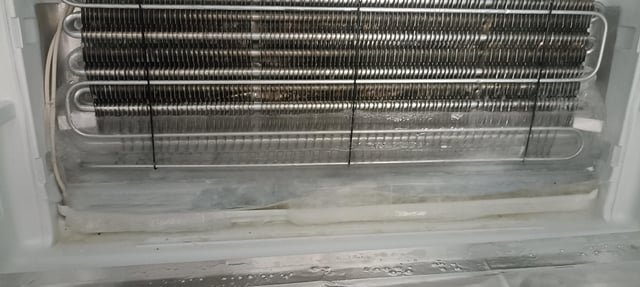
Ice blocks the air vents inside the fridge. This makes the fridge work harder to stay cold. More energy is used, raising your electricity bill.
Thick ice can trap moisture, causing frost to form on food. It reduces storage space and can spoil your groceries faster.
Defrosting removes this ice buildup. It restores proper air flow and cooling. This keeps your fridge efficient and your food safe.
Signs Your Fridge Needs Defrosting
- Ice buildup on the walls or shelves
- Frost covering the freezer compartment
- Fridge running louder than usual
- Temperature inside the fridge feels warmer
- Food spoiling faster than normal
Spotting these signs early helps avoid bigger problems. Regular checks keep your fridge in good shape and working well.

Credit: www.cookist.com
Factors Affecting Defrost Time
Defrosting a refrigerator can take different amounts of time. Several key factors affect how fast the ice melts and the appliance is ready to use again. Understanding these factors helps set the right expectations and plan the defrosting process efficiently.
Size And Type Of Refrigerator
Larger refrigerators have more space and usually more ice buildup. This means they need more time to defrost fully. Small or compact models defrost faster because they have less surface area inside.
Different types of refrigerators also impact defrost time. Manual defrost models often take longer since all the ice must melt naturally. Frost-free or automatic defrost models reduce ice buildup but still need occasional defrosting.
Amount Of Ice Buildup
The thicker and denser the ice, the longer it takes to melt. A thin layer of frost melts quickly, while heavy ice blocks slow down the process. Regularly removing small amounts of frost helps keep defrost times short.
Ice can form unevenly in some areas, causing certain parts to defrost slower. Checking and scraping off thick ice patches speeds up the overall defrosting.
Room Temperature
Warmer room temperatures help ice melt faster. A cold or cool room slows down the defrosting process. Placing the refrigerator in a warm area or increasing the room temperature speeds up melting.
Air circulation around the fridge also affects defrost time. Good ventilation helps carry away moisture and heat, aiding faster defrosting.
Step-by-step Defrosting Process
Defrosting a refrigerator is a simple but important task to keep it running well. The process involves removing ice buildup safely and cleaning the fridge thoroughly. Follow clear steps to make defrosting quick and easy. This helps keep your fridge efficient and saves energy.
Preparing Your Fridge
First, unplug the refrigerator to stop it from running. Remove all food items and store them in a cool place. Take out shelves and drawers to make cleaning easier. Place towels or a shallow pan under the fridge to catch melting ice water. This prevents water damage to your floor.
Safe Ice Removal Techniques
Allow the ice to melt naturally for best results. Avoid using sharp tools that can damage the fridge walls. Use a plastic spatula or a wooden spoon to gently loosen ice. Wipe away melted water regularly with a cloth or sponge. For faster melting, place a bowl of hot water inside and close the door.
Cleaning After Defrosting
Once all ice has melted, clean the interior with warm, soapy water. Use a sponge or soft cloth to remove dirt and stains. Rinse with clean water and dry thoroughly with a towel. Replace shelves and drawers before plugging the fridge back in. Wait for the fridge to cool down before putting food back.
Quick Defrosting Tips
Defrosting your refrigerator can be quick and easy with the right approach. These tips help speed up melting ice safely. Use simple tools and techniques to avoid damage and save time.
Using Hot Water Bowls
Place bowls of hot water inside the fridge. The steam helps melt ice faster. Replace the water when it cools down. Keep the fridge door closed to trap heat. This method is gentle and effective.
Fans And Towels
Use a fan to blow warm air into the fridge. It speeds up ice melting without heat damage. Place towels at the fridge base to catch water. Change towels often to prevent leaks and slips. This keeps your floor dry and safe.
Avoiding Damage
Do not use sharp objects to chip ice. Scraping can harm fridge surfaces and coils. Avoid hot tools or direct heat sources. They may warp or crack fridge parts. Patience and gentle methods protect your appliance.
Preventing Future Ice Buildup
Keeping the refrigerator door closed helps stop ice buildup. Regularly cleaning the seals and checking the temperature also prevent frost from forming. These steps reduce how often you need to defrost.
Preventing ice buildup in your refrigerator not only enhances its efficiency but also prolongs its lifespan. Imagine opening your fridge door to find everything perfectly chilled without any frost-covered surprises. By taking a few proactive steps, you can save yourself the hassle of frequent defrosting and keep your appliance running smoothly.
Proper Door Sealing
A well-sealed refrigerator door is essential to prevent unwanted ice buildup. Check the rubber gaskets around the door regularly for any cracks or gaps. If you notice the door isn't closing tightly, it might be time to replace those seals. A simple trick is the dollar bill test: close the door on a bill. If you can pull it out easily, the seal might be compromised. Ensuring a tight seal keeps the cool air in and the warm air out, reducing frost formation.
Temperature Settings
Setting the right temperature is crucial for preventing ice buildup. Keep your fridge between 37°F and 40°F and the freezer at 0°F. These temperatures ensure your food stays fresh without overworking the cooling system. Don't overlook the importance of the fridge's location. If it's too close to a heat source or exposed to direct sunlight, it might struggle to maintain the right temperature, leading to excess frost.
Regular Maintenance
Regular maintenance can make a world of difference in preventing ice buildup. Clean the condenser coils every six months to ensure efficient operation. A clean coil helps the compressor work less, reducing the chances of ice forming. Clear any blocked vents inside the fridge to allow proper air circulation. Good airflow keeps the temperature consistent and prevents frost from settling on your food and fridge walls. Have you ever considered the impact of overloading your fridge? Overstuffed shelves can obstruct airflow, leading to uneven cooling and potential frost issues. Keep your fridge organized and not too full. By taking these steps, you're not just maintaining an appliance; you're creating a more efficient, hassle-free kitchen environment.

Credit: 5starappliancerepair.pro
When To Seek Professional Help
Defrosting a refrigerator can be simple, but sometimes problems arise. Knowing when to call a professional can save time and prevent damage. Certain signs show that expert help is needed. Acting early avoids bigger issues and higher repair costs.
Signs Of A Malfunctioning Defrost System
Frost builds up quickly, even after defrosting. The fridge runs constantly and feels too warm inside. Strange noises come from the appliance. These can mean the defrost heater or thermostat is broken.
Electrical Issues And Safety Concerns
The fridge trips the circuit breaker. There are sparks or burning smells near the power cord. Water pools around the fridge base. These problems need urgent professional attention to avoid hazards.
When Defrosting Takes Too Long
Defrosting lasts much longer than usual without progress. Ice remains stubborn despite your efforts. The fridge door won’t close properly after defrosting. These may indicate a deeper mechanical fault.
Frequent Or Severe Ice Build-up
Ice forms rapidly and thickly, even with regular defrosting. Ice blocks vents or food compartments. This could mean a damaged door seal or cooling issue that needs fixing.
Unusual Temperature Fluctuations
Food spoils quickly or freezes unexpectedly. The fridge temperature changes often without reason. Such problems suggest the defrost cycle or temperature control is failing.

Credit: www.cookist.com
Frequently Asked Questions
How Long Does It Take To Fully Defrost A Refrigerator?
Defrosting a refrigerator usually takes 4 to 24 hours. The time depends on ice thickness and defrost method. Manual defrosting may take longer, while newer models with auto-defrost are quicker.
Can I Speed Up The Refrigerator Defrosting Process?
Yes, you can speed up defrosting by using a bowl of hot water inside. Avoid sharp tools to remove ice, as they damage the fridge.
How Often Should I Defrost My Refrigerator?
Defrost your refrigerator every 6 months or when ice is thicker than 1/4 inch. Regular defrosting maintains efficiency and saves energy.
Is It Safe To Defrost A Refrigerator Without Unplugging It?
No, always unplug the refrigerator before defrosting. This prevents electrical hazards and ensures safe removal of ice.
Conclusion
Defrosting a refrigerator usually takes a few hours. The exact time depends on the fridge size and frost thickness. Faster methods can help but need care. Always unplug the fridge before starting. Clear the ice gently to avoid damage. Regular defrosting keeps your fridge working well.
It saves energy and prevents food spoilage. Plan defrosting when you have time to avoid rush. Small steps make the process simple and safe. Your fridge will run better and last longer. Easy to do, worth the effort.