Are you craving a juicy, perfectly cooked rotisserie chicken but wondering how long it actually takes to cook one? You’re not alone.
Knowing the right cooking time can make all the difference between a dry bird and a tender, flavorful meal that everyone will love. You’ll discover exactly how long you need to cook your rotisserie chicken to get that mouthwatering result every time.
Keep reading, and you’ll never second-guess your cooking time again!

Credit: nickskitchen.com
Factors Affecting Cooking Time
Cooking a rotisserie chicken takes different times depending on several key factors. These factors influence how evenly and thoroughly the chicken cooks. Understanding them helps to get juicy and safe-to-eat chicken every time.
Each factor affects the heat distribution and cooking speed. Knowing what to adjust can save time and improve results.
Chicken Size And Weight
The size and weight of the chicken directly impact cooking time. Larger chickens take longer to cook through than smaller ones. A 3-pound chicken cooks faster than a 5-pound chicken. The heat takes time to reach the center, so heavier birds need more time.
Check the weight on the package before cooking. Adjust cooking time accordingly for best results.
Oven Temperature Settings
The temperature set on the oven or rotisserie affects cooking speed. Higher temperatures cook the chicken faster but risk drying it out. Lower temperatures take longer but keep the meat juicy. A common temperature is around 350°F (175°C).
Consistent temperature helps the chicken cook evenly. Avoid opening the oven door often, as it lowers heat.
Type Of Rotisserie Equipment
Different rotisserie machines cook differently. Some have fans for even heat, while others rely on natural convection. Electric rotisseries heat steadily, while charcoal or gas models may have hot spots.
The design and power of the equipment affect cooking time and chicken texture. Follow the equipment instructions for best timing.
Credit: www.bbqspitrotisseries.com.au
Average Cooking Times
Knowing the average cooking time for rotisserie chicken helps you plan your meal perfectly. The size of the chicken plays a big role in how long it needs to cook. Let’s look at how cooking times vary depending on whether your chicken is small, medium, or large.
Small Chickens
Small chickens typically weigh between 2 to 3 pounds. They usually need about 45 minutes to 1 hour on the rotisserie. If you’re short on time, a small chicken is a great choice for a quick and tasty meal.
Keep an eye on the internal temperature—it should reach 165°F (74°C) to be safe to eat. Ever tried cooking a small chicken too fast? It often ends up dry, so slow and steady is the way to go.
Medium Chickens
Medium chickens weigh around 3 to 4 pounds. They generally take 1 to 1.5 hours to cook thoroughly on the rotisserie. This size offers a nice balance between cooking time and meat quantity.
You might want to baste it occasionally for juicier results. Wondering if your medium chicken is done? Use a meat thermometer to avoid guessing and ensure perfect doneness every time.
Large Chickens
Large chickens weigh 4 pounds or more and need 1.5 to 2 hours to cook on the rotisserie. Because of their size, they require a bit more patience to achieve even cooking.
Make sure to rotate the chicken evenly and check the temperature in multiple spots. Have you noticed the difference in tenderness between a large and small chicken? Cooking time makes all the difference in texture and flavor.
Checking For Doneness
Checking for doneness is essential to ensure your rotisserie chicken is safe and delicious. Cooking times vary by size and heat, so relying on timing alone is risky. Proper checks help avoid undercooked meat or dry chicken. Use simple tools and senses to confirm the chicken is ready.
Using A Meat Thermometer
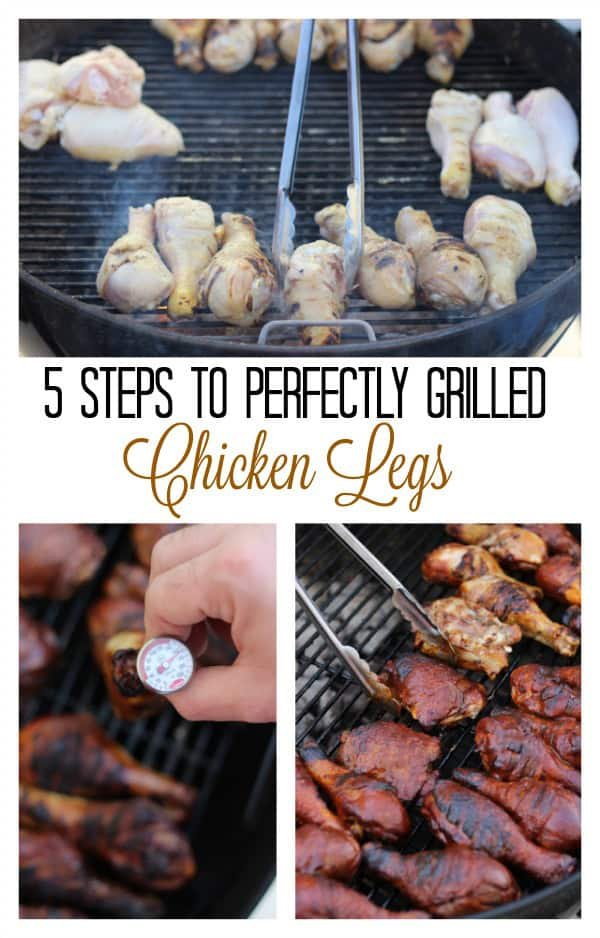
A meat thermometer is the most accurate way to check doneness. Insert it into the thickest part of the chicken, usually the thigh. Avoid touching bone for a true reading. The internal temperature should reach 165°F (74°C) for safe eating.
Hold the thermometer steady for a few seconds. If the temperature is below 165°F, cook the chicken longer. Check multiple spots to ensure even cooking. This tool saves guesswork and helps prevent foodborne illness.
Visual And Texture Cues
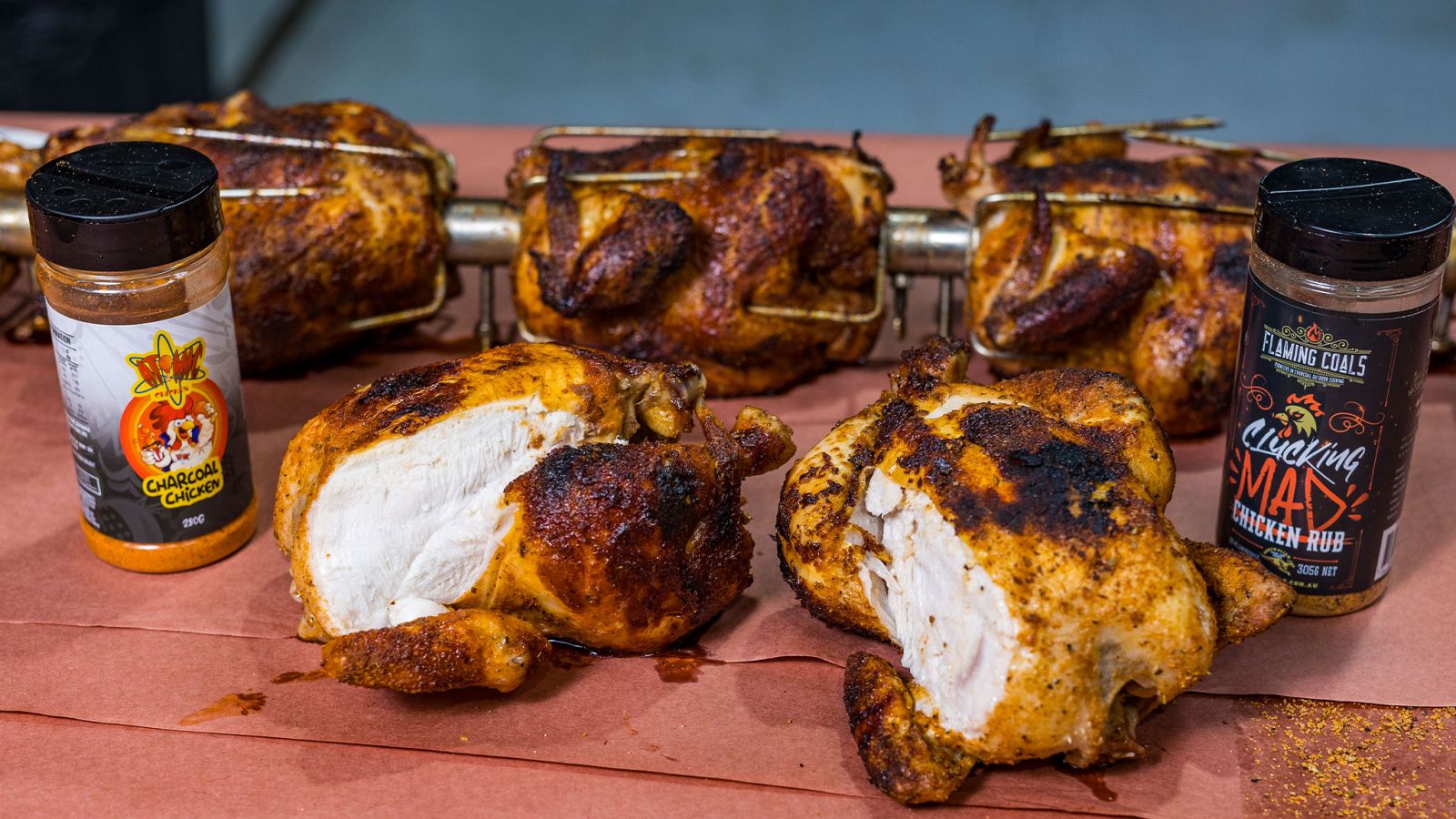
Look at the chicken’s color and juices for clues. The skin should be golden brown and crispy. Clear juices running out when pierced mean the chicken is done. Pink or red juices indicate it needs more time.
Feel the texture by gently pressing the meat. It should feel firm, not soft or rubbery. The legs should move easily in the joint. These signs show the chicken is cooked through and tender.

Credit: whatsgabycooking.com
Tips For Even Cooking
Cooking a rotisserie chicken evenly can be tricky, but mastering a few key techniques will transform your results. Uneven cooking often leaves some parts dry while others remain underdone. Paying attention to how you prepare and manage the chicken on the rotisserie can make all the difference in achieving juicy, perfectly cooked meat every time.
Proper Trussing Techniques
Trussing your chicken tightly ensures it cooks uniformly. Tie the legs and wings close to the body to prevent them from flapping and cooking faster than the rest of the bird.
Use kitchen twine to secure the chicken in a compact shape. This helps maintain an even thickness, so heat distributes consistently. Have you noticed how loose wings sometimes burn before the breast is done? Trussing solves this problem.
Basting Methods
Basting keeps the chicken moist and enhances flavor. Use a brush or spoon to apply melted butter, oil, or marinade periodically while it rotates.
Don’t wait until the end to baste; starting early allows the skin to develop a crispy, golden texture. Experiment with herbs or garlic in your basting mix to add depth. How often do you refresh the basting liquid during cooking?
Rotisserie Speed Adjustments
Adjusting the rotisserie speed can control cooking evenness. Too fast, and the chicken won’t cook through; too slow, and the skin may burn or dry out.
Find a moderate speed that allows the chicken to turn steadily without jerking. This steady rotation exposes all sides evenly to the heat source. Have you tried varying speeds on different parts of the chicken for optimal results?
Common Mistakes To Avoid
Cooking times vary by chicken size and heat level. Avoid undercooking or overcooking to keep meat juicy and safe. Checking internal temperature ensures perfect results every time.
Cooking a rotisserie chicken can seem straightforward, but several common mistakes can easily lead to a less-than-perfect meal. Avoiding these pitfalls can help ensure your chicken is juicy and flavorful. Let's dive into some of these common mistakes and how you can sidestep them.
Overcooking Or Undercooking
One of the most frequent mistakes is misjudging the cooking time. Overcooking can leave the chicken dry, while undercooking poses health risks. A meat thermometer is your best friend here, aiming for an internal temperature of 165°F (75°C). Remember, cooking times can vary based on the size of the chicken and your rotisserie setup. It's crucial to check the chicken at various intervals.
Ignoring Rest Time
Skipping the rest time is a rookie error. Allowing the chicken to rest for about 10-15 minutes after cooking helps the juices redistribute. This results in a more succulent and flavorful bite. Have you ever cut into a chicken only to see all the juices run out? Resting prevents this, ensuring your effort pays off with a juicy meal.
Improper Seasoning
Seasoning is key to a delicious rotisserie chicken, yet it's easy to overlook. Simply salting the chicken isn’t enough to bring out its full flavor potential. Consider a blend of herbs, spices, and maybe a hint of lemon zest for that extra zing. Are you afraid of over-seasoning? Start with a light hand, as you can always add more seasoning later.
Enhancing Flavor And Texture
Enhancing the flavor and texture of rotisserie chicken makes it a delightful meal. The right techniques bring out the juiciness inside and create a crispy, tasty outside. Small changes in preparation can make a big difference. Flavor seeps deep, while the skin turns golden and crisp. These tricks turn a simple chicken into a flavorful feast.
Marinades And Rubs
Marinades add moisture and flavor inside the meat. Use a mix of oil, acid like lemon juice, and spices. Let the chicken soak for a few hours or overnight. Rubs create a tasty crust on the skin. Use herbs, salt, pepper, garlic powder, and paprika. Apply rubs just before cooking for best results.
Stuffing Options
Stuffing the chicken adds aroma and extra taste. Use simple ingredients like lemon wedges, garlic cloves, or fresh herbs. Stuffing helps keep the meat moist during cooking. It also fills the chicken with subtle flavors. Avoid overstuffing to allow even heat circulation.
Crisping The Skin
Crisp skin is a must for rotisserie chicken. Pat the skin dry before cooking to remove moisture. Brush the skin lightly with oil or melted butter. This helps the skin brown evenly and stay crispy. Cook at a steady heat to avoid burning but still get crispness. Let the chicken rest after cooking to keep skin crisp.
Frequently Asked Questions
How Long Does Rotisserie Chicken Take To Cook?
Rotisserie chicken typically takes 1 to 1. 5 hours to cook at 350°F (175°C). Cooking time varies by chicken size and heat consistency.
What Is The Ideal Temperature For Cooking Rotisserie Chicken?
The ideal cooking temperature for rotisserie chicken is 350°F (175°C). This ensures even cooking and crispy skin without drying the meat.
How Do You Know When Rotisserie Chicken Is Done?
Rotisserie chicken is done when internal temperature reaches 165°F (74°C). Use a meat thermometer for accurate and safe results.
Can Cooking Time Vary By Chicken Size?
Yes, larger chickens take longer to cook, while smaller ones cook faster. Adjust cooking time accordingly to ensure thorough cooking.
Conclusion
Cooking a rotisserie chicken usually takes about 1 to 1. 5 hours. The exact time depends on the chicken's size and your oven's heat. Always check the internal temperature to be sure it’s fully cooked. A juicy, tender chicken is worth the wait.
Enjoy your meal and the ease of rotisserie cooking. Simple steps lead to great results every time.