Buying a new refrigerator is exciting, but you might be wondering—how long does it take for your new fridge to get cold? You want to store your food safely as soon as possible, but rushing it might cause problems.
Understanding the right wait time can save you from spoiled groceries and help your fridge work at its best. You’ll discover exactly what to expect and how to make sure your new appliance cools down quickly and efficiently. Keep reading to get the answers you need and avoid common mistakes.

Credit: wilshirerefrigeration.com
Initial Cooling Time
When you bring home a new refrigerator, one of the first questions on your mind is likely how long it will take to get cold enough for your food. This phase is known as the initial cooling time. Understanding what affects this period can help you plan better and avoid opening the door too often, which can delay the cooling process.
Factors Affecting Cooling Speed
Several elements influence how quickly your new refrigerator reaches the desired temperature. The size of the fridge plays a big role; larger models take longer to cool because there’s more space to chill.
The room temperature also matters. If your kitchen is warm, the fridge has to work harder to cool down.
Another key factor is whether the fridge was plugged in immediately after delivery or left standing. Some manufacturers recommend waiting a few hours before plugging it in, especially for models with compressors that contain oil.
Opening the door frequently during the initial hours can introduce warm air, delaying the cooling. Are you tempted to peek inside to check? Try to resist—it really helps the fridge cool faster.
Typical Time Frame For New Refrigerators
Most new refrigerators take between 4 to 24 hours to reach the proper temperature, typically around 37°F (3°C) for the fridge compartment and 0°F (-18°C) for the freezer.
Smaller or energy-efficient models might cool faster, often within 4 to 6 hours. Full-sized models often need a full day, especially if empty at first.
Manufacturers usually suggest waiting at least 24 hours before loading your new fridge with groceries. This gives it enough time to stabilize at the right temperature and ensures your food stays fresh longer.

Credit: wilshirerefrigeration.com
Preparing Your Refrigerator
Preparing your refrigerator properly is key to ensuring it cools efficiently and keeps your food fresh. Skipping important setup steps can delay the cooling process and even affect the appliance’s lifespan. Taking a few extra minutes to install and adjust your new fridge correctly will pay off in the long run.
Proper Installation Tips
Position your refrigerator away from direct sunlight and heat sources like ovens or radiators. This helps it maintain the right temperature without working overtime.
Make sure the appliance stands level on the floor. Uneven placement can cause doors to misalign and seals to fail, allowing cold air to escape.
Leave enough space around the fridge for air to circulate—usually a few inches on each side. Without proper ventilation, your refrigerator may struggle to cool efficiently.
Setting The Right Temperature
Set the fridge temperature to around 37°F (3°C) and the freezer to 0°F (-18°C) for optimal food preservation. Temperatures outside this range can spoil food or cause unnecessary energy use.
After turning your fridge on, avoid adding food immediately. Give it time to reach the set temperature first to keep everything inside safe and cold.
Check the temperature settings regularly, especially after a power outage or when you notice your food spoiling faster than usual. Have you ever wondered if a small temperature tweak could save you money on energy bills?
Speeding Up The Cooling Process
Speeding up the cooling process of a new refrigerator helps protect food and saves energy. There are simple actions to make the fridge chill faster. Small habits can make a big difference in reaching the right temperature sooner.
Avoiding Frequent Door Openings
Every time the door opens, cold air escapes. Warm air enters, making the fridge work harder. Keep the door closed as much as possible during the first few hours. Plan what you need before opening the fridge. This reduces the number of times the door opens. Use a flashlight to see inside without opening the door fully.
Using Cold Packs Or Ice
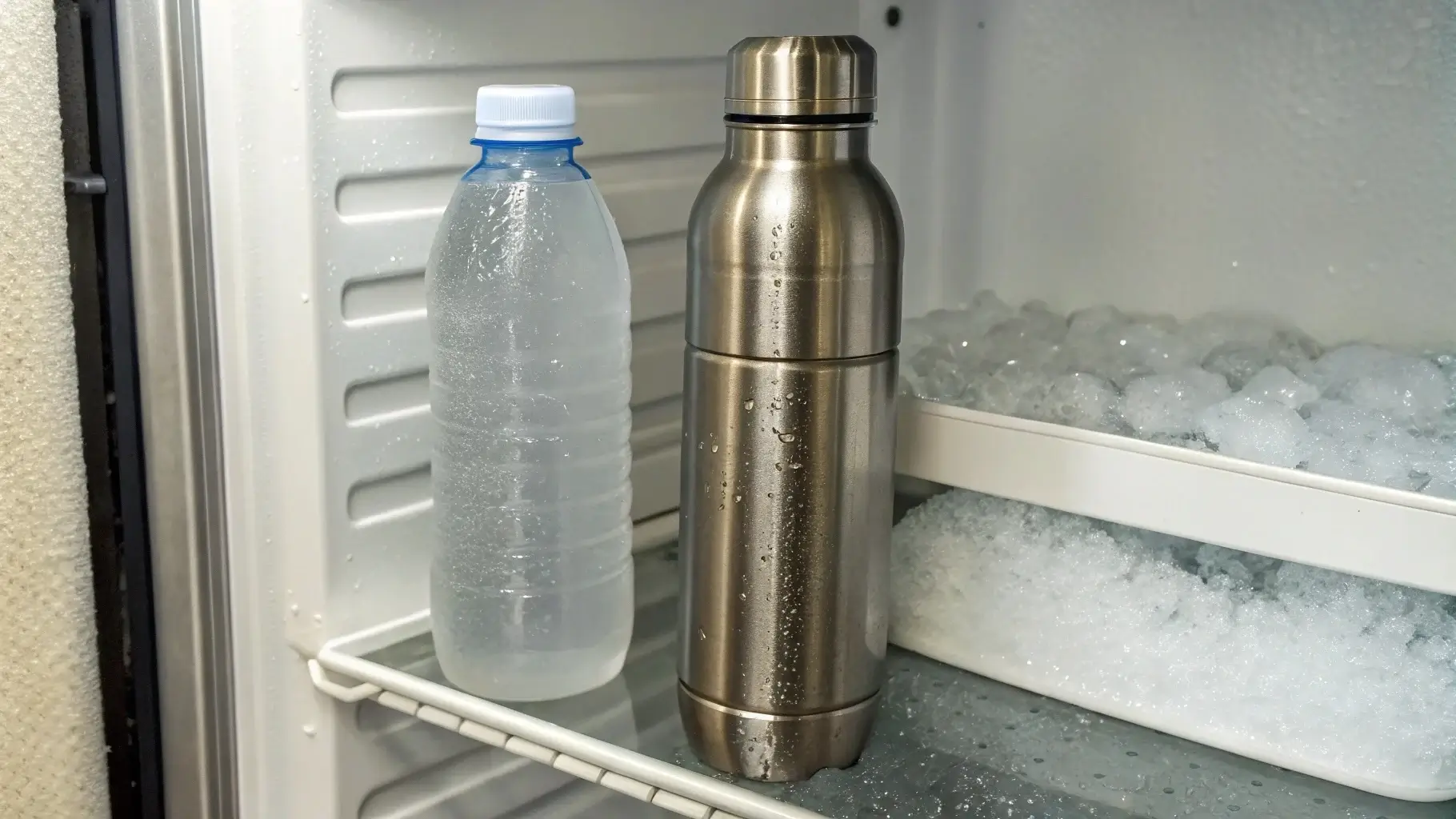
Placing cold packs or ice inside helps lower the temperature faster. These items add extra cold to the fridge. Spread them evenly on shelves for best effect. Remove them once the fridge reaches the right temperature. Avoid overloading the fridge, which blocks airflow and slows cooling.
Common Cooling Issues
New refrigerators often face common cooling issues. These problems can delay the cooling process. Understanding them helps maintain your fridge efficiently. A well-functioning refrigerator preserves food and reduces energy consumption. Below, we explore typical issues and solutions.
When The Refrigerator Takes Too Long
A fridge might take too long to cool. This can be frustrating. Many factors cause this delay. Incorrect thermostat settings often play a role. Blocked vents restrict air circulation. Overloading the fridge can also slow cooling. Ensure the doors seal properly. A damaged seal lets warm air enter. This forces the fridge to work harder. Resulting in longer cooling times.
Troubleshooting Tips
Simple steps can resolve cooling issues. Check the thermostat first. Set it to the recommended temperature. Clear any items blocking the vents. This improves air circulation. Avoid overloading the fridge with too many items. Leave space for air to move. Inspect the door seals. Make sure they close tightly. Replace damaged seals promptly. These steps ensure efficient cooling.
Energy Efficiency And Cooling
Energy efficiency plays a key role in how fast a new refrigerator cools. A refrigerator that cools quickly uses power more effectively. This lowers energy costs and reduces environmental impact.
The cooling process depends on the fridge's design and insulation. Modern refrigerators often have better cooling systems that reach the right temperature faster. This helps save energy by running the compressor less time.
How Cooling Time Affects Energy Use
The longer a refrigerator takes to cool, the more energy it consumes. A slow cooling fridge keeps the compressor running longer. This increases electricity use and raises bills.
New refrigerators with fast cooling technology use less power. They reach the set temperature quickly and maintain it efficiently. This reduces the overall time the compressor runs.
Energy-efficient fridges often have features like:
- Improved insulation to keep cold air inside
- Advanced compressors that adjust speed
- Smart temperature controls
These features help cut down energy use during the initial cool-down phase.
Maintaining Optimal Performance
Proper care ensures your refrigerator stays energy efficient. Keep the fridge doors closed as much as possible. This avoids warm air entering and forcing the compressor to work harder.
Clean the coils regularly to improve cooling efficiency. Dust and dirt reduce heat exchange, making cooling slower. Check door seals for leaks and replace if needed. Tight seals keep cold air inside and save energy.
Set the fridge temperature to the recommended level. Too cold wastes energy; too warm risks food safety. Regular maintenance helps the refrigerator cool quickly and run efficiently.

Credit: shopsavvy.com
Frequently Asked Questions
How Long Does A New Refrigerator Take To Cool?
A new refrigerator typically takes 4 to 24 hours to reach the ideal temperature. Initial cooling depends on size and model. Avoid overloading it during this time to ensure efficient cooling. Check the manual for specific guidelines.
Why Is My New Fridge Not Cold Yet?
If your new fridge isn’t cold, it might still be cooling down. It can take up to 24 hours to reach optimal temperature. Ensure the fridge is plugged in, doors are closed, and settings are correct.
Can I Put Food In A New Refrigerator Immediately?
It's best to wait 4 to 24 hours before adding food. This allows the fridge to reach the right temperature. Adding food too early can affect cooling efficiency and food safety.
How To Speed Up The Cooling Of A New Fridge?
To speed up cooling, keep the doors closed and avoid adding warm food. Set the thermostat to the recommended setting. Ensure good air circulation around the fridge. Avoid placing it near heat sources.
Conclusion
A new refrigerator usually takes 4 to 24 hours to get cold. It depends on the model and size. Keep the door closed during this time. Avoid putting food inside too early. This helps the fridge cool faster and work well.
If it takes longer, check the manual or call support. Patience is key for a fresh, cool fridge ready to use.