Have you ever found yourself waiting impatiently for ice, wondering how long your ice maker actually takes to deliver those perfect cubes? Whether you’re hosting a party or just want a cold drink, knowing the exact time can save you frustration and help you plan better.
You’ll discover the typical ice-making speed, what affects it, and simple tips to get ice faster. Keep reading to never be caught empty-handed again when you need ice the most!
Ice Maker Types
Ice makers come in different types, each designed for specific needs and spaces. Knowing the type helps understand how quickly ice is made. The two main ways to classify ice makers are by installation style and operation style. Both affect ice production speed and convenience.
Built-in Vs Portable
Built-in ice makers install directly into a kitchen or bar area. They connect to the water supply and work continuously. These machines usually make ice faster and in larger amounts. Perfect for homes or offices with high ice demand.
Portable ice makers sit on countertops and do not need plumbing. Users fill a water reservoir manually. These models are smaller and produce ice slower. Great for small spaces, camping, or occasional use.
Automatic Vs Manual
Automatic ice makers control the whole process without user input. They fill water, freeze it, and eject ice cubes on their own. These machines save time and effort. Ice production is steady and consistent.
Manual ice makers require users to add water and remove ice themselves. They can be simple trays or small units needing attention. Ice takes longer to make, and output depends on user actions.
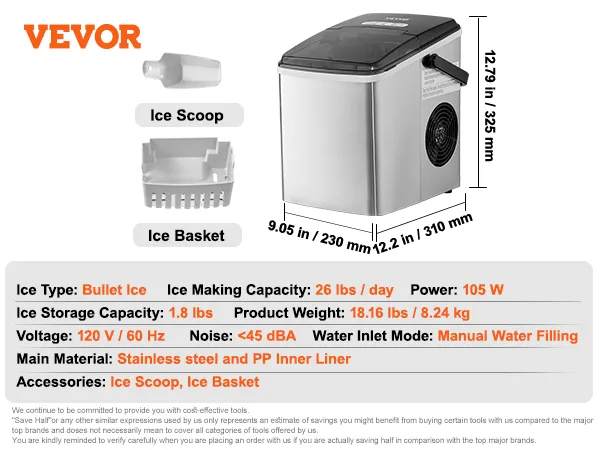
Credit: www.vevor.ca
Ice Making Process
Understanding how your ice maker produces ice can help you troubleshoot delays and improve efficiency. The ice making process involves three main stages that work together seamlessly to deliver those perfect ice cubes you enjoy. Let’s break down each stage so you know what’s happening behind the scenes.
Water Filling
The process starts when your ice maker fills the mold with water. This happens automatically after the machine detects that the previous batch of ice has been ejected. The water supply valve opens briefly to let just the right amount of water flow into the ice tray.
Have you noticed some machines fill faster than others? That often depends on your water pressure and the ice maker’s design. Low water pressure can slow this step down, causing delays in ice production.
Freezing Cycle
Once the water fills the mold, the freezing cycle begins. The ice maker lowers the temperature around the mold, rapidly turning the water into ice. This step usually takes the longest—anywhere from 10 to 30 minutes depending on the model and freezer temperature.
Keep in mind, if your freezer isn’t cold enough or if the door is opened frequently, the freezing cycle will take longer. You might want to check your freezer settings if your ice seems slow to form.
Ice Ejection
After the ice solidifies, the machine activates the ejection mechanism. This usually involves heating the mold slightly to loosen the ice cubes or using a mechanical arm to push them out. The ice then falls into the storage bin, ready for you to grab.
Sometimes, ice cubes stick together or don’t eject properly. This could signal a need for cleaning or maintenance. Have you ever found your ice maker jammed? Regular cleaning can prevent such issues and keep your ice coming smoothly.
Factors Affecting Ice Production Time
Ice production time varies widely and depends on several key factors. Understanding these can help you set the right expectations and optimize your ice maker's performance. Let’s look closely at what influences how fast your ice maker works.
Water Temperature
The temperature of the water you use directly affects how quickly ice forms. Colder water freezes faster, so using chilled water can shave off several minutes from the freezing cycle.
If you pour warm or room-temperature water into the ice maker, it will take longer to cool down and freeze. Have you ever noticed how quickly ice cubes form when you use cold water straight from the fridge? That’s exactly why water temperature matters.
Room Temperature
The environment around your ice maker plays a big role too. If the room is warm, the ice maker has to work harder to freeze water, which slows down ice production.
Placing your ice maker in a cooler spot can improve efficiency. Think about how much slower ice melts in a cold room compared to a warm kitchen—this works the same way for ice production.
Ice Maker Capacity
How much ice your machine can produce at one time also affects timing. Larger capacity ice makers may take longer per batch but can produce more ice overall.
If you need ice quickly, a smaller unit might be faster for small amounts, but it won’t keep up with heavy demand. Knowing your ice maker’s capacity helps you plan ice needs without unnecessary waiting.
Typical Ice Making Times
Ice makers usually take between 6 to 15 minutes to produce a batch of ice. The exact time depends on the machine’s size and temperature. Faster models can create ice more quickly, but most home units work within this range.
Typical Ice Making Times Understanding how long your ice maker takes to produce ice can help you better plan your gatherings and ensure you never run out of ice at crucial moments. Different types of ice makers have varying production times based on their design and intended use. Let's explore how long it typically takes for different ice makers to do their magic.
Standard Home Ice Makers
Most standard home ice makers found in refrigerators usually take around 90 minutes to 3 hours to produce their first batch of ice. The cycle time can be influenced by factors like the freezer temperature and water supply. Ensuring your freezer is set to the optimal temperature can help speed up the ice-making process.
Commercial Ice Makers
Commercial ice makers are designed for high-capacity production, often churning out ice much faster than their home counterparts. These machines can produce a batch of ice in as little as 15 to 20 minutes. It's fascinating to see how these robust machines keep up with the demands of busy restaurants and bars.
Portable Ice Makers
Portable ice makers are great for parties or small gatherings, providing quick results in about 6 to 15 minutes per batch. They are a convenient option if you need ice on the go or lack the space for a permanent fixture. Imagine having fresh ice ready while you're enjoying a picnic or camping trip, without the usual wait time!
Speeding Up Ice Production
Speeding up ice production helps you get ice faster for drinks and snacks. Small changes can make a big difference in how quickly ice forms. Focus on simple actions to improve your ice maker's efficiency.
Pre-chilling Water
Use cold water before adding it to the ice maker. Cold water freezes faster than warm water. Keep a container of chilled water in the fridge for quick refills. This reduces the time the ice maker needs to freeze the water.
Maintaining Machine Cleanliness
Clean your ice maker regularly. Dirt and mineral buildup slow down ice production. Use a mixture of vinegar and water to clean the machine. Rinse well to avoid any taste changes in the ice. A clean machine works faster and lasts longer.
Optimal Placement
Place the ice maker in a cool, ventilated area. Avoid spots near heat sources like ovens or direct sunlight. Good airflow helps the machine stay cool and operate efficiently. Keep the machine away from dust and moisture for best results.

Credit: www.amazon.ca
Troubleshooting Slow Ice Production
Slow ice production can be frustrating. It may interrupt your plans or daily routine. Identifying common causes helps fix the problem fast. Simple checks and maintenance often improve ice maker speed. Let’s explore key troubleshooting tips for better ice output.
Checking Water Supply
The water supply directly affects ice production speed. Ensure the water line is fully open and not kinked. Low water pressure limits ice formation. Check for frozen or clogged water lines. Use clean, fresh water for best results. Inspect the water filter and replace it if dirty. A blocked filter reduces flow and slows ice making.
Inspecting Temperature Settings
Ice makers need the right temperature to work well. Set the freezer temperature between 0°F and 5°F (-18°C to -15°C). Warmer settings slow ice production significantly. Avoid frequent door openings that raise freezer temperature. Check the thermostat for proper function. Adjust settings as needed to maintain cold conditions.
Cleaning And Maintenance Tips
Regular cleaning keeps ice makers efficient. Remove mineral buildup and debris from the ice tray. Clean the water reservoir and dispenser parts with mild detergent. Sanitize surfaces using a mixture of vinegar and water. Clear any ice blockages in the chute or tray. Perform maintenance every few months to ensure fast ice making.

Credit: codysappliancerepair.com
Frequently Asked Questions
How Long Does A Typical Ice Maker Take To Produce Ice?
Most ice makers take about 6 to 15 minutes per cycle. The exact time depends on the model and ambient temperature. Faster machines produce ice in 6 minutes, while slower ones may take up to 15 minutes.
What Factors Affect Ice Maker Production Speed?
Temperature, water supply, and machine size impact production speed. Colder environments and adequate water flow speed up ice making. Larger ice makers generally produce ice faster due to bigger capacity.
Can Ice Makers Produce Ice Continuously?
Yes, most ice makers produce ice continuously until the storage bin is full. Once full, the machine pauses until ice is removed. This ensures a steady supply of ice without manual intervention.
Why Is My Ice Maker Taking Longer To Make Ice?
Longer ice production can result from low water pressure, dirty filters, or warm surroundings. Regular maintenance and cleaning can help restore normal ice-making speed. Check these factors if your ice maker slows down.
Conclusion
Ice makers usually take 6 to 15 minutes to make ice. The exact time depends on the model and water temperature. Newer machines often work faster than older ones. Keep the ice maker clean for best results. Regular maintenance helps it run smoothly and quickly.
Knowing how long your ice maker takes saves time and frustration. Patience pays off with fresh, clear ice every time. Choose the right ice maker to fit your needs. Enjoy cold drinks without waiting too long.