Have you ever wondered how long it really takes for your freezer to get cold? Whether you’ve just set it up or unplugged it for a while, knowing the right wait time can save you from spoiled food and wasted energy.
If you’re eager to get your freezer running at the perfect temperature quickly and safely, this guide is exactly what you need. Keep reading, and you’ll discover simple tips to speed up the cooling process and avoid common mistakes that can cost you time and money.
Your freezer—and your food—will thank you.

Credit: wilshirerefrigeration.com
Factors Affecting Freezer Cooling Time
Several factors influence how fast a freezer cools down. These elements affect the time it takes to reach the desired temperature. Understanding these factors helps set realistic expectations and improve freezer efficiency.
Size And Capacity
Larger freezers take longer to cool because they have more space to chill. A big freezer needs more time to lower the temperature evenly. Smaller freezers cool faster due to less air volume inside.
The amount of food inside also impacts cooling time. A full freezer holds cold items that help lower the temperature faster. An empty freezer takes longer as there is nothing cold inside to assist.
Ambient Temperature
The room temperature where the freezer stands matters a lot. High room temperatures make the freezer work harder and slow cooling. Cooler room temperatures help the freezer reach its set temperature quicker.
Keep the freezer away from heat sources like ovens or direct sunlight. This prevents extra heat from affecting the cooling speed.
Freezer Type
Different freezer types cool at different speeds. Chest freezers often cool faster because cold air stays low. Upright freezers lose cold air more easily when opened, slowing cooling.
Modern freezers with advanced technology cool more efficiently. Older models might take longer due to less efficient insulation and compressors.
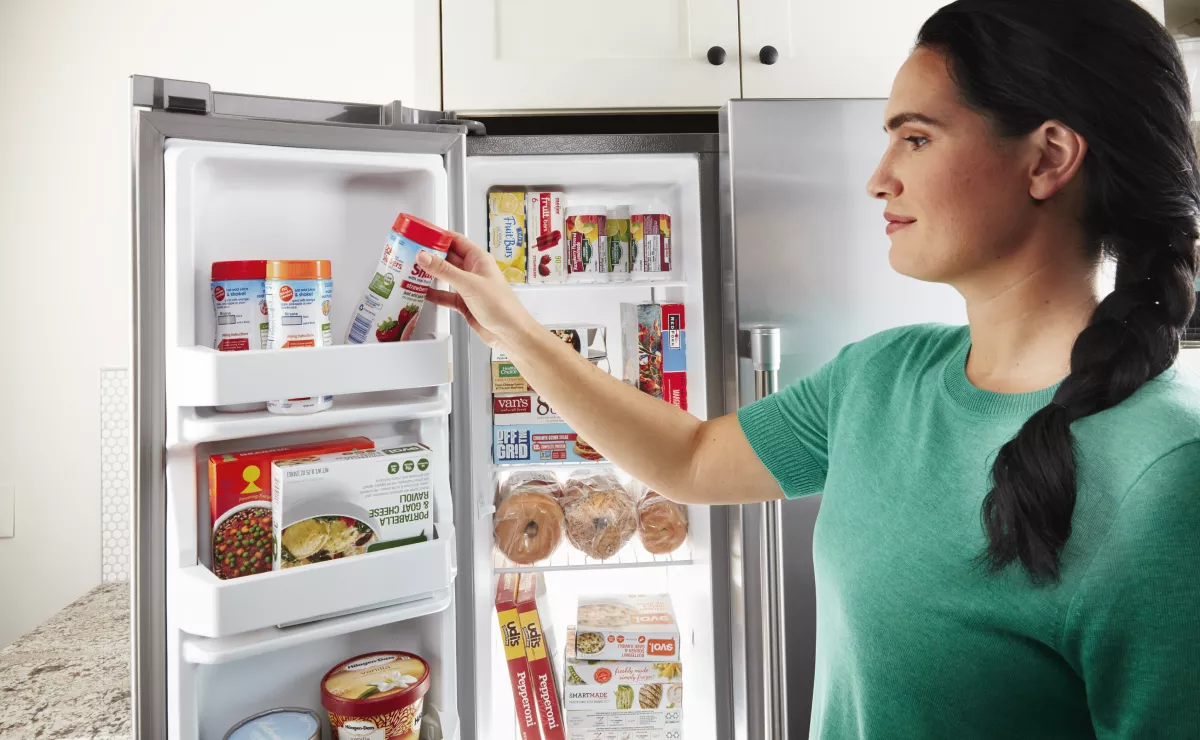
Credit: www.maytag.com
Average Cooling Time For Freezers
Knowing the average cooling time for freezers helps in planning food storage. Freezers need time to reach the right temperature for safe freezing. This time varies based on the freezer type and its condition.
New Freezers
New freezers usually take 4 to 12 hours to get cold. The exact time depends on size and model. Larger freezers often need more time to cool down fully. Most new freezers reach 0°F (-18°C) within half a day. Manufacturers often recommend waiting 24 hours before adding food. This ensures the freezer is stable and cold enough.
Previously Used Freezers
Used freezers generally cool faster than new ones. They have already been chilled and may only take 2 to 6 hours. The time varies depending on how long the freezer was off. If left unplugged for a long time, it might take longer. Cleaning and defrosting also affect cooling time. Ensure the freezer door stays closed to keep the cold air inside.
Quick Cooling Tips
Getting your freezer to chill quickly can save you time and keep your food fresh. There are simple ways to speed up the cooling process without extra cost or complicated tools. These quick cooling tips focus on preparing your freezer and organizing its contents smartly to help you get the cold results faster.
Pre-cooling Techniques
Before you switch on your freezer, try cooling the inside space first. You can place a bowl of ice inside for a couple of hours to lower the temperature quickly. This practice helps the freezer reach its ideal cold setting faster once you start loading it with food.
Also, avoid opening the door frequently during the first few hours. Each time you open it, warm air rushes in, making the freezer work harder and slowing the cooling. Have your items ready to place inside so you can close the door quickly.
Optimal Placement And Organization
Where you place your freezer matters. Keep it away from heat sources like ovens or direct sunlight. A cooler surrounding means the freezer doesn’t have to overwork to maintain low temperatures.
Inside the freezer, organize your food in a way that air can circulate freely. Avoid overpacking, as tight spaces block cold air flow and extend the cooling time. Use baskets or shelves to create clear pathways for air.
Use Of Cold Packs
Adding cold packs or frozen water bottles inside can help your freezer chill faster. These packs act like mini ice blocks, absorbing heat and maintaining low temperatures.
If you’re cooling groceries that are not frozen yet, placing cold packs around them helps lower their temperature quickly. This trick is especially handy after shopping trips or when you need to freeze things fast.
Common Mistakes To Avoid
Many people expect their freezer to get cold instantly. This is not true. Some common mistakes slow down the cooling process. Knowing these errors helps you avoid long wait times and keeps your food fresh.
Overloading The Freezer
Putting too much food in the freezer blocks air flow. Cold air cannot move freely around the items. This makes the freezer work harder and take longer to get cold. Leave space between items for better air circulation. Avoid stuffing the freezer completely full right away.
Frequent Door Opening
Opening the freezer door often lets warm air inside. This raises the freezer’s temperature. The freezer then needs more time to cool down again. Try to open the door only when needed. Plan ahead to reduce how many times you open it.
When To Seek Professional Help
Knowing when to call a professional for your freezer can save you time, money, and the hassle of spoiled food. Sometimes, simple fixes like adjusting the temperature or clearing vents work. But other times, the problem goes deeper and needs expert attention.
Persistent Cooling Issues
If your freezer struggles to get cold even after you’ve checked the door seal and cleaned the coils, it's a warning sign. Continuous poor cooling might mean a failing compressor or a refrigerant leak. These issues aren’t something you can fix on your own without the right tools and knowledge.
Ask yourself: Have you noticed the freezer running non-stop without reaching the desired temperature? If yes, it’s time to reach out to a technician. Ignoring this can lead to higher energy bills and food spoilage, which is more costly in the long run.
Unusual Noises Or Malfunctions
Strange sounds like buzzing, clicking, or rattling coming from your freezer should not be overlooked. These noises can indicate problems with the motor, fan, or ice maker components. When you hear consistent odd noises, it’s a clear sign something isn’t working correctly.
Also, if your freezer displays error codes or malfunctions such as failing to defrost automatically, professional help is necessary. These issues might seem minor at first but can quickly turn into major repairs if left untreated.

Credit: wilshirerefrigeration.com
Frequently Asked Questions
How Long Does A Freezer Take To Reach Freezing Temperature?
A typical freezer takes about 4 to 12 hours to reach its freezing temperature. This varies by model, size, and initial temperature. Avoid opening the door during this time for faster cooling and energy efficiency.
What Factors Affect Freezer Cooling Time?
Freezer cooling time depends on size, brand, ambient temperature, and how full it is. Larger freezers and warmer room temperatures take longer. A fully stocked freezer cools faster than an empty one.
Can A Freezer Cool Faster When Fully Loaded?
Yes, a fully loaded freezer cools faster because frozen items help maintain low temperatures. However, avoid overpacking as it may block air circulation and reduce efficiency.
Is It Normal For A New Freezer To Take Hours To Cool?
Yes, new freezers typically take several hours to cool down completely. This is normal as the compressor and refrigerant need time to stabilize for optimal performance.
Conclusion
A freezer usually takes several hours to become cold enough. This time depends on the size and model of the freezer. Keeping the door closed helps it cool faster. Avoid putting hot food inside immediately. Patience is key for the best results.
A cold freezer preserves your food safely. Remember, a steady temperature keeps food fresh longer. Check the manual for exact cooling times. Proper care ensures your freezer works well for years.