Have you ever opened your freezer, eager for a cold drink, only to find no ice ready? You might wonder, how long does it actually take for your refrigerator to make ice?
Knowing this can save you time and frustration. You'll discover the typical ice-making timeline, tips to speed up the process, and how to troubleshoot common issues. Keep reading to make sure your ice is always ready when you need it.
Ice Making Basics
Understanding the basics of how your refrigerator makes ice can save you time and frustration. Ice making is not instant—it depends on several factors that influence how quickly you get those cool cubes. Knowing the process helps you set realistic expectations and troubleshoot if your ice maker seems slow.
How Ice Makers Work
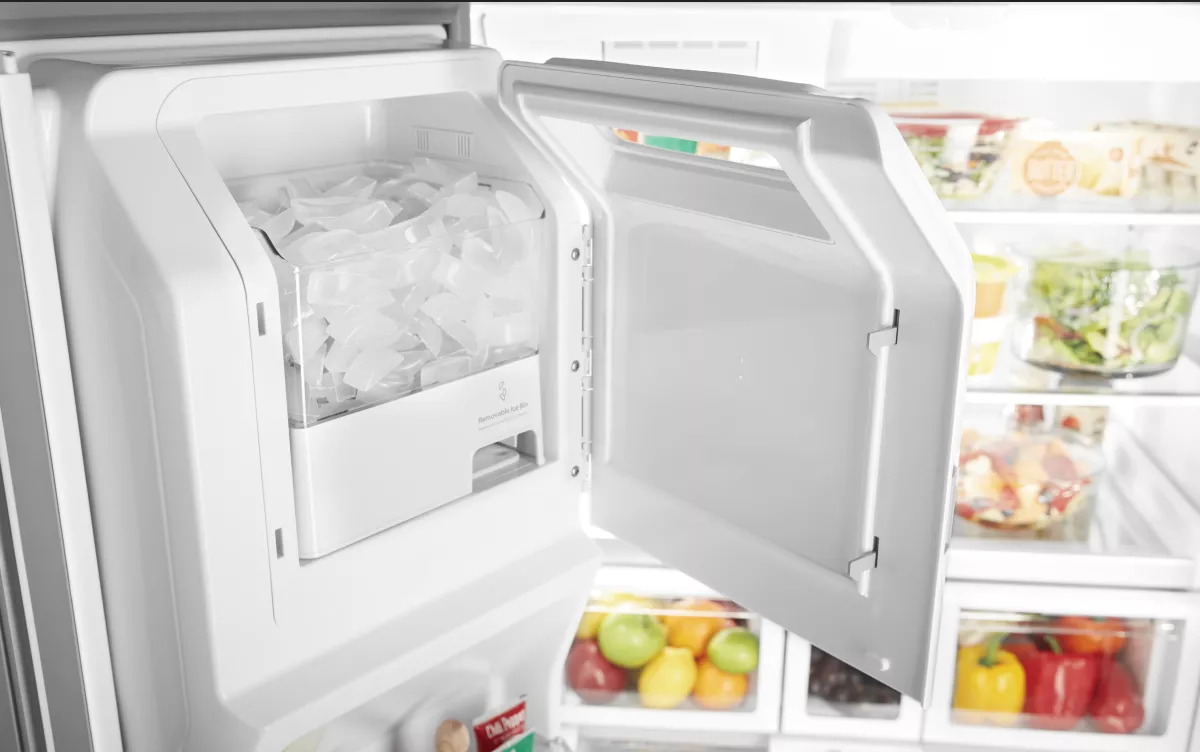
Your refrigerator’s ice maker operates through a simple yet precise cycle. First, water flows into a mold or tray inside the freezer compartment. The freezer cools this water until it freezes solid.
Once the ice cubes are ready, a heating element slightly warms the mold to loosen the cubes. Then, a mechanical arm or ejector pushes the ice into a storage bin, making room for the next batch. This process repeats continuously as long as the ice maker is turned on and supplied with water.
Factors Affecting Ice Production
Several key factors can speed up or slow down ice production. The temperature of your freezer plays a major role—if it’s too warm, ice forms much slower. Ideally, your freezer should be set between 0°F (-18°C) and 5°F (-15°C).
Water quality and supply also matter. Hard water can cause mineral buildup inside the ice maker, reducing efficiency. A slow or interrupted water supply means your ice maker won’t have enough water to freeze.
- Freezer temperature:Keep it cold enough for faster freezing.
- Water supply:Ensure constant flow and check for clogs.
- Ice maker condition:Clean regularly to prevent blockages.
- Usage patterns:Frequent ice removal or heavy use affects production speed.
Have you noticed your ice maker working slower after a power outage or long vacation? It might be adjusting to the temperature or water flow again. Paying attention to these details can help you get ice faster and avoid surprises when you need it most.
Credit: www.whirlpool.com
Typical Ice Making Time
Understanding how long a refrigerator takes to make ice helps set the right expectations. Ice-making time depends on various factors such as the freezer temperature and the ice maker type. Typically, most refrigerators produce ice within a reasonable time frame.
Average Time Frame
On average, a refrigerator takes about 3 to 4 hours to make the first batch of ice. Each tray usually fills with ice cubes every 90 to 120 minutes after the first batch. The freezer must be at or below 0°F (-18°C) for optimal ice production. Keep in mind that the initial ice production might take longer if the freezer just reached the right temperature.
Variations By Refrigerator Model
Different refrigerator models have different ice-making speeds. Compact or mini fridges often take longer, sometimes up to 6 hours for the first ice batch. Modern models with advanced ice makers can produce ice faster, sometimes in as little as 45 minutes. Some refrigerators allow adjustable settings to speed up or slow down ice production. Built-in ice makers usually work faster than ice trays placed inside the freezer. Always check the user manual for specific ice-making times for your model.
Speeding Up Ice Production
Waiting for your refrigerator to produce ice can sometimes feel longer than expected. Luckily, there are ways to speed up the process so you get ice faster. Small adjustments can make a big difference in how quickly your ice trays fill up.
Optimal Temperature Settings
Setting your freezer temperature correctly is key. Aim for a temperature around 0°F (-18°C) to ensure ice forms quickly and solidly.
If your freezer is set too warm, ice production slows down. Too cold, and your refrigerator might use extra energy without much benefit. Find the sweet spot by checking your freezer’s temperature dial or digital display.
Have you noticed your ice trays taking longer after adjusting the temperature? Sometimes even a one or two degree change can speed things up noticeably.
Ensuring Proper Water Supply
Ice starts with water, so the quality and flow of your water supply matters. Make sure the water line connected to your ice maker is free of kinks or blockages.
If water flows slowly, ice trays fill slowly. Check filters regularly and replace them if clogged, as dirty filters reduce water flow and slow ice production.
Think about the last time you replaced your water filter—did your ice start coming out faster afterward? Keeping the water supply clean and steady helps your ice maker work at top speed.
Common Ice Maker Issues
Common ice maker issues can delay ice production or stop it completely. Understanding these problems helps keep your ice maker working well. Many factors affect how fast your refrigerator makes ice. Some issues are simple to fix at home. Others might need professional help.
Why Ice Takes Longer
Ice takes longer due to several reasons. The freezer might not be cold enough. Check if the temperature is below 0°F (-18°C). A warm freezer slows down ice formation.
Low water pressure can reduce ice output. The ice maker needs enough water flow to fill trays fast. A clogged water filter blocks water supply. Old or dirty filters cause this problem.
Ice maker parts can wear out. A broken motor or sensor stops ice production. Frost buildup inside the ice maker also slows the process.
Troubleshooting Tips
- Check freezer temperature and adjust it if needed.
- Replace water filter every 6 months or as recommended.
- Clear frost or ice blockages in the ice maker area.
- Inspect water supply line for kinks or leaks.
- Reset the ice maker by turning it off and on again.
- Clean the ice bin and ice mold regularly to prevent jams.
Maintenance Tips
Proper maintenance ensures your refrigerator's ice maker works efficiently. Regular upkeep can prevent common issues and extend its lifespan. Here are some essential maintenance tips for keeping your ice maker in top shape.
Cleaning Ice Makers
Regular cleaning prevents mold and mineral build-up. Use warm water and mild detergent. Remove the ice bin and wash it thoroughly. Wipe the ice maker's interior with a soft cloth. Avoid harsh chemicals that might damage the machine.
Let the parts dry completely before reassembling. This ensures no moisture causes ice to stick or jam.
Regular Inspections
Frequent inspections help catch issues early. Check the water line for leaks or blockages. Examine the ice maker's components for signs of wear or damage.
Listen for unusual sounds indicating problems. Addressing these promptly can prevent costly repairs.

Credit: www.dtappliance.com

Credit: codysappliancerepair.com
Frequently Asked Questions
How Long Does A Refrigerator Take To Make Ice?
A refrigerator typically takes about 3 to 4 hours to produce its first batch of ice cubes. After initial freezing, it usually makes a new batch every 90 minutes. This timing depends on the model, freezer temperature, and ice tray size.
Why Is My Refrigerator Ice Taking Longer To Freeze?
Ice may take longer due to high freezer temperature or frequent door openings. Dirty condenser coils and an old ice maker can also slow ice production. Ensure the freezer is set to 0°F (-18°C) for optimal ice making.
How Can I Speed Up Ice Production In My Fridge?
To speed up ice making, keep the freezer door closed as much as possible. Set the freezer temperature to 0°F (-18°C) and regularly clean the ice maker and condenser coils. Using smaller ice trays also helps produce ice faster.
When Should I Expect Ice Replenishment In My Fridge?
After the first batch, refrigerators usually make ice every 90 minutes. However, this varies by model and freezer settings. If ice production is slower, check the temperature and ensure the ice maker is functioning properly.
Conclusion
The time for a refrigerator to make ice depends on several factors. Most models take about 3 to 4 hours to produce the first batch. The freezer temperature and ice maker quality also matter. Keep the door closed to help the process.
Regular maintenance ensures faster ice production. Now you know what to expect with your ice maker. Patience pays off for fresh, clear ice every time.