Have you ever wondered how long it really takes for your freezer to get cold? Whether you just bought a new freezer or unplugged the old one, knowing the exact time can save you from spoiled food and wasted energy.
You want your freezer to reach the perfect temperature quickly, but there’s more to it than just flipping the switch. You’ll discover the key factors that affect cooling time and simple tips to speed up the process. Keep reading to make sure your freezer works efficiently and your food stays fresh!
Credit: www.coastappliances.ca
Factors Affecting Freezer Cooling Time
The time a freezer takes to reach its coldest temperature depends on several factors. These factors influence how quickly the cooling system works and how long it takes to stabilize the inside temperature. Understanding these elements helps set the right expectations and ensures efficient freezer use.
Size And Capacity
Larger freezers need more time to cool down than smaller ones. The bigger the space inside, the more air and surfaces the freezer must chill. Freezers with a large capacity also contain more air, which takes longer to cool. A compact freezer reaches its set temperature faster because there is less volume to cool.
Initial Temperature
The starting temperature inside the freezer affects cooling time. A freezer that starts at room temperature takes longer to cool than one already cold. If the freezer has been off for some time, it needs extra time to lower the temperature from warm to freezing levels. The colder the starting point, the quicker it will reach the desired temperature.
Ambient Room Temperature
The temperature of the room around the freezer impacts its cooling speed. A warm room makes the freezer work harder and slows down cooling. Cooler room temperatures help the freezer reach its set point faster. Placing the freezer in a hot kitchen or near heat sources can delay the cooling process.
Frequency Of Door Opening
Opening the freezer door often lets warm air inside. This warm air increases the temperature and forces the freezer to cool again. Frequent door openings extend the time needed to reach the coldest temperature. Keeping the door closed as much as possible helps maintain low temperatures quickly.
Standard Cooling Timeframes
Understanding the standard cooling timeframes for your freezer helps you plan better and avoid food spoilage. Different situations affect how quickly your freezer reaches the desired temperature. Knowing these timeframes lets you manage your expectations and optimize the appliance’s performance.
New Freezer Initial Cooling
When you first plug in a new freezer, it doesn’t instantly reach freezing temperatures. Typically, it takes about 4 to 24 hours for a new unit to cool down properly.
Many people get frustrated waiting, but this gradual cooling ensures the compressor and internal systems stabilize. Avoid loading the freezer immediately; let it reach the right temperature first to keep your food safe.
After Power Outage
A power outage can disrupt your freezer’s cold environment, but how long it takes to cool back down depends on the duration of the outage and the freezer’s size.
Usually, a freezer takes 4 to 12 hours to return to the optimal temperature after power is restored. Keep the door closed during this time to maintain cold air inside and speed up the recovery process.
Post-defrosting Period
Defrosting your freezer is necessary but also means you’ll need to wait before it gets cold again. This cooling period generally lasts between 2 to 6 hours depending on the defrost method used.
During this time, avoid adding fresh food immediately, as this can raise the internal temperature and extend the cooling process. Patience here protects your food from spoilage and ensures your freezer runs efficiently.
Quick Cooling Tips
Getting your freezer cold quickly can save you time and keep your food fresh faster. Small changes in how you prepare and organize your freezer can make a big difference. Here are some quick cooling tips that can help your freezer reach the right temperature sooner.
Pre-chill Items
Before placing food in the freezer, cool it down in the fridge. This reduces the heat load inside the freezer, allowing it to get cold faster.
Think about how hot leftovers feel when you put them directly into the freezer. That warm air inside the freezer makes the compressor work harder and slows cooling.
By pre-chilling, you ease the freezer’s workload and speed up the cooling process.
Optimize Air Circulation
Air must flow freely to cool your freezer evenly. Avoid blocking vents or stuffing items tightly together.
When air circulates well, cold air reaches every corner faster, preventing warm spots.
Try leaving space between items and arranging shelves neatly. You’ll notice your freezer cools more efficiently.
Set Correct Temperature
Check the thermostat and set the freezer to about 0°F (-18°C). This is the ideal temperature for freezing and maintaining food quality.
Setting it colder won’t make your freezer cool faster and can waste energy.
Adjusting to the correct temperature helps your freezer stabilize quickly and keeps food safe.
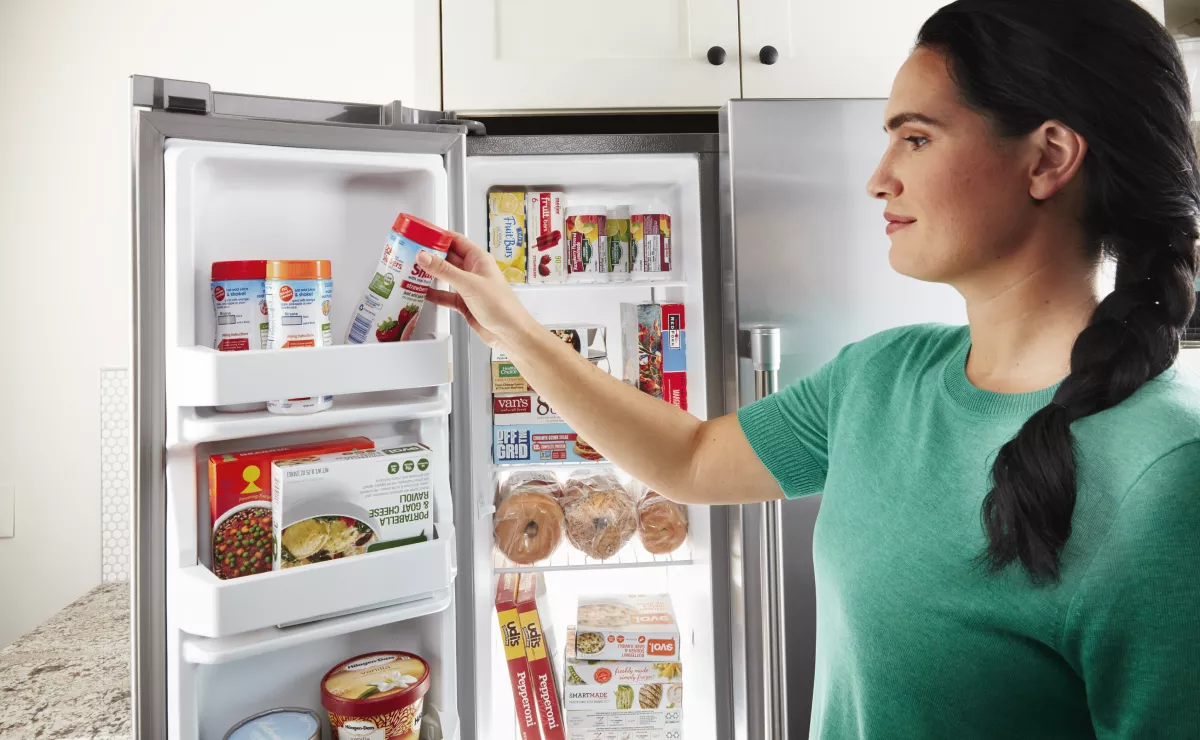
Avoid Overloading
It might seem like a good idea to fill your freezer completely, but overloading slows cooling.
Too many items block airflow and prevent cold air from circulating properly.
Keep some space free so air can move. You’ll find your freezer reaches the right temperature faster, and food freezes evenly.

Credit: wilshirerefrigeration.com
Signs Of Efficient Cooling
Knowing the signs of efficient cooling helps ensure your freezer works well. Efficient cooling means the freezer reaches the right temperature quickly and keeps it steady. This saves energy and keeps your food fresh longer. Watch for these key signs to know your freezer cools properly.
Frost Formation Indicators
Light frost on freezer walls shows the cooling system is active. Frost appears as a thin, white layer inside the freezer. Too much frost means the freezer might be working too hard or the door seal is faulty. No frost at all could indicate a cooling problem. Proper frost formation means the freezer is cold enough but not overworking.
Consistent Temperature Maintenance
Efficient cooling keeps the freezer temperature steady over time. The ideal freezer temperature is around 0°F (-18°C). Sudden temperature changes can spoil food and waste energy. Use a freezer thermometer to check the temperature regularly. Consistency means the freezer compressor and thermostat work correctly.
Reduced Ice Build-up
Minimal ice build-up inside the freezer shows good cooling performance. Ice forms when warm air enters the freezer or when moisture builds up. Excess ice blocks airflow and reduces cooling efficiency. Defrosting occasionally helps prevent ice build-up. A freezer with little ice uses less energy and cools faster.
Troubleshooting Cooling Delays
Waiting for your freezer to reach the right temperature can be frustrating, especially when it takes longer than expected. Troubleshooting cooling delays helps you identify the root cause and fix issues quickly. Understanding what to check can save you time and avoid costly repairs.
Check Seal Integrity
Your freezer door seal plays a crucial role in keeping cold air inside. If the seal is damaged or dirty, warm air sneaks in, making the freezer work harder and cool slower.
Run your hand along the gasket to feel for leaks or gaps. You can also place a piece of paper in the door and close it—if it slides out easily, the seal isn’t tight enough.
Replacing or cleaning the seal is often a simple fix that improves cooling speed significantly.
Inspect Compressor Functionality
The compressor is the heart of your freezer’s cooling system. If it’s not running properly, the freezer can take hours to get cold or fail to cool at all.
Listen for unusual noises like clicking or buzzing, which may signal compressor trouble. Also, check if the compressor feels excessively hot—this could mean it's overworking or failing.
Sometimes a dirty condenser coil near the compressor affects its efficiency. Cleaning it might speed up the cooling process.
Thermostat Calibration
Your freezer’s thermostat controls the temperature setting. If it’s miscalibrated, your freezer might not reach the desired cold level on time.
Test the thermostat by setting it to the coldest setting and checking if the freezer cools faster. If not, the thermostat could be faulty or need adjustment.
Replacing a malfunctioning thermostat is a straightforward step that often resolves cooling delays.
Credit: www.maytag.com
Frequently Asked Questions
How Long Does A Freezer Take To Reach Freezing Temperature?
A typical freezer takes about 4 to 12 hours to reach its ideal freezing temperature. This depends on the size and model. Newer freezers usually cool faster due to improved technology and insulation.
What Factors Affect Freezer Cooling Speed?
Freezer cooling speed depends on factors like room temperature, door openings, and initial food temperature. Proper ventilation and not overloading the freezer also help it cool faster.
Can You Speed Up The Freezing Process?
Yes, placing smaller items and pre-chilled food inside helps. Avoid frequent door openings and ensure the freezer is clean and defrosted for efficient cooling.
Is It Normal For Freezers To Take Several Hours To Get Cold?
Yes, it is normal. Freezers need time to stabilize temperature and reach the set point, especially when first plugged in or after being defrosted.
Conclusion
A freezer usually takes several hours to get cold. Small freezers cool faster than large ones. Keeping the door closed helps speed up cooling. Setting the right temperature is important too. Avoid putting warm food inside right away. Patience is key for the freezer to reach the right cold level.
This helps keep your food fresh and safe. Remember, a cold freezer saves your groceries better. Check the manual for specific times and tips. Your freezer will work best with proper care.