Have you ever placed something in your freezer and wondered, “How long will it actually take to freeze?” Whether you’re storing leftovers, prepping meals, or preserving fresh ingredients, knowing the freezing time can save you from frustration and wasted food. Understanding how your freezer works and the factors that affect freezing speed can help you plan better and keep your food fresh longer.
You’ll discover exactly how long it takes for different items to freeze and get practical tips to make the process faster and more efficient. Keep reading to take full control of your freezer and make the most out of your frozen goods!
Credit: www.maytag.com
Factors Affecting Freezing Time
Freezing time varies more than most people realize. Several factors affect how quickly your freezer can turn fresh food into solid ice. Understanding these elements helps you manage expectations and avoid unpleasant surprises like soggy meals or overly long wait times.
Freezer Size And Capacity
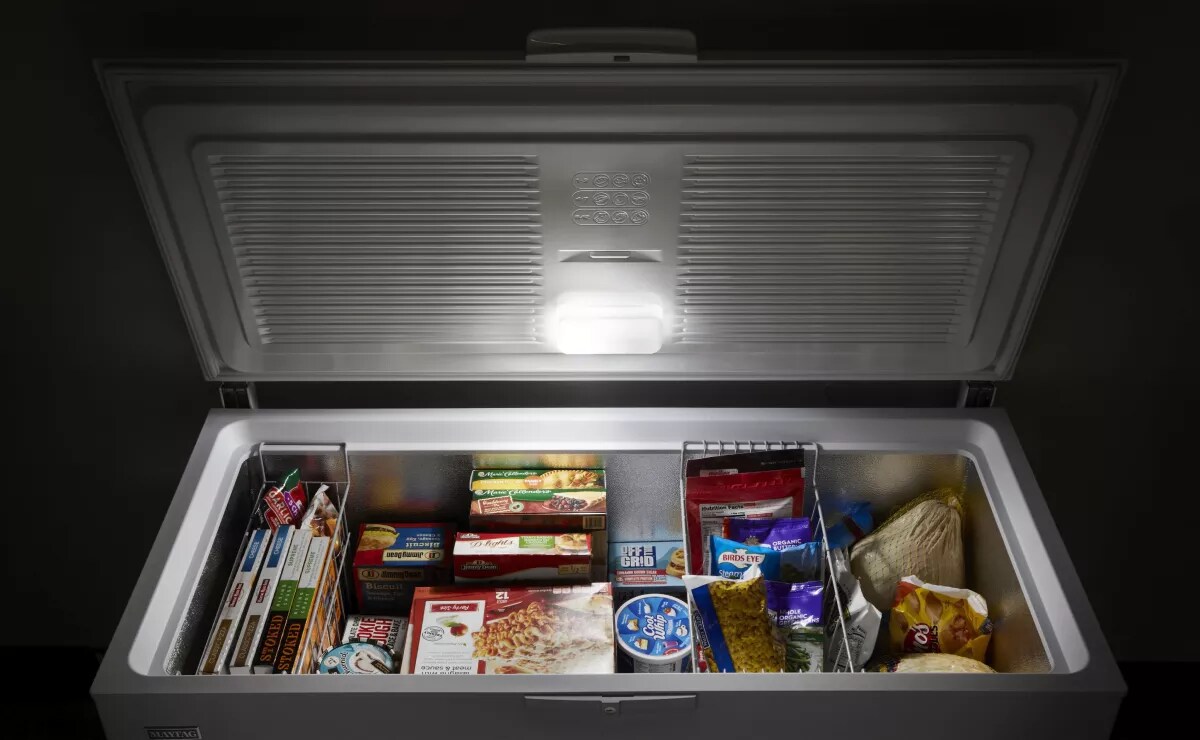
The size of your freezer plays a big role in freezing speed. A large freezer takes longer to cool down completely, especially if it’s packed with many items. Overfilling your freezer restricts airflow, which slows the freezing process.
Think about your last grocery haul—did you cram everything inside right away? Giving your freezer space to breathe speeds up freezing. So, try to arrange items with some gaps to let cold air circulate freely.
Ambient Temperature
Where your freezer lives matters more than you might guess. If it’s in a warm kitchen or garage during summer, the outside heat forces the freezer to work harder. This extra effort means it takes longer to freeze your food.
Have you noticed your freezer running nonstop during hot days? That’s why ambient temperature is key. Placing your freezer in a cool, shaded spot can reduce freezing time and save energy.
Type Of Freezer
Not all freezers freeze at the same speed. Upright freezers and chest freezers have different designs that influence how cold air moves inside. Chest freezers usually keep a more consistent temperature but might take longer to freeze new items.
Modern freezers often have fast-freeze settings that crank down temperatures quickly. If your freezer has this feature, use it when you want to freeze large batches fast. What type of freezer do you have, and have you noticed a difference in freezing times?
Typical Freezing Times
Freezing times vary widely depending on the type of freezer you use. Understanding these differences can help you plan your meals better and avoid those frustrating moments when your food isn’t frozen solid. Let’s break down the typical freezing times for different freezers so you know what to expect.
Standard Freezers
Most household refrigerators come with a standard freezer compartment. These freezers usually operate at around 0°F (-18°C). On average, it takes about 4 to 6 hours to freeze a standard-sized meal or a couple of pounds of food.
If you place a large quantity of fresh food at once, expect longer freezing times. Smaller items like ice cubes or single servings may freeze in 2 to 3 hours. Have you noticed how your freezer slows down when it’s packed full? That’s because air circulation is limited.
Deep Freezers
Deep freezers, also called chest or upright freezers, are designed to freeze food faster and maintain lower temperatures, often around -10°F to -20°F (-23°C to -29°C). These freezers can freeze a few pounds of food within 2 to 4 hours.
Because of their size and temperature control, deep freezers are great for bulk storage and long-term freezing. If you want your food frozen quickly, a deep freezer is a solid option. Have you ever tried freezing homemade broth or large cuts of meat? A deep freezer will handle those much better.
Mini Freezers
Mini freezers are compact and perfect for small spaces or limited use. However, they usually have less efficient cooling systems and higher internal temperatures, often around 5°F (-15°C). This means freezing times can extend to 6 to 12 hours for a similar amount of food.
Mini freezers work well for snacks or small batches, but they struggle with large or dense items. If you rely on a mini freezer, consider freezing smaller portions to speed up the process. Have you ever been surprised by how long it took for ice cream to harden in a mini freezer? That’s a common experience.
Speeding Up The Freezing Process
Speeding up the freezing process saves time and keeps food fresh. Adjusting a few factors helps your freezer work faster and better. Simple changes can reduce the wait and improve results.
Optimal Temperature Settings
Set the freezer temperature between -18°C and -20°C (0°F to -4°F). This range freezes food quickly without overworking the appliance. Avoid setting it too cold. It wastes energy and can cause frost buildup.
Check the temperature regularly with a freezer thermometer. Adjust settings if needed to maintain consistent coldness.
Proper Air Circulation
Good airflow inside the freezer moves cold air evenly. Avoid blocking vents with large items or tightly packed food.
- Leave space between items for air to flow.
- Do not overfill the freezer.
- Arrange food in small, flat packages.
Proper circulation cools food faster and prevents warm spots.
Efficient Loading Techniques
Place warm food in smaller portions. Large or thick items take longer to freeze.
Cool food before freezing if possible. Putting hot items inside slows the freezing process.
Use shallow containers or wrap food flat. This increases surface area and speeds freezing.
Common Mistakes To Avoid
Freezing your food quickly and properly depends a lot on how you use your freezer. Some common mistakes can slow down the freezing process, wasting energy and sometimes affecting the quality of your food. Avoiding these errors can help you freeze items faster and keep them fresh longer.
Overloading The Freezer
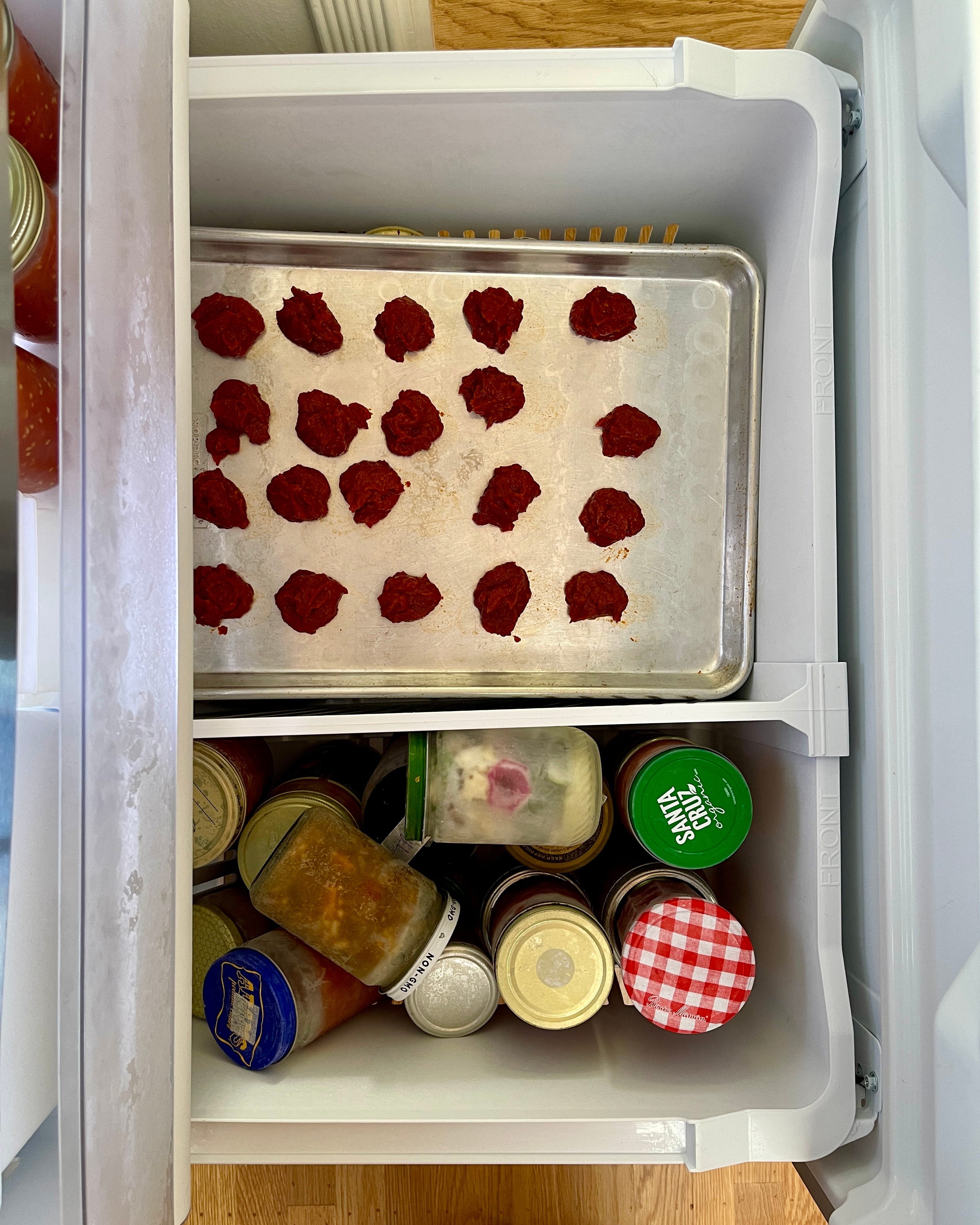
Filling your freezer too full blocks the cold air from circulating properly. When air can’t move freely, the freezer takes longer to lower the temperature of all items. You might think packing more food saves time, but it actually slows down freezing.
Try to leave some space between items. This small change helps cold air flow and speeds up the freezing process. Have you noticed some parts of your freezer always feel warmer? It could be because it’s overloaded.
Frequent Door Opening
Opening the freezer door often lets warm air inside, raising the internal temperature. Every time you open the door, the freezer has to work extra hard to cool down again. This not only delays freezing but also increases energy use.
Plan ahead by grouping what you need before opening the door. Ask yourself: Can I grab everything in one go? Minimizing door openings keeps the temperature stable and helps your food freeze faster.
Improper Ventilation
Freezers need space around them to release heat efficiently. If your freezer is pushed tight against walls or enclosed in a small cabinet, it can’t cool down properly inside. This reduces its freezing power.
Check the manufacturer’s guidelines for clearance space. Giving your freezer enough room behind and around it improves airflow and performance. Do you have enough ventilation space for your freezer?
Signs Your Freezer Is Functioning Properly
Knowing if your freezer works well is important for food safety. A properly functioning freezer keeps food fresh and prevents spoilage. Some clear signs show your freezer is doing its job right. These signs help you understand if the freezer is freezing fast and evenly. Watch for these indicators to ensure your freezer runs efficiently.
Consistent Ice Production
Ice trays fill up at a steady pace. Ice cubes form clear and solid. No slow freezing or watery ice shows good performance. Consistent ice means the freezer maintains the right temperature. It signals the cooling system works properly.
Uniform Freezing Of Foods
Foods freeze evenly throughout the freezer. No soft spots or thawed areas appear. Meat, vegetables, and leftovers harden at the same rate. Uniform freezing preserves food quality and taste. It shows the freezer circulates cold air well.
Minimal Frost Build-up
Frost forms slowly or not at all on walls and shelves. Excess frost can block air vents and reduce efficiency. Minimal frost means the freezer seals tightly. It also indicates the defrost system works correctly. Less frost keeps the freezer clean and saves energy.
Credit: zerowastechef.substack.com

Credit: hpj.com
Frequently Asked Questions
How Long Does A Standard Freezer Take To Freeze Food?
A standard freezer usually takes about 3 to 4 hours to freeze food completely. The exact time depends on food size and freezer temperature. Setting the freezer to 0°F (-18°C) helps ensure quick freezing and food safety.
What Affects Freezing Time In A Household Freezer?
Freezing time depends on food quantity, size, initial temperature, and freezer efficiency. Larger or warm items take longer. Proper airflow and avoiding overcrowding speed up the process. Consistent freezer temperature is crucial for fast freezing.
Can Freezing Time Be Reduced For Fresh Meat?
Yes, freezing time for fresh meat can be reduced by dividing it into smaller portions. Wrap tightly to avoid freezer burn. Setting the freezer to the coldest safe temperature also helps meat freeze faster and maintain quality.
Is It Safe To Freeze Food Quickly?
Freezing food quickly is safe and helps preserve nutrients and texture. Rapid freezing minimizes ice crystal formation, preventing damage to food cells. Always use proper packaging to avoid contamination and freezer burn during fast freezing.
Conclusion
Freezers usually take several hours to freeze food completely. Small items freeze faster than large ones. The temperature setting affects freezing time a lot. Keep the freezer door closed to speed up freezing. Always pack food properly to help it freeze evenly.
Knowing how long freezing takes helps plan meals better. This way, you avoid eating food that is not fully frozen. Remember, patience makes frozen food safe and tasty. Freezing food right keeps it fresh for longer.