Have you ever wondered how long it takes for your freezer to get cold after you plug it in? You might be eager to store your groceries or freeze leftovers, but knowing the right waiting time can save you from spoiled food and wasted energy.
You’ll discover exactly what affects your freezer’s chilling speed and how to make sure it reaches the perfect temperature as quickly as possible. Keep reading to learn the simple tips that will help you get the most out of your freezer every time.
Credit: www.maytag.com
Factors Affecting Freezer Cooling Time
Understanding the factors that influence how long a freezer takes to get cold can help you manage expectations and improve efficiency. Several variables come into play, from the size of your freezer to the environment it's in. Knowing these can guide you in making better choices for your kitchen setup and freezer use.
Freezer Size And Capacity
Larger freezers naturally take more time to reach the desired temperature because there's more air and space to cool. If you just bought a big freezer, don’t be surprised if it takes several hours to get cold.
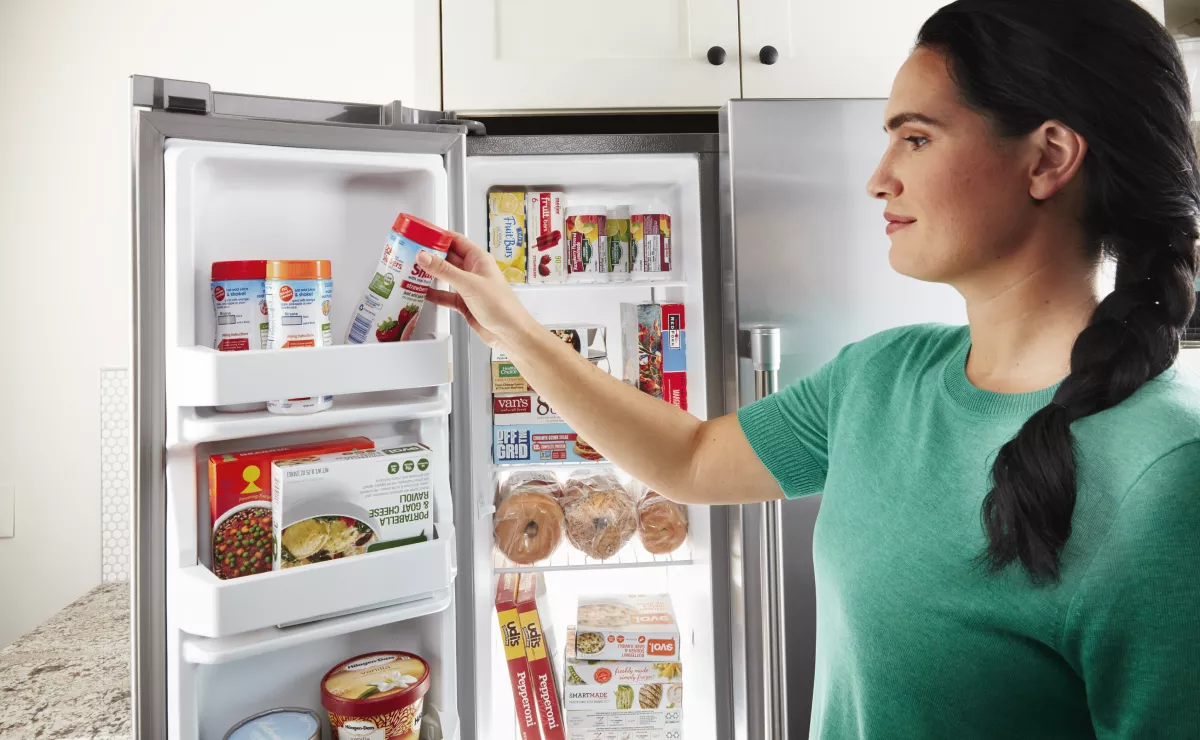
Also, a fully packed freezer cools faster than an empty one because frozen items help keep the temperature down. Think about your own freezer: have you noticed it cooling quicker when it’s stocked?
Ambient Room Temperature
The temperature of the room where your freezer sits makes a big difference. If your kitchen is warm or exposed to sunlight, the freezer has to work harder and longer to get cold.
On the other hand, placing your freezer in a cooler spot like a basement or shaded area can speed up the cooling process. Have you checked the temperature around your freezer lately?
Freezer Type And Model
Not all freezers are created equal. Modern models with advanced insulation and efficient compressors cool down faster than older or basic units. Energy-saving features can also impact cooling time.
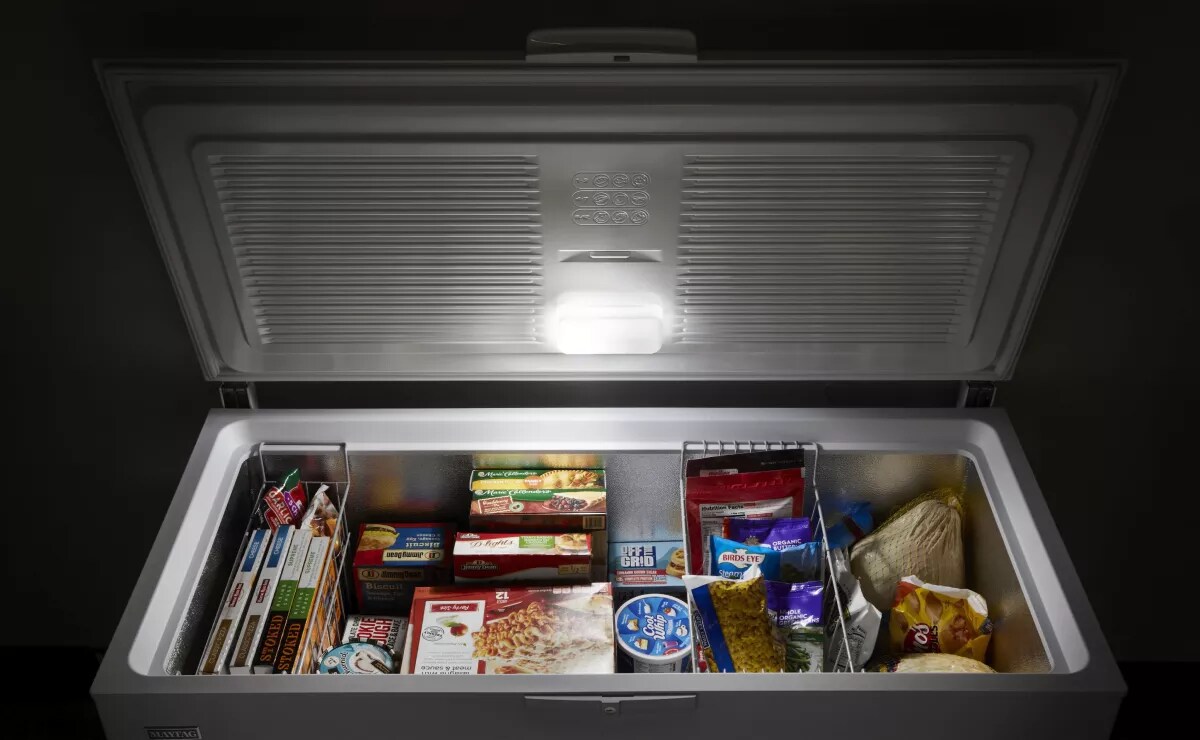
For example, chest freezers often reach cold temperatures faster than upright models because cold air stays trapped inside more easily. What kind of freezer do you have, and how quickly does it cool?
Credit: www.maytag.com
Initial Setup And Preparation
Getting your freezer cold fast depends a lot on how you set it up at first. The initial setup and preparation can make a big difference in cooling time. Taking the right steps before turning it on helps the freezer reach the right temperature efficiently. Two key factors to focus on are where you place the freezer and how you set its temperature controls.
Proper Positioning
Place the freezer in a cool, dry spot away from heat sources. Avoid direct sunlight and keep it away from ovens or heaters. Leave space around the freezer for good air circulation. This helps the cooling system work better and faster. A cramped or warm area slows down the cooling process.
Initial Temperature Settings
Set the freezer to the recommended temperature before loading it with food. The ideal freezer temperature is usually around 0°F (-18°C). Do not set it too cold at first, as this can strain the compressor. Adjust the settings slowly if needed to reach the perfect freezing point. Correct initial settings help the freezer cool efficiently and keep food safe.
Quick Cooling Techniques
Quick cooling techniques help your freezer reach the right temperature faster. This saves energy and keeps food fresh. Small changes in how you store items can improve airflow and temperature balance. These tips make your freezer work more efficiently.
Pre-chill Items Before Storage
Cool food in the fridge before putting it in the freezer. Warm items raise the freezer's temperature and slow cooling. Pre-chilling helps maintain a steady cold environment. This step reduces frost buildup and saves energy.
Leave Space For Air Circulation
Don't pack the freezer too tightly. Leave gaps between items so cold air can move freely. Good airflow helps the freezer cool evenly and quickly. Avoid blocking vents or stacking items against the walls.
Use Ice Packs Or Ice Trays
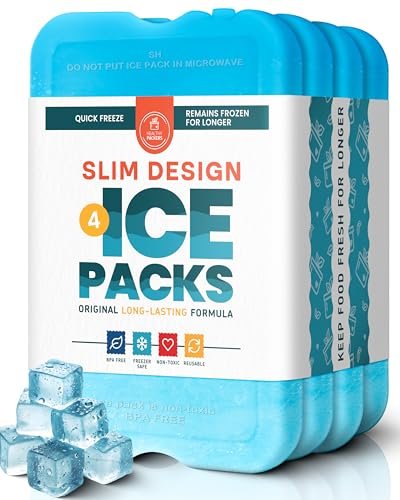
Place ice packs or trays in the freezer to lower the temperature faster. They absorb heat from new items and speed up cooling. Ice packs are especially useful during power outages. Keep some ready to use for quick cooling needs.
Maintenance Tips For Efficient Cooling
Keeping your freezer cold efficiently doesn’t just happen on its own. Proper maintenance plays a key role in how quickly your freezer reaches the right temperature and keeps your food fresh. Simple habits can save you time and energy while extending the life of your appliance.
Regular Defrosting
Frost buildup slows down cooling and forces your freezer to work harder. If you notice a thick layer of ice inside, it’s time to defrost. You can defrost manually by unplugging the freezer and letting the ice melt, or use the automatic defrost feature if your model has one.
How often you need to defrost depends on usage, but checking every few months is a good start. Removing frost keeps air circulating properly and speeds up the cooling process.
Check Door Seals
Your freezer door seals, or gaskets, keep cold air trapped inside. If these seals are damaged or dirty, cold air escapes, making your freezer work overtime. Run your hand along the edges to feel for any air leaks or gaps.
Cleaning seals with warm soapy water can improve their grip. If you find cracks or tears, replacing the seal can make a big difference in cooling efficiency.
Clean Condenser Coils
Condenser coils at the back or bottom of your freezer remove heat from inside. Dust and dirt on these coils reduce their ability to cool effectively. Use a vacuum or a coil brush to clean them at least twice a year.
Keeping coils clean not only speeds up cooling but also lowers your electricity bill. Have you checked your coils lately? It might be the hidden reason your freezer takes longer to get cold.
Signs Of Cooling Issues
Noticing signs of cooling problems early can save your freezer and food. Cooling issues affect how fast your freezer gets cold. These signs hint at deeper problems with your appliance. Recognizing them helps prevent spoilage and costly repairs.
Inconsistent Temperature
Fluctuating freezer temperatures harm food quality. Sometimes the freezer feels cold, other times warm. This inconsistency means the cooling system struggles to maintain a steady cold. Food may thaw and refreeze, causing spoilage and freezer burn.
Frost Buildup
Excess frost inside the freezer blocks air flow. This buildup forces the freezer to work harder to stay cold. Frost can form on walls, shelves, or around the door seal. It signals a problem with defrost cycles or door sealing issues.
Unusual Noises
Strange sounds often come from mechanical troubles. Loud humming, buzzing, or clicking means the compressor or fans might fail. These noises show the freezer is struggling to cool properly. Ignoring them can lead to complete breakdown.
When To Seek Professional Help
Knowing when to seek professional help for your freezer saves time and prevents bigger problems. Some issues are simple fixes, but others need expert care. Ignoring serious signs can lead to costly repairs or food spoilage. Watch for warning signals that show a technician’s touch is necessary.
Persistent Cooling Problems
Freezers should get cold within a few hours. If your freezer stays warm or takes too long, this is a red flag. Check the door seal and airflow first. Persistent cooling issues might mean a deeper problem inside. A professional can diagnose and fix these hidden faults.
Electrical Issues
Flickering lights, tripped breakers, or no power at all point to electrical trouble. These problems can be dangerous and cause the freezer to stop working. Avoid DIY fixes on electrical parts. Call a certified technician to handle wiring and power problems safely.
Component Malfunctions
Freezers rely on many parts, like compressors and fans. If these parts fail, the freezer won’t cool properly. Strange noises, frost buildup, or water leaks can signal component issues. Trained technicians have tools and skills to repair or replace faulty parts correctly.
Credit: www.whirlpool.com
Frequently Asked Questions
How Long Does A Freezer Take To Reach Freezing Temperature?
A typical freezer takes about 4 to 12 hours to reach 0°F (-18°C). This depends on size, model, and room temperature. Avoid frequent door openings during this period to ensure faster cooling.
Why Does Freezer Cooling Time Vary By Model?
Cooling time varies due to compressor power, insulation quality, and freezer size. Modern models with better insulation cool faster. Energy-efficient freezers may take slightly longer but save power overall.
How Can I Speed Up My Freezer’s Cooling Time?
Keep the door closed and avoid placing warm food inside. Set temperature to the recommended level and ensure proper ventilation around the unit. Regularly defrost manual freezers for optimal performance.
When Should I Be Concerned About Freezer Cooling Delays?
If your freezer takes over 24 hours to cool, it may have mechanical issues or poor sealing. Check for frost buildup or strange noises. Consider professional inspection if problems persist.
Conclusion
A freezer usually takes several hours to get cold. The time depends on size, model, and settings. Keeping the door closed helps cool it faster. Avoid placing warm food inside right away. Patience is key for best results. A cold freezer keeps food fresh longer.
Regular checks ensure it runs well. Small steps make a big difference. Now you know what to expect. Your freezer will be ready soon.