Have you ever wondered how long it really takes for your freezer to freeze your food? Whether you’re rushing to chill leftovers or prepping meals ahead of time, knowing the right freezing time can save you from soggy textures or wasted energy.
You’ll discover simple facts about how your freezer works and learn practical tips to get your food frozen just right—fast and safe. Keep reading, and you’ll never have to guess again when it comes to freezing your favorite foods.
Credit: www.maytag.com
Factors Affecting Freezing Time
Freezing time doesn’t have a one-size-fits-all answer. Several factors influence how quickly your freezer turns fresh food into frozen goodness. Understanding these can help you manage your expectations and improve your freezing process.
Initial Temperature Of Items
The temperature of the food before it hits the freezer matters a lot. Hot or room-temperature items take much longer to freeze compared to those already chilled. If you’ve ever placed a steaming soup directly into the freezer, you’ve noticed how it delays the freezing of other items too.
Try cooling your food in the fridge first. This simple step can cut down freezing time significantly. Have you ever waited hours for a big pot of stew to freeze? Pre-chilling could save you that wait.
Freezer Temperature Settings
Your freezer’s temperature setting directly impacts freezing speed. Most freezers work best between -18°C (0°F) and -20°C (-4°F). If your freezer is set warmer, expect longer freezing times.
Check your freezer’s thermostat and adjust accordingly. Lowering the temperature a few degrees can make a big difference, but remember it may increase your energy bill slightly. What temperature do you keep your freezer at right now?
Size And Density Of Items
Large or dense items take more time to freeze through. A thick roast or a big container of soup freezes slower than small pieces of fruit or thin cuts of meat. The freezing process starts at the surface and moves inward, so bigger items naturally need more time.
Cutting food into smaller portions speeds up freezing. When possible, divide large batches before freezing. Have you ever tried freezing a whole watermelon or a large cake? How long did it take?
Air Circulation And Ventilation
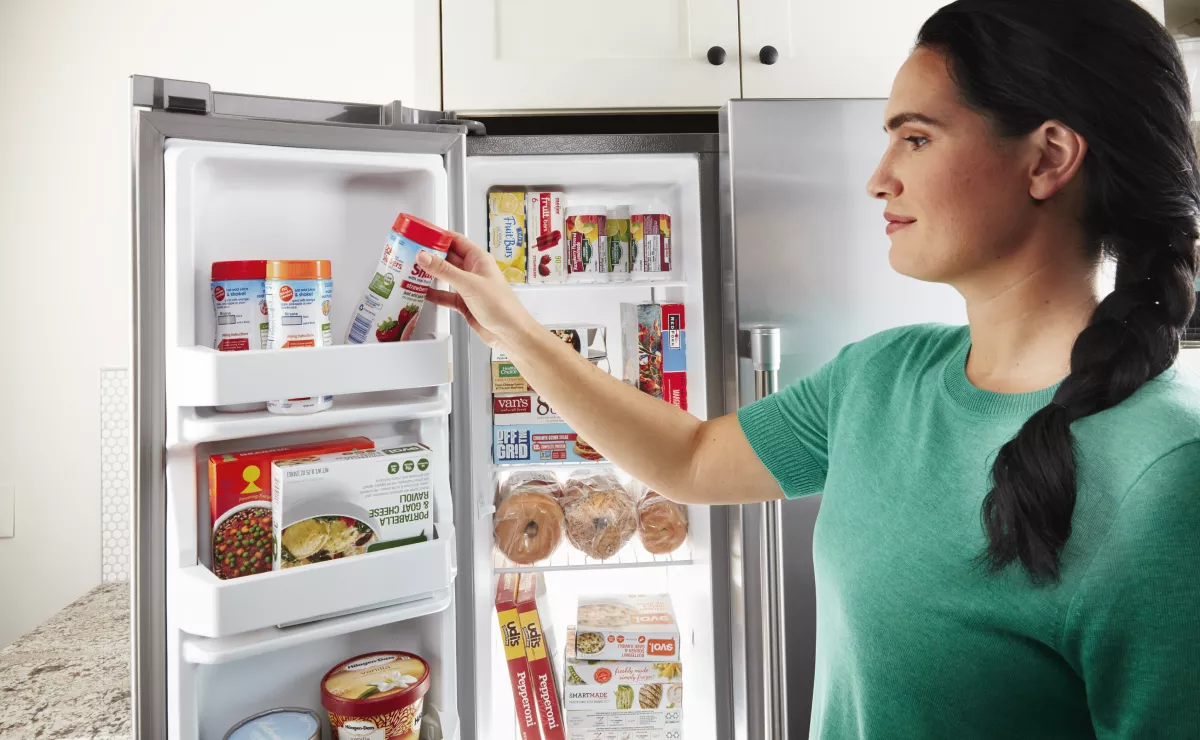
Good airflow inside your freezer helps cold air reach all items evenly. Overpacked freezers restrict air movement and slow down freezing. Items placed too close together or blocking vents can cause uneven freezing.
Keep some space between items and avoid stacking too tightly. This allows cold air to circulate freely and freeze food faster. When was the last time you cleaned and organized your freezer to improve airflow?
Frequency Of Door Opening
Every time you open the freezer door, warm air rushes in. This disrupts the cold environment and extends freezing time. Frequent door openings can be especially problematic during the initial freezing phase.
Plan your freezer visits to minimize door openings. If you’re freezing a big batch, try to keep the door closed until the process is complete. How often do you find yourself opening the freezer while waiting for food to freeze?
Typical Freezing Times
Freezing times vary based on several factors. Understanding typical freezing times helps in planning meals and storage. Freezer type, size, and contents all affect how fast food freezes. Knowing these details saves time and keeps food fresh longer.
Standard Freezer Timeframes
Most household freezers take about 4 to 24 hours to freeze food completely. Small items like berries or chopped vegetables freeze faster, often within 4 to 6 hours. Large items such as whole chickens or big cuts of meat can take 18 to 24 hours or longer. The freezer’s temperature setting also matters; the colder it is, the faster food freezes.
Chest Freezers Vs. Upright Freezers
Chest freezers usually freeze food quicker than upright freezers. Their design keeps cold air inside better when opened. Cold air stays low, surrounding the food evenly. Upright freezers lose more cold air each time the door opens. This causes temperature fluctuations that slow freezing. Chest freezers also often have more consistent temperatures overall.
Impact Of Freezer Capacity
Freezer size affects freezing speed. A nearly empty freezer cools faster but may waste energy. A full freezer takes longer to freeze new items due to less air circulation. Overloading a freezer reduces cold air movement. This slows the freezing process and can cause uneven freezing. Organizing food properly helps maintain good airflow and quick freezing times.
Tips To Speed Up Freezing
Speeding up the freezing process saves time and keeps food fresh longer. Small changes in how you store and prepare items make a big difference. Follow these tips to freeze foods faster and more efficiently.
Proper Arrangement Of Items
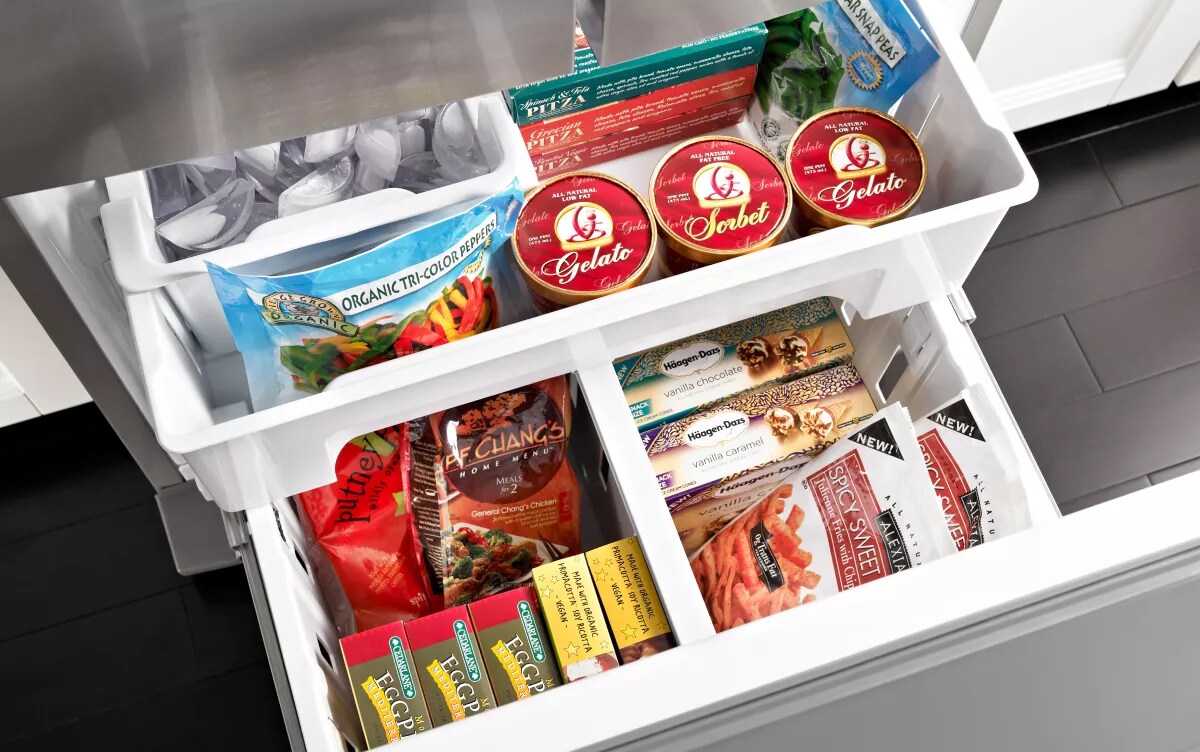
Place items in a single layer with space between them. Avoid overcrowding the freezer. Air needs to circulate freely for quick freezing. Arrange smaller items near the back or sides where it is colder.
Use Of Freezer Packs
Freezer packs help lower the temperature around your food. Wrap items with freezer packs to keep them cold. This method works well when storing packed lunches or delicate foods. Freezer packs maintain steady cold for faster freezing.
Pre-chilling Items
Cool food in the fridge before putting it in the freezer. Pre-chilling reduces the time the freezer works to lower the temperature. Hot or warm food slows the freezing process. Use shallow containers to cool food faster in the fridge.
Optimizing Freezer Settings
Set the freezer to its coldest safe temperature, usually around 0°F (-18°C). Avoid frequently opening the freezer door. Keep the freezer well-maintained and defrosted. Clean coils and check door seals to ensure efficient freezing.
Signs Of Proper Freezing
Knowing the signs of proper freezing helps you trust that your freezer is doing its job well. It’s not just about time; you want to see clear evidence that food is frozen thoroughly. These signs can prevent wasted food and keep your meals tasting fresh and safe.
Ice Formation Indicators
Ice crystals forming on the surface of food are a clear signal that freezing is happening. When you open your freezer, you might notice a thin layer of frost or ice inside. This means the temperature is low enough to start freezing water content in your food.
However, too much frost or ice buildup could mean your freezer door isn’t sealing properly. That can lead to uneven freezing or energy waste. Keep an eye on the ice layer thickness to ensure your freezer works efficiently.
Consistent Temperature Checks
Using a freezer thermometer is the best way to know if your freezer maintains the right temperature. The ideal freezer temperature is around 0°F (-18°C). If the temperature stays steady here, your food is freezing correctly.
Have you ever noticed your freezer cycling between warm and cold? That inconsistency can slow freezing time and affect food quality. Regularly checking the temperature helps you catch issues before they ruin your frozen goods.
Food Texture And Appearance
Frozen food should feel solid and hard to the touch. When you press your frozen meat or vegetables, there should be no softness or give. Soft spots might indicate incomplete freezing, which increases the risk of spoilage.
Look at the color and moisture level too. Properly frozen food retains its original color without excessive ice crystals inside the packaging. If you notice soggy or discolored areas, your freezing process may need adjustment.
Common Freezing Mistakes
Freezing food might seem straightforward, but common mistakes can slow down the process and affect the quality of your frozen items. Recognizing these errors can help you freeze faster and keep your food fresh longer. Let’s dive into some frequent freezing pitfalls you might be making without realizing it.
Overloading The Freezer
Packing your freezer too full blocks airflow, which is essential for quick and even freezing. When air can't circulate freely, some items stay partially unfrozen for longer periods.
Think about the last time you stuffed your freezer after a big grocery haul. Did you notice some items weren’t as frozen as others? That’s a sign you’ve overloaded it.
Try to leave space between items. This small change helps your freezer work efficiently and freezes your food faster.
Improper Container Use
Using the wrong containers can delay freezing and even cause freezer burn. Thin plastic bags or loosely sealed containers let moisture escape, which damages food texture and flavor.
Opt for airtight, freezer-safe containers or thick, sealable bags. Labeling them also helps you keep track of what’s inside without opening the package.
Have you ever opened your freezer to find frost-covered leftovers? That’s a clear sign your containers aren’t doing their job.
Ignoring Maintenance Needs
A dirty or poorly maintained freezer doesn’t freeze efficiently. Dusty coils or a worn-out door seal can cause temperature fluctuations that slow freezing.
Check your freezer’s seal regularly and clean the coils every few months. These simple tasks save you time and energy in the long run.
Ask yourself: When was the last time you gave your freezer some TLC? A little upkeep goes a long way in freezing your food quickly and properly.
Credit: www.whirlpool.com

Credit: foodguides.com
Frequently Asked Questions
How Long Does A Freezer Take To Freeze Water?
A standard freezer usually takes about 3 to 4 hours to freeze water in an ice cube tray. Freezing time depends on the freezer’s temperature, water volume, and container size. Lower temperatures freeze water faster.
What Affects The Freezing Time In A Freezer?
Freezing time depends on freezer temperature, food size, and initial temperature. Larger or warmer items take longer to freeze. Proper air circulation inside the freezer also speeds up freezing.
How Quickly Can A Freezer Freeze Fresh Food?
Fresh food typically freezes within 24 hours in a standard freezer set at 0°F (-18°C). Thin or small pieces freeze faster than large or dense items. Pre-chilling food before freezing can reduce freezing time.
Does Freezer Temperature Impact Freezing Speed?
Yes, lower freezer temperatures freeze items faster. Most freezers are set at 0°F (-18°C) for optimal freezing. Setting the freezer colder can reduce freezing time but may increase energy usage.
Conclusion
Freezers usually take several hours to freeze food completely. The time depends on the freezer’s temperature and the food size. Smaller items freeze faster than large ones. Keeping the freezer door closed helps speed up freezing. Proper freezing keeps food fresh and safe to eat.
Knowing how long freezing takes helps plan meals better. Use these tips for efficient freezing every time. Simple steps make a big difference in food storage. Trust your freezer but give it enough time to work.