Have you ever wondered how long it takes for your deep freezer to freeze your food completely? Whether you're storing fresh meat, fruits, or leftovers, knowing the exact freezing time can save you from disappointment and keep your food safe.
If you’ve been impatiently waiting or unsure about when your items will be fully frozen, this guide is for you. By the end, you’ll understand the key factors that affect freezing time and how to make the process faster and more efficient for your needs.
Keep reading to make the most out of your deep freezer and protect your food the right way.
Credit: www.maytag.com
Freezing Time Factors
Understanding the factors that affect how long a deep freezer takes to freeze items is key to managing your kitchen efficiently. Several elements influence freezing times, and knowing these can help you set expectations and avoid common mistakes. Let’s break down what really impacts the freezing process.
Freezer Size And Capacity
The size of your deep freezer matters more than you might think. A larger freezer has more air volume to cool, which can slow down the freezing process if it’s not fully loaded.
If you cram too many items in at once, the cold air can’t circulate properly, extending freezing time. On the other hand, a smaller freezer will cool faster but might not hold everything you need.
Initial Temperature Of Items
Items that are already cold freeze much faster than those at room temperature. If you place warm or hot food directly into the freezer, it takes longer to drop to freezing temperatures.
Try pre-chilling food in the fridge before freezing. This simple step can cut down freezing time significantly and protect the quality of your food.
Freezer Temperature Settings
The temperature you set your freezer at plays a direct role in freezing speed. Most deep freezers operate best between -18°C (0°F) and -22°C (-8°F).
If the temperature is set too high, freezing slows down, and food quality suffers. Setting it too low can waste energy and cause frost buildup, so finding the right balance is crucial.
Type Of Food Being Frozen
Different foods freeze at different rates. Water-rich items like fruits and vegetables freeze faster, while dense or fatty foods like meat take longer.
Think about freezing a block of ice versus a large roast—ice solidifies quickly, but the roast needs more time to reach the center. Knowing your food’s characteristics helps you plan freezing times accurately.
Typical Freezing Durations
Understanding how long it takes for a deep freezer to freeze different types of items helps you plan better and avoid food spoilage. Freezing times vary widely depending on what you're freezing and how much of it there is. Let’s break down typical freezing durations to give you a clearer idea of what to expect in your own kitchen.
Small Items And Liquids
Small items like berries or ice cubes usually freeze quickly—often within 2 to 4 hours. Liquids such as soups or sauces in shallow containers can take about 4 to 6 hours to freeze solid. Using shallow containers speeds up freezing because cold air can reach more surface area at once.
Large Cuts Of Meat
Big pieces like whole chickens or large roasts need more time—sometimes 24 hours or more. The thickness and density affect how long the cold penetrates to the center. Wrapping these cuts tightly and placing them on the coldest freezer shelf helps reduce freezing time.
Pre-packaged Foods
Pre-packaged items, such as frozen dinners or store-bought frozen vegetables, usually freeze within 12 to 24 hours. Their packaging often allows for efficient freezing since they’re designed for quick cold transfer. However, if you freeze multiple packages at once, expect longer times.
Batches Vs Single Items
Freezing multiple items at once slows down the process considerably. Crowding your freezer blocks airflow, making it harder for cold air to circulate. To freeze batches faster, leave space between items and freeze in smaller groups when possible.
Tips For Faster Freezing
Freezing food quickly isn’t just about setting the temperature low; the way you prepare and arrange your items plays a crucial role too. Small changes in how you package and organize your food can drastically cut down freezing time. Ready to freeze smarter, not longer?
Proper Food Packaging
Use airtight packaging to keep moisture out and prevent freezer burn. Vacuum-sealed bags or tightly wrapped plastic wrap work best.
Smaller portions freeze faster than large chunks. Try dividing big batches into meal-sized packs before freezing.
Arranging Items For Airflow
Don’t stack food haphazardly. Leave space between packages so cold air can circulate freely around each item.
Think of your freezer like a mini wind tunnel—airflow speeds up freezing by evenly distributing cold temperatures.
Avoiding Overloading
Overloading your deep freezer blocks airflow and slows down freezing. It’s tempting to fill every inch, but less is more here.
Have you noticed that packed freezers take longer to freeze new items? Give your freezer room to breathe for faster results.
Using Ice Packs Or Cooling Trays
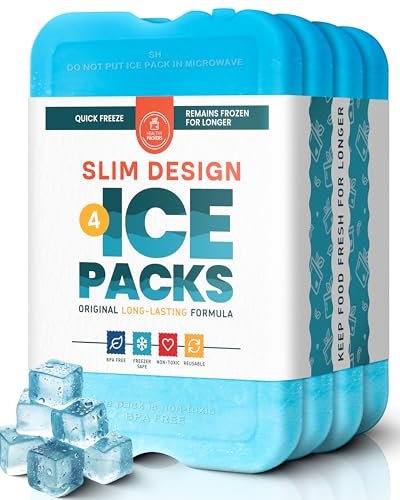
Place ice packs or cooling trays under or around food before freezing. These help absorb heat quickly and speed up the freezing process.
This trick works especially well if you’re freezing soft or liquid items that take longer to solidify.
Credit: www.vevor.com
Maintaining Freezer Efficiency
Maintaining the efficiency of your deep freezer is crucial for ensuring it freezes quickly and effectively. A well-maintained freezer not only saves energy but also keeps your food fresh and safe. Let's dive into practical tips for keeping your freezer running at its best.
Regular Defrosting
Defrosting your freezer regularly prevents ice build-up, which can impede its ability to freeze efficiently. Too much ice can obstruct the flow of cold air, making the freezer work harder. Aim to defrost your freezer every six months or when the ice layer reaches a quarter-inch thick.
Sealing The Door Properly
A tight seal on your freezer door is essential to maintain the cold temperature inside. Check the gasket around the door to ensure there are no cracks or gaps. A simple test is to close the door on a piece of paper; if you can easily pull it out, it's time to replace the seal.
Cleaning The Coils
Dirty coils can cause your freezer to use more energy and decrease its efficiency. Clean the coils at least twice a year using a vacuum or a coil brush. This simple task can enhance the overall performance of your freezer, saving you money on energy bills.
Monitoring Temperature Consistently
Keep an eye on your freezer's temperature to ensure it's set at the optimal level, which is typically 0 degrees Fahrenheit (-18 degrees Celsius). Use a thermometer to monitor it regularly. This helps you catch any issues early and maintain the right conditions for freezing.
By following these steps, you can ensure your deep freezer runs efficiently, saving you time and energy. What measures do you take to keep your freezer in top shape? Share your tips in the comments below!
Common Freezer Mistakes
Many people make mistakes that slow down the freezing process. These errors cause the freezer to work harder and take longer to freeze food. Avoiding common freezer mistakes helps keep your food fresh and frozen faster.
Freezing Warm Food
Placing warm or hot food directly into the freezer raises the inside temperature. This makes the freezer take longer to cool back down. It also wastes energy and affects other frozen items.
Let food cool to room temperature before freezing. This helps the freezer keep a steady temperature and freeze food faster.
Overpacking The Freezer
Too much food blocks air circulation inside the freezer. Cold air cannot move freely around the items. This slows down the freezing process and causes uneven freezing.
Leave some space between items for air to flow. Organize the freezer to avoid crowding.
Ignoring Freezer Maintenance
Not cleaning or defrosting the freezer reduces its efficiency. Frost buildup makes the freezer work harder and freeze slower.
Clean the freezer regularly. Remove frost and dust from the coils to help the freezer run smoothly.
Incorrect Temperature Settings
Setting the temperature too high slows freezing. Food may only chill instead of freezing solid. Too low can waste energy and damage food texture.
Keep the freezer temperature at 0°F (-18°C) for optimal freezing. Check the settings often to maintain the right temperature.
Credit: www.newair.com
Frequently Asked Questions
How Long Does A Deep Freezer Take To Freeze Food?
A deep freezer typically takes 4 to 24 hours to freeze food fully. The exact time depends on the food type and quantity. Larger items or warm food take longer. Freezer temperature and model efficiency also impact freezing speed.
What Factors Affect Deep Freezer Freezing Time?
Freezing time depends on food size, initial temperature, and freezer settings. Larger or warmer items freeze slower. A colder freezer setting speeds up freezing. Proper airflow and avoiding frequent door openings also help reduce freezing time.
Can A Deep Freezer Freeze Food Faster Than A Regular Freezer?
Yes, deep freezers freeze food faster due to lower temperatures and better insulation. They maintain consistent cold, preserving food quality. Regular freezers often have higher temperatures, causing slower freezing. Deep freezers are ideal for bulk or long-term food storage.
How To Speed Up Freezing In A Deep Freezer?
To freeze faster, cool food before placing it in the freezer. Avoid overloading the freezer to maintain airflow. Use small, flat containers for quicker freezing. Set the freezer to the coldest recommended temperature and keep the door closed.
Conclusion
Deep freezers usually take several hours to freeze food completely. The exact time depends on the freezer’s size, temperature, and food amount. Smaller items freeze faster than large ones. Keep the freezer door closed to keep cold air inside. This helps freeze food more quickly.
Proper packing also speeds up freezing. Knowing these tips helps you plan your freezing time better. Use your deep freezer wisely to keep food fresh and safe.