Have you ever found yourself waiting impatiently for your ice maker to finish, wondering exactly how long it takes to make ice? You’re not alone.
Whether you’re preparing for a party or just want a cold drink fast, knowing the timing can save you frustration. You’ll discover the typical ice-making speed, what factors affect it, and simple tips to get ice faster. Keep reading to never be caught empty-handed again!
Ice Maker Types
Ice makers come in different types. Each type works at a different speed. Knowing the type helps understand how long ice takes to form. Some ice makers are small and portable. Others are built into freezers. Some are large machines for commercial use. Each type serves a unique purpose.
Portable Ice Makers
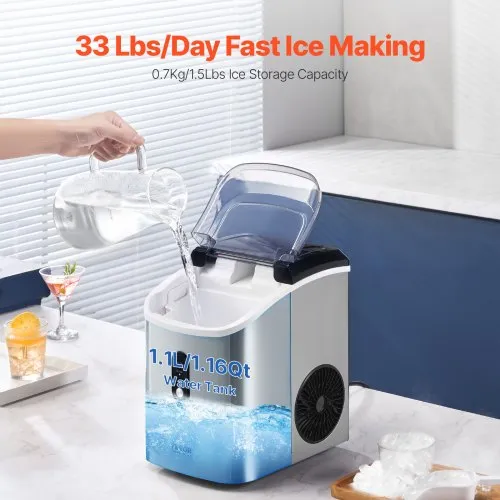
Portable ice makers are small and easy to move. They fit on countertops and need no installation. These machines make ice in about 6 to 15 minutes. They produce small batches of ice quickly. Ideal for home use or small gatherings.
Built-in Freezer Ice Makers
Built-in ice makers are part of the freezer unit. They work automatically when the freezer is cold. Ice production time varies, usually 60 to 120 minutes per batch. They produce ice cubes steadily over time. Perfect for daily household use.
Commercial Ice Machines
Commercial ice machines are large and powerful. They make ice fast to meet high demand. Production time can be as short as 10 to 30 minutes. These machines produce large quantities of ice continuously. Used in restaurants, hotels, and other businesses.

Credit: www.amazon.ca
Factors Affecting Ice Production Time
Several factors influence how fast an ice maker produces ice. These elements can speed up or slow down ice production. Understanding them helps set the right expectations and improve performance.
Water Temperature
Cold water freezes faster than warm water. If the water entering the ice maker is warm, it will take longer to form ice cubes. Using chilled water can reduce ice production time significantly.
Freezer Temperature
The colder the freezer, the faster the ice forms. A freezer set too warm slows down ice making. Keeping the freezer at the recommended temperature ensures quicker ice production.
Machine Size And Capacity
Larger ice makers usually produce ice faster because they have bigger machines and more cooling power. Smaller units make less ice at a time, increasing wait time. Choose a size that fits your ice needs.
Ambient Room Temperature
Warm room temperatures make the ice maker work harder. Heat around the machine slows down freezing. Placing the ice maker in a cooler spot helps it make ice faster and use less energy.
Typical Ice Making Times
Ice makers vary in how fast they produce ice. The time depends on the type of machine and its design. Understanding typical ice making times helps set the right expectations.
Different ice makers serve different needs. Home models focus on convenience, while commercial machines prioritize speed and volume. Each type has a general time range for producing ice.
Portable Ice Makers Timing
Portable ice makers are popular for home use. They usually make ice in about 6 to 15 minutes. Most produce 9 to 12 ice cubes per cycle. The exact time depends on the model and room temperature.
- First batch: 6-15 minutes
- Subsequent batches: about 10 minutes each
- Produces 9-12 cubes per cycle
Portable machines work well for small gatherings or daily use.
Built-in Ice Maker Timing
Built-in ice makers in refrigerators take longer. They usually make ice in 60 to 120 minutes. These machines freeze water slowly for clearer, denser ice cubes. The production rate is about 6 to 12 pounds per day.
- Cycle time: 60-120 minutes
- Daily output: 6-12 pounds of ice
- Ice quality: clear and dense cubes
Built-in models fit well in kitchens and require less maintenance.
Commercial Machine Timing
Commercial ice makers operate quickly to meet high demand. They produce ice in about 15 to 30 minutes per batch. These machines generate large quantities, often 50 to 500 pounds daily. They use powerful compressors and advanced freezing methods.
- Cycle time: 15-30 minutes
- Daily output: 50-500 pounds
- Designed for bars, restaurants, and events
Commercial machines deliver ice fast and in large amounts.
Tips To Speed Up Ice Making
Speeding up ice making can save time and keep your drinks cold faster. Simple changes can improve your ice maker’s performance. Follow these tips to get ice quicker and more efficiently.
Use Cold Water
Cold water freezes faster than warm water. Fill the ice maker with chilled water from the fridge. Avoid using hot or room temperature water. This small change helps ice form more quickly.
Keep Freezer Well-stocked
A full freezer keeps the temperature steady. This steady cold helps ice freeze faster. Avoid empty spaces in the freezer by storing extra items. The cold air stays trapped better in a full freezer.
Regular Maintenance
Clean the ice maker regularly to keep it working well. Remove any ice build-up or dirt inside the machine. Check the water filter and replace it as needed. Well-maintained ice makers produce ice faster and better.
Avoid Frequent Door Opening
Opening the freezer door lets warm air in. This slows down the ice-making process. Keep the door closed as much as possible. Plan ahead to get ice without opening the door too often.
Troubleshooting Slow Ice Production
Ice makers usually take 6 to 12 minutes to produce a batch of ice. Slow ice production often means a problem with water flow or temperature. Checking these can help fix the issue quickly.
When your ice maker takes longer than usual to produce ice, it can be frustrating. Slow ice production can disrupt your routine. Fortunately, there are ways to troubleshoot and resolve these issues. Let's explore some common causes and solutions for slow ice production.
Check Water Supply
Ensure the water supply line is open. A clogged or restricted line can slow down ice production. Inspect for any kinks or blockages. Clear any obstructions to allow proper water flow.
Inspect Freezer Temperature
Verify the freezer's temperature setting. It should be at 0°F (-18°C) or lower. A higher temperature can slow the ice-making process. Adjust the thermostat if necessary.
Clean Ice Maker Components
Remove any ice build-up within the ice maker. Clean the ice tray, bin, and other components. Use warm, soapy water for best results. This can improve efficiency and speed.
Look For Mechanical Issues
Check for any signs of mechanical problems. Listen for unusual noises or vibrations. Inspect the ice maker for loose or damaged parts. If needed, consult the user manual or a professional technician.
Credit: www.vevor.ca

Credit: codysappliancerepair.com
Frequently Asked Questions
How Long Does A Typical Ice Maker Take To Produce Ice?
A typical ice maker takes about 15 to 30 minutes to produce a batch of ice. This depends on the model and water temperature. Some fast-freeze models can make ice in as little as 6 minutes.
What Factors Affect Ice Maker Production Speed?
Ice maker speed depends on water temperature, freezer setting, and machine type. Colder water and lower freezer temperatures speed up ice production. Regular cleaning also ensures faster ice making by preventing blockages.
Can Ice Makers Produce Ice Continuously Without Delay?
Most ice makers produce ice in cycles, causing short delays between batches. Continuous ice production depends on the machine’s capacity and water supply. High-end models may reduce wait times but still work in cycles.
Why Is My Ice Maker Taking Longer Than Usual?
Longer ice production can result from low water pressure, dirty filters, or high freezer temperature. Ensure proper maintenance and check water supply to improve ice-making speed. Defrosting the freezer may also help.
Conclusion
An ice maker usually takes about 6 to 15 minutes to make ice. This time depends on the machine type and water temperature. Smaller machines may take less time, while larger ones might need more. Keeping the ice maker clean helps it work faster.
Knowing this helps you plan better when you need ice. Now, you can use your ice maker with confidence. No more waiting and wondering. Just enjoy your cold drinks on time.