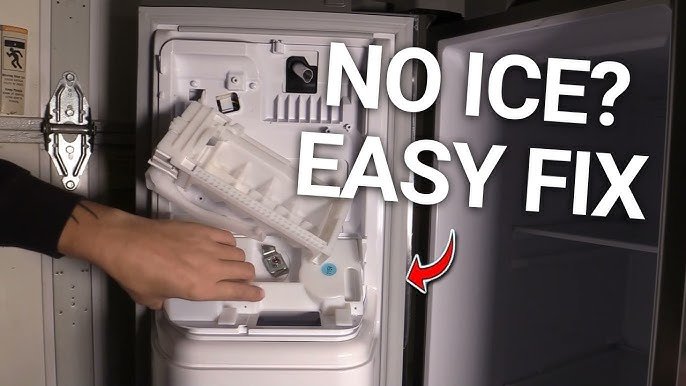
Are you wondering how long your landlord has to replace a broken refrigerator? If your fridge stops working, it can turn your daily routine upside down.
You rely on it to keep your food fresh and your life running smoothly. But what are your rights when it comes to repairs or replacements? Knowing the timeline your landlord must follow can save you stress and help you plan your next move.
Keep reading to find out exactly how long your landlord has to replace that refrigerator and what you can do if they delay.
Landlord Responsibilities For Appliances
Understanding your landlord's responsibilities for appliances can save you from unexpected frustrations. Appliances like refrigerators are essential for daily living, and knowing when your landlord must replace or repair them helps you avoid disputes. Let’s look closer at what landlords are generally expected to handle regarding appliances in rental properties.
When Replacement Is Required
Landlords usually must replace a refrigerator if it stops working due to normal wear and tear. This means if the fridge breaks down without any damage caused by you, the landlord should arrange a replacement or repair promptly. However, if the appliance is damaged because of tenant misuse, the landlord might hold you responsible for the costs.
Think about your last rental experience: Did your landlord replace the broken fridge quickly, or did you end up without a working appliance for weeks? Timely replacement is important because a faulty refrigerator can spoil your food and disrupt your routine.
Appliance Condition And Maintenance
Landlords are expected to provide appliances that are in good working condition at the start of your lease. But you also have a role in maintaining the fridge, like cleaning the coils or avoiding overloading it. Regular maintenance helps prevent breakdowns and extends the life of the appliance.
Have you ever noticed the fridge running loudly or not cooling properly? Reporting these issues early can prompt your landlord to fix the problem before it gets worse. Keep in mind, landlords aren’t usually responsible for damages caused by neglect or improper use by tenants.
Legal Timeframes For Replacement
Understanding the legal timeframes for a landlord to replace a refrigerator can save you from unnecessary frustration. These timeframes depend largely on various laws and the specific lease agreement you have signed. Knowing your rights ensures you can act confidently if your refrigerator stops working and the landlord delays replacement.
State And Local Laws
Each state and sometimes even local governments set rules on how quickly landlords must fix or replace essential appliances like refrigerators. These laws aim to keep rental units safe and habitable. For example, in some states, landlords must address appliance issues within 7 to 14 days after being notified.
Have you checked your local housing codes recently? They might specify shorter or longer deadlines for repairs and replacements. Failing to comply with these laws can result in penalties or allow tenants to take certain actions like withholding rent.
Lease Agreement Clauses
Your lease agreement often contains specific clauses about appliance maintenance and replacement. These clauses can sometimes override general state laws if they offer clearer timelines. For instance, your lease may require the landlord to replace a broken refrigerator within 10 days of notification.
Review your lease carefully—did you notice any deadlines mentioned? If your lease is silent on this, state and local laws usually take precedence. Knowing this helps you set reasonable expectations and communicate effectively with your landlord.
Tenant's Role In Reporting Issues
Tenants play a key role in making sure appliance issues get fixed quickly. Prompt and clear communication with the landlord helps set expectations. Reporting problems early can speed up repairs or replacements. It also helps avoid bigger issues or damage in the home. Tenants should know how to report problems effectively and document them well.
Notifying The Landlord
Tell the landlord about refrigerator problems as soon as they appear. Use written communication like email or text for clear records. Include details like what is wrong and when it started. Be polite but direct in explaining the issue. Ask for a timeline on repairs or replacement. Keep copies of all messages sent and received.
Documenting Appliance Problems
Take photos or videos of the refrigerator showing the problems. Record dates when issues occur or worsen. Write notes about any unusual noises, smells, or leaks. This evidence supports your request and protects your rights. It helps landlords understand the issue and plan repairs. Good documentation can also help settle disputes.

Credit: www.reddit.com
Common Delays In Replacement
Landlords often face delays in replacing a refrigerator due to several unavoidable factors. Understanding these common delays can help tenants manage their expectations and open lines of communication. Let's explore some of the reasons why replacing a refrigerator might take longer than anticipated.
Repair Vs. Replace Decisions
Deciding whether to repair or replace a refrigerator isn't always straightforward. Landlords might opt for repairs first, hoping to extend the appliance's lifespan. This decision can lead to delays if repairs are attempted multiple times without success.
Consider how frustrating it is waiting for a repair technician, only to find out that the fix didn't work. As a tenant, it’s helpful to discuss the situation with your landlord to understand the repair plan and time frame. Are you aware of your rights if repairs take too long?
Supply And Availability Challenges
Supply chain issues can significantly delay the replacement of a refrigerator. Sometimes, specific models or sizes may not be immediately available, especially if they need to match existing kitchen decor or dimensions.
Landlords might face challenges sourcing appliances due to backorders or shipping delays. If you’ve ever waited weeks for an online order, you know the frustration. Have you considered asking your landlord if they have checked for alternative suppliers or models?
While these delays can be inconvenient, understanding the reasons behind them can ease tensions and lead to more productive discussions with your landlord. Clear communication and patience are key in navigating these challenges.
Steps To Take If Replacement Is Delayed
Delays in refrigerator replacement can cause many problems for tenants. Knowing the proper steps to take helps protect your rights and comfort. Acting promptly can lead to quicker resolutions and less frustration.
Communicating With The Landlord
Start by contacting your landlord directly. Explain the issue clearly and politely. Mention the inconvenience caused by the delay. Ask for a specific timeline for the replacement. Keep all communication in writing. Use email or text messages to create a record. This proof may help if further action is needed.
Seeking Legal Advice
If communication fails, consider legal advice. Many areas have tenant rights organizations that offer free help. A lawyer can explain your options based on local laws. They might suggest sending a formal letter to the landlord. Legal advice ensures you understand your rights and steps to take next.

Credit: montreal-aparthotel.com
Preventing Appliance Issues
Preventing appliance issues is key to avoiding unexpected costs and frustrations for both landlords and tenants. A well-maintained refrigerator not only lasts longer but also saves energy and keeps food fresh. Simple, regular care can make a big difference in how often you need to replace major appliances.
Regular Maintenance Tips
Keeping your refrigerator in good shape requires a few easy habits. Clean the coils at least twice a year to improve efficiency and reduce wear. Check door seals regularly to ensure they close tightly and prevent cold air from escaping.
Encourage tenants to keep the fridge temperature between 37-40°F (3-4°C) and the freezer at 0°F (-18°C). Avoid overloading the fridge, as this can block air vents and cause uneven cooling. Small actions like wiping spills promptly help prevent mold and odors.
Tenant And Landlord Cooperation
Clear communication between you and your tenant is vital for maintaining appliances. Create a simple checklist for tenants to follow that includes basic fridge care and reporting any issues early. This helps catch problems before they become costly repairs or replacements.
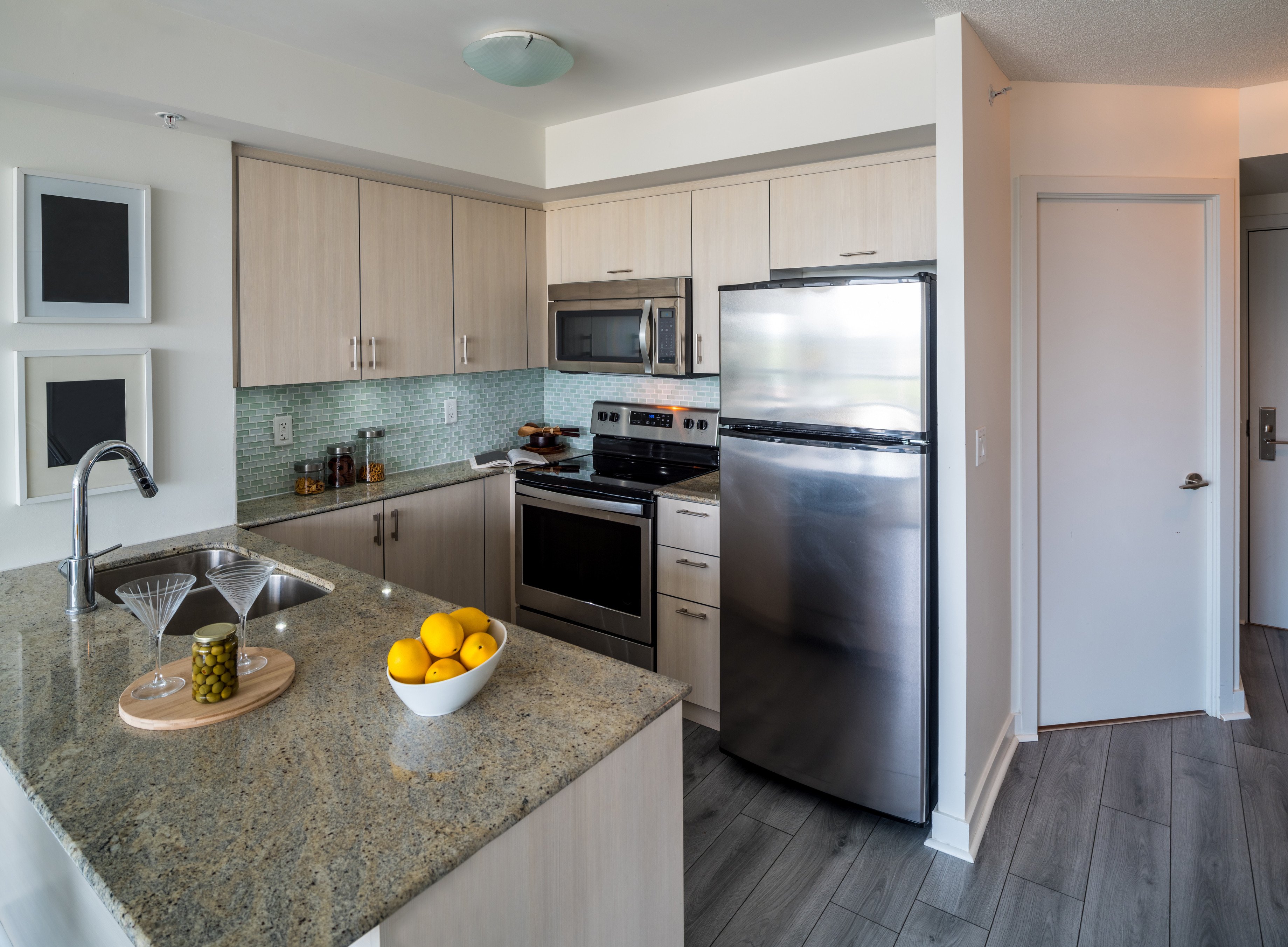
Have you ever experienced a breakdown that could have been prevented with a quick phone call? When tenants and landlords work as a team, appliances last longer and everyone saves money. Setting expectations upfront about appliance care can reduce stress and improve your rental experience.
Credit: www.brickunderground.com
Frequently Asked Questions
How Long Can A Landlord Delay Refrigerator Replacement?
Landlords typically must replace a broken refrigerator within 30 days. This timeframe may vary by local laws and lease terms. Prompt replacement ensures habitability and tenant satisfaction. Tenants should review their lease and local housing codes for specific deadlines.
Is A Landlord Legally Required To Replace Refrigerators?
Landlords must replace refrigerators if included in the rental agreement. If the appliance fails and is essential, replacement is often mandatory. However, this depends on local laws and lease clauses. Tenants should check their contract and local regulations for clarity.
What If The Landlord Refuses To Replace The Fridge?
Tenants can notify the landlord in writing about the issue. If ignored, tenants may contact local housing authorities or seek legal advice. Some areas allow rent withholding until repairs are made. Documentation and communication are key for tenant protection.
Can Tenants Request A Fridge Replacement Before It Breaks?
Tenants can request replacement if the refrigerator is old or malfunctioning. Landlords may agree to avoid future complaints or legal issues. However, landlords are only obligated to fix or replace appliances as per the lease or law.
Conclusion
Landlords must replace refrigerators within a reasonable time. Laws and leases guide how fast they act. Tenants should know their rights and communicate clearly. Quick repairs keep homes safe and comfortable. Understanding these rules helps avoid confusion and stress. Everyone benefits when appliances work properly and on time.
Keep paperwork and records to support your requests. Stay calm and polite during any discussions. Good communication leads to faster solutions for all.