Have you ever wondered how long it really takes for your deep freezer to freeze food completely? If you’ve just bought a new deep freezer or need to freeze a big batch of groceries, knowing the freezing time can save you from frustration and help keep your food fresh and safe.
You’ll discover the key factors that affect freezing speed and get simple tips to make your deep freezer work faster. Keep reading to find out exactly how long you should wait—and why it matters for your kitchen and your wallet.
Factors Affecting Freezing Time
Freezing time in a deep freezer isn't a fixed number. Several factors play a role in how quickly your food freezes. Understanding these can help you manage your freezer use better and avoid surprises.
Freezer Size And Capacity
The size of your deep freezer affects freezing speed. A larger freezer has more space for air to circulate, which can freeze items faster. However, if your freezer is packed close to its capacity, it may slow down the process because cold air can’t flow freely around your food.
Initial Temperature Of Items
Items that start off colder freeze faster. If you place warm or room-temperature food directly in the freezer, it will take longer to reach the freezing point. Cooling food in the fridge before freezing can reduce this time significantly.
Amount Of Food Inside
The quantity of food impacts freezing time. A few small items freeze quickly, but a large batch takes longer. Overloading your freezer not only slows freezing but can also raise the freezer’s internal temperature, affecting all items.
Freezer Temperature Settings
Your freezer’s temperature setting is critical. Most deep freezers work best at around -18°C (0°F). Setting it colder can freeze food faster, but it also increases energy use. Too warm, and freezing slows, risking food quality and safety.
Type And Packaging Of Food
Different foods freeze at different rates. Liquids take longer than solids. Packaging also matters—airtight, flat packages freeze faster because they allow cold air to reach more surface area quickly. Bulky or loosely wrapped items slow the process.
Typical Freezing Times
Freezing times vary depending on the size and type of food. Deep freezers work best when items are spread out and not stacked. Temperature settings and the freezer’s power also affect how fast food freezes. Knowing typical freezing times helps plan meals and storage efficiently.
Small Items And Portions
Small items like berries, sliced vegetables, or single servings freeze quickly. Usually, they take 2 to 4 hours to become solid. Thin slices of meat or fish also freeze fast. These items have less mass, so cold air reaches inside faster.
Large Cuts Of Meat
Big pieces like whole chickens, roasts, or large steaks take longer. Freezing time ranges from 12 to 24 hours. Thickness matters most. The center of the meat takes the longest to freeze. Wrapping tightly can speed up freezing by reducing air exposure.
Prepared Meals And Leftovers
Cooked dishes, casseroles, and leftovers freeze in about 4 to 8 hours. The moisture content and container size affect speed. Using shallow containers helps food freeze evenly and faster. Avoid stacking containers to keep air flowing well inside the freezer.
Tips To Speed Up Freezing
Freezing food quickly helps keep its taste and texture fresh. Slower freezing creates larger ice crystals that can damage food. Follow these simple tips to speed up the freezing process and keep your food quality high.
Use Smaller Portions
Cut food into smaller pieces before freezing. Smaller portions freeze faster because cold air reaches them quickly. Divide large batches into smaller containers or bags. This also helps you thaw only what you need.
Avoid Overloading The Freezer
Do not fill the freezer with too many items at once. Overloading blocks cold air flow and slows freezing. Leave space between items to let cold air circulate. Freeze in batches if needed for better results.
Set Optimal Temperature
Keep your deep freezer at the right temperature for fast freezing. The ideal setting is around -18°C (0°F). Too high temperatures slow freezing. Too low wastes energy without much benefit.
Ensure Proper Air Circulation
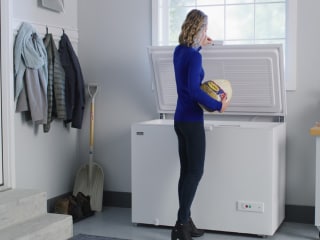
Arrange items so air moves freely around them. Avoid stacking food tightly or blocking vents. Good air flow helps maintain even temperature and freezes food faster. Use wire racks if available for better circulation.
Credit: www.maytag.com
Common Mistakes To Avoid
Freezing food quickly and properly depends on avoiding some common mistakes. These errors can slow down the freezing process or affect food quality. Understanding what to avoid helps keep your deep freezer efficient and your food safe.
Freezing Warm Food
Putting warm food directly into the deep freezer raises the temperature inside. This forces the freezer to work harder and freeze food slower. Always let food cool down to room temperature before freezing. This step saves energy and helps freeze food evenly.
Blocking Air Vents
Air vents inside the freezer allow cold air to circulate. Blocking these vents with too many items stops cold air flow. This makes freezing uneven and takes longer. Keep space around vents clear to let air move freely. Arrange items so air can circulate easily.
Ignoring Freezer Maintenance
Not cleaning or checking your freezer reduces its efficiency. Frost build-up blocks cold air and slows freezing. Clean the freezer regularly and remove ice build-up. Check door seals to keep cold air inside. Proper maintenance helps freeze food faster and saves energy.
Signs Food Is Fully Frozen
Food is fully frozen when it feels hard and cold all the way through. Ice crystals may form on the surface. The freezing time depends on food size and freezer temperature.
Understanding when your food is fully frozen is crucial for both safety and quality. You've stocked your deep freezer with fresh groceries, but how do you know when they're truly ready? Recognizing the signs of fully frozen food can help you ensure everything is preserved perfectly, avoiding the risk of spoilage or freezer burn. Here are some clear indicators to look out for:
Texture Changes
Frozen food undergoes noticeable texture changes. Run your fingers over the surface of meats or vegetables. They should feel firm and solid, with no give when you apply pressure. If it still feels soft or squishy, it’s not fully frozen yet.
Ice Formation
Look for a thin layer of ice crystals covering the surface of your food. This indicates moisture has been drawn out and frozen, which is a good sign of fully frozen food. However, if you notice large ice chunks or frost build-up inside the packaging, it might suggest a problem with your freezer’s efficiency.
Temperature Checks
Use a reliable food thermometer to check the temperature. A reading of 0°F (-18°C) or lower means your food is safe and fully frozen. Regularly monitor your freezer's thermostat to maintain consistent temperatures, ensuring your food stays in peak condition. Do you regularly face issues with food not freezing properly? Adjusting your freezer settings or organizing your food differently might help. Remember, your deep freezer is an investment in food safety and quality, so understanding these signs ensures you get the most out of it.
Credit: www.vevor.com
Credit: www.newair.com
Frequently Asked Questions
How Long Does A Deep Freezer Take To Freeze Food?
A deep freezer typically takes 4 to 24 hours to freeze food completely. The exact time depends on the food type, quantity, and freezer temperature setting.
What Factors Affect Deep Freezer Freezing Time?
Freezing time depends on food size, initial temperature, freezer capacity, and door openings. Larger or warm items take longer to freeze thoroughly.
Can A Deep Freezer Freeze Food Faster?
Setting the freezer to a lower temperature and avoiding frequent door openings helps food freeze faster. Pre-chilling items also reduces freezing time.
How To Know If Deep Freezer Has Frozen Food Completely?
Check if the food is solid and firm to touch. No soft or slushy parts indicate complete freezing inside the deep freezer.
Conclusion
A deep freezer usually takes several hours to freeze items fully. The exact time depends on the freezer’s size and the food’s amount. Smaller items freeze faster than large, warm foods. Keeping the freezer door closed helps speed freezing. Properly frozen food stays fresh longer and tastes better.
Knowing freeze times helps you plan meals and storage. Trust your deep freezer to keep food safe and ready. Simple steps make freezing easy and effective.