Are you wondering how long your chest freezer takes to get cold? Knowing this can save you time and help keep your food fresh.
Whether you just bought a new freezer or want to make sure yours is working right, understanding the cooling process is key. You'll discover the factors that affect cooling time and tips to get your freezer chilling faster. Keep reading to find out exactly what to expect and how to make your chest freezer work best for you.
Credit: www.maytag.com
Factors Influencing Cooling Time
The time a chest freezer takes to reach its coldest temperature varies. Several key factors influence this cooling time. Understanding these can help you set expectations and use your freezer efficiently.
Each factor affects how quickly the freezer removes heat from its interior. Some factors relate to the freezer itself, while others depend on the environment or what you put inside.
Size And Capacity
Larger freezers take longer to cool because they have more space to chill. A bigger capacity means more air and more surface area to cool down. Small freezers cool faster but hold less food.
Also, a full freezer cools differently than an empty one. The amount of air inside changes with size and content, affecting cooling speed.
Ambient Temperature
The temperature of the room impacts cooling time. A freezer in a hot room works harder and takes longer to cool. Cooler room temperatures help the freezer reach the desired coldness faster.
Keep the freezer away from heat sources like sunlight or ovens. Stable, moderate room temperature improves efficiency.
Initial Temperature Of Contents
Placing warm or room-temperature items inside increases cooling time. The freezer must first lower the items’ temperature before it can reach its set coldness.
Cold or frozen items help the freezer reach the target temperature faster. Let foods cool before freezing to save energy and time.
Average Time For Chest Freezers To Cool
Understanding how long a chest freezer takes to get cold can save you time and help you plan your food storage better. The average cooling time depends on several factors, including the size of the freezer and the specific brand or model. Knowing these details helps you set realistic expectations and avoid unnecessary frustrations.
Small Vs. Large Freezers
Smaller chest freezers typically cool down faster than larger ones. A compact unit might take around 4 to 6 hours to reach the ideal freezing temperature, while a larger model can take 8 to 12 hours or even more.
Why does size matter so much? It’s all about the volume of air inside the freezer that needs to be cooled. The bigger the space, the longer the freezer runs to bring everything down to the right temperature.
If you’re in a hurry to freeze items, a small freezer might be your best choice. But if you need to store a lot, patience is key—give your large freezer the time it needs to do its job properly.
Brand And Model Variations
Not all chest freezers are created equal. Some brands use more efficient compressors or better insulation, which can significantly affect cooling times.
For example, energy-efficient models from brands like Whirlpool or Frigidaire often cool down faster than generic or budget models. Their technology helps maintain low temperatures with less effort.
Have you checked the user manual of your freezer? It usually provides specific cooling times and tips to optimize performance. This can be a valuable guide to understanding how your particular model behaves.
Remember, the freezer’s environment also plays a role. Placing it in a warm room or near heat sources can increase cooling time regardless of brand or size.
Steps To Accelerate Cooling
Speeding up the cooling process of a chest freezer saves time and energy. Certain actions help the freezer reach the right temperature faster. These steps improve efficiency and protect food quality.
Pre-cooling Techniques
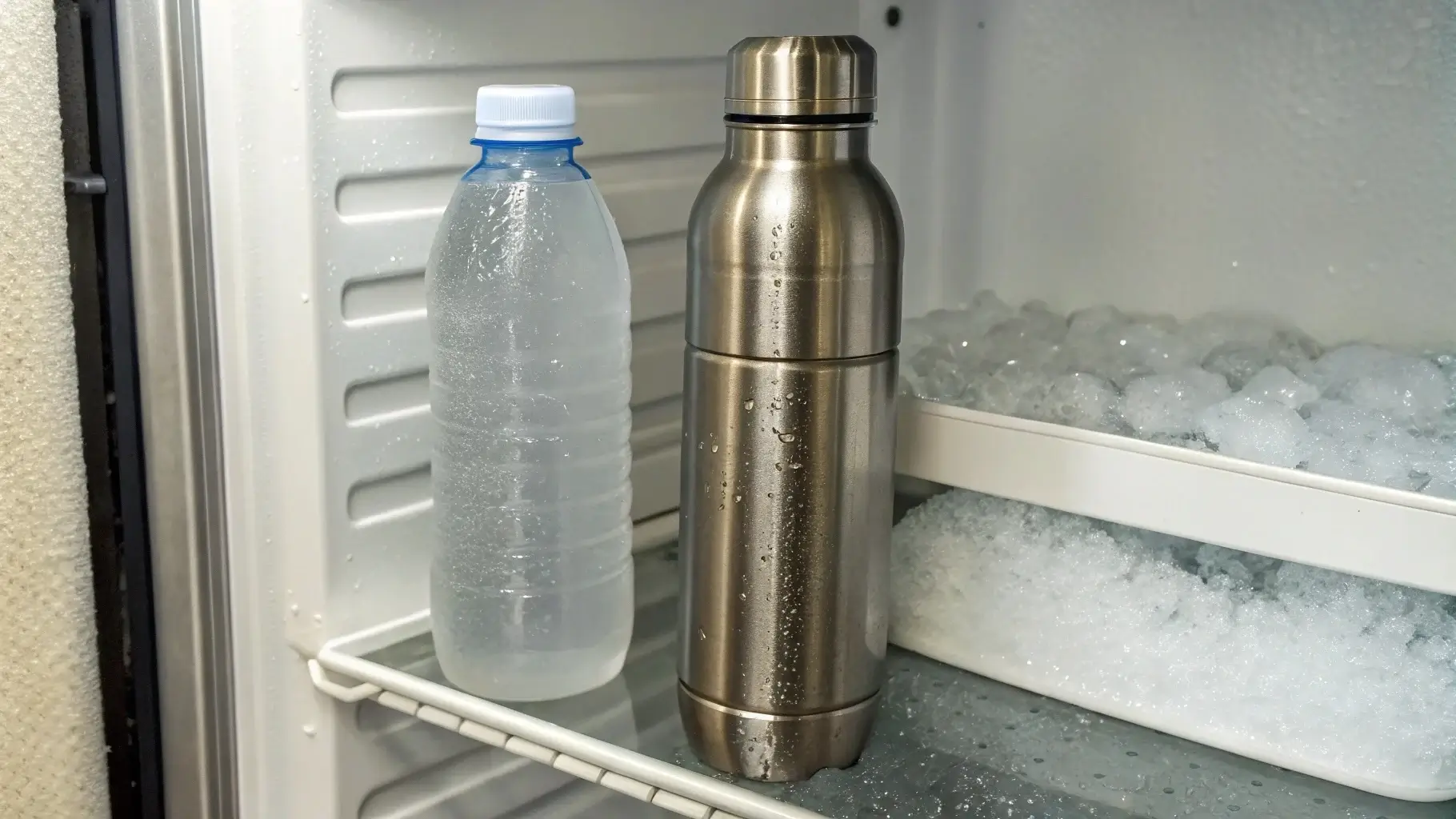
Before turning on the freezer, cool it down by placing ice packs inside. This lowers the internal temperature quickly. Another option is to chill the freezer with cold water bottles. Avoid placing warm or room-temperature items inside right away.
Keep the lid closed during pre-cooling to trap the cold air. This reduces the work the compressor must do. Pre-cooling sets the stage for faster freezing once you load your food.
Optimal Loading Practices
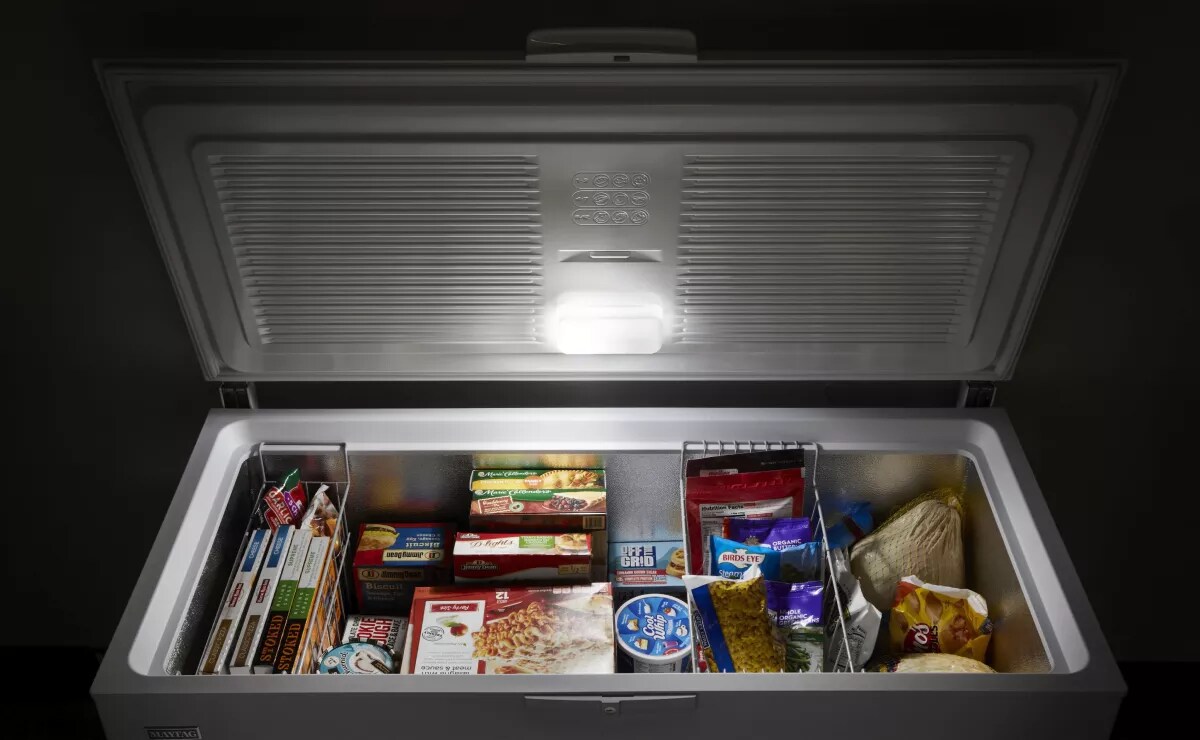
Load the freezer with already chilled or frozen items. Warm food raises the freezer’s temperature and slows cooling. Arrange items evenly without overpacking to allow good air circulation.
Leave some space between packages for cold air to flow freely. Use containers that conduct cold well, such as metal or thin plastic. Proper loading helps the freezer reach the desired temperature quickly.
Location And Ventilation
Place the freezer in a cool, dry area away from heat sources. Avoid direct sunlight or near ovens and heaters. Good ventilation around the freezer allows heat to escape efficiently.
Keep at least a few inches of space between the freezer and walls. Clean the coils regularly to maintain airflow. Proper location and ventilation reduce cooling time and save energy.
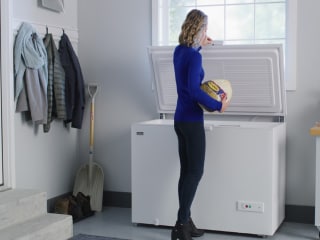
Credit: www.maytag.com
Common Mistakes To Avoid
Understanding how long a chest freezer takes to get cold can be tricky if you don’t avoid certain common mistakes. These errors not only delay the freezing process but can also affect the freezer’s efficiency and the quality of your stored food. Let’s look at some pitfalls that often go unnoticed but have a big impact on how quickly your freezer chills down.
Overloading The Freezer
Filling your chest freezer to the brim might seem like a great way to save space, but it actually slows down the cooling process. When the freezer is overloaded, cold air struggles to circulate properly around the items.
Think about your own freezer: Have you ever stuffed it so full that it takes forever for anything to freeze? That’s because the compressor has to work harder to maintain the low temperature, extending the time it takes to get cold.
Try to leave some space between items to allow better airflow. If you want faster freezing, consider organizing your food in smaller batches rather than one giant load.
Frequent Opening Of The Lid
Every time you open the chest freezer lid, warm air rushes inside and interrupts the cooling process. This can significantly increase the time it takes for the freezer to reach the desired temperature.
Ask yourself: How often do you open your freezer when it’s trying to chill down? Frequent lid opening can cause the compressor to run longer, leading to higher energy use and slower cooling.
Limit how often and how long you keep the lid open. Plan what you need before opening the freezer, so you can grab everything quickly and close the lid fast to keep the cold air inside.
Maintenance Tips For Efficient Cooling
Keeping a chest freezer cool and efficient depends on good maintenance. Proper care helps the freezer reach and hold the right temperature fast. This reduces energy use and extends the freezer's life. Small habits make a big difference in performance and cost savings.
Regular Defrosting
Frost buildup slows down cooling and wastes energy. Check the freezer for ice layers often. Remove frost when it is about a quarter inch thick. Turn off the freezer and let the ice melt naturally. Avoid using sharp tools to remove ice. Dry the inside before turning the freezer back on. Regular defrosting helps the freezer cool faster and work better.
Cleaning And Seal Inspection
Keep the freezer clean inside and outside to improve airflow. Wipe spills and crumbs regularly to prevent odors and mold. Check the door seal for cracks or damage. A tight seal stops cold air from escaping. Clean the seal with warm, soapy water and dry it well. Replace the seal if it does not close properly. Good cleaning and seal care keep the freezer cold and save energy.
Troubleshooting Cooling Issues
Chest freezers may sometimes face cooling problems. Knowing how to troubleshoot these issues helps keep your freezer working well. It saves time and stops food from spoiling.
Identifying Mechanical Problems
Listen for unusual noises like clicking or buzzing. These sounds may signal motor or compressor trouble.
Check if the freezer feels too warm inside. This may mean the compressor or thermostat is faulty.
Look for frost build-up on the coils. Frost can stop proper cooling and needs defrosting.
Inspect the door seal. A broken or loose seal lets cold air escape and warm air enter.
Notice if the fan is running smoothly. A broken fan stops cold air from circulating.
When To Consult A Professional
Call a technician if the freezer does not cool after basic checks. Experts have tools to find hidden faults.
Do not try to fix electrical parts yourself. It can be dangerous and cause more damage.
Professional help is needed for compressor or refrigerant issues. These repairs require special skills and equipment.
Regular professional maintenance extends freezer life. It keeps the freezer running at top performance.

Credit: www.vevor.com
Frequently Asked Questions
How Long Does A Chest Freezer Take To Reach Freezing Temperature?
A chest freezer typically takes 4 to 24 hours to reach its ideal freezing temperature. The exact time depends on the model, size, and initial room temperature. For best results, keep the freezer closed during this period to maintain a steady cooling process.
What Factors Affect A Chest Freezer's Cooling Time?
Several factors influence cooling time, including freezer size, ambient temperature, initial load, and compressor efficiency. Larger freezers take longer to cool. A well-insulated freezer in a cooler room will reach temperature faster. Avoid opening the lid frequently during the cooling phase.
How Can I Speed Up My Chest Freezer's Cooling Process?
To speed up cooling, pre-chill items before placing them inside. Keep the freezer full, but not overcrowded, for better temperature stability. Ensure the lid seals properly and the freezer is in a cool, ventilated area to optimize performance.
Is It Normal For A Chest Freezer To Take 24 Hours To Get Cold?
Yes, it is normal. Many chest freezers need up to 24 hours to reach the desired temperature, especially when new or after being unplugged. Patience ensures efficient freezing and helps maintain food quality over time.
Conclusion
A chest freezer usually takes several hours to get cold. The exact time depends on its size and temperature settings. Avoid opening the lid during this period to keep cold air inside. Make sure the freezer is placed in a cool, ventilated area.
Regular cleaning helps the freezer work better and faster. Understanding these tips helps your freezer reach the right temperature quickly. This keeps your food fresh and saves energy. Patience pays off when waiting for your chest freezer to cool down.