If you love crispy, juicy wings, you probably want to get them just right every time. But how long do you fry wings in a deep fryer to achieve that perfect crunch without overcooking?
Frying wings can be tricky if you don’t know the exact timing. You’ll discover the ideal frying time to make your wings golden and delicious. Keep reading to unlock the secrets that will make your wings the star of any meal.
Choosing The Right Wings
Choosing the right wings is the first crucial step before frying. The type of wings you select affects cooking time, texture, and flavor. Paying attention here can save you from undercooked or greasy results.
Fresh Vs Frozen Wings
Fresh wings usually cook faster and crisp up better than frozen ones. If you choose frozen wings, make sure to thaw them completely to avoid uneven cooking and oil splatter.
Thawing also helps the skin absorb seasoning more effectively. Have you noticed how fresh wings often have a juicier bite? That’s because freezing can sometimes dry them out.
If you’re short on time and using frozen wings, adjust your frying time accordingly and keep a close eye on them. This ensures they cook through without burning the outside.
Size And Thickness Considerations
Smaller wings will naturally fry faster, while larger or thicker wings need more time to cook through. Don’t just grab any wing and expect the same frying time.
Think about the difference in cooking a drumette versus a flat wing. The drumette is meatier and requires extra minutes in the fryer to reach that perfect internal temperature.
To avoid guessing, use a kitchen thermometer to check for an internal temperature of 165°F (74°C). This simple step guarantees safety and optimal taste, no matter the wing size.
Preparing Wings For Frying
Getting your wings ready before they hit the hot oil is key to crispy, flavorful results. The preparation process affects not only the texture but also how well your seasoning sticks and how juicy the wings remain. Paying attention to a few simple steps can make a big difference in your final dish.
Drying And Seasoning
Before frying, make sure your wings are as dry as possible. Pat them down with paper towels to remove excess moisture. This helps the skin crisp up beautifully in the fryer.
Seasoning is your chance to add flavor that sticks right to the skin. Sprinkle salt, pepper, and your favorite spices evenly over the wings. If you want an extra crunch, toss the wings in a little flour or cornstarch after seasoning.
Have you ever noticed wings turn soggy right after frying? It’s often because they weren’t dried properly or were seasoned too late. Dry wings and early seasoning help create that perfect, crispy bite.
Marinating Tips
Marinating wings can boost flavor and tenderness, but timing is crucial. Aim for at least 30 minutes, but no more than a few hours. Over-marinating, especially in acidic marinades, can make the meat mushy.
Use simple marinades like soy sauce, garlic, or hot sauce for a quick flavor boost. Keep the marinade balanced—too much liquid can make the wings soggy before frying.
Try this: after marinating, pat the wings dry again before frying. This step keeps the skin from steaming in the hot oil and losing its crispness. Have you tried marinating and drying? Notice how much better the wings fry up?
Setting Up Your Deep Fryer
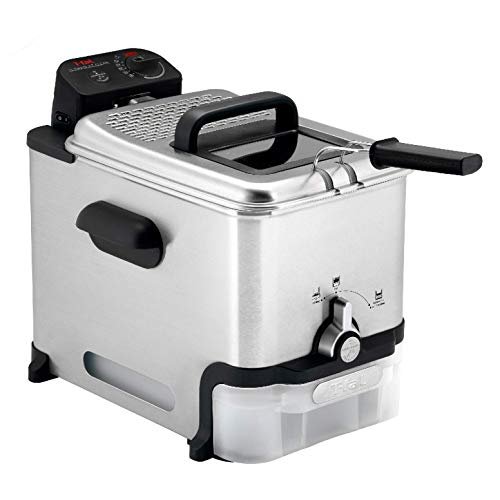
Setting up your deep fryer properly is the first step to achieving perfectly crispy and juicy wings every time. The right preparation helps you control the cooking process and avoid common pitfalls like greasy or unevenly cooked wings. Let’s look at how to get your fryer ready for action.
Optimal Oil Type
Choosing the right oil affects both the flavor and the cooking temperature. Oils with high smoke points like peanut, canola, or vegetable oil work best because they handle the heat without burning. Avoid olive oil or butter, as they can smoke and spoil the taste.
Have you ever noticed your wings tasting off or smelling burnt? That’s usually because of the wrong oil choice. Using a neutral oil with a high smoke point ensures your wings cook evenly and stay crispy without unwanted flavors.
Ideal Temperature Settings
Setting your deep fryer to the correct temperature is crucial. Aim for around 350°F to 375°F (175°C to 190°C). This range crisps the wings quickly while sealing in the juices.
Too low, and your wings absorb excess oil, becoming greasy. Too high, and the outside burns before the inside is cooked. Most deep fryers have adjustable thermostats—use them to maintain a steady temperature throughout the cooking process.
Credit: thewoksoflife.com
Frying Time For Crispy Wings
Getting the perfect crispy wings starts with knowing exactly how long to fry them. The frying time impacts not just the texture but also the juiciness inside. Too short, and the wings stay soggy; too long, and they become dry or burnt. Let’s break down the timing to help you nail that golden crunch every time.
Standard Frying Duration
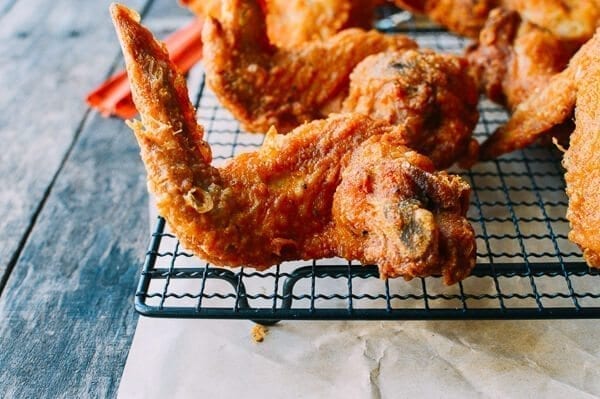
Typically, wings take about 8 to 12 minutes in a deep fryer set at 350°F (175°C). This range ensures the wings cook through while developing a crispy outer layer. Keep an eye on color and texture rather than relying solely on time—wings should be golden brown and float to the surface when done.
Adjusting For Wing Size
The size of your wings directly affects frying time. Smaller wings need closer to 8 minutes, while larger ones may require up to 12 minutes or slightly more. If you’re unsure, cut into one wing after 8 minutes to check if the meat is opaque and juices run clear. You can always fry a bit longer, but you can’t undo overcooking.
Double Frying Method
Ever tried frying wings twice? It’s a game-changer for crunch lovers. Fry wings initially for 6 to 7 minutes, remove and let them rest for a few minutes, then fry again for 2 to 3 minutes until extra crispy. This technique locks in moisture and boosts that satisfying crunch—have you tried it yet?
Checking Doneness
Frying wings in a deep fryer takes about 8-10 minutes until they are crispy and golden brown. Check for doneness by ensuring the internal temperature reaches 165°F (74°C). Adjust time slightly based on wing size and fryer model.
Checking the doneness of fried wings ensures they are safe and delicious. It's crucial to know when your wings are perfectly cooked. Let's explore the two main ways to check their doneness.
Visual Indicators
Observe the color of the wings. They should be golden brown. The skin should look crispy and appetizing. If wings are pale, they need more time. Look for bubbles in the oil around the wings. Fewer bubbles mean they're nearly done. Ensure the wings float to the top of the oil. This indicates they might be ready.
Using A Meat Thermometer
Insert the thermometer into the thickest part of the wing. Avoid touching the bone for an accurate reading. The internal temperature should be 165°F (74°C). If it's lower, continue frying. Always check multiple wings for consistency. This ensures all wings are cooked thoroughly. Using a thermometer is a reliable method. It guarantees safety and quality in every bite.

Credit: grumpyrecipes.com
Post-frying Tips
After frying wings in a deep fryer, proper handling is crucial. It helps keep the wings tasty and prevents sogginess. Taking the right steps right after frying ensures the best texture and flavor.
Draining Excess Oil
Remove wings from the fryer with a slotted spoon or basket. Place them on a plate or tray lined with paper towels. The paper towels absorb extra oil quickly. Avoid stacking wings to stop steam buildup. Let wings rest a few minutes to drain fully. This step helps wings stay crispy and less greasy.
Keeping Wings Crispy
Keep wings warm in an oven set to low heat, around 200°F (93°C). Use a wire rack on a baking sheet to allow air circulation. This prevents moisture from making wings soggy. Avoid covering wings with foil or lids; it traps steam and softens skin. Serve wings shortly after frying for the best crispiness.
Saucing And Serving
Once your wings are perfectly fried, the next step is saucing and serving. This is where you get to personalize your wings and elevate their flavor. The sauce you choose can turn a simple batch of wings into a memorable meal.
Popular Wing Sauces
Choosing the right sauce can depend on your mood or the occasion. Classic Buffalo sauce, with its spicy and tangy kick, remains a favorite for many.
- Buffalo:A mix of hot sauce and butter, perfect for heat lovers.
- BBQ:Sweet and smoky, ideal if you prefer something milder.
- Garlic Parmesan:Rich and creamy with a hint of garlic, great for a savory twist.
- Teriyaki:A sweet and salty option for those who enjoy Asian-inspired flavors.
Try tossing your wings in the sauce immediately after frying to ensure every bite is coated. Ever wondered how much sauce is just right? Start with a few tablespoons and add more as needed—it's easier to add than to remove!
Serving Suggestions
How you serve your wings can make a big difference in the overall experience. Fresh celery sticks and carrot sticks are classic sides that add crunch and balance the heat.
- Offer a variety of dipping sauces like ranch or blue cheese to complement different wing flavors.
- Consider serving with a cold beer or a refreshing soda to cool down the spice.
- Arrange wings on a platter with garnishes like chopped parsley or green onions for a pop of color.
Think about your guests’ preferences and dietary needs when selecting sides and sauces. Have you ever noticed how the right side dish can elevate even the simplest wings? Experiment with different combos to find your perfect match.

Credit: tiffycooks.com
Common Frying Mistakes
Frying wings perfectly in a deep fryer requires attention to detail. Many cooks make common mistakes that affect the taste and texture. Avoiding these errors leads to crisp, juicy wings every time.
Overcrowding The Fryer
Putting too many wings in the fryer lowers the oil temperature fast. This causes uneven cooking and soggy skin. Wings need space to cook evenly. Fry in small batches for best results.
Incorrect Oil Temperature
Oil that is too hot burns the wings outside and leaves the inside raw. Too cool oil makes wings greasy and soft. Keep oil between 350°F and 375°F for perfect frying. Use a thermometer to check the temperature.
Frequently Asked Questions
How Long To Deep Fry Chicken Wings?
Deep fry chicken wings for 8 to 10 minutes at 350°F (175°C). This ensures they are crispy and cooked through.
What Oil Is Best For Frying Wings?
Use oils with high smoke points like peanut, canola, or vegetable oil. These oils fry wings evenly without burning.
How To Tell When Wings Are Fully Cooked?
Wings are done when they reach an internal temperature of 165°F (74°C). They should be golden brown and crispy.
Can I Fry Frozen Wings Directly?
It’s best to thaw wings before frying. Frying frozen wings may cause oil splatter and uneven cooking.
Conclusion
Frying wings in a deep fryer takes about 8 to 12 minutes. The oil should be hot, around 350°F (175°C). This cooks wings evenly and makes them crispy. Check wings often to avoid burning. Cook until golden brown and the inside is fully done.
Let wings rest a few minutes before eating. This keeps them juicy and tasty. Now you know how long to fry wings perfectly every time. Enjoy your delicious, crispy wings!