Are you craving crispy, golden chicken wings but unsure how long to fry them in your deep fryer? Getting the timing just right is key to achieving that perfect crunch without overcooking the inside.
If you’ve ever struggled with soggy or burnt wings, this guide is made for you. Keep reading, and you’ll discover the simple secrets to frying chicken wings to perfection every single time. Your taste buds will thank you!
Choosing The Right Oil
Choosing the right oil is key to perfect fried chicken wings. The oil affects flavor, texture, and safety. Different oils behave differently at high temperatures. Picking the best oil keeps wings crispy and tasty. It also prevents harmful fumes and smoke. Understanding oil types helps you fry wings well every time.
Best Oils For Deep Frying
Use oils with a neutral taste and high heat tolerance. Common choices include:
- Peanut oil – great flavor, stays stable at high heat.
- Canola oil – mild taste, affordable and widely available.
- Vegetable oil – a blend, good for frying wings.
- Sunflower oil – light flavor, high smoke point.
- Safflower oil – neutral and heat resistant.
These oils keep your chicken wings crispy without adding strong flavors.
Oil Smoke Points And Safety
Smoke point is the temperature when oil starts to burn and smoke. Fry chicken wings between 350°F and 375°F (175°C to 190°C). Use oils with smoke points above 375°F for safety.
Burning oil creates bad taste and harmful compounds. It can fill your kitchen with smoke and cause fire risks. Never reuse oil that smells burnt or looks dark.
Monitor oil temperature with a thermometer. Adjust heat to keep it steady. This ensures wings cook evenly and oil stays safe.
Preparing Chicken Wings
Preparing chicken wings properly is key to achieving that perfect crispy and juicy bite. Skipping crucial steps here can lead to soggy, bland wings that don’t deliver the satisfying crunch you want. Let’s look at how cleaning, drying, seasoning, and marinating set the stage for frying success.
Cleaning And Drying
Start by rinsing the wings under cold water to remove any leftover feathers or residue. It’s important to pat them completely dry with paper towels—moisture on the surface causes oil splatter and prevents crispiness.
Have you ever noticed your wings come out soggy? That’s usually because they weren’t dried enough. Try pressing the wings between paper towels and let them air dry for a few minutes if you have time.
Seasoning And Marinating
Seasoning is not just about salt and pepper; it’s your chance to add depth to the wings. A simple rub of garlic powder, paprika, and a pinch of cayenne can make a big difference. If you prefer, marinate the wings in a mixture of buttermilk and hot sauce for at least 30 minutes to tenderize and infuse flavor.
Marinating isn’t just for taste—it also helps the coating stick better when frying. Have you tried adding a splash of vinegar or lemon juice? It brightens the flavor and balances the richness of the fried wings.
Setting Up The Deep Fryer
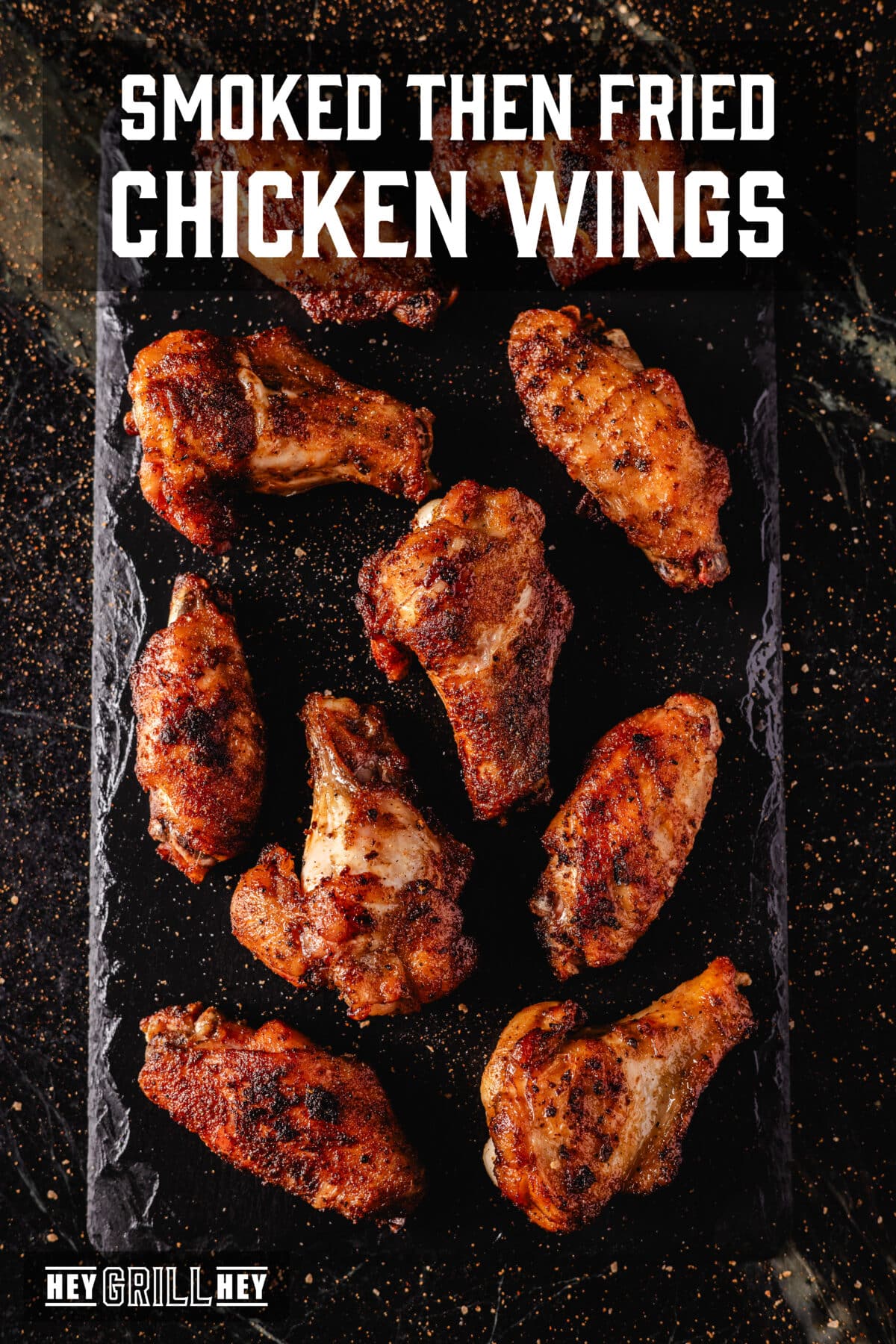
Heat the deep fryer to 350°F before adding chicken wings. Fry wings for 8 to 10 minutes until golden and crispy. Drain excess oil and serve hot. Cooking wings to perfection requires attention to detail and the right technique. You can enhance the flavor by marinating them with your favorite spices before frying. Pair the wings with a delicious dipping sauce for an unforgettable meal.
Setting up the deep fryer is crucial for perfect chicken wings. It ensures your wings are crispy and delicious. Follow these steps for a successful fry.
Optimal Oil Temperature
Set the oil temperature between 350°F and 375°F. This range crisps the wings without burning. Use a thermometer to check the oil's heat. Keep the temperature consistent for even cooking.
Fryer Capacity And Safety Tips
Do not overcrowd the fryer. Leave space for the wings to cook evenly. Overcrowding lowers the oil temperature, leading to soggy wings. Always dry the wings before frying. Water can cause oil splatters. Use a fryer with a lid to prevent splatters and burns. Place the fryer on a stable, heat-resistant surface. Keep it away from flammable materials. Never leave the fryer unattended while in use. By setting up your deep fryer properly, you create the perfect environment for frying chicken wings.
Frying Time Guidelines
Getting the frying time right is key to perfect chicken wings. Too short, and you risk undercooked meat. Too long, and the wings turn dry or burnt. Let’s break down practical frying time guidelines to help you nail the perfect wings every time.
Standard Frying Duration
Typically, chicken wings need about 8 to 12 minutes in a deep fryer set at 350°F (175°C). The exact time depends on your fryer and wing thickness, but this range works well for most home cooks. Keep an eye on the wings as they fry; golden brown skin usually signals readiness.
Adjusting Time For Wing Size
Smaller wings cook faster, sometimes in as little as 7 minutes. Larger wings or drumettes might need closer to 13 minutes to cook through. If you’re unsure, use a meat thermometer—wings are safe to eat at 165°F (74°C) internal temperature. Adjusting time based on size prevents over or undercooking.
Double Fry Method For Extra Crispiness
Want wings that stay crispy even after cooling? Try double frying. Fry wings for 6 minutes, let them rest for a few minutes, then fry again for 2 to 3 minutes. This method removes extra moisture and firms up the skin. Many chefs swear by this trick—have you ever tested double frying for your wings?
Signs Of Perfectly Fried Wings
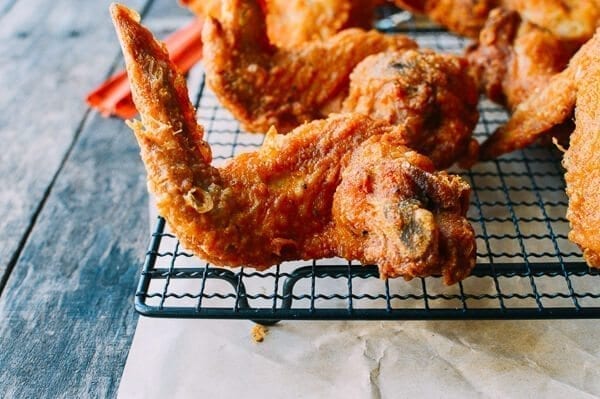
Perfectly fried chicken wings show clear signs of readiness. Knowing these signs helps avoid undercooking or burning. It ensures wings are crispy outside and juicy inside. Watch for changes in color, texture, and taste to serve the best wings every time.
Visual Indicators
- Golden brown color all over the wings
- Evenly crispy skin without dark burnt spots
- Small bubbles around wings slow down in the oil
- Wings float to the surface of the oil
Texture And Taste
- Skin feels crisp and firm to the touch
- Meat inside is tender and juicy, not dry
- No pink or raw parts inside the wing
- Flavor is rich with a slight crunch in every bite
Common Frying Mistakes
Common frying mistakes can ruin the taste and texture of chicken wings. These errors often cause soggy, greasy, or unevenly cooked wings. Avoiding these pitfalls ensures crispy, delicious results every time.
Overcrowding The Fryer
Putting too many wings in the fryer lowers the oil temperature quickly. The wings cook unevenly and absorb more oil. This results in greasy, soggy wings instead of crispy ones. Fry wings in small batches for the best texture and color.
Incorrect Oil Temperature
Oil that is too hot burns the wings on the outside while leaving the inside raw. Oil that is too cold makes wings greasy and soggy. Keep the oil temperature between 350°F and 375°F for perfect frying. Use a thermometer to check the temperature often.
Post-frying Tips
After frying chicken wings, proper handling keeps them tasty and crisp. Post-frying care helps maintain texture and flavor. Follow these simple steps to enjoy perfect wings every time.
Draining And Resting
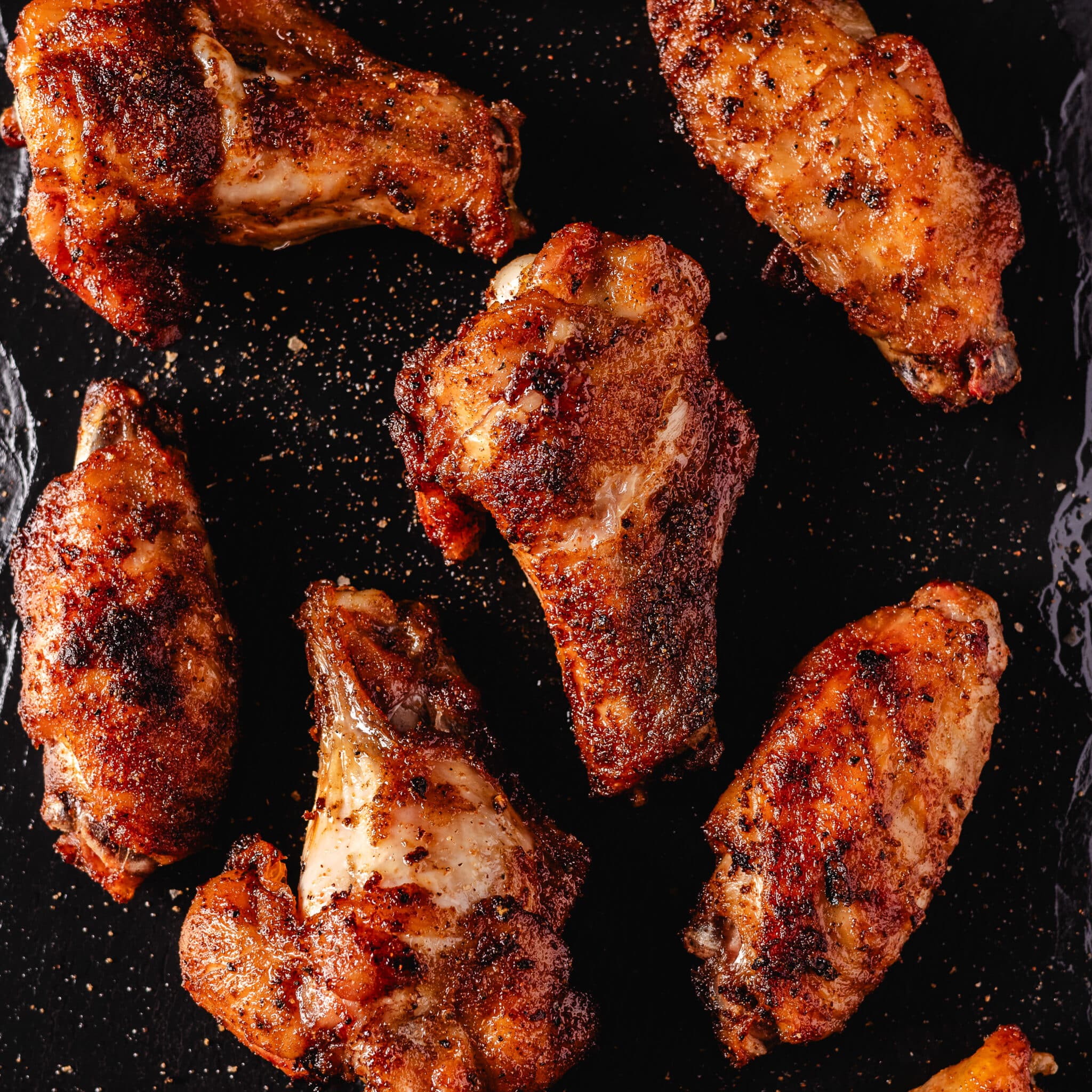
Place fried wings on a wire rack or paper towels. This removes extra oil and prevents sogginess. Avoid stacking wings directly; air must circulate around them. Let wings rest for 5 to 10 minutes. Resting allows juices to settle inside the meat. This keeps wings moist and flavorful.
Keeping Wings Crispy
Keep wings warm in a low oven at about 200°F (93°C). Avoid covering wings with foil, which traps steam and softens the skin. Serve wings soon after frying for the best crunch. For longer holds, reheat briefly in a hot oven to restore crispiness. Avoid microwaving, as it makes wings rubbery.
Frequently Asked Questions
How Long Should Chicken Wings Fry In A Deep Fryer?
Chicken wings typically fry for 8 to 10 minutes at 350°F (175°C). This ensures they cook thoroughly and become crispy. Always check internal temperature reaches 165°F (74°C) for safety.
What Is The Ideal Oil Temperature For Frying Wings?
The best oil temperature for frying wings is 350°F (175°C). This temperature cooks wings evenly and crisps the skin without burning or undercooking.
How Can I Tell When Chicken Wings Are Done Frying?
Chicken wings are done when golden brown and crispy. Use a meat thermometer to ensure internal temperature is 165°F (74°C) for safe consumption.
Should I Fry Wings In Batches Or All At Once?
Fry wings in small batches to avoid overcrowding. Overcrowding lowers oil temperature, causing uneven cooking and soggy wings.
Conclusion
Frying chicken wings usually takes about 8 to 12 minutes. Keep the oil temperature at 350°F for the best results. Wings should be golden brown and crispy outside. Inside, the meat must be fully cooked and juicy. Check by cutting one wing open or using a thermometer.
Avoid overcrowding the fryer to keep the oil hot. This way, wings cook evenly and taste great. Enjoy your delicious homemade fried chicken wings every time!